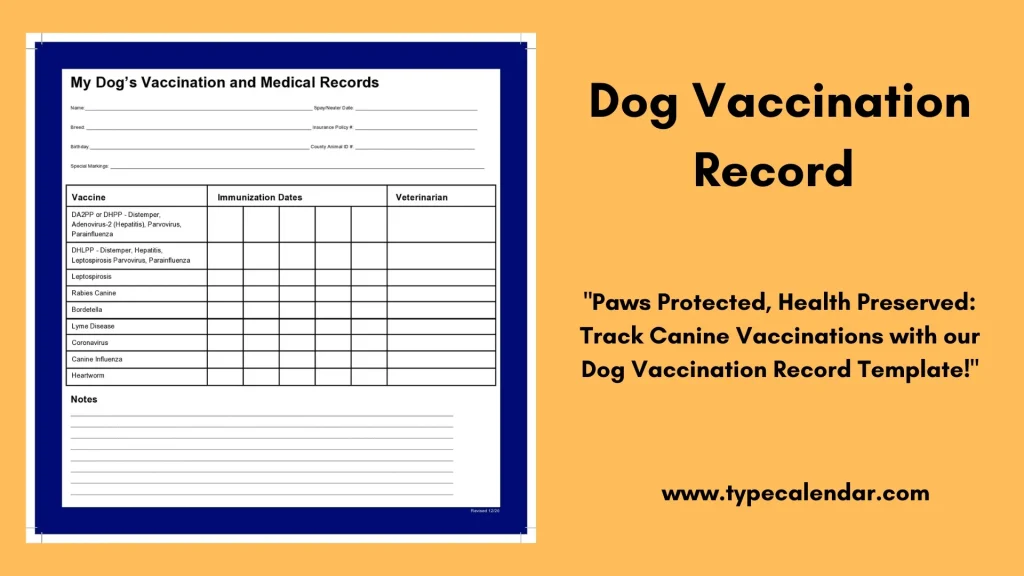
Have you ever needed your dog’s vaccination records but didn’t know where to find them? Whether you’re visiting the vet, boarding your pet, or traveling, having those records on hand is crucial.
But if you’re feeling lost or overwhelmed, don’t worry—you’re not alone. You’ll discover simple, clear steps to get your dog’s vaccination records quickly and easily. Keep reading, and you’ll have what you need in no time.
Check With Your Veterinarian
Checking with your veterinarian is the most direct and reliable way to get your dog’s vaccination records. Vets keep detailed files that include all vaccines given, dates, and any notes on your pet’s health. Reaching out to them can save you time and give you accurate information without guesswork.
Contact Your Current Vet
Your current vet is the best starting point. They usually have your dog’s full vaccination history, especially if you’ve been consistent with visits. A quick call or email can often get you a copy of the records within minutes.
If you recently switched vets, your current clinic may have already requested the records for you. Don’t hesitate to ask if they can send you a digital or printed copy for your personal files. It’s your right to have easy access to this important information.
Reach Out To Previous Vets
If your current vet doesn’t have your dog’s vaccination records, try contacting previous clinics. Dogs often get their first vaccinations at puppy shots or shelters, which might be a different location. Tracking down those records can fill in any gaps.
Sometimes records are stored for years, even after you stop visiting a clinic. A polite request can often bring these documents back to life. Keep in mind, providing your dog’s full name, birthdate, and your contact info will help the vet locate the file quickly.
Request Digital Copies
Many veterinary offices now offer digital vaccination records that you can access anytime. Ask your vet if they can send you a PDF or upload the records to a pet health app. This makes it easy to share the info with pet sitters, groomers, or boarding facilities.
Digital copies reduce the risk of losing paper records. Plus, they’re handy during emergencies when you need quick proof of vaccination. Have you checked if your vet participates in any pet health networks for seamless record sharing?

Credit: www.ebay.ca
Explore Online Pet Portals
Explore online pet portals to find your dog’s vaccination records easily. Many platforms store pet health information securely. These digital tools save time and reduce paperwork. Access records anytime from your phone or computer. Online portals connect you with your vet and pet care services. Start with trusted websites and apps designed for pet owners.
Vet Clinic Websites
Many vet clinics offer online portals for clients. Log in to view your dog’s vaccination history. Some sites allow you to download or print records. The portal also shows upcoming vaccination dates. Contact your vet clinic if you need help accessing the site.
Pet Health Apps
Pet health apps store vaccination records and reminders. Download apps from your phone’s app store. Enter your pet’s details to keep records updated. These apps send alerts for upcoming vaccines. Some apps connect directly with vet clinics for automatic updates.
Third-party Platforms
Third-party platforms gather pet health data from multiple sources. Register and add your pet’s information to these sites. Upload scanned or photographed vaccination certificates. Use these platforms to share records with pet sitters or groomers. Check for secure and reliable platforms before use.
Search Through Personal Records
Searching through personal records is often the quickest way to find your dog’s vaccination documents. Many pet owners keep some form of physical or digital proof after vet visits. These records may be stored in various places within your home or devices. Taking time to check all possible spots helps gather complete information about your pet’s health history.
Organizing your search into categories can make the process easier. Focus on paper documents, digital communications, and insurance files. Each source might hold important vaccination details. This approach saves time and avoids missing crucial records.
Review Paper Documents
Start by checking folders or binders where you store pet papers. Vaccination records often come as printed certificates or receipts. Look inside vet visit folders, pet care notebooks, or home filing cabinets. Old documents might be tucked away with other pet health records. Don’t forget to check places like drawers or boxes where important papers usually stay.
Check Email And Texts
Emails and text messages may contain vaccination details from your vet. Search your inbox for terms like “vaccination,” “immunization,” or your vet’s name. Vets often send digital copies of records after appointments. Text messages might include appointment reminders or scanned documents. Use your phone or computer search functions to find these messages quickly.
Look Into Pet Insurance Files
Pet insurance companies require vaccination proof for coverage. Review your insurance policy documents and claim files. Sometimes, vaccination records are attached to insurance paperwork. Log into your insurance account online to access stored documents. Download or print any vaccination proof found there. This source can provide official and up-to-date records for your dog.
Ask Local Animal Shelters And Clinics
Finding your dog’s vaccination records can feel like searching for a needle in a haystack. Luckily, local animal shelters and clinics often keep detailed records that can help you. These places are a great first stop when you need official vaccination information for your furry friend.
Contact Shelters Where Dog Was Adopted
If you adopted your dog from a shelter, reach out to them directly. Shelters usually maintain vaccination records for each animal they place, even years after adoption. Sometimes, they can email or mail you a copy of the records quickly.
Don’t hesitate to provide your dog’s name, adoption date, and any ID number you might have. This makes their search faster and more accurate. Have you ever tried calling a shelter and been surprised by how helpful the staff can be?
Visit Community Clinics
Community clinics often serve as vaccination sites and maintain patient records. Visiting these clinics in person can sometimes speed up the process compared to phone or email requests. You can also ask questions about upcoming vaccinations or boosters during your visit.
Make sure to bring any proof of ownership or identification for your dog. This helps clinics locate the correct records without delay. Could a quick visit to your local clinic solve your missing records problem?
Inquire About Shared Records
Some clinics and shelters participate in shared databases or networks for animal health records. Ask if they can check these networks for your dog’s vaccination history. This can uncover records you didn’t know existed.
Sharing records between organizations benefits you by avoiding repeated vaccinations or unnecessary vet visits. Have you explored whether your area has such a shared record system? It might save you time and money.
Understand Legal Requirements
Understanding legal requirements for dog vaccination records is crucial for all dog owners. These rules protect your pet’s health and public safety. Laws vary by location and purpose, so knowing what applies helps you stay compliant. Keep your dog’s records updated and accessible at all times.
State And Local Vaccination Laws
Each state and city may have specific vaccination laws. Rabies vaccination is usually mandatory. Some areas require proof of other vaccines too. Check with your local animal control or veterinary office. They provide the exact rules you must follow. Failure to comply can lead to fines or pet restrictions.
Pet Travel And Boarding Rules
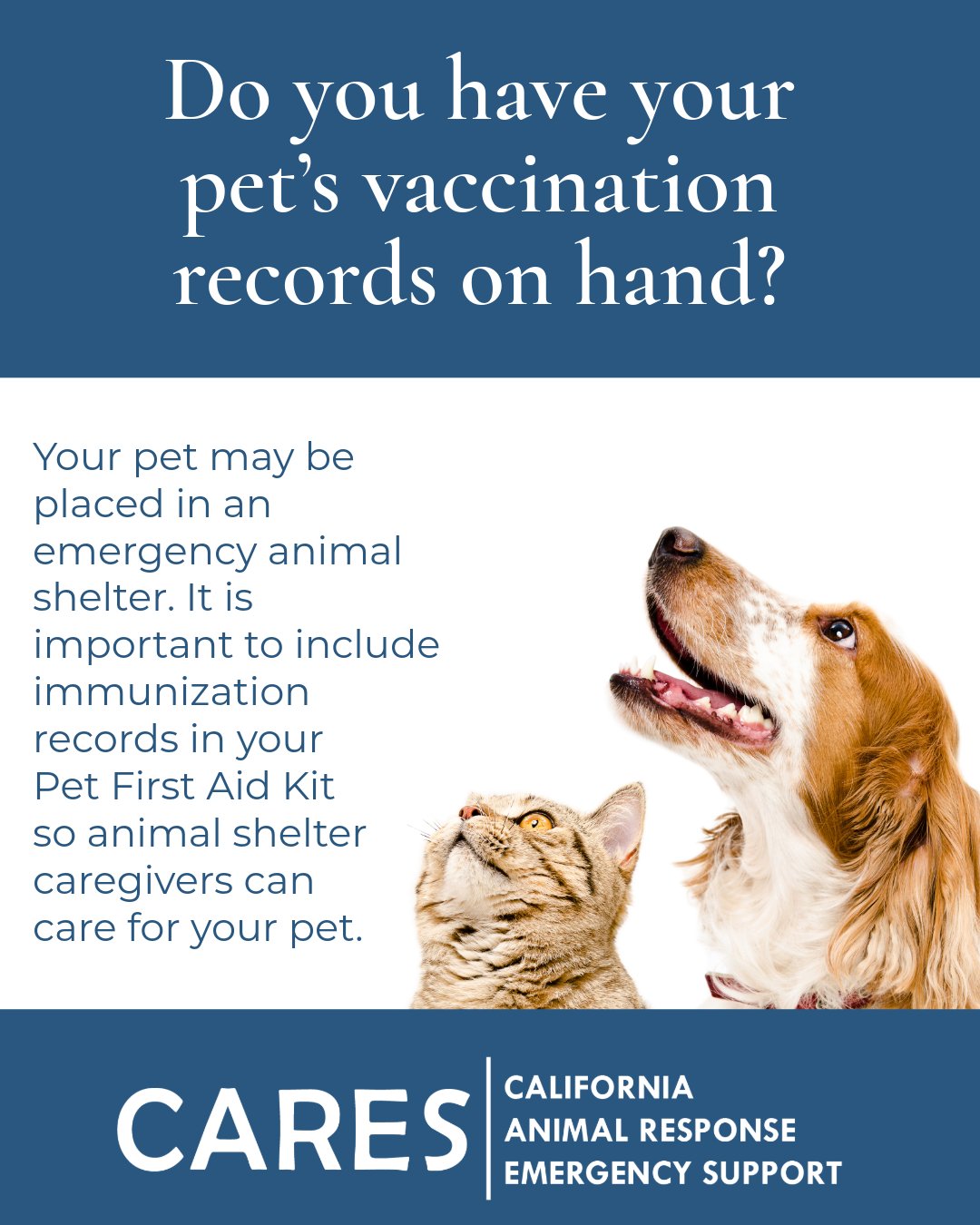
Traveling with your dog means showing vaccination proof. Airlines and hotels often ask for up-to-date records. Some places require a health certificate from a vet. Boarding facilities need vaccination proof to protect all pets. Keep copies of records ready before traveling or boarding your dog.
Proof For Dog Shows And Competitions
Dog shows require official vaccination records for entry. This protects all animals from disease spread. Each event has its own vaccine rules. Common vaccines include rabies, distemper, and parvovirus. Carry your dog’s vaccination booklet or digital record to avoid disqualification.
Credit: x.com
Tips For Keeping Records Safe
Keeping your dog’s vaccination records safe is more important than you might think. These documents are essential not only for vet visits but also for travel, boarding, and emergencies. Losing them can cause unnecessary stress and delays, so having a reliable system to store and protect these records makes life easier for both you and your pet.
Use Digital Storage Solutions
Storing your dog’s vaccination records digitally keeps them accessible anytime you need. Scan or photograph the papers and save them on your phone, computer, or cloud services like Google Drive or Dropbox.
Apps designed for pet care management can also organize your records neatly. Have you tried using a pet health app? It might surprise you how quickly it saves time during vet visits.
Create Backups
Relying on a single digital copy is risky. What if your device crashes or files get deleted accidentally? Create multiple backups on different platforms to avoid losing important information.
You can keep a USB drive or an external hard drive with copies stored in a safe place. Think about sharing a copy with a trusted friend or family member. Wouldn’t peace of mind be worth it?
Regularly Update Records
Your dog’s health information changes with each vaccination or vet visit. Make it a habit to update your records promptly. This keeps the information accurate and ready whenever needed.
Set reminders on your calendar to check and add new records. How often do you review your pet’s health files? Keeping them current can prevent complications later on.
Credit: buzzybeesdesign.com
Frequently Asked Questions
How Can I Obtain My Dog’s Vaccination Records?
To get your dog’s vaccination records, contact your veterinarian. They maintain detailed health records. If you’ve changed vets, request records from the previous clinic. Some clinics offer online portals for easy access. Always keep a personal copy for emergencies or travel.
Are Dog Vaccination Records Available Online?
Many veterinary clinics offer online portals for easy access to vaccination records. Check if your vet provides this service. You may need to register or log in to view or download the records. Online access ensures quick retrieval for travel or emergencies.
What If My Vet Clinic Closed Down?
If your vet clinic closed, contact the regional veterinary board. They may have transferred records to another facility. You can also ask for recommendations on how to retrieve your dog’s vaccination history. Always maintain a personal copy for future reference.
Can I Track Vaccinations Without Vet Records?
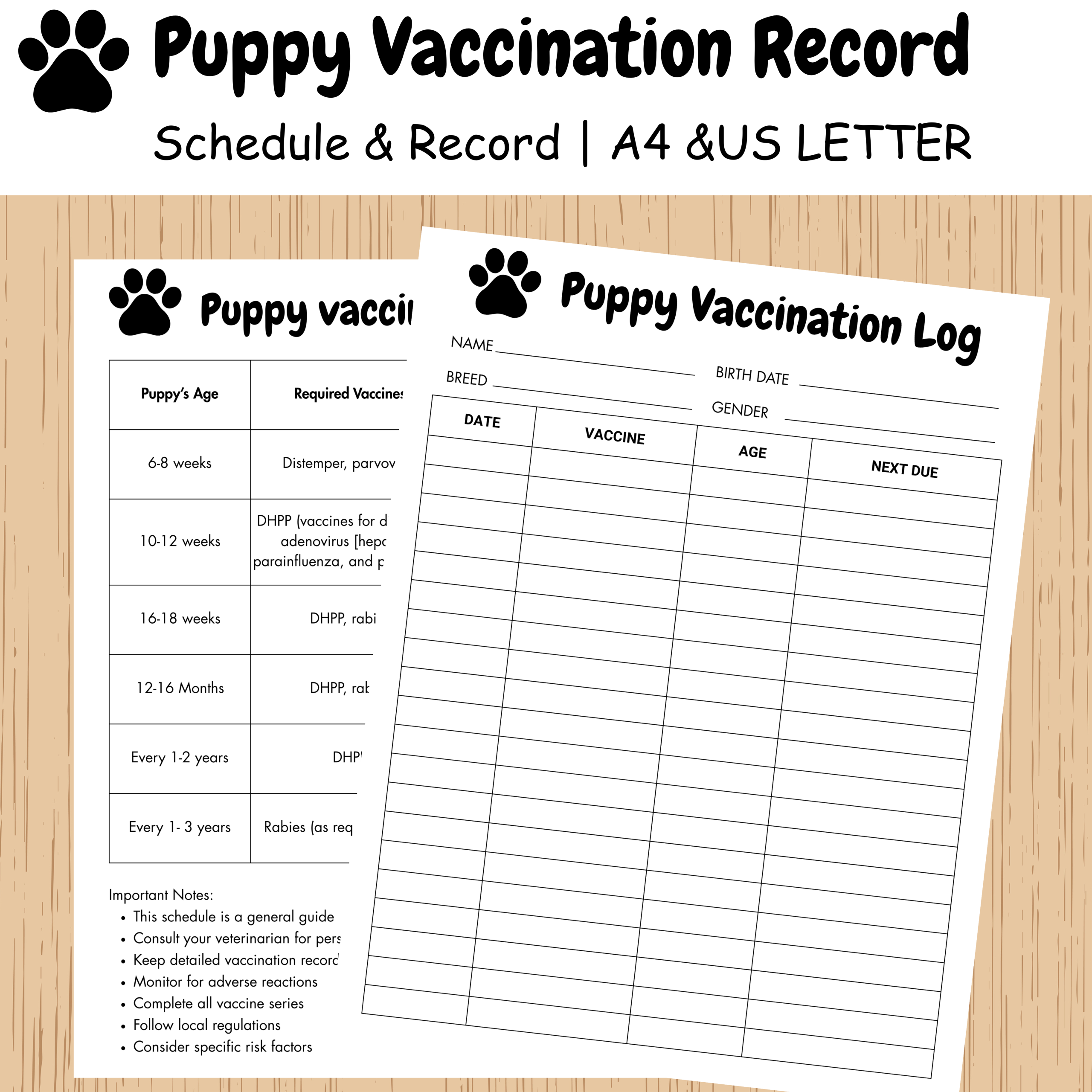
Yes, maintain a personal log of your dog’s vaccinations. Record dates, types, and locations of each vaccine. Keep receipts or certificates from clinics. This ensures you always have up-to-date information, even if vet records are inaccessible.
Conclusion
Getting your dog’s vaccination records is easier than you think. Start by asking your vet or animal clinic. They keep detailed records and can provide copies. Sometimes, pet shelters or previous owners also have the papers. Keep these documents safe for future visits or travel.
Having the records helps protect your dog’s health. It also makes vet visits smoother and faster. Don’t delay; gather your dog’s vaccination records today. Peace of mind is worth the effort.

Emily Barker is the founder of ChillDogLife.com, a space dedicated to helping pup parents discover the best dog products, lifestyle tips, and cozy ideas for happier homes.
A lifelong dog lover, Emily combines her passion for pets with a knack for research to share trusted recommendations on everything from toys and furniture to health and everyday care.
Her goal is simple: to make life easier, stylish, and more joyful for dogs and the people who love them.




