
Do you ever wonder why your dog ignores toys while you’re trying to have fun together? It can be frustrating when you want to keep your furry friend happy and active, but they just don’t seem interested.
The good news is, getting your dog to play with toys isn’t as hard as it seems. With a few simple tricks and a little patience, you can turn playtime into the best part of your dog’s day—and yours. Keep reading to discover easy, effective ways to spark your dog’s interest and bring back the joy of play.

Credit: www.mirror.co.uk
Choosing The Right Toys
Getting your dog to play with toys starts with picking the right ones. Not all toys suit every dog.
Consider your dog’s size, chewing strength, and interests before buying toys.
Types Of Toys Dogs Enjoy
Dogs like different kinds of toys for different reasons. Some like to chew, some like to fetch, others like to solve puzzles.
- Chew toys help keep teeth strong and clean.
- Fetch toys like balls and frisbees encourage exercise.
- Puzzle toys challenge the dog’s mind and keep them busy.
- Plush toys offer comfort and can be carried around.
Materials That Last
Durable materials make toys last longer, especially for strong chewers. Avoid toys that break easily.
Look for toys made from rubber, nylon, or tough fabric. These materials stand up to rough play.
- Rubber toys are flexible and tough.
- Nylon chew toys resist heavy chewing.
- Strong fabric toys are good for gentle chewers.
- Avoid cheap plastic toys that can break into sharp pieces.
Size Matters
Pick toys that fit your dog’s size and mouth. Too small toys can be choking hazards.
Large toys may be hard to carry for small dogs. Match the toy size to your dog’s breed and age.
- Small dogs need smaller toys they can hold easily.
- Large dogs need bigger, stronger toys to avoid swallowing.
- Check the toy’s recommended size on the package.
- Always supervise your dog with new toys at first.
Introducing Toys To Your Dog
Getting your dog to play with toys can be fun and helpful. Toys keep dogs active and happy. Some dogs need time to accept new toys.
Introducing toys the right way helps your dog enjoy playtime. Try different methods to see what your dog likes best.
Making Toys Appealing
Dogs like toys that catch their attention. Look for toys with bright colors or interesting shapes. Soft or squeaky toys often attract dogs.
- Choose toys that are the right size for your dog
- Pick toys with different textures to explore
- Use toys that make sounds or have scents
- Rotate toys to keep your dog curious
Using Treats To Encourage Play
Treats can help your dog link toys to fun and rewards. Use small treats to make toys more interesting. Show your dog the toy and then give a treat.
| Action | What to Do |
| Introduce Toy | Hold toy near your dog |
| Reward Interest | Give treat when dog sniffs or touches toy |
| Encourage Play | Play gently with toy and praise dog |
| Repeat Often | Use treats and toys daily |
Playing Together
Playing with your dog makes toys more fun. Join your dog in play to build trust. Use toys to play fetch or tug-of-war.
Here are some tips for playing with your dog:
- Choose a quiet place free of distractions
- Use a toy your dog shows interest in
- Let your dog win sometimes to keep them excited
- End playtime before your dog gets tired
Creating A Play Routine
Getting your dog to play with toys can be easier with a good routine. Dogs feel happy and safe when they know what to expect.
A play routine helps your dog learn when it is time to have fun. It also builds good habits for both of you.
Setting Playtime Goals
Set small goals for each play session. This can be a short time with a new toy or learning to fetch.
Clear goals help your dog focus and enjoy play more. They also make it easier for you to track progress.
- Start with 5 to 10 minutes of play
- Try different toys to see what your dog likes
- Reward your dog with praise or treats
Consistency And Patience
Play with your dog at the same times each day. Consistency helps your dog expect and enjoy playtime.
Be patient. Some dogs take time to like new toys. Keep trying and stay calm during play.
- Use the same place for play sessions
- Speak in a happy, gentle voice
- Give your dog breaks if needed
Timing Play Sessions
Choose the best time of day for play. Dogs often have more energy after resting or eating.
Short, frequent playtimes work better than long sessions. This keeps your dog interested and not tired.
- Play after your dog wakes up
- Try short sessions of 5 to 15 minutes
- Avoid play right before bedtime
Handling Common Play Issues
Getting your dog to play with toys can be tricky. Some dogs show little interest or act aggressively around toys. Understanding these problems helps you encourage healthy play.
Safe play is important for both you and your dog. This guide covers common issues and ways to handle them.
Dealing With Disinterest
Some dogs ignore toys because they do not find them fun or exciting. Try different types of toys like balls, ropes, or squeaky toys. Watch which toys catch your dog’s attention.
Use treats or praise to encourage your dog to touch or play with the toy. Play together to show your dog how much fun the toy can be.
- Choose toys with different textures and sounds
- Play with your dog using the toy to spark interest
- Offer treats when your dog interacts with the toy
Addressing Toy Aggression
Some dogs get possessive or aggressive with toys. This can cause biting or growling. Teach your dog to share toys by exchanging them for treats. This shows your dog that giving up toys is safe.
Watch your dog’s body language and stop play if aggression starts. Use calm and firm commands to control behavior.
- Swap toys for treats to reduce possessiveness
- Stop play if your dog shows aggression signs
- Use calm commands like “drop it” or “leave it”
Keeping Play Safe
Safe play keeps your dog happy and healthy. Check toys for damage before giving them to your dog. Remove broken toys to prevent choking or swallowing small pieces.
Supervise your dog during playtime. Avoid toys that are too hard or small for your dog’s size. Teach gentle play and stop rough behavior immediately.
- Inspect toys regularly for damage
- Choose size-appropriate toys for your dog
- Watch your dog while playing
- End play if your dog gets too rough
Boosting Motivation
Getting your dog to play with toys can be fun and rewarding. Some dogs need extra motivation to enjoy playtime.
Using the right methods can help your dog get interested and stay engaged with toys.
Incorporating Training Games
Training games make playtime a learning experience. They keep your dog’s mind active and focused on toys.
- Start with simple commands like “fetch” or “hold.”
- Use the toy as a reward for following commands.
- Gradually add new commands with the toy.
- Keep sessions short to avoid boredom.
- Give lots of praise and encouragement.
Using Interactive Toys
Interactive toys can capture your dog’s attention longer. These toys challenge your dog to think and work for rewards.
| Toy Type | How It Motivates | Example |
| Puzzle Toys | Require problem solving to get treats | Treat-dispensing balls |
| Chew Toys | Offer physical satisfaction and comfort | Rubber bones |
| Fetch Toys | Encourage chasing and retrieving | Frisbees and balls |
| Interactive Electronic Toys | Move or make sounds to attract interest | Battery-operated moving mice |
Rewarding Play Behavior
Rewarding your dog encourages good play habits. Rewards help your dog learn that toys bring fun and treats.
Try these reward ideas:
- Praise with a happy voice
- Give small tasty treats
- Offer extra petting and attention
- Use a favorite toy after good play
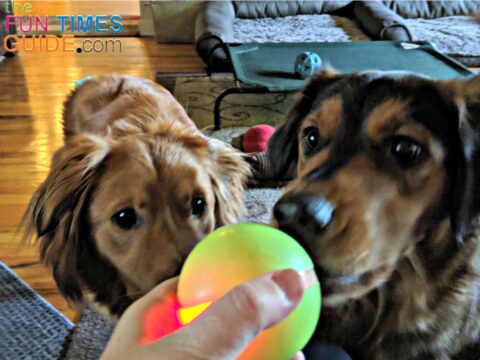
Credit: dogs.thefuntimesguide.com

Credit: www.aol.com
Frequently Asked Questions
How Do I Introduce Toys To A Shy Dog?
Start by placing toys near your dog’s favorite spots. Use treats to encourage investigation. Praise and gentle play help build comfort and interest in toys.
What Types Of Toys Attract Most Dogs?
Dogs usually prefer chew toys, squeaky toys, and interactive puzzles. Choose toys based on your dog’s size and chewing habits for safety and engagement.
How Can I Motivate My Dog To Play With Toys?
Use positive reinforcement like treats and praise when your dog interacts with toys. Play together regularly to make toys more appealing and fun.
Why Does My Dog Ignore Toys Completely?
Your dog might prefer human interaction or lack interest in toys. Try different toy types or incorporate play sessions to spark curiosity and excitement.
Conclusion
Getting your dog to play with toys takes time and patience. Try different toys to find what excites your dog. Use praise and treats to encourage play. Play together often to build fun habits. Keep sessions short and positive to keep interest.
Remember, every dog is unique and learns at its own pace. Enjoy the process and watch your dog grow happier. Playing with toys helps your dog stay active and healthy. Keep trying, and soon your dog will love playtime.

Emily Barker is the founder of ChillDogLife.com, a space dedicated to helping pup parents discover the best dog products, lifestyle tips, and cozy ideas for happier homes.
A lifelong dog lover, Emily combines her passion for pets with a knack for research to share trusted recommendations on everything from toys and furniture to health and everyday care.
Her goal is simple: to make life easier, stylish, and more joyful for dogs and the people who love them.




