
Getting your dog vaccinated is a big step in keeping them healthy and happy. But what you do right after the vaccination can make all the difference.
If you’re wondering what’s safe and what to avoid after your dog’s shot, you’re in the right place. This guide will help you protect your furry friend from discomfort and complications. Keep reading to learn the essential do’s and don’ts after your dog’s vaccination—you won’t want to miss these simple tips that can make a huge difference in your pet’s recovery.
Credit: www.carecredit.com
Post-vaccination Monitoring
Monitoring your dog after vaccination is crucial. It helps ensure your pet stays safe and healthy. Watch your dog closely for any changes in behavior or health. Early detection of issues can prevent serious problems. Knowing what to expect and when to act is key to good care.
Watch For Common Side Effects
Some mild side effects are normal after vaccination. These include:
- Soreness or swelling at the injection site
- Mild fever
- Reduced energy or slight tiredness
- Loss of appetite for a day or two
- Sneezing or coughing if it’s a nasal vaccine
These symptoms usually go away within 24 to 48 hours. Offer water and rest to your dog during this time.
Recognize Serious Reactions
Serious reactions are rare but require quick action. Look for:
- Severe swelling around the face or neck
- Difficulty breathing or wheezing
- Vomiting or diarrhea lasting more than a day
- Weakness or collapse
- High fever above 104°F (40°C)
- Hives or skin rash
These signs may indicate an allergic reaction or infection. Immediate care is necessary to protect your dog.
When To Contact The Vet
Contact your vet if serious symptoms appear. Call if your dog:
- Shows trouble breathing or swelling of the face
- Has persistent vomiting or diarrhea
- Is very weak or unresponsive
- Develops a high fever
- Has symptoms lasting more than two days
Keep your vet’s number handy after vaccination. Early communication helps your dog get the right treatment fast.
Activity Restrictions
After your dog’s vaccination, managing their activity is crucial for a smooth recovery and to ensure the vaccine works effectively. Adjusting their daily routine might feel challenging, but it prevents unnecessary stress or injury. Let’s look at how you can best handle your dog’s activity levels during this sensitive time.
Limit Physical Exercise
Keep your dog’s physical activity to a minimum for at least 24 to 48 hours after vaccination. Avoid long walks, running, or rough play that might raise their heart rate excessively. Gentle leash walks inside the yard or around the block are ideal.
Think about how your dog usually reacts to exercise—if they are highly energetic, cutting back might be tough but necessary. Reducing activity prevents swelling or soreness at the injection site from worsening. Have you noticed your dog getting restless when confined? Try giving them simple mental games instead.
Avoid Stressful Situations
Your dog’s immune system is working hard post-vaccination, so minimizing stress is key. Loud noises, unfamiliar environments, or interactions with other dogs can trigger anxiety or overexertion. Keep your dog calm by creating a quiet, comfortable space at home.
Consider how your dog handles change—if they’re sensitive, extra care is needed to avoid stressful stimuli. You might want to postpone visits to busy parks or doggy daycare until they’re fully recovered. Have you ever seen your dog’s behavior change after stressful events? Taking it slow now can save you from unexpected reactions.
Diet And Hydration
After your dog’s vaccination, paying attention to their diet and hydration is key to helping them recover smoothly. Their body needs proper fuel and fluids to support the immune response triggered by the vaccine.
Maintain Regular Feeding
Keep your dog’s feeding schedule consistent. Skipping meals or changing their diet suddenly might upset their stomach, especially if they feel a bit off after vaccination.
Offer their usual food in smaller portions if they seem less hungry. This can prevent nausea and ensure they still get essential nutrients.
Have you noticed your dog’s appetite change after vaccines? If so, observe closely but avoid forcing food, as this could stress them further.
Encourage Water Intake
Hydration is just as important as food after vaccination. Water helps flush out toxins and supports overall health during the immune response.
If your dog isn’t drinking enough, try offering fresh water frequently or adding ice cubes as a treat. Sometimes, a splash of low-sodium broth can make water more appealing.
Watch for signs of dehydration like dry gums or lethargy. Promptly encouraging water intake can prevent complications and keep your dog comfortable.
Credit: www.davispetvet.com
Medication And Treatments
After your dog’s vaccination, handling medication and treatments properly is crucial for a smooth recovery. The right approach can ease side effects and protect your pet’s health, while mistakes might cause unnecessary stress or complications. Understanding what to do and what to avoid can make a big difference in how your dog feels in the days following the shot.
Follow Vet’s Instructions
Your veterinarian’s advice is your best guide for post-vaccination care. Always stick to the medication schedule your vet provides, whether it’s pain relief or anti-inflammatory drugs. Skipping doses or altering the amount can reduce effectiveness or cause side effects.
Watch how your dog responds to the medication and report anything unusual to your vet immediately. Have you noticed your dog acting differently after a dose? That’s a signal to call your vet rather than guessing what to do next.
Avoid Over-the-counter Remedies
It might be tempting to give your dog over-the-counter medicines to ease pain or swelling. However, many human medications can be harmful or even toxic to dogs. Never give your pet any drug without vet approval.
Instead, ask your vet about safe alternatives if you feel the prescribed meds aren’t enough. Taking matters into your own hands could lead to more harm than good. What’s your experience with managing pet discomfort after vaccines? Sharing it with your vet can help tailor the best treatment plan.
Environmental Care
After your dog’s vaccination, the environment around them plays a key role in how quickly they recover and feel comfortable. Paying attention to environmental care helps reduce stress and avoids unnecessary risks that could affect their health. Small changes in where and how you care for your dog can make a big difference in their post-vaccination comfort.
Keep Your Dog Indoors
It’s important to keep your dog indoors for at least 24 to 48 hours after vaccination. This helps protect them from exposure to germs and harsh weather conditions that can weaken their immune system. Think about the last time you felt sick—would you want to be outside in the cold or around other sick people? Your dog feels the same.
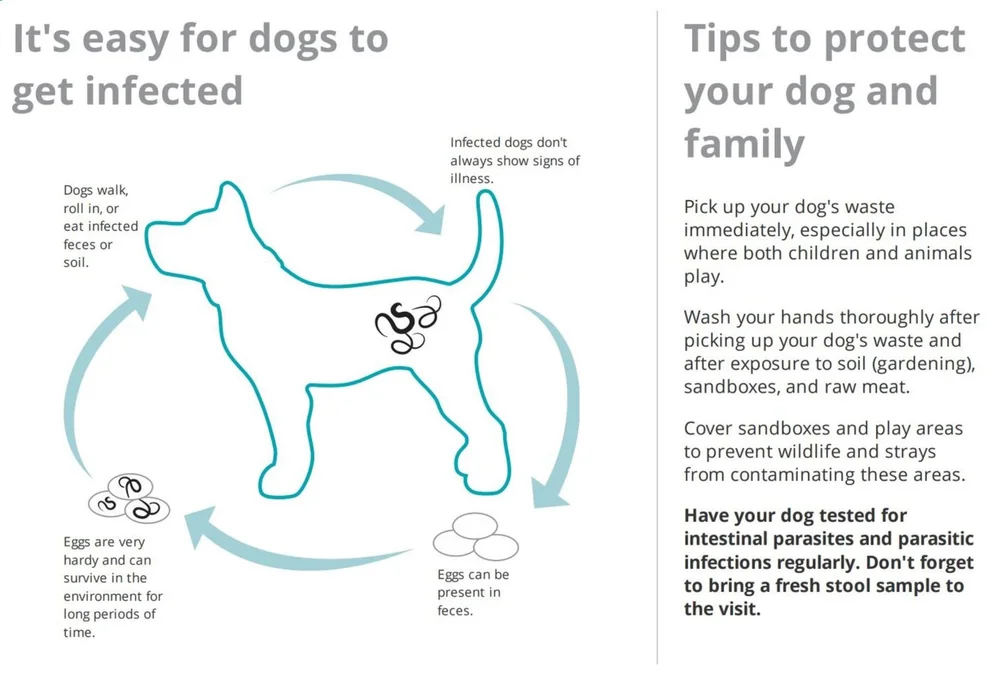
Also, keeping your dog indoors prevents them from coming into contact with other animals who might carry infections. Even if your dog usually loves outdoor play, this brief rest period can help avoid complications. Are you ready to create a safe indoor space that supports your dog’s healing?
Provide A Comfortable Resting Area
Set up a quiet, cozy spot where your dog can rest undisturbed. Use soft bedding and keep the area warm but well-ventilated to avoid overheating. A calm environment helps reduce anxiety and supports their immune system in fighting off any post-vaccination side effects.
Consider your dog’s favorite blanket or toy to make the space feel familiar. Your dog’s comfort isn’t just about physical rest; emotional security counts too. How can you make their resting area feel like a true sanctuary during recovery?
Credit: www.crownurgentvet.com
Follow-up And Records
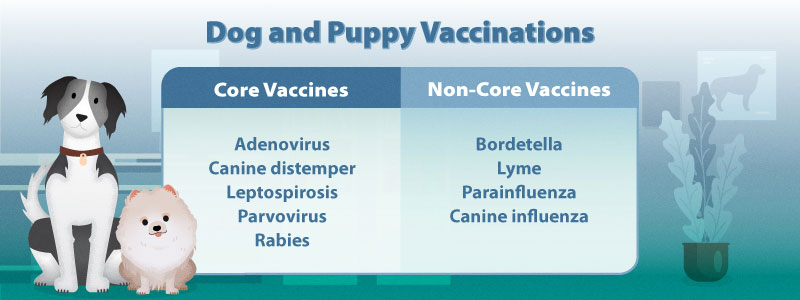
Tracking your dog’s vaccinations is vital for their long-term health. Follow-up care ensures vaccines remain effective. Proper records help your vet make the best decisions. Keep all information organized and accessible. This helps avoid missed shots and protects your dog from diseases.
Schedule Booster Shots
Vaccines wear off over time. Booster shots keep your dog protected. Your vet will tell you when to return. Mark the dates on a calendar. Set reminders on your phone. Don’t skip or delay booster appointments. Staying on schedule maintains your dog’s immunity.
Keep Vaccination Records Updated
Always update your dog’s vaccine records after each visit. Include the date, type of vaccine, and vet’s details. Store these records safely at home. Share copies with your dog’s groomer or boarding facility. Up-to-date records prevent confusion and ensure timely care. They are also needed for travel or competitions.
Frequently Asked Questions
What Are Common Side Effects After Dog Vaccination?
After dog vaccination, mild side effects are common. These include lethargy, mild fever, and swelling at the injection site. These symptoms typically resolve within a few days. If severe symptoms occur, like persistent vomiting or high fever, consult your veterinarian immediately.
Can My Dog Go Outside After Vaccination?
It’s advisable to limit outdoor activities immediately after vaccination. This allows your dog to rest and recover. Avoid strenuous activities and exposure to other dogs for at least a few days. This helps prevent potential infections and ensures a healthy immune response.
How Can I Comfort My Dog Post-vaccination?
Provide a quiet and comfortable space for your dog to rest. Offer plenty of water and their favorite treats. Monitor them for any adverse reactions, and give gentle affection to reassure them. Consult your vet if any unusual behavior occurs.
Should I Feed My Dog After Vaccination?
Yes, you can feed your dog after vaccination. However, monitor their appetite as some dogs might eat less. Offer smaller meals if they seem uninterested. Ensure they have access to fresh water at all times.
Conclusion
Caring for your dog after vaccination is very important. Watch for signs like swelling or tiredness. Keep your dog calm and avoid rough play. Give plenty of water and a quiet place to rest. Follow the vet’s advice carefully to keep your dog safe.
Small steps make a big difference in recovery. Your dog will feel better soon with proper care. Stay patient and gentle through this time. Healthy habits help your dog stay strong and happy.

Emily Barker is the founder of ChillDogLife.com, a space dedicated to helping pup parents discover the best dog products, lifestyle tips, and cozy ideas for happier homes.
A lifelong dog lover, Emily combines her passion for pets with a knack for research to share trusted recommendations on everything from toys and furniture to health and everyday care.
Her goal is simple: to make life easier, stylish, and more joyful for dogs and the people who love them.




