
Are you tired of seeing your dog scratch, lick, or suffer from constant skin irritation? If your furry friend struggles with allergies, you’re not alone—and finding relief can feel overwhelming.
But what if a simple addition to their diet, like salmon oil, could make a real difference? You’ll discover how salmon oil might help ease your dog’s allergy symptoms and improve their overall comfort. Keep reading to find out if this natural solution could be the key to your dog’s happier, itch-free life.

Credit: www.amazon.com
Salmon Oil And Dog Allergies
Salmon oil is popular as a natural supplement for dogs. Many owners use it to ease allergy symptoms in their pets. Allergies in dogs can cause itching, redness, and discomfort. Salmon oil may reduce these signs by supporting skin health and lowering inflammation. Understanding how salmon oil works helps in managing dog allergies better.
How Salmon Oil Affects Allergies
Salmon oil contains omega-3 fatty acids. These fats help reduce inflammation in the body. Inflammation often makes allergies worse in dogs. By lowering inflammation, salmon oil can ease itching and swelling. It also supports the skin’s barrier, protecting against irritants. Regular use may improve coat shine and skin moisture. This makes dogs feel more comfortable and less itchy.
Key Nutrients In Salmon Oil
- Omega-3 Fatty Acids:EPA and DHA reduce inflammation and improve skin health.
- Vitamin D:Supports immune system function and skin repair.
- Vitamin A:Helps maintain healthy skin and coat.
- Antioxidants:Protect skin cells from damage and promote healing.
These nutrients work together to support a dog’s overall skin condition. A healthy skin barrier can prevent allergens from causing reactions. Salmon oil offers natural support without harsh chemicals. It can be a helpful part of allergy care for dogs.
Common Dog Allergies
Dog allergies can be frustrating for both you and your furry friend. Understanding the common types of allergies and their signs can help you manage your dog’s discomfort effectively. Knowing what to look out for is the first step in improving your dog’s quality of life.
Types Of Allergies In Dogs
Dogs can develop allergies from various sources. The most common types include:
- Environmental Allergies:Caused by pollen, dust mites, mold, and grasses. These often trigger seasonal itching and sneezing.
- Food Allergies:Reactions to specific ingredients like beef, chicken, dairy, or grains. These can cause digestive issues and skin problems.
- Flea Allergy Dermatitis:A reaction to flea saliva that leads to intense itching and skin irritation.
Each allergy type requires a different approach to treatment and care. Have you noticed if your dog’s symptoms change with the seasons or after eating certain foods?
Symptoms To Watch For
Identifying allergy symptoms early helps you seek timely relief for your dog. Common signs include:
- Frequent scratching or biting at the skin
- Red, inflamed, or scaly skin
- Excessive licking of paws or face
- Recurrent ear infections or head shaking
- Hair loss or bald patches
- Sneezing, coughing, or watery eyes
Some symptoms might look like common irritation but could indicate a deeper allergy issue. Paying close attention to these signs can help you decide when to try supplements like salmon oil or consult your vet.
Benefits Of Salmon Oil For Dogs
Salmon oil offers many benefits for dogs, especially for those with allergies. It contains omega-3 fatty acids that support overall health. These healthy fats help reduce allergy symptoms and improve a dog’s well-being. Regular use of salmon oil can make a noticeable difference in your dog’s comfort and vitality.
Reducing Inflammation
Salmon oil is rich in EPA and DHA, types of omega-3 fatty acids. These fats help lower inflammation in the body. Inflammation often causes redness, swelling, and itching in allergic dogs. By reducing inflammation, salmon oil can ease these uncomfortable symptoms. This relief helps dogs feel better and move more freely.
Improving Skin Health
Many dogs with allergies suffer from dry, flaky, or irritated skin. Salmon oil helps by nourishing the skin from inside. It moisturizes and soothes itchy skin, reducing scratching and hair loss. A healthy skin barrier also protects dogs from allergens and infections. This leads to a shinier coat and less discomfort.
Boosting Immune Response
Omega-3 fatty acids in salmon oil support the immune system. A strong immune system can better manage allergic reactions. Salmon oil helps balance immune responses, preventing overreactions to harmless substances. This support reduces allergy flare-ups and promotes overall health.
Choosing The Right Salmon Oil
Choosing the right salmon oil for your dog can make a big difference in managing allergies effectively. Not all salmon oils are created equal, and selecting one with the right qualities ensures your furry friend gets the maximum benefit. Let’s look at what really matters when picking a salmon oil supplement.
Quality Indicators
Look for salmon oil that is labeled as wild-caught rather than farmed. Wild-caught oils tend to have higher levels of omega-3 fatty acids, which are key in reducing inflammation linked to allergies.
Check for purity certifications like “third-party tested” or “molecularly distilled.” These labels mean the oil is free from harmful toxins such as mercury or PCBs, which can harm your dog’s health.
Consider the freshness of the oil. Salmon oil can go rancid quickly, so products stored in dark, airtight containers are best. You might even notice a fresher smell, which is a good sign.
Dosage Recommendations
Dosage depends on your dog’s size and allergy severity. Small breeds generally need less than larger ones, but always start with the amount suggested on the packaging.
Consult your vet before adding salmon oil to your dog’s diet. They can help tailor the dose to avoid any side effects like upset stomach or greasy fur.
You can split the daily dose into two servings—morning and evening—to improve absorption and keep your dog comfortable.
Other Allergy Relief Tips
Salmon oil can help ease dog allergies, but other approaches also matter. Managing allergies often needs more than one solution. These tips can reduce your dog’s discomfort and improve their quality of life.
Dietary Changes
Changing what your dog eats can reduce allergy symptoms. Some dogs react to certain proteins or grains. Try a limited ingredient diet with novel proteins like duck or venison.
Adding omega-3 fatty acids from sources like salmon oil supports skin health. Avoid foods with artificial colors, flavors, or preservatives. Fresh, natural ingredients help lower allergic reactions.
Environmental Control
Controlling your dog’s environment reduces exposure to allergens. Keep your home clean by vacuuming often and washing bedding regularly. Use air purifiers to lower pollen and dust levels inside.
Limit your dog’s time in areas with high pollen or mold. After outdoor walks, wipe their paws and coat to remove allergens. Keeping your dog’s space dry helps prevent mold growth.
Veterinary Treatments
Veterinarians offer treatments that control allergy symptoms effectively. Antihistamines and corticosteroids can reduce itching and inflammation. Allergy shots or immunotherapy help build tolerance to allergens over time.
Your vet might suggest medicated shampoos to soothe irritated skin. Regular check-ups ensure the allergy plan fits your dog’s needs. Always follow your vet’s advice to keep your dog comfortable.
Potential Side Effects
Salmon oil is popular for helping with dog allergies, but it’s important to be aware of the potential side effects. Just like with any supplement, too much or the wrong type can cause problems. Knowing what to watch out for helps you keep your dog safe while trying to ease their discomfort.
Overuse Risks
Giving your dog too much salmon oil can lead to issues like diarrhea or greasy stools. It’s easy to think more is better, but excess omega-3 fatty acids can upset your dog’s digestive system. Also, too much oil might interfere with blood clotting, especially if your dog is on medication.
Have you noticed any unusual bleeding or bruising after starting salmon oil? That could be a sign to cut back and talk to your vet. Always follow the dosage recommendations on the product label or those given by your vet to avoid these risks.
Allergic Reactions To Salmon Oil
Even though salmon oil can help with allergies, some dogs might be allergic to the oil itself. Watch for signs like itching, swelling, or hives after introducing salmon oil. These reactions might look similar to your dog’s original allergies but are triggered by the supplement.
One dog owner shared how their pup’s itching got worse after starting salmon oil, which turned out to be an allergy to the fish oil. If your dog shows any new or worsening symptoms, stop the supplement and consult your vet immediately.
Could your dog’s allergy symptoms be linked to the supplement you’re giving? Paying close attention to how your dog reacts can make all the difference in managing their allergies safely.
Real-life Success Stories
Many dog owners have turned to salmon oil to ease their pets’ allergy symptoms, and their stories offer valuable insights. These real-life experiences highlight how salmon oil may reduce itching, redness, and discomfort in dogs facing allergies. Hearing directly from those who’ve tried it helps you understand its potential benefits beyond clinical claims.
Owner Experiences
Jessica noticed her Labrador constantly scratching and biting his paws. After adding salmon oil to his diet, the itching visibly decreased within two weeks. She shared that the soft coat and calmer behavior were unexpected bonuses.
Mark’s terrier had seasonal allergies that made outdoor walks miserable. He started giving salmon oil daily and saw a significant drop in redness and inflammation. He advises others to be patient and consistent, as results might take time.
Some owners mention mixing salmon oil with meals to mask the fishy taste, ensuring their dogs take it without fuss. Have you considered how easy adjustments like this could improve your dog’s allergy management?
Veterinarian Insights
Veterinarians often recommend omega-3 fatty acids found in salmon oil for their anti-inflammatory effects. Dr. Lee explains that these fatty acids can help improve skin barrier function, reducing allergy triggers.
However, vets also caution that salmon oil is not a standalone cure. It works best as part of a comprehensive allergy care plan, including diet changes and environmental management.
They stress monitoring your dog’s response carefully. If symptoms persist or worsen, professional advice is crucial. Could regular check-ins with your vet maximize the benefits of adding salmon oil to your dog’s routine?

Credit: www.amazon.com
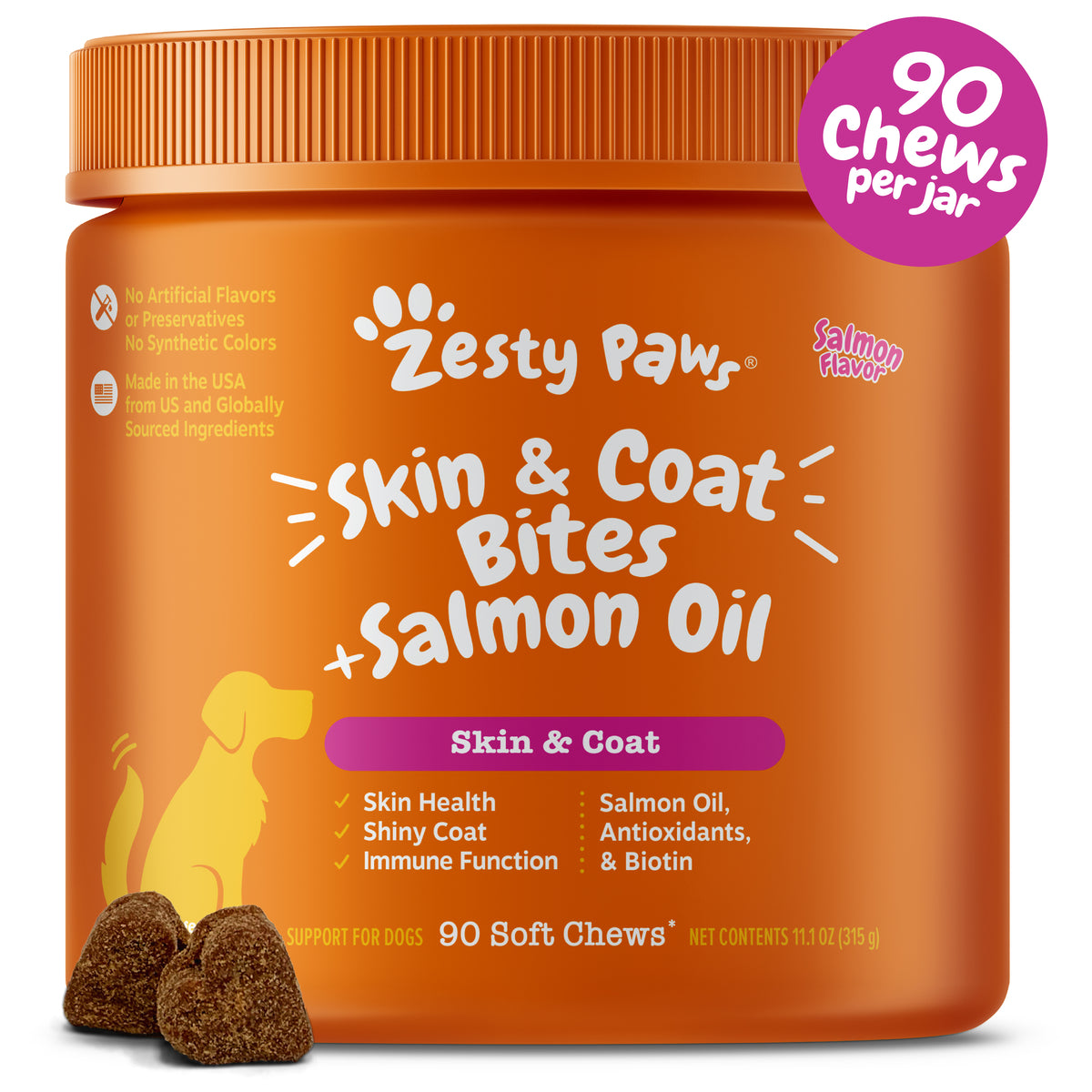
Credit: zestypaws.com
Frequently Asked Questions
How Does Salmon Oil Benefit Dogs With Allergies?
Salmon oil is rich in omega-3 fatty acids, which reduce inflammation and support skin health. It can alleviate itching and redness associated with allergies. Its anti-inflammatory properties help strengthen the immune system, providing relief for dogs with allergies.
Can Salmon Oil Reduce Itching In Dogs?
Yes, salmon oil can help reduce itching in dogs. Its omega-3 fatty acids soothe irritated skin, minimizing itchiness. Regular intake of salmon oil supports skin health, making it less prone to allergic reactions and itchiness.
Is Salmon Oil Safe For All Dog Breeds?
Salmon oil is generally safe for all dog breeds. However, always consult your veterinarian before introducing it. Some dogs may have specific dietary needs or allergies. Your vet can provide guidance on appropriate dosage and monitor any adverse reactions.
How Long Before Salmon Oil Shows Effects?
Effects of salmon oil can be noticed within a few weeks. Improvements in coat quality and reduced itching may appear gradually. Consistent supplementation helps maintain overall skin health and reduces allergic symptoms over time.
Conclusion
Salmon oil may help ease some dog allergy symptoms. It supports healthy skin and reduces itchiness. Many dogs show better coat shine and comfort. Results can vary depending on the dog and allergy type. Always check with your vet before starting new supplements.
Combining salmon oil with other treatments can improve your dog’s health. Small changes can make a big difference over time. Keep watching your dog’s reaction and adjust as needed. Simple care helps your furry friend feel their best.

Emily Barker is the founder of ChillDogLife.com, a space dedicated to helping pup parents discover the best dog products, lifestyle tips, and cozy ideas for happier homes.
A lifelong dog lover, Emily combines her passion for pets with a knack for research to share trusted recommendations on everything from toys and furniture to health and everyday care.
Her goal is simple: to make life easier, stylish, and more joyful for dogs and the people who love them.




