Are you planning to bring your dog with you to Canada? You might be wondering if your furry friend needs a health certificate to cross the border.
This is an important question because missing the right documents can cause delays or even stop your pet from entering. You’ll discover exactly when a health certificate is required, what it must include, and how to get it quickly. Keep reading to make sure your dog’s trip to Canada goes smoothly and stress-free.

Credit: www.dogster.com
Entry Rules For Dogs In Canada
Traveling with your dog to Canada requires meeting certain entry rules. These rules ensure your pet is healthy and safe for travel.
Knowing the needed documents and health checks helps avoid problems at the border. This guide explains what you need.
Basic Requirements
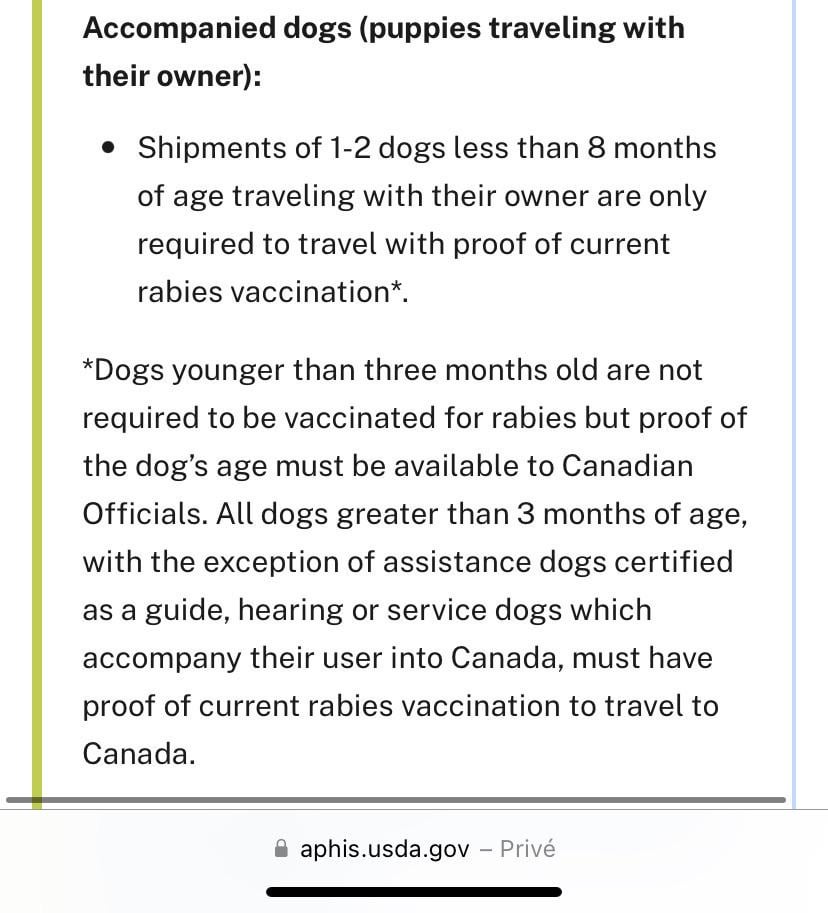
All dogs entering Canada must have proof of rabies vaccination. Dogs younger than three months are usually exempt.
- The rabies vaccine must be current and valid at entry time.
- Dogs must be free from signs of infectious diseases.
- Owners should carry a valid photo ID and proof of ownership.
Types Of Acceptable Documents
Canada accepts several documents to prove your dog’s health status. These documents vary depending on the country of origin.
| Document Type | Description |
| Rabies Vaccination Certificate | Shows date of vaccination and vaccine details. |
| Veterinary Health Certificate | Issued by a licensed vet, confirming pet’s health. |
| Import Permit | Required for dogs from certain countries. |
| Microchip Information | Identification for tracking the dog. |
What Is A Health Certificate?
A health certificate is an official document for your dog. It shows your pet is healthy and fit to travel.
This certificate is important when entering Canada with your dog. It helps border officials check your dog’s health quickly.
Purpose And Importance
The health certificate proves your dog is free from diseases. It also confirms vaccinations are up to date.
- Prevents the spread of animal diseases across borders
- Protects public health and local animals in Canada
- Shows your dog meets Canada’s import rules
- Makes border crossing faster and smoother
Who Issues It
A health certificate must be issued by a licensed veterinarian. The vet checks your dog’s health and signs the document.
| Issuer | Role |
| Licensed Veterinarian | Examines your dog and issues the certificate |
| Government Animal Health Authority | May approve or verify the certificate |
When Is A Health Certificate Needed?
If you want to bring your dog into Canada, you may need a health certificate. This certificate proves your dog is healthy and free from diseases.
Different travel methods have different rules about health certificates. Knowing when you need one can help you avoid problems at the border.
Traveling By Air
When flying into Canada with your dog, you usually need a health certificate. Airlines want proof that your pet is healthy before they allow boarding.
- The certificate must be issued by a licensed veterinarian.
- It should be dated within 10 days of your travel date.
- The certificate must state that your dog has no signs of disease.
- Some airlines may require additional documents or vaccinations.
Traveling By Land
Crossing the border by car or bus has different rules. You might not always need a health certificate for your dog.
| Travel Type | Health Certificate Required |
| Private Vehicle | Usually not required unless requested |
| Bus or Commercial Transport | Often required by the carrier |
| Commercial Shipment | Always required |
Exceptions To The Rule
Some dogs do not need a health certificate to enter Canada. These exceptions depend on the dog’s age, purpose, or origin.
- Puppies under three months old may be exempt.
- Service dogs accompanying their owners often have relaxed rules.
- Dogs coming from the United States usually need fewer documents.
- Temporary visits under 48 hours might not require a certificate.

Credit: www.ferndalekennels.com
Preparing Your Dog For Entry
Planning to take your dog to Canada? It’s important to prepare properly. Canada has specific rules for pets entering the country. Following these rules ensures a smooth entry for your furry friend.
This guide helps you understand what your dog needs before traveling. From vaccinations to timing, learn the steps to make your dog’s journey stress-free.
Vaccinations And Tests
Your dog must be healthy to enter Canada. Rabies vaccination is mandatory for dogs over three months old. Make sure the vaccine is up-to-date and administered by a licensed vet.
Some dogs might need additional tests. These tests depend on the dog’s health and where you are traveling from. It’s best to check with your vet for specific requirements.
- Rabies vaccination certificate
- Possible additional health tests
- Consult your veterinarian
Timing And Validity
Timing is crucial when preparing your dog for entry. The rabies vaccination must be given at least 30 days before entering Canada. This waiting period is necessary for the vaccine to take effect.
Health certificates must also be valid at the time of entry. Typically, a health certificate is valid for a short period. Make sure it covers the entire duration of your trip.
- Vaccination at least 30 days prior
- Check certificate validity
- Plan according to travel dates
How To Obtain A Health Certificate
If you want to bring your dog into Canada, you may need a health certificate. This certificate shows your pet is healthy and safe to travel. It helps border officials check that your dog meets Canada’s rules.
Getting a health certificate takes some steps. You must see a veterinarian and get the right tests and papers. This guide explains how to get your dog’s health certificate.
Choosing A Veterinarian
Find a licensed veterinarian who can issue a health certificate. The vet must be authorized to examine pets for travel. You can use your regular vet or find one near you.
Make sure the vet knows about Canada’s pet import rules. Ask if they have experience with health certificates for dogs traveling to Canada.
Required Examinations And Paperwork
The veterinarian will check your dog’s health carefully. This exam must happen close to your travel date, usually within 10 days. The vet looks for signs of illness or parasites.
You need these documents:
- Proof of rabies vaccination with valid dates
- General health exam report stating your dog is healthy
- Any other tests required by Canada, like parasite treatments
- Veterinarian’s signed health certificate form
Keep all papers ready to show at the border. The health certificate must include your dog’s details and your contact information.
Costs And Processing Time
Getting a health certificate for your dog to enter Canada involves some costs. You also need to plan for the processing time. This helps you avoid delays at the border.
Knowing these details helps you prepare your budget and schedule the trip better. The costs vary depending on the veterinary clinic and additional services.
Veterinary Fees
Veterinary fees cover the health check and certificate issuance. The vet will examine your dog and confirm it meets Canada’s requirements.
Prices differ by location and clinic but expect to pay for:
- Physical exam of your dog
- Rabies vaccination verification
- Issuance of the official health certificate
- Any required lab tests
Additional Expenses
Besides vet fees, there can be extra costs. These may include travel and document processing fees.
- Cost of obtaining rabies vaccination if needed
- Fees for lab tests or blood work
- Courier or mailing charges for certificate delivery
- Border inspection fees if applicable
Common Mistakes To Avoid
Traveling to Canada with your dog requires careful planning. A health certificate is a must. Avoid common mistakes to ensure a smooth entry.
Understanding the rules will help you prepare. Here are some mistakes to avoid when getting a health certificate for your dog.
Incomplete Documentation
Make sure all documents are complete. Missing information can cause problems at the border. Check your dog's health certificate carefully.
Contact your vet to confirm all details are correct. This includes vaccinations and other health requirements.
- Include all vaccination records
- Verify the vet’s signature
- Check for accurate dates
Late Preparation
Start the process early. Last-minute actions can lead to mistakes. Give yourself enough time to gather all documents.
Plan ahead to avoid stress. Early preparation ensures you have time to fix any errors.
- Schedule a vet visit in advance
- Allow time for document corrections
- Consider potential delays
Alternative Documentation Options
Traveling to Canada with your dog may require proof of health. A health certificate is one option. There are other documents that might also work to show your pet’s health status.
Knowing about alternative documents can help you prepare better. It ensures your dog meets Canada’s entry rules smoothly.
Pet Passports
A pet passport is an official document that contains your dog’s health and vaccination records. It is often accepted instead of a separate health certificate for entering Canada.
- Includes rabies vaccination details
- Shows recent health checks
- Records microchip or ID number
- Issued by licensed veterinarians or authorities
Microchip And Id Requirements
Canada requires dogs to have a microchip or another form of permanent ID. This helps confirm the dog’s identity and links to its health records.
| Requirement | Description |
|---|---|
| Microchip | Must be ISO-compliant and readable by standard scanners |
| Other ID | Includes tattoos or tags if microchip is not available |
| Registration | Microchip number must match health documents |
Border Inspection And Compliance
Traveling to Canada with your dog requires following certain rules. One important rule is about a health certificate. This document proves your dog is healthy and safe to enter Canada.
Border officers check your dog and documents carefully. They want to keep all animals and people safe. Knowing what to expect can help you prepare for a smooth entry.
What To Expect At The Border
When you arrive at the border, officers will ask for your dog’s health certificate. They may also check your dog’s vaccination records. They look for signs of illness or injury.
- Present your dog’s current health certificate.
- Show proof of rabies vaccination if required.
- Answer questions about your dog’s health and travel history.
- Allow a physical inspection of your dog.
- Declare any other animals or animal products you carry.
Possible Consequences Of Non-compliance
If you do not follow the rules, border officers can take action. This can cause delays, extra costs, or refusal of entry.
| Non-Compliance Issue | Possible Result |
| No health certificate | Entry denied or quarantine |
| Expired or incomplete documents | Detention or fines |
| Signs of illness in dog | Veterinary check or quarantine |
| False or misleading information | Fines or legal action |

Credit: www.anchoragepettravelcertificates.com
Frequently Asked Questions
Does My Dog Need A Health Certificate To Enter Canada?
Yes, Canada requires a valid health certificate for dogs entering the country. This certificate proves your dog is healthy and free from contagious diseases. It must be issued by a licensed veterinarian within 10 days before entry.
What Information Is On A Dog’s Health Certificate?
A dog’s health certificate includes the pet’s identification details, vaccination records, and a vet’s statement of good health. It confirms the dog is free from parasites and contagious diseases, meeting Canada’s import requirements.
How Recent Must The Health Certificate Be For Canada Entry?
The health certificate must be issued within 10 days before your dog’s arrival in Canada. This ensures the information is current and your pet meets Canada’s health standards for entry.
Are Additional Documents Required Besides The Health Certificate?
Yes, aside from the health certificate, proof of rabies vaccination is mandatory for dogs entering Canada. Some provinces may require extra documentation, so check specific regional rules before traveling.
Conclusion
Traveling to Canada with your dog needs planning. A health certificate often plays a key role. It proves your dog is healthy and safe to enter. Without it, your pet may face delays or extra checks. Visit a vet before traveling and get the certificate early.
This step helps avoid problems at the border. Keep your dog’s paperwork ready and updated. Safe travel starts with good preparation. Your furry friend deserves a smooth trip to Canada.

Emily Barker is the founder of ChillDogLife.com, a space dedicated to helping pup parents discover the best dog products, lifestyle tips, and cozy ideas for happier homes.
A lifelong dog lover, Emily combines her passion for pets with a knack for research to share trusted recommendations on everything from toys and furniture to health and everyday care.
Her goal is simple: to make life easier, stylish, and more joyful for dogs and the people who love them.




