
Have you ever wondered if all neighborhoods truly welcome your furry friend with open arms? Imagine stepping outside and finding a safe, fun space where your dog can run, play, and make new friends.
Dog parks are more than just patches of grass—they’re places that bring joy to your pet and peace of mind to you. But do all communities offer this kind of haven? Keep reading to discover the surprising truth about dog parks and what it means for you and your loyal companion.

Credit: www.reddit.com
What Are Dog Parks
Dog parks are special outdoor spaces made for dogs to play and exercise freely. These parks offer a safe, fenced area where dogs can run off-leash. Dog parks help dogs socialize with other dogs and people. They also give owners a place to meet and share pet care tips. Many communities have dog parks to support pet health and happiness.
Features Of Dog Parks
- Fenced areas to keep dogs safe
- Separate zones for small and large dogs
- Benches and shaded spots for owners
- Waste disposal stations with bags and bins
- Open spaces for running and playing
- Water fountains for dogs and owners
Popularity Among Pet Owners
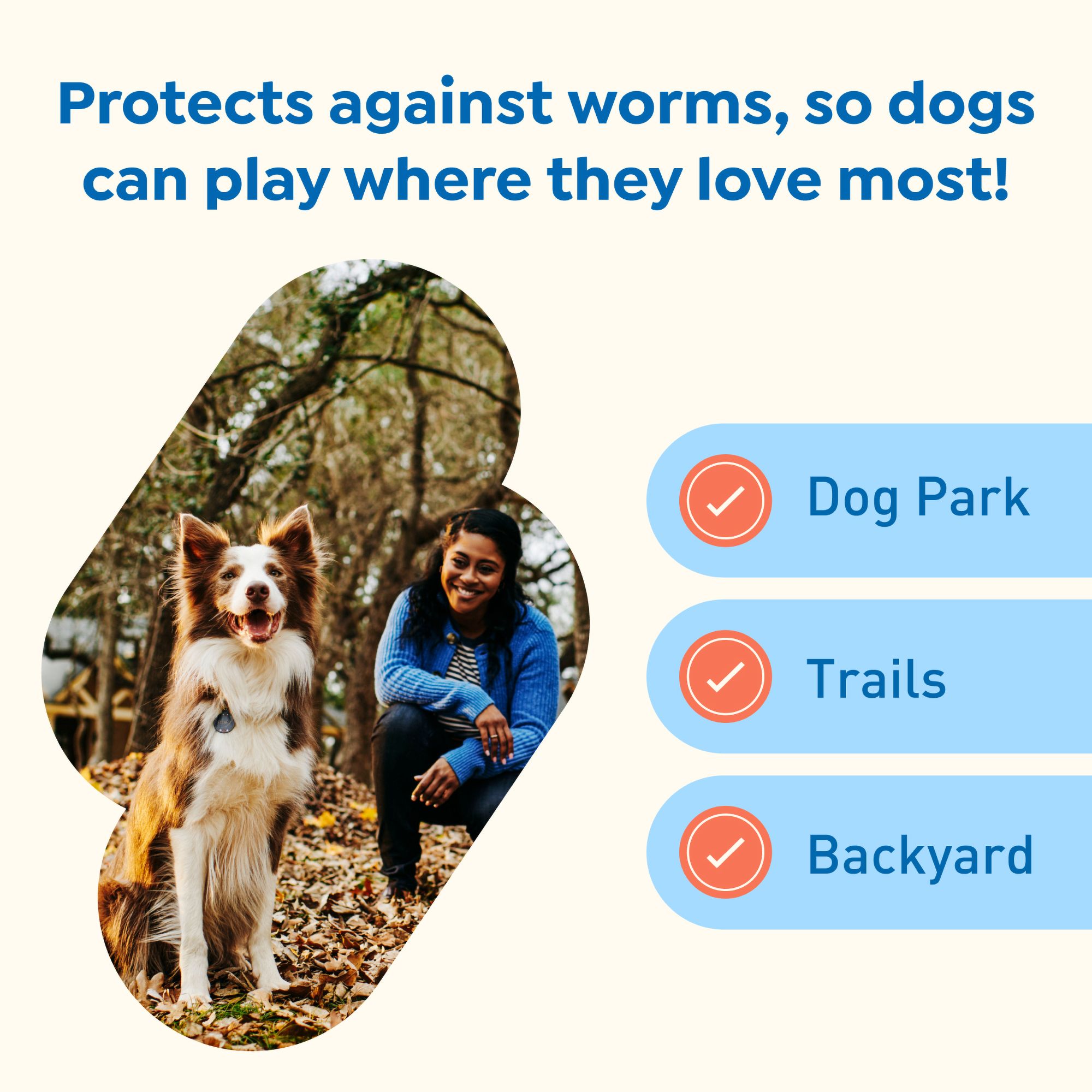
Dog parks are popular places for pet owners. They offer a chance to exercise dogs outside the home. Many owners enjoy meeting others who love dogs. These parks create a friendly community for pets and people. Regular visits help dogs stay active and healthy. Dog parks also reduce stress for both dogs and owners.
Credit: www.petsmart.com
Do All Communities Have Dog Parks
Not every community has a dog park. The availability depends on many factors. Dog parks need space, funding, and community support. These elements vary greatly between places. Some communities prioritize dog-friendly spaces, while others focus on different needs.
Urban Vs Rural Availability
Urban areas often have dog parks due to dense populations. People living in apartments need safe outdoor spaces for their dogs. City parks may include fenced areas for dogs to run freely. Space limits can restrict how many dog parks exist in cities.
Rural communities usually have more open land. Dogs can roam in large yards or open fields. Dog parks may be less common because dogs already have space to play. Rural areas might not build formal dog parks often.
Factors Influencing Presence
- Population size:Larger populations often demand dog parks.
- Local government support:Budget and policies affect dog park creation.
- Community interest:Active dog owners push for dog parks.
- Available land:Space limits where dog parks can fit.
- Maintenance costs:Parks need funds for upkeep and safety.
These factors combine to decide if a dog park exists. Each community’s needs and resources differ greatly. Dog parks thrive best where people and governments work together.
Benefits Of Dog Parks
Dog parks offer many advantages beyond simple playtime. They create safe spaces where dogs can enjoy fresh air and freedom. These parks help dogs grow healthy and happy. Owners also find value in these communal areas.
Socialization For Dogs
Dog parks help dogs meet and interact with other dogs. Social skills improve as dogs learn to communicate and play. These interactions reduce anxiety and fear around new animals. Friendly encounters teach dogs how to behave in groups.
Exercise And Health
Dogs get plenty of exercise running and playing off-leash. Physical activity supports strong muscles and joints. Regular exercise lowers the risk of obesity and related diseases. It also boosts dogs’ mood and energy levels.
Community Interaction
Dog parks bring neighbors together in a relaxed setting. Owners share stories and tips about dog care. These parks build friendships and a sense of belonging. They create safe places for dogs and people to enjoy.
Challenges With Dog Parks
Dog parks offer great social opportunities for your furry friend, but they come with their own set of challenges that every pet owner should know. Understanding these issues helps you decide if a dog park fits your lifestyle and your dog’s needs.
Safety Concerns
Not all dog parks guarantee a safe environment. Fights can break out between dogs if they are not well-socialized or if owners don’t closely supervise. Have you ever noticed how some dogs react differently around others? This unpredictability means you should always watch your dog closely and be ready to step in.
Physical hazards also exist. Broken fences, sharp objects, or uneven ground can cause injuries. Checking the park’s condition before letting your dog off-leash is a smart move.
Maintenance And Cleanliness
Cleanliness is a major concern at many dog parks. Some owners don’t pick up after their dogs, which creates an unhealthy environment. This can lead to the spread of parasites and diseases that affect your pet’s health.
Regular maintenance by park management varies widely. You might find some parks well-kept, while others look neglected. How often do you check your local dog park’s cleanliness? Bringing your own waste bags and hand sanitizer can help you stay safe.
Behavioral Issues
Dog parks can sometimes make behavioral problems worse. Dogs that are aggressive or overly shy might struggle in a busy, noisy environment. If your dog shows signs of stress or aggression, the park might not be the best place for them.
Watching how your dog interacts with others is key. If you notice growling, excessive barking, or avoidance, consider alternative social activities. Have you tried smaller playdates or training classes instead?
Alternatives To Dog Parks
Not every neighborhood has a dog park nearby. Still, dogs need places to run and play. Many dog owners find other ways to keep their pets active and happy. These alternatives offer safe and fun spaces for dogs to explore and socialize.
Private Yards And Spaces
Having a private yard gives dogs a secure place to roam freely. Owners can set up toys and obstacles to keep their pets entertained. Even small yards become great spots for quick play sessions. Privacy means fewer distractions and more control over the environment. This option works well for dogs that prefer calm, familiar settings.
Dog Walking Services
Dog walking services provide regular exercise and fresh air. Professional walkers know how to handle different dog breeds and sizes. Walks often include social time with other dogs in safe areas. This service suits busy owners who want their dogs to stay active. It also helps dogs stay calm and healthy throughout the day.
Pet-friendly Trails
Many parks and nature areas welcome dogs on leashes. Trails offer varied terrain for mental and physical stimulation. Dogs enjoy new smells, sights, and sounds on these paths. Owners get the chance to explore new places with their pets. Trails also encourage long walks that improve stamina and mood for both.
Credit: m.yelp.com
How To Advocate For Dog Parks
Advocating for dog parks requires more than just a love for pets—it takes action and collaboration. You can play a vital role in creating spaces where dogs and their owners feel welcome and safe. The key is to engage your community, work closely with local authorities, and gather support through fundraising.
Community Engagement
Start by connecting with fellow dog owners and neighbors. Ask questions like, “What features would make a dog park useful for you?” or “How far would you travel to use a local park?”
Organize informal meetups or online groups to discuss ideas. Sharing stories about your dog’s need for a safe place to play can inspire others to join your cause.
Remember, people support what they feel involved in. Hosting a community survey or a fun event can build momentum and show there’s real interest.
Working With Local Authorities
Reach out to your city council or parks department early. Understanding their process and priorities helps you tailor your proposal effectively.
Bring concrete data from your community engagement efforts. Numbers and testimonials show that the demand for a dog park is genuine and well-supported.
Attend public meetings and don’t hesitate to speak up. Personal stories about your dog’s health and social needs can make a strong impression on decision-makers.
Fundraising And Support
Funding is often the biggest hurdle, but there are creative ways to raise money. Host bake sales, dog-friendly events, or crowdfunding campaigns.
Partner with local businesses, especially pet stores or vets. They might sponsor your project or donate supplies in exchange for community exposure.
Keep your supporters updated with progress reports and thank-you notes. This keeps enthusiasm high and encourages ongoing involvement.
Future Trends In Dog Parks
The future of dog parks is shaping up to be more exciting and user-focused than ever. As communities recognize the value of safe, fun spaces for dogs and their owners, new trends are emerging to meet evolving needs. These advancements promise to make dog parks not just places to play, but hubs of connection and innovation.
Innovative Designs
Designers are moving beyond simple fenced areas to create dynamic environments that stimulate dogs physically and mentally. Imagine parks with agility courses, water features, and shaded rest zones tailored for different dog sizes and energy levels.
One park I visited recently had separate zones for puppies and senior dogs, which made it easier for owners to feel comfortable letting their pets explore. Could your local park benefit from similar thoughtful layouts?
Technology Integration
Technology is becoming a key player in enhancing safety and engagement at dog parks. Apps that monitor park occupancy help you avoid overcrowded times, while smart gates and surveillance systems ensure your dog’s security.
Some parks now use sensors to track dog activity and alert owners if their pet strays too far. Would you trust technology to keep your furry friend safer while you relax or socialize?
Inclusive Spaces
Dog parks are increasingly designed to welcome everyone, including people with disabilities and those who may not own dogs but enjoy the atmosphere. Features like wheelchair-accessible paths and seating areas encourage community interaction.
Creating spaces that consider all users fosters a stronger neighborhood bond. How might your community benefit if dog parks became more inclusive and inviting for all residents?
Frequently Asked Questions
Do All Cities Have Dog Parks?
Not all cities have dog parks, but many are adding them. Dog parks provide a space for dogs to exercise and socialize. Urban areas are more likely to have them due to higher demand. Always check local resources or community boards for the nearest dog park locations.
Why Are Dog Parks Important For Dogs?
Dog parks are important for physical and mental stimulation. They offer a safe environment for dogs to run freely. Social interactions at parks improve dogs’ behavior and social skills. Regular visits can reduce anxiety and boredom. Access to dog parks benefits both dogs and their owners.
How Do Dog Parks Benefit Dog Owners?
Dog parks offer exercise opportunities for both dogs and owners. They provide a community space to meet fellow dog lovers. Owners can exchange tips and advice on dog care. Social interactions can lead to friendships. Access to dog parks enhances the overall dog-owning experience.
What Should I Consider Before Visiting A Dog Park?
Before visiting a dog park, ensure your dog is vaccinated and well-behaved. Check the park’s rules and regulations. Bring essentials like water, leash, and waste bags. Monitor your dog’s interactions and recall them if needed. Be mindful of other dogs’ behaviors and maintain a positive environment.
Conclusion
Not every love has a dog park nearby. Some places offer wide open spaces for dogs to play. Others rely on small yards or walks around the neighborhood. Dog parks bring dogs and owners together. They help dogs socialize and get exercise.
Still, love for dogs grows anywhere people care. Every dog deserves attention and time, no matter the setting. Finding ways to enjoy time with dogs matters most. Love can thrive with or without a dog park. It’s the bond that truly counts.

Emily Barker is the founder of ChillDogLife.com, a space dedicated to helping pup parents discover the best dog products, lifestyle tips, and cozy ideas for happier homes.
A lifelong dog lover, Emily combines her passion for pets with a knack for research to share trusted recommendations on everything from toys and furniture to health and everyday care.
Her goal is simple: to make life easier, stylish, and more joyful for dogs and the people who love them.




