
Are you wondering if you can use dog shampoo on your horse? It’s a question many horse owners ask, especially when they want to keep their animals clean without buying extra products.
Using the wrong shampoo might seem harmless, but it can affect your horse’s skin and coat more than you think. You’ll discover the important facts about using dog shampoo on horses. By the end, you’ll know exactly what’s safe for your horse and what to avoid.
Keep reading to protect your horse’s health and keep their coat looking its best!

Credit: www.amazon.com
Differences Between Dog And Horse Skin
Understanding the differences between dog and horse skin is essential before using any shampoo. Both animals have unique skin types that need special care. Using the wrong shampoo can cause irritation or dryness. Horse skin is thicker and has different oil production compared to dog skin. This affects how shampoos interact with their skin and coat. Let’s explore the key differences.
Skin Ph Levels
Dogs have a skin pH that is more acidic, usually around 6.2 to 7.4. Horses have a slightly higher pH, closer to 7.5 to 8.5, which is more alkaline. Shampoos made for dogs are balanced for their acidic skin. Using dog shampoo on horses can disrupt their natural pH balance. This may lead to dryness or irritation in horses.
Coat Texture And Thickness
Dogs have fur that varies in length and density depending on the breed. Horse coats are generally thicker and have a different structure. Horse hair is coarser and denser to protect against weather elements. Dog shampoos may not clean horse coats effectively or may leave residue. Specialized horse shampoos are designed to penetrate and clean thicker coats better.
Sensitivity And Allergies
Both dogs and horses can have sensitive skin or allergies. Horse skin is more prone to reactions from harsh chemicals. Dog shampoos may contain ingredients safe for dogs but irritating to horses. Signs of irritation include itching, redness, or flaking. It is important to use products formulated for horses to avoid allergic reactions.

Credit: www.amazon.se
Ingredients In Dog Shampoo
Understanding the ingredients in dog shampoo is crucial before considering its use on horses. These shampoos are formulated specifically for a dog’s skin and coat, which differ significantly from those of horses. Let’s dive into what typically goes into dog shampoo and why these ingredients may not be suitable for your equine friend.
Common Chemicals Used
Dog shampoos often contain surfactants like sodium lauryl sulfate, which help create a rich lather and remove dirt efficiently. They also include conditioning agents such as glycerin to keep the coat soft and moisturizers to prevent dryness.
Other common ingredients are fragrances and preservatives, designed to improve scent and shelf life. Some shampoos may also have antibacterial or antifungal components tailored to dog skin conditions.
Potential Irritants For Horses
Many chemicals safe for dogs can irritate horse skin. For instance, sodium lauryl sulfate can strip natural oils from a horse’s coat, causing dryness and itchiness.
Fragrances and certain preservatives can trigger allergic reactions in horses, leading to redness or swelling. Horses have more sensitive and thicker skin, so ingredients that are mild for dogs might be harsh on them.
Benefits For Dogs Only
Dog shampoos are designed to balance the pH of dog skin, which is more acidic than that of horses. This pH balance helps maintain a healthy coat and skin condition specifically for dogs.
Additionally, ingredients targeting flea and tick prevention or treatment in dogs won’t necessarily work or be safe for horses. Your dog’s shampoo serves your dog best—horses require products made for their unique skin and coat needs.
Risks Of Using Dog Shampoo On Horses
Using dog shampoo on horses might seem like a convenient option, but it carries certain risks that could harm your horse’s skin and coat. Horses have different skin pH and coat needs compared to dogs, so what works for one might not suit the other. Understanding these risks helps you make safer choices for your horse’s grooming routine.
Skin Irritation And Dryness
Dog shampoos often contain ingredients that can be too harsh for a horse’s sensitive skin. These products might strip away natural oils, leaving your horse’s skin dry and flaky. I once tried a dog shampoo on my horse during a trip, and within hours, the skin started to look irritated and itchy. Would you want to cause discomfort to your horse just to save a few minutes?
Impact On Coat Health
Horses need shampoos that support their unique coat texture and promote natural shine. Dog shampoos may not have the right balance of moisturizing agents, leading to a dull, rough coat instead of a glossy one. Over time, this can weaken the hair and make your horse’s coat more prone to damage. Have you noticed your horse’s coat losing its luster after using an unfamiliar shampoo?
Possible Allergic Reactions
Just like humans, horses can be allergic to certain chemicals or fragrances found in dog shampoos. Signs of an allergic reaction include redness, swelling, or bumps on the skin. If you spot these symptoms after washing, it’s a clear sign that the shampoo isn’t safe for your horse. Why risk an allergic reaction when there are products specifically designed for equine care?
When Dog Shampoo Might Be Used On Horses
There are times when you might wonder if dog shampoo can be used on horses. While it’s not a regular choice, certain situations might call for it. Understanding when and how to use dog shampoo on horses can help you make quick decisions without harming your animal.
Emergency Situations
Imagine you’re out on a trail, and your horse gets covered in mud or something sticky. You don’t have horse shampoo with you, but your dog shampoo is available. In such cases, using dog shampoo briefly can help clean your horse and prevent skin irritation from dirt or debris.
Another emergency might be if your horse gets into a minor skin infection or parasites and you have a medicated dog shampoo that targets those issues. Using it temporarily could ease discomfort until you get proper equine care products.
Short-term Use Guidelines
If you decide to use dog shampoo on your horse, keep it short-term. Wash the horse thoroughly and rinse well to avoid residue build-up. Limit use to one or two washes at most to prevent drying out the horse’s skin.
Always dilute the shampoo with water to reduce its strength. Using a small amount can make a big difference in protecting your horse’s natural oils. Think of it as a quick fix, not a regular routine.
Precautions To Take
- Check the ingredients for anything toxic or harsh, like strong fragrances or chemicals.
- Test the shampoo on a small patch of your horse’s skin first to watch for any allergic reaction.
- Avoid shampoos with flea treatments or insecticides meant for dogs, as these can harm horses.
- Always follow up with a moisturizing conditioner or grooming oil to restore skin balance.
Have you ever faced a situation where you needed an unexpected solution for your horse’s grooming? Using dog shampoo might seem odd, but with caution, it can be a useful tool in a pinch.
Best Alternatives To Dog Shampoo For Horses
Choosing the right shampoo for horses matters. Dog shampoos may harm a horse’s skin and coat. Horses have different pH levels and skin sensitivity than dogs. Using the best alternatives helps keep your horse healthy and shiny.
Equine-specific Shampoos
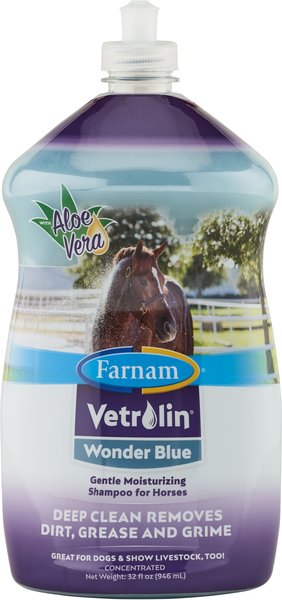
Equine-specific shampoos are made just for horses. They match the horse’s skin pH and protect the coat. These shampoos clean gently without drying the skin. Many also contain ingredients to soothe irritation or repel insects. Using products designed for horses reduces the risk of skin problems.
Natural And Homemade Options
Natural shampoos offer gentle cleaning with fewer chemicals. Ingredients like oatmeal, aloe vera, and apple cider vinegar calm the skin. Homemade mixes can include mild castile soap and essential oils safe for horses. These options suit horses with sensitive skin or allergies. They clean well while supporting skin health.
Choosing The Right Product
Pick a shampoo that fits your horse’s coat type and needs. Consider if your horse has dry, oily, or sensitive skin. Look for products free from harsh chemicals and strong fragrances. Always test a small area first to check for reactions. Proper shampoo choice keeps your horse comfortable and looking great.
Tips For Bathing Horses Safely
Bathing your horse safely is key to keeping their coat healthy and shiny. It’s not just about getting them clean but doing it in a way that protects their skin and overall well-being. Let’s dive into some essential tips that make horse bathing safe and effective for you and your equine friend.
Proper Washing Techniques
Start by rinsing your horse with lukewarm water to loosen dirt and sweat. Use a gentle, horse-specific shampoo if possible, since their skin is sensitive and different from dogs or humans. Apply shampoo in small amounts and work it in with your hands or a soft sponge, focusing on areas like the mane, tail, and legs.
Be careful around the eyes, ears, and nose—avoid getting water or soap in these spots. Rinse thoroughly to remove all shampoo, as leftover residue can cause irritation. Have you noticed your horse’s reaction when shampoo isn’t fully rinsed? It often leads to itching or discomfort.
Frequency Of Baths
Bathing too often can strip your horse’s coat of natural oils, leading to dry skin. Most horses only need a bath once every few weeks unless they get especially dirty or sweaty. Consider your horse’s lifestyle and weather conditions—hot summer days might require more frequent rinses, but cold weather means less bathing.
Ask yourself: Does your horse really need a full bath, or would a quick rinse or brushing suffice? Over-bathing can do more harm than good, so balance is key.
Post-bath Care
After the bath, use a sweat scraper to remove excess water and speed up drying. Avoid leaving your horse wet in cold or windy conditions to prevent chills. Once dry, brushing helps remove loose hair and stimulates natural oils for a glossy coat.
Check their skin for any signs of irritation or dryness and apply moisturizers or conditioners if needed. How often do you inspect your horse’s skin after bathing? This step can prevent small issues from turning into bigger problems.
Credit: www.chewy.com
Frequently Asked Questions
Is Dog Shampoo Safe For Horses?
Dog shampoo may not be ideal for horses. Horses have different skin pH levels compared to dogs. Using dog shampoo can lead to skin irritation or dryness. It’s best to use shampoos specifically formulated for equine use to ensure your horse’s skin and coat are properly cared for.
What Are The Risks Of Using Dog Shampoo?
Using dog shampoo on horses can cause skin irritation or allergic reactions. Dog shampoos often contain ingredients suited for canine skin, which differs from equine skin. These differences can lead to discomfort or skin issues. Always opt for equine-specific products to prevent potential problems and ensure optimal care.
Can Dog Shampoo Cause Allergies In Horses?
Yes, dog shampoo can cause allergies in horses. Horses have sensitive skin and require specific formulations. Ingredients in dog shampoos may lead to allergic reactions or irritation. Always choose horse-specific shampoos to avoid unwanted skin issues and ensure your horse’s comfort and health.
Why Is Horse Shampoo Recommended Over Dog Shampoo?
Horse shampoo is tailored to meet equine skin needs. It maintains their skin’s natural pH balance and prevents irritation. Using horse-specific products ensures optimal health and care for their skin and coat. Dog shampoos lack these specific formulations, making them less suitable for horses.
Conclusion
Using dog shampoo on horses is not a good idea. Horses have sensitive skin and need special care. Dog shampoo can cause dryness or irritation. Always choose products made for horses. These keep their coat healthy and shiny. Caring for your horse’s skin helps avoid problems.
Remember, what works for dogs may harm horses. Keep your horse comfortable with the right shampoo. Simple care makes a big difference in their health. Choose wisely and protect your horse’s well-being.

Emily Barker is the founder of ChillDogLife.com, a space dedicated to helping pup parents discover the best dog products, lifestyle tips, and cozy ideas for happier homes.
A lifelong dog lover, Emily combines her passion for pets with a knack for research to share trusted recommendations on everything from toys and furniture to health and everyday care.
Her goal is simple: to make life easier, stylish, and more joyful for dogs and the people who love them.




