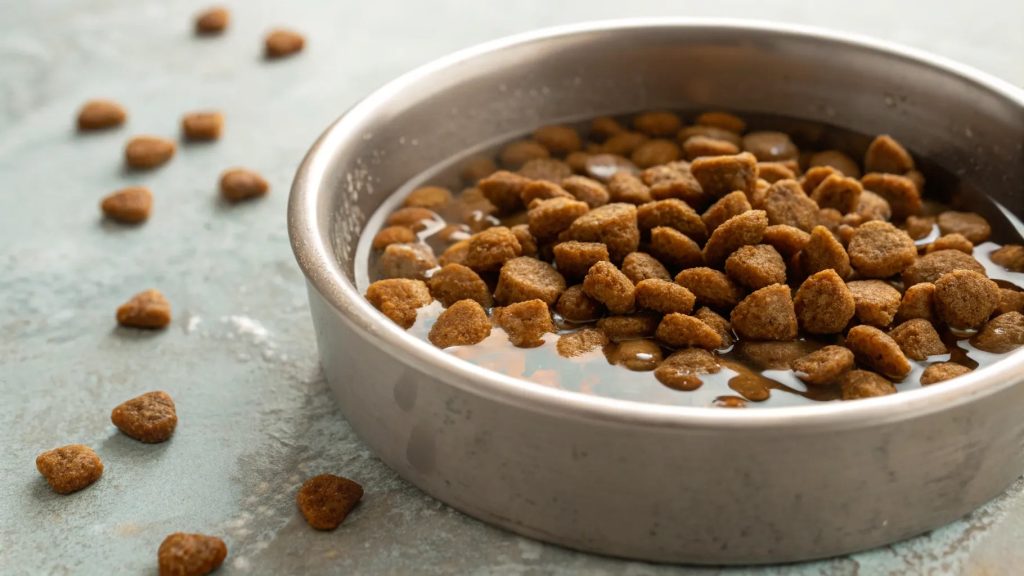
If you’ve ever watched your dog struggle to chew hard kibble, you might wonder, can you soften dog kibble? Maybe your furry friend has dental issues, is a picky eater, or just prefers something gentler on their teeth.
Finding an easy way to make their meals more enjoyable can make a big difference in their happiness and health. You’ll discover simple, safe methods to soften dog kibble and why it might be the change your pet needs. Keep reading to learn how to make mealtime easier and more delicious for your best friend.

Credit: www.houndsy.com
Why Soften Dog Kibble
Softening dog kibble might seem like a small change, but it can make a big difference in your dog’s daily eating experience. Whether your dog is a picky eater or has special health needs, softened kibble offers practical benefits that can improve mealtime. You might wonder why this simple step is worth trying—let’s break down the key reasons.
Benefits For Picky Eaters
Dogs can be choosy about their food textures. Softening kibble adds moisture, making the food smell stronger and taste more appealing. This can entice even the most stubborn eaters to finish their meals.
If your dog often leaves dry kibble untouched, softening it can help. Adding warm water or broth transforms the crunchy pieces into a more palatable texture that dogs often prefer. Have you noticed your dog’s enthusiasm change just by tweaking the texture?
Improving Digestion
Softened kibble breaks down easier in the stomach, which can help your dog digest food more efficiently. This can be especially important for puppies, senior dogs, or those with sensitive stomachs.
When kibble is easier to chew and swallow, it reduces the chance of digestive upset or choking. Soft food also allows nutrients to absorb better, supporting your dog’s overall health. Could a simple change in kibble preparation improve your dog’s digestion?
Easing Dental Issues
Dental problems can make chewing dry kibble painful for dogs. Softening the food can relieve discomfort and encourage consistent eating without stress.
For dogs with missing teeth, sensitive gums, or recovering from dental surgery, softened kibble is gentle and safe. This approach helps maintain nutrition without forcing your dog to endure pain. How might softening kibble improve your dog’s quality of life during dental recovery?
Safe Soften Methods
Softening dog kibble can make mealtime easier, especially for puppies, senior dogs, or those with dental issues. Choosing safe methods is crucial to keep your pet healthy while improving their eating experience. Here are some simple and effective ways to soften kibble without compromising nutrition or safety.
Using Warm Water
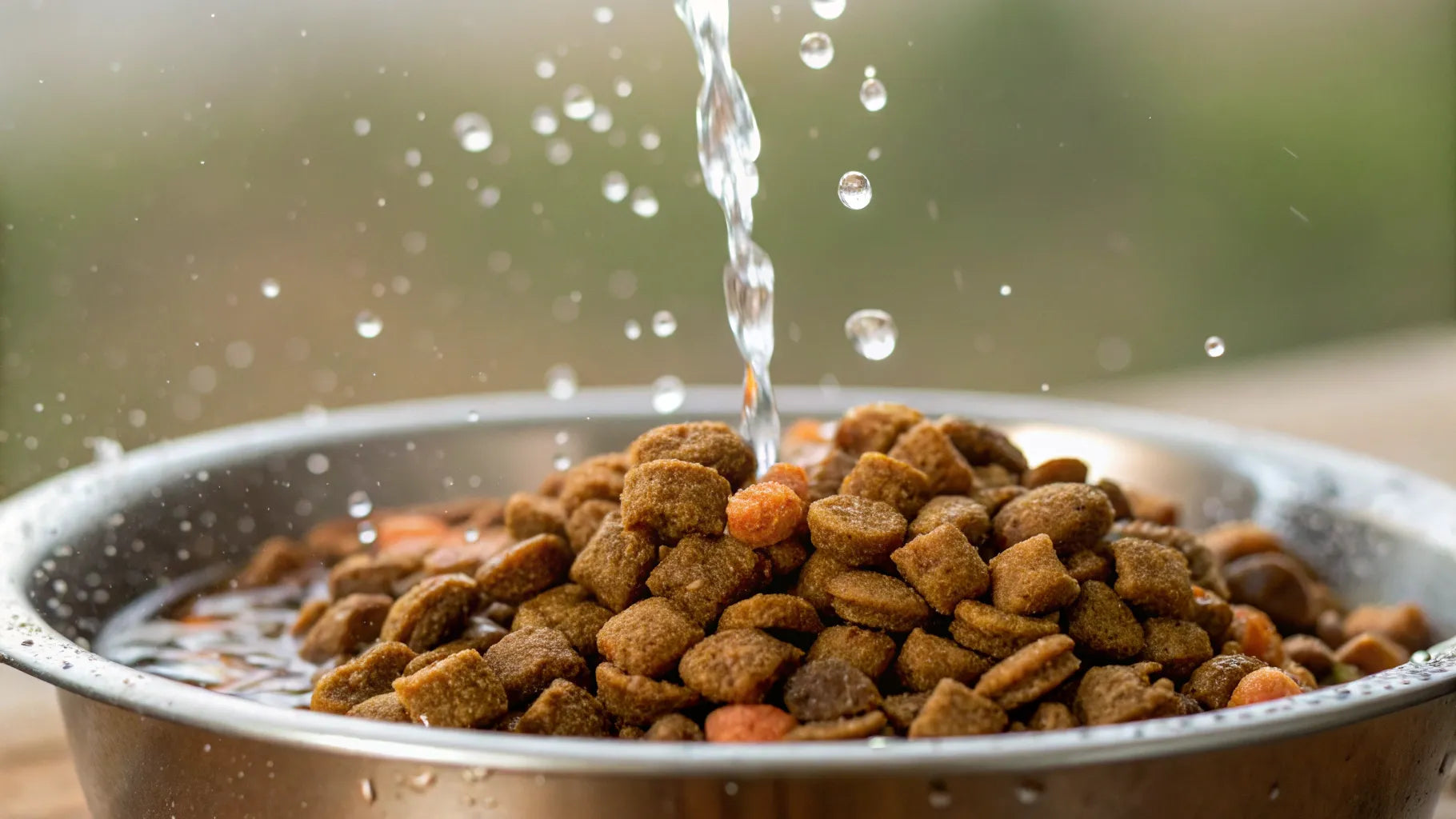
Adding warm water to kibble is one of the easiest ways to soften it. Warm water helps break down the dry pieces, making them gentler on your dog’s teeth and easier to chew.
Make sure the water is just warm, not hot, to avoid burning your dog’s mouth. Let the kibble soak for about 5 minutes until it reaches the right softness.
Adding Broth Or Wet Food
Mixing kibble with low-sodium broth or wet dog food adds moisture and flavor, encouraging picky eaters to finish their meals. Broth also provides extra hydration, which benefits your dog’s digestion.
Check the ingredients to avoid harmful additives like onions or excessive salt. This method can transform a dry meal into a tasty, soft feast your dog will appreciate.
Mixing With Baby Food
Plain baby food, especially varieties like pureed pumpkin or sweet potato, can gently soften kibble while adding nutrients. It’s a quick fix for dogs needing softer food without switching diets.
Always choose baby food without onion, garlic, or other ingredients toxic to dogs. This option is particularly helpful during illness or recovery when your dog’s appetite needs a boost.
Homemade Soften Recipes
Softening dog kibble at home can be a game-changer, especially if your furry friend prefers a gentler texture or needs an easier-to-chew meal. Homemade soften recipes give you control over what goes into your dog’s food, ensuring it’s both tasty and nutritious. These simple recipes can turn dry kibble into a delightful dish your dog looks forward to.
Simple Kibble Mash
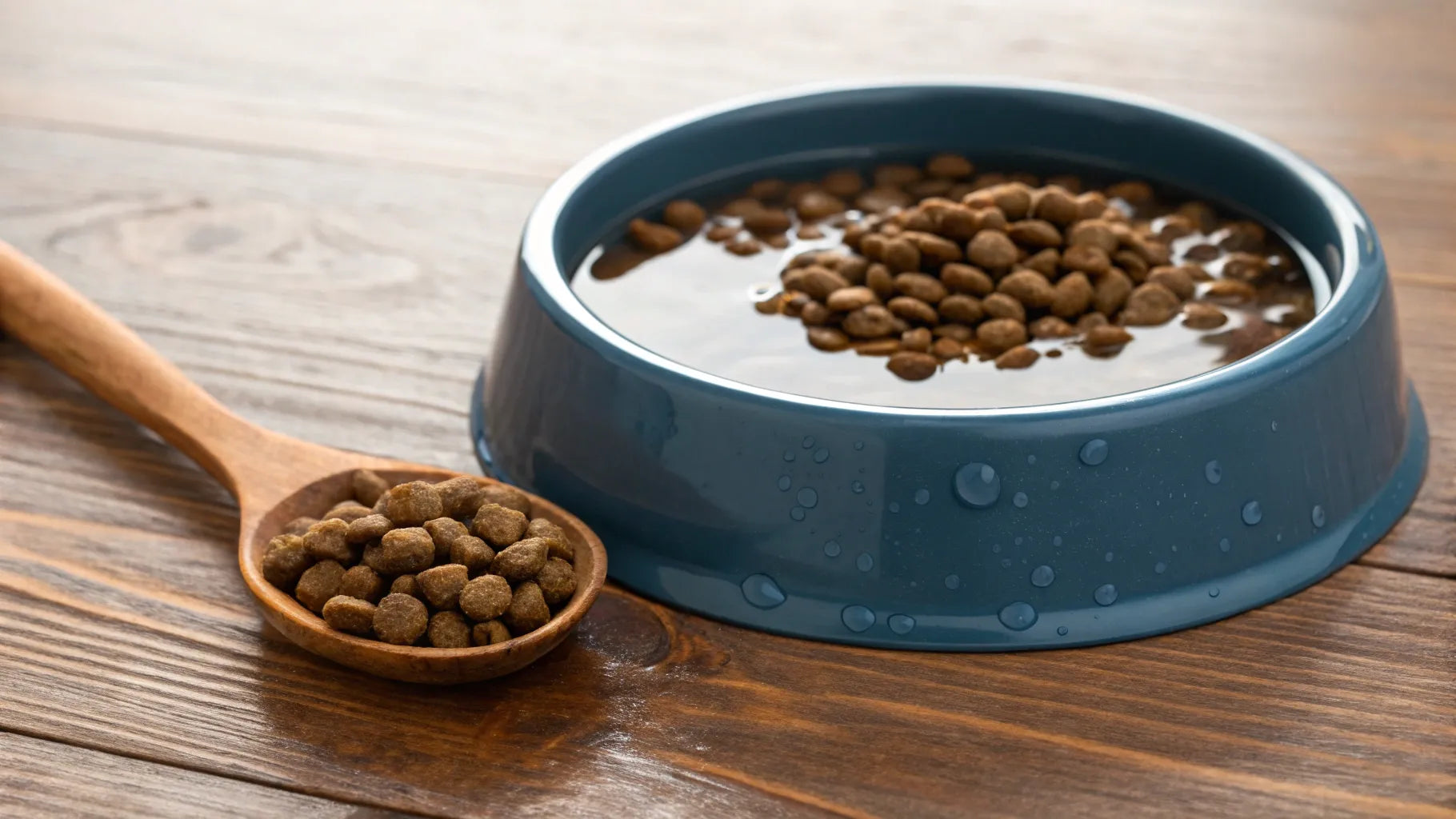
This recipe is perfect when you want something quick and effective. Just add warm water or low-sodium broth to your dog’s regular kibble. Let it sit for about 5 to 10 minutes until the kibble absorbs the liquid and softens.
You can stir in a bit of plain yogurt or mashed pumpkin to add flavor and probiotics. Have you noticed how dogs often prefer food with a little moisture? This simple mash can make a big difference in your dog’s eating experience.
Chicken And Rice Blend
Cook plain chicken breast and white rice, then shred the chicken into small pieces. Mix the cooked chicken and rice with softened kibble to create a balanced meal with added protein and carbs. This combination is gentle on your dog’s stomach and highly digestible.
Adding a splash of chicken broth during the softening process enhances flavor without extra salt. Have you tried this blend for picky eaters? It’s a great way to keep your dog interested while boosting nutrition.
Vegetable-enhanced Mix
Steam dog-safe vegetables like carrots, green beans, or sweet potatoes until soft. Chop them finely and mix with your softened kibble. This adds fiber, vitamins, and a natural sweetness that many dogs enjoy.
Consider blending a small amount of the veggies into a puree for easier mixing. Does your dog show excitement when veggies are involved? This mix not only softens the kibble but also improves overall meal quality.
Credit: www.houndsy.com
Tips For Transitioning
Transitioning your dog’s food texture from dry kibble to softened kibble requires patience and attention. Sudden changes can upset your dog’s stomach or make them reject the food altogether. These tips will help you make the switch smoothly, keeping your dog comfortable and happy during the process.
Gradual Introduction
Start by mixing a small amount of warm water or low-sodium broth into your dog’s dry kibble. This softens the food without changing the flavor too much. Gradually increase the liquid over several days until the kibble reaches the desired softness.
Try mixing one part softened kibble with three parts dry kibble on the first day. Monitor if your dog eats the food eagerly, then slowly adjust the ratio over a week.
Monitoring Your Dog’s Response
Watch your dog’s eating habits closely during the transition. Are they finishing their meals, or leaving food behind? Changes in stool consistency or signs of digestive upset like vomiting or diarrhea need your attention.
If your dog resists the softened kibble, try offering it at different temperatures—some dogs prefer it warmer or cooler. Also, check if the kibble has become too mushy or slimy, which can be off-putting.
Adjusting Texture And Flavor
Every dog has unique preferences. If your dog seems uninterested, experiment with the amount of liquid added. Sometimes a bit less water keeps the kibble more appealing.
You can also enhance flavor naturally by adding a spoonful of plain yogurt or a splash of chicken broth. Avoid artificial additives or salty liquids that could harm your pet.
Have you noticed your dog’s favorite way to eat kibble? Paying attention to these details can make all the difference during the transition.
When To Avoid Softening
Softening dog kibble can be helpful in many situations, but it’s not always the best choice. There are specific circumstances when you should avoid softening your dog’s food to keep them healthy and comfortable. Knowing when to skip this step can save your pet from unnecessary issues.
Dental Concerns
If your dog’s teeth are in good shape, crunchy kibble actually helps keep them clean by reducing plaque buildup. Softening kibble regularly might reduce this benefit. On the other hand, if your dog has dental problems like loose teeth or gum disease, softening could sometimes be helpful—but always check with your vet first.
Allergies And Sensitivities
Some dogs have food allergies or sensitive stomachs that react to changes in their diet. Soaking kibble might change its texture and even the way your dog digests it. If you notice any itching, vomiting, or diarrhea after softening kibble, it’s a sign to stop and consult your vet.
Veterinary Advice
Always ask your vet before making changes to your dog’s feeding routine. They understand your dog’s specific health needs and can guide you on whether softening kibble is safe or necessary. Sometimes, underlying health conditions mean softening kibble could do more harm than good.
Credit: www.houndsy.com
Maintaining Freshness
Keeping dog kibble fresh is key for your pet’s health and taste. Softening kibble can change its texture but not its freshness. Proper care before and after softening helps keep it good to eat and safe. Follow easy steps to maintain freshness and avoid waste.
Proper Storage Tips
- Store kibble in a cool, dry place away from sunlight.
- Use airtight containers to block air and moisture.
- Keep the original bag inside the container for extra protection.
- Label the container with the date of opening.
- Do not mix old and new kibble to prevent spoilage.
Avoiding Spoilage
Moisture and heat speed up spoilage. Softened kibble has more moisture, making it spoil faster. Keep softened kibble refrigerated to slow bacteria growth. Do not leave it out for more than two hours. Check for bad smells or mold before feeding.
Using Soften Kibble Quickly
Softened kibble should be fed within 30 minutes to 2 hours. The longer it sits, the higher the risk of bacteria. Prepare only the amount your dog can eat at one time. Discard any leftovers to avoid sickness. Quick use keeps food fresh and safe.
Frequently Asked Questions
How Do You Soften Dog Kibble Quickly?
To soften dog kibble quickly, soak it in warm water or broth. Let it sit for 10-15 minutes. This method makes the kibble easier to chew and digest. It’s ideal for older dogs or those with dental issues. Always ensure the water is not too hot.
Is It Safe To Soften Dog Kibble?
Yes, it’s safe to soften dog kibble. Softening kibble can aid digestion and make it easier to chew. Use warm water, broth, or wet dog food as a mixer. Ensure the kibble is at room temperature before serving to avoid any burns.
What Liquids Can Soften Dog Kibble?
You can use warm water, chicken broth, or beef broth to soften dog kibble. These liquids make the kibble more palatable and easier to digest. Ensure the broth is low in sodium and contains no harmful additives. Avoid using milk as some dogs may be lactose intolerant.
Does Softened Kibble Affect Nutritional Value?
Softening kibble does not significantly affect its nutritional value. The process simply makes it easier for dogs to eat and digest. However, avoid soaking it for too long as prolonged exposure to liquid may lead to nutrient loss. Always serve it fresh to maintain its benefits.
Conclusion
Softening dog kibble can make mealtime easier and more enjoyable. It helps older dogs or puppies eat without trouble. Warm water or broth works well to soften the food. Always check the temperature before serving to avoid burns. Softening also adds moisture, which supports better digestion.
Keep your dog’s preferences in mind when changing their food texture. Small changes can improve your pet’s health and happiness. Try softening kibble and watch your dog enjoy every bite. Simple steps make a big difference.

Emily Barker is the founder of ChillDogLife.com, a space dedicated to helping pup parents discover the best dog products, lifestyle tips, and cozy ideas for happier homes.
A lifelong dog lover, Emily combines her passion for pets with a knack for research to share trusted recommendations on everything from toys and furniture to health and everyday care.
Her goal is simple: to make life easier, stylish, and more joyful for dogs and the people who love them.




