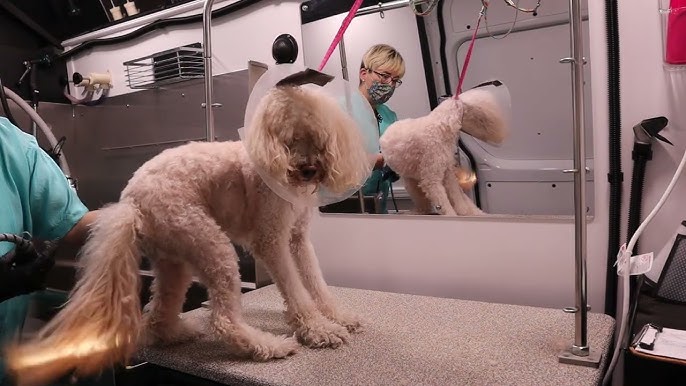
Are you struggling to groom your dog because they just won’t sit still? You’re not alone.
Many pet owners face the challenge of grooming their furry friends. It’s tough when your dog is anxious or restless during grooming sessions. You might be wondering if sedation is an option. We explore whether you can sedate a dog for grooming.
We’ll uncover the pros and cons, safety tips, and what you should know before making any decisions. Your dog’s comfort and safety are important, and understanding all your options can make grooming a stress-free experience for both of you. Keep reading to discover how you can make grooming a pleasant part of your dog’s routine.
Reasons For Sedating Dogs
Sometimes dogs need to be sedated for grooming. Grooming can be stressful or uncomfortable for some dogs.
Sedation helps make the grooming process safer and calmer for both the dog and groomer.
Anxiety And Stress Management
Many dogs feel scared or nervous during grooming. Loud noises and unfamiliar tools can cause anxiety.
Sedation helps lower the dog’s stress level. It makes the dog feel relaxed and less afraid.
- Reduces fear of grooming tools
- Calms nervous or shy dogs
- Prevents panic and sudden movements
Handling Aggressive Behavior
Some dogs may act aggressive during grooming. They may bite or scratch out of fear or pain.
Sedation helps control aggressive behavior. It keeps the dog calm and safe for the groomer.
- Prevents injuries to groomers
- Allows safe handling of difficult dogs
- Makes grooming possible for aggressive dogs
Medical Considerations
Dogs with health issues may need sedation to avoid pain or stress. Grooming can be hard for sick or old dogs.
Veterinarians may recommend sedation to protect the dog’s health during grooming.
- Helps dogs with injuries or wounds
- Supports grooming for elderly dogs
- Prevents heart or breathing problems from stress
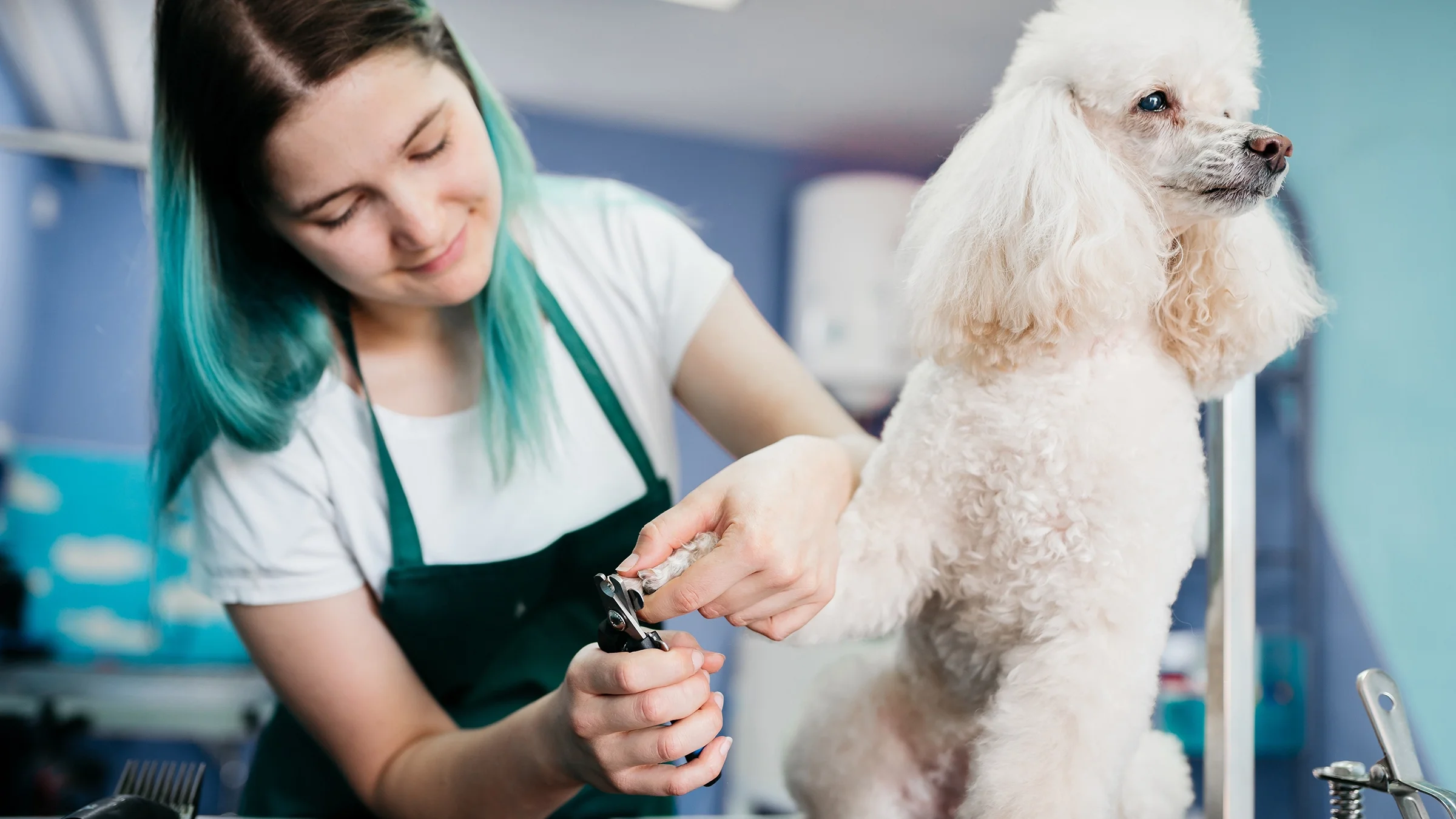
Credit: www.goodrx.com
Types Of Sedatives Used
Some dogs need sedation for grooming to stay calm and safe. Different types of sedatives help relax dogs during the process.
Choosing the right sedative depends on the dog’s health and behavior. Let’s look at common sedative medications and natural calming alternatives.
Common Sedative Medications
Veterinarians often use these medications to calm dogs before grooming. They work quickly and safely when given the right dose.
| Medication | Purpose | Notes |
| Acepromazine | Calms anxiety | Long-lasting effect |
| Diazepam | Reduces stress | Short acting |
| Gabapentin | Relieves pain and anxiety | Also helps with nerve pain |
| Hydroxyzine | Controls itching and anxiety | Often used with other drugs |
Natural Calming Alternatives
Some pet owners prefer natural ways to soothe their dogs during grooming. These methods are gentle and often used alongside medications.
- Chamomile tea supplements help dogs relax
- Lavender essential oil can calm nerves
- CBD oil may reduce anxiety
- Thundershirts apply gentle pressure to ease stress
- Music therapy uses soft sounds to relax pets
Consulting A Veterinarian
Before sedating your dog for grooming, you must talk to a veterinarian. They can check your dog’s health and advise on safety.
A vet’s guidance helps avoid risks and ensures your dog stays calm and safe during grooming.
Pre-sedation Health Check
The vet will examine your dog to find any health problems. This check is important before sedation.
- Check heart and lung function
- Test liver and kidney health
- Review dog’s medical history
- Look for allergies or reactions
- Assess age and weight
Dosage And Administration Guidance
The vet decides the right medicine and dose for your dog. Dosage depends on size, age, and health.
| Factor | Effect on Dosage |
| Weight | Higher weight needs higher dose |
| Age | Older dogs may need lower dose |
| Health Conditions | Some conditions require dose adjustment |
| Breed | Certain breeds are sensitive to sedatives |
Credit: altitudeanimalhospital.com
Risks And Side Effects
Sedating a dog for grooming can make the process easier. It calms nervous or aggressive dogs. But sedation also has risks and side effects.
Knowing these risks helps you decide if sedation is safe for your dog. Always consult a vet before using sedation.
Potential Health Complications
Dogs may face health problems from sedation. Some dogs have weak hearts or lungs. Sedation can strain these organs.
Older dogs or those with health issues are at higher risk. Problems can include low blood pressure or slow breathing.
- Breathing difficulties
- Heart rate changes
- Low blood pressure
- Allergic reactions
- Overdose risks
Signs Of Adverse Reactions
Watch your dog closely after sedation. Early signs of bad reactions need quick action. These signs show the dog is in distress.
- Excessive drooling or vomiting
- Shaking or trembling
- Weakness or collapse
- Slow or irregular breathing
- Unresponsiveness or confusion
If your dog shows any of these signs, contact a vet immediately. Quick care can prevent serious problems.
Safe Sedation Practices
Sedating a dog for grooming can help reduce stress and keep the pet calm. It is important to use safe sedation methods under professional guidance.
Proper care before, during, and after sedation ensures the dog’s health and comfort throughout the grooming process.
Monitoring During Grooming
Constant monitoring is key to keeping a sedated dog safe. Watch the dog’s breathing, heart rate, and temperature closely.
- Check respiratory rate every 5 minutes
- Observe heart rate and rhythm
- Keep the dog warm but avoid overheating
- Watch for signs of distress or waking up
- Have emergency supplies ready
Post-sedation Care
After grooming, the dog needs careful care until fully awake. Rest and hydration are essential to recovery.
| Care Aspect | Details |
| Rest | Keep the dog in a quiet, comfortable place |
| Hydration | Offer fresh water when the dog is alert |
| Temperature | Maintain a normal body temperature |
| Observation | Watch for unusual behavior or side effects |
| Vet Contact | Call a vet if problems arise |
Alternatives To Sedation
Many dog owners worry about sedating their pets for grooming. Sedation can carry risks and is not always needed. There are safer ways to help dogs stay calm during grooming.
Using other methods can make grooming easier and less stressful. These alternatives focus on training and professional help to keep dogs relaxed.
Behavioral Training Techniques
Training your dog to accept grooming can reduce the need for sedation. These methods teach dogs to stay calm and cooperate.
- Start grooming sessions slowly and gently
- Use treats and praise to reward good behavior
- Practice handling paws, ears, and tails regularly
- Keep grooming tools visible to reduce fear
- Use calm voice tones and avoid sudden movements
Professional Groomer Assistance
Professional groomers have experience working with anxious dogs. They use techniques to keep dogs comfortable without sedation.
| Technique | Description |
| Gentle Handling | Using slow and soft movements to reduce stress |
| Short Sessions | Breaking grooming into shorter, manageable parts |
| Distraction Tools | Using toys or treats to divert attention |
| Calming Environment | Quiet rooms with soft lighting and scents |
| Experienced Staff | Trainers skilled in dog behavior and body language |

Credit: www.petscare.com
Frequently Asked Questions
Can Dogs Be Safely Sedated For Grooming?
Yes, dogs can be safely sedated for grooming under a vet’s supervision. Sedation helps reduce stress and anxiety during grooming. However, it’s only recommended for dogs with specific behavioral or medical needs. Always consult your veterinarian before considering sedation for grooming.
What Types Of Sedation Are Used For Dog Grooming?
Common sedation types include mild oral sedatives, injectable sedatives, and calming medications. The choice depends on the dog’s health, size, and anxiety level. A veterinarian will recommend the safest option to ensure the dog remains calm and safe throughout grooming.
When Is Sedation Necessary For Dog Grooming?
Sedation is necessary if a dog is highly anxious, aggressive, or has medical conditions. It helps prevent injury to the dog and groomer. Sedation is a last resort after trying behavioral training and calming techniques. Always seek vet advice before sedating your dog.
Are There Risks In Sedating Dogs For Grooming?
Yes, sedation carries risks like allergic reactions, breathing issues, and prolonged recovery. These risks vary by the dog’s health and sedation type. Vet supervision minimizes risks by adjusting dosages and monitoring vital signs during grooming.
Conclusion
Sedating a dog for grooming can help reduce stress and keep them safe. Always talk to a vet first before giving any medication. Not all dogs need sedation, and some may react differently. Groomers and owners should work together to find the best option.
Safe grooming makes the experience better for your dog. Keep your pet’s health as the top priority. Calm and gentle care makes grooming easier for everyone involved.

Emily Barker is the founder of ChillDogLife.com, a space dedicated to helping pup parents discover the best dog products, lifestyle tips, and cozy ideas for happier homes.
A lifelong dog lover, Emily combines her passion for pets with a knack for research to share trusted recommendations on everything from toys and furniture to health and everyday care.
Her goal is simple: to make life easier, stylish, and more joyful for dogs and the people who love them.




