Have you ever wondered if giving your dog probiotic yogurt is a good idea? You want the best for your furry friend, especially when it comes to their health and digestion.
But is yogurt really safe for dogs? Can it actually help their tummy troubles, or could it do more harm than good? Keep reading to discover the truth about probiotic yogurt for dogs and learn how to make the right choice for your pet’s well-being.
Your dog’s health depends on it!
Credit: www.dairyfoods.com
Why Probiotics Matter For Dogs
Probiotics play a crucial role in maintaining your dog’s overall health, especially when it comes to their digestive system. These beneficial bacteria help balance the gut environment, supporting digestion and boosting the immune system. Understanding why probiotics matter can change how you care for your furry friend’s well-being.
Role Of Gut Health
Your dog’s gut is home to trillions of bacteria, both good and bad. The good bacteria, or probiotics, help break down food, absorb nutrients, and protect against harmful microbes. When this balance is disrupted, your dog may experience digestive troubles or weakened immunity.
Have you noticed how your dog’s mood or energy changes after a stomach upset? That’s because gut health affects more than just digestion; it impacts their entire body. Supporting gut health with probiotics can keep your dog feeling lively and strong.
Common Digestive Issues In Dogs
Many dogs suffer from issues like diarrhea, constipation, gas, or bloating at some point. These problems often arise when the gut bacteria are out of balance. Probiotics can help restore harmony and reduce the frequency of these discomforts.
Think about times when your dog had loose stools after a diet change or stress. Adding probiotics, sometimes through yogurt or supplements, can ease these symptoms and promote a smoother digestion process. Are you paying enough attention to these signs in your dog’s daily behavior?
Probiotic Yogurt And Dogs
Probiotic yogurt can be a beneficial addition to your dog’s diet, but it’s important to understand what makes it good for them and how to choose the right type. Dogs have different digestive systems than humans, so not all yogurts are suitable. Knowing the basics will help you make a safe and healthy choice for your furry friend.
What Makes Yogurt Probiotic
Probiotic yogurt contains live bacteria that support a healthy gut. These friendly bacteria help balance your dog’s digestive system by fighting harmful microbes.
Look for yogurts with strains like Lactobacillus acidophilusand Bifidobacterium. These strains are known to improve digestion and boost immunity.
Not all yogurts have live cultures. Some are pasteurized after fermentation, which kills the probiotics. Always check the label to ensure it says “contains live and active cultures.”
Choosing The Right Yogurt For Dogs
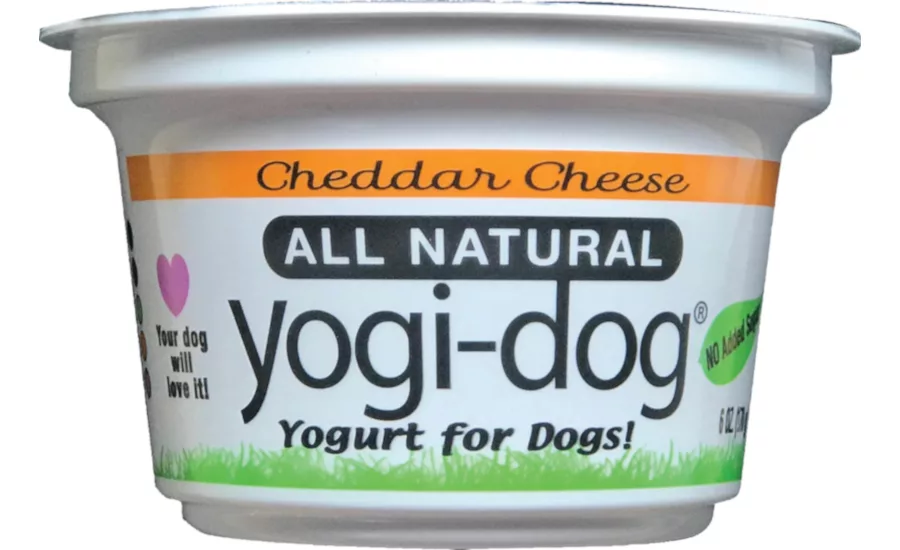
Pick plain, unsweetened yogurt without artificial sweeteners, especially xylitol, which is toxic to dogs.
- Opt for full-fat or low-fat Greek yogurt as it has less lactose and more protein.
- Avoid flavored yogurts since added sugars and artificial ingredients can upset your dog’s stomach.
- Start with a small amount to see how your dog reacts before making it a regular treat.
Have you ever noticed your dog’s reaction to a new treat? Monitoring their digestion and energy levels after giving probiotic yogurt can tell you if it’s a good fit.
Health Benefits Of Probiotic Yogurt
Probiotic yogurt offers several health benefits for dogs. It contains good bacteria that support overall well-being. Feeding probiotic yogurt can help maintain a healthy balance of gut flora. This balance supports many vital bodily functions.
Improved Digestion
Probiotic yogurt helps break down food more efficiently. It reduces issues like diarrhea and constipation. The good bacteria in yogurt promote a smooth digestive process. This helps dogs absorb nutrients better and feel comfortable.
Boosted Immune System
The probiotics in yogurt strengthen a dog’s immune defense. They help fight harmful bacteria and viruses. A strong immune system lowers the risk of infections. Regular intake of probiotic yogurt supports long-term health.
Enhanced Nutrient Absorption
Good bacteria improve the gut’s ability to absorb vitamins and minerals. This means dogs get more nutrients from their food. Enhanced absorption supports growth, energy, and overall vitality. Probiotic yogurt helps dogs stay healthy and active.
Safety Tips For Feeding Yogurt To Dogs
Feeding yogurt to dogs can benefit their digestion and gut health. Yet, safety is key. Not all yogurts suit every dog. Careful choices keep your pet healthy and happy. Follow these safety tips to feed yogurt without worry.
Checking For Lactose Intolerance
Many dogs cannot digest lactose well. Signs include diarrhea, gas, or upset stomach. Introduce yogurt slowly to watch for reactions. Choose yogurts labeled “lactose-free” or low in lactose. Always observe your dog after the first servings.
Avoiding Harmful Ingredients
Some yogurts contain harmful additives for dogs. Avoid artificial sweeteners like xylitol—it is toxic to dogs. Steer clear of flavored yogurts with chocolate, raisins, or nuts. Plain, unsweetened yogurt is safest. Check labels carefully before feeding.
Recommended Serving Sizes
Feed yogurt in small amounts only. For small dogs, one teaspoon daily is enough. Medium dogs can have up to one tablespoon. Large dogs may eat two tablespoons safely. Too much yogurt can cause stomach upset or diarrhea. Moderation keeps your dog comfortable and healthy.
When To Avoid Probiotic Yogurt
Probiotic yogurt can help improve your dog’s digestion and immune system. Yet, there are times when giving it might not be safe. Knowing when to avoid probiotic yogurt protects your dog from possible harm.
Signs Of Allergic Reactions
Watch your dog closely after feeding probiotic yogurt. Allergic reactions can show up quickly. Look for:
- Itching or scratching
- Swelling of face or paws
- Hives or red skin
- Vomiting or diarrhea
- Difficulty breathing or coughing
If any signs appear, stop giving probiotic yogurt immediately. Contact your vet for advice.
Pre-existing Health Conditions
Some dogs have health problems that make probiotic yogurt unsafe. Dogs with the following should avoid it:
- Lactose intolerance
- Pancreatitis
- Kidney disease
- Weakened immune system
These conditions can worsen with dairy or probiotics. Always check with your vet before adding probiotic yogurt to your dog’s diet.
Credit: wefeedraw.com
Alternatives To Probiotic Yogurt
Looking beyond probiotic yogurt opens up a variety of options to support your dog’s digestive health. Some dogs might not tolerate yogurt well due to lactose intolerance or allergies. Luckily, there are alternatives that deliver probiotics effectively and safely.
Probiotic Supplements
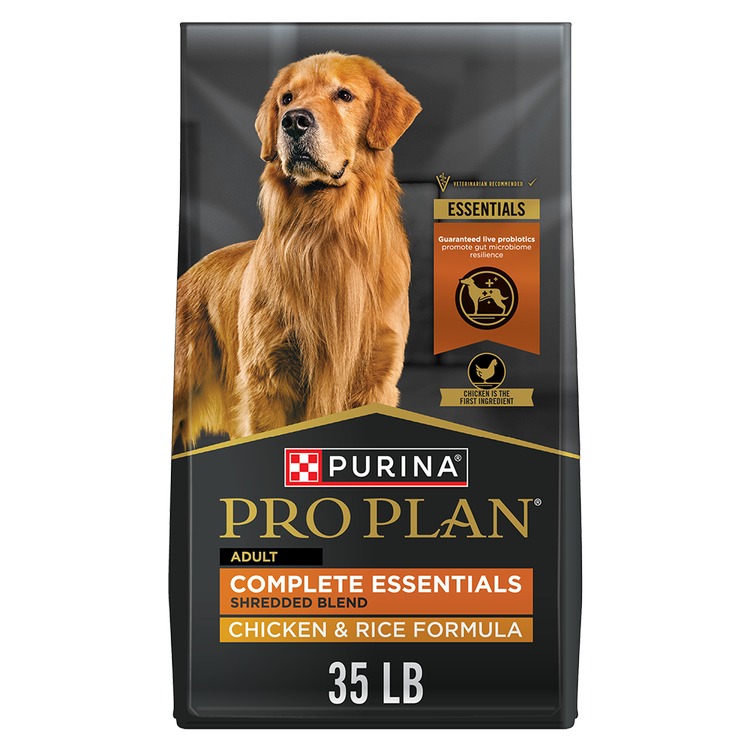
Probiotic supplements designed specifically for dogs are a reliable option. These come in chewable tablets, powders, or capsules that you can easily add to your dog’s food. They often contain strains of bacteria tailored to canine digestive systems, ensuring better absorption and fewer side effects.
Have you noticed your dog being picky with yogurt? Supplements might be a more convenient choice, especially if you want precise dosing. Always check the label to make sure the supplement is vet-approved and free from harmful additives.
Other Fermented Foods Safe For Dogs
Fermented foods can be a natural source of probiotics, but not all are safe for dogs. Some good options include small amounts of fermented vegetables like sauerkraut or kimchi (without spicy seasonings). These can support gut health while adding variety to your dog’s diet.
Be careful with portion sizes and ingredients, as too much salt or spices can upset your dog’s stomach. Have you tried giving your dog a tiny bit of plain kefir? It’s another fermented dairy product that some dogs tolerate better than yogurt.
Always introduce new foods gradually and watch for any signs of discomfort or allergies. Consulting your vet before adding fermented foods or supplements can help you make the best choice for your furry friend.
Credit: www.purina.com
Frequently Asked Questions
Is Probiotic Yogurt Safe For Dogs?
Yes, probiotic yogurt is safe for most dogs. It can support gut health and digestion. Ensure the yogurt is plain, unsweetened, and free from artificial additives. Always introduce new foods gradually. Consult your vet if your dog has allergies or dietary restrictions.
How Much Probiotic Yogurt Can Dogs Eat?
Start with small amounts, like a spoonful, to see how your dog reacts. Monitor for any adverse effects. Depending on your dog’s size and tolerance, you can gradually increase the amount. Always consult your veterinarian for personalized advice on the appropriate quantity.
Can Probiotic Yogurt Help Dogs With Diarrhea?
Yes, probiotic yogurt can help manage mild diarrhea in dogs. The beneficial bacteria support gut health and restore balance. However, if diarrhea persists, consult your veterinarian. It’s important to address the underlying cause and ensure your dog receives appropriate treatment.
What Benefits Does Probiotic Yogurt Offer Dogs?
Probiotic yogurt offers several benefits for dogs. It supports digestive health and enhances nutrient absorption. Additionally, it can strengthen the immune system and improve coat condition. Always choose plain yogurt without added sugars or artificial ingredients for optimal benefits.
Conclusion
Dogs can benefit from probiotic yogurt in small amounts. It supports their digestion and gut health. Choose plain, unsweetened yogurt without artificial additives. Avoid giving too much to prevent stomach upset. Always watch your dog for any allergic reactions. Consult your vet before adding new foods to their diet.
Probiotic yogurt is a simple way to help your dog feel better. Just remember to keep portions small and safe. This helps your dog enjoy the benefits without risks.

Emily Barker is the founder of ChillDogLife.com, a space dedicated to helping pup parents discover the best dog products, lifestyle tips, and cozy ideas for happier homes.
A lifelong dog lover, Emily combines her passion for pets with a knack for research to share trusted recommendations on everything from toys and furniture to health and everyday care.
Her goal is simple: to make life easier, stylish, and more joyful for dogs and the people who love them.




