Have you ever wondered if feeding your adult dog puppy food could cause health problems? It’s easy to think that puppy food is just extra nutrition, but could it actually make your dog sick?
If you want to keep your furry friend healthy and happy, it’s important to understand how different diets affect them. Keep reading to discover what happens when adult dogs eat puppy food and what you should watch out for to protect your pet.
Credit: www.houndsy.com
Differences Between Puppy And Adult Dog Food
Puppies and adult dogs have very different food needs. Feeding the wrong food can cause health problems. It is important to know how their diets differ.
This guide explains the main differences in nutrition and ingredients between puppy and adult dog food.
Nutritional Needs Of Puppies
Puppies need extra nutrients to grow healthy bones and muscles. Their food must support fast growth and high energy levels.
- Higher protein content for muscle development
- More fat for energy
- Increased calcium and phosphorus for bone growth
- Added DHA for brain and eye development
- Balanced vitamins and minerals for immunity
Nutritional Needs Of Adult Dogs
Adult dogs need food that maintains their health and energy without causing weight gain. Their growth is complete, so nutrient needs are lower.
- Moderate protein to maintain muscles
- Controlled fat to avoid obesity
- Fewer calories to match activity level
- Fiber for digestion support
- Essential vitamins and minerals to keep organs healthy
Key Ingredient Variations
The ingredients in puppy and adult dog foods reflect their nutritional needs. Here is a comparison of common ingredients.
| Ingredient | Puppy Food | Adult Dog Food |
| Protein | Chicken, lamb, fish (high levels) | Chicken, beef, fish (moderate levels) |
| Fat | Added oils for energy | Less fat to control weight |
| Calcium & Phosphorus | Higher amounts for bones | Lower amounts for maintenance |
| DHA | Included for brain growth | Usually not added |
| Fiber | Lower fiber | Higher fiber for digestion |
Potential Risks Of Feeding Puppy Food To Adult Dogs
Feeding puppy food to adult dogs can cause several health problems. Puppy food is made for young dogs with different needs. Adult dogs require a balanced diet to stay healthy.
It is important to understand the risks before giving puppy food to grown dogs. Some issues can affect their digestion, weight, and nutrition.
Digestive Issues
Adult dogs may have trouble digesting puppy food. The higher fat and protein levels can upset their stomach. This may cause diarrhea, vomiting, or gas. Their digestive system is not built for puppy food’s richness.
Weight Gain And Obesity
Puppy food has more calories than adult dog food. Feeding it to an adult dog can lead to weight gain. Extra weight puts stress on joints and organs. It increases the chance of obesity-related diseases.
- Higher fat content in puppy food
- More calories per serving
- Less energy needed by adult dogs
- Risk of unhealthy weight gain
Nutrient Imbalance
| Nutrient | Puppy Food Level | Adult Dog Need |
| Calcium | High | Moderate |
| Protein | Very High | Moderate |
| Fat | High | Lower |
| Fiber | Low | Higher |
Too much calcium and protein can harm adult dogs. It may cause kidney or bone problems. Puppy food lacks enough fiber for adult digestion. Nutrient imbalance affects overall health and energy.
When Puppy Food Might Be Safe For Adult Dogs
Feeding puppy food to adult dogs can sometimes cause health issues. Puppy food has more calories and nutrients made for growing pups. Adult dogs usually do not need this extra nutrition.
Still, there are cases when puppy food might be safe or even helpful for adult dogs. It depends on the dog’s health, age, and specific needs.
Transition Periods
Adult dogs may need puppy food during certain transition times. For example, after illness or surgery, they might need extra calories to recover. Puppy food can provide this energy.
Also, senior dogs with weight loss might benefit from puppy food. Its higher calorie content helps maintain their weight and strength.
- Recovery from illness or surgery
- Weight gain for underweight adults
- Periods of extra energy needs
Specific Health Conditions
Some health problems in adult dogs may require a diet like puppy food. Dogs with poor absorption of nutrients might need richer food to get enough vitamins and minerals.
Dogs with digestive issues or food allergies might need special diets. Sometimes a vet may suggest puppy food if it fits their nutritional needs better.
- Malnutrition or nutrient absorption problems
- Digestive disorders needing richer food
- Allergies requiring alternative diets
Consulting A Veterinarian
Always talk to a veterinarian before feeding puppy food to an adult dog. A vet can check if it is safe and suitable. They can also suggest the right amount and duration.
Veterinarians help avoid health risks like obesity or digestive upset. They provide guidance on the best diet for your dog’s age and health condition.
- Get a health check for your dog
- Ask if puppy food fits your dog’s needs
- Follow vet advice on feeding amounts
- Watch for signs of discomfort or illness
Signs Adult Dogs Show When Affected By Puppy Food
Adult dogs eating puppy food may face health issues. Puppy food has more calories and nutrients for growing pups.
These extra nutrients can upset adult dogs’ bodies. Watch for signs that your dog is affected.
Gastrointestinal Symptoms
Adult dogs eating puppy food often show tummy problems. Their digestive system may not handle the rich food well.
- Vomiting or dry heaving
- Diarrhea or loose stools
- Constipation or difficulty passing stools
- Excessive gas or bloating
- Loss of appetite or refusal to eat
Behavioral Changes
Changes in behavior can mean your dog feels unwell from wrong food. Watch for mood and activity shifts.
- Increased irritability or restlessness
- Less energy or reluctance to play
- Excessive licking of lips or mouth
- Frequent scratching or biting at skin
- Seeking isolation or hiding more than usual
Long-term Health Concerns
Feeding puppy food to adult dogs over time can cause serious health problems. Nutrient imbalance affects their organs.
| Health Issue | Possible Effect |
| Obesity | Weight gain and joint stress |
| Kidney strain | Damage from excess protein |
| Digestive upset | Chronic diarrhea or constipation |
| Vitamin overdose | Bone or nerve problems |
| Heart strain | Increased risk of heart disease |
Best Practices For Feeding Adult Dogs
Feeding adult dogs the right food is important for their health. Choosing the right diet helps keep your dog active and happy.
Changing your dog’s food too fast or picking the wrong food can cause stomach issues. Learn how to feed your adult dog safely and well.
Choosing The Right Food
Adult dogs need food that matches their size, age, and activity level. Look for food with balanced nutrients and good protein sources.
- Pick food made for adult dogs, not puppies
- Choose high-quality ingredients with real meat
- Check for essential vitamins and minerals
- Avoid foods with too many fillers or artificial additives
- Consider any allergies or health issues your dog has
Gradual Diet Changes
Switching food too fast can upset your dog’s stomach. Change diets slowly over a week or more to avoid sickness.
| Day | Old Food | New Food |
|---|---|---|
| 1-2 | 75% | 25% |
| 3-4 | 50% | 50% |
| 5-6 | 25% | 75% |
| 7+ | 0% | 100% |
Monitoring Dog’s Health
Watch your dog’s health after changing food. Look for signs like vomiting, diarrhea, or lack of appetite.
Keep a simple checklist to track health changes:
- Eating habits
- Energy levels
- Coat condition
- Bathroom habits
- Behavior changes
If your dog shows any problems, contact your vet right away.
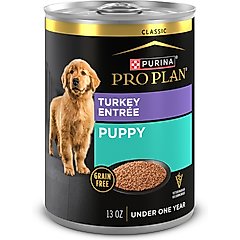
Credit: www.chewy.com
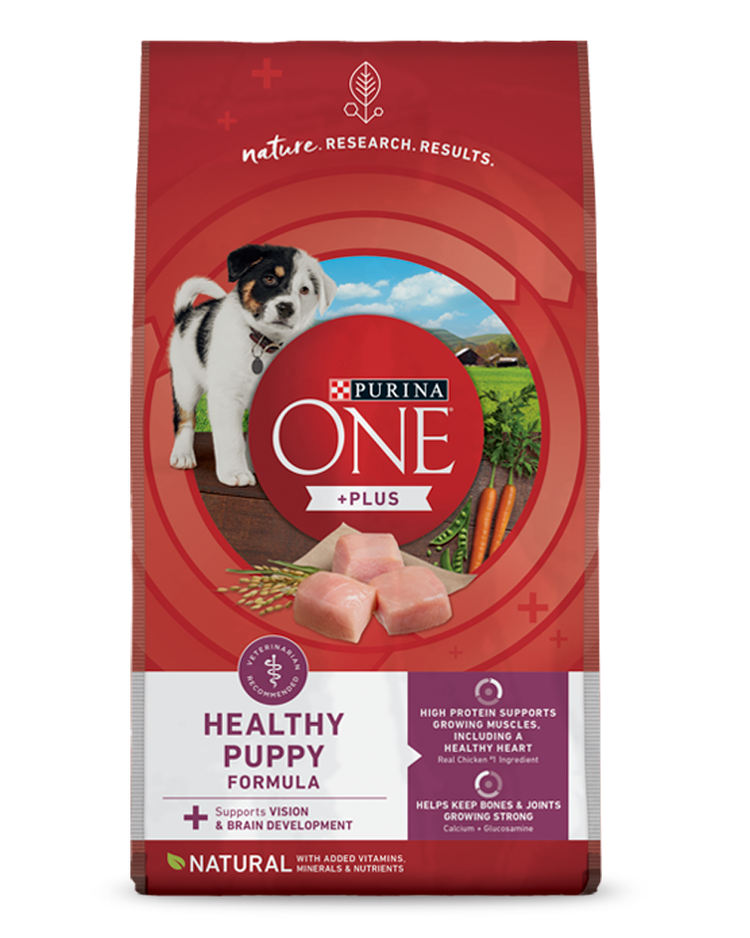
Credit: www.purina.com
Frequently Asked Questions
Can Puppy Food Cause Digestive Issues In Adult Dogs?
Yes, puppy food can upset an adult dog’s digestion. It contains higher fat and calorie content, which may cause diarrhea or stomach discomfort in some adult dogs.
Is It Safe To Feed Adult Dogs Puppy Food Occasionally?
Occasional feeding is generally safe but not ideal. Puppy food lacks balanced nutrients for adult dogs and may lead to weight gain or deficiencies if fed regularly.
What Nutrients Differ Between Puppy And Adult Dog Food?
Puppy food has more protein, fat, and calories to support growth. Adult dog food has balanced nutrients to maintain health without excess energy.
How Long Can An Adult Dog Eat Puppy Food Safely?
Feeding puppy food long-term to adults is not recommended. It may cause obesity and nutrient imbalance. Consult a vet for proper diet advice.
Conclusion
Feeding puppy food to an adult dog can cause upset stomach or nutrient imbalance. Adult dogs need food made for their age and size. Puppy food has more calories and nutrients, which may not suit adults. Watch your dog closely after any diet change.
Talk to your vet for the best advice. Keeping your dog healthy starts with proper nutrition. Choose the right food to help your dog feel good and stay active. Simple steps prevent sickness and support a long, happy life.

Emily Barker is the founder of ChillDogLife.com, a space dedicated to helping pup parents discover the best dog products, lifestyle tips, and cozy ideas for happier homes.
A lifelong dog lover, Emily combines her passion for pets with a knack for research to share trusted recommendations on everything from toys and furniture to health and everyday care.
Her goal is simple: to make life easier, stylish, and more joyful for dogs and the people who love them.




