You love your dog and want to keep them safe from every danger, including rabies. But you might wonder—can your dog still get rabies if they are vaccinated?
This question can worry any pet owner because rabies is a serious disease. Understanding the facts about rabies vaccination will help you protect your furry friend better. Keep reading to discover what vaccination really means for your dog’s safety and what steps you should take to keep them healthy and happy.
Credit: www.carecredit.com
Rabies Vaccine Basics
Understanding the basics of the rabies vaccine is crucial for every dog owner. Knowing how the vaccine protects your pet can help you make informed decisions about their health. Let’s break down what the rabies vaccine does and the types available for your dog.
How Rabies Vaccines Work
Rabies vaccines train your dog’s immune system to recognize and fight the rabies virus. They introduce a harmless part or a weakened form of the virus, prompting the body to produce protective antibodies. This way, if your dog ever encounters the real virus, their immune system can respond quickly and prevent illness.
Have you ever wondered why vaccinated dogs rarely get rabies despite exposure? That’s because their bodies are prepared in advance, thanks to the vaccine’s immune training. This preparation is why vaccination is a critical defense against such a deadly disease.
Types Of Rabies Vaccines For Dogs
There are mainly two types of rabies vaccines used for dogs:
- Inactivated (Killed) Vaccines:These contain virus particles that have been killed and cannot cause disease. They are safe and effective, commonly used by veterinarians worldwide.
- Recombinant Vaccines:These use a piece of the rabies virus’s genetic material to stimulate immunity without using the actual virus. They tend to have fewer side effects and offer strong protection.
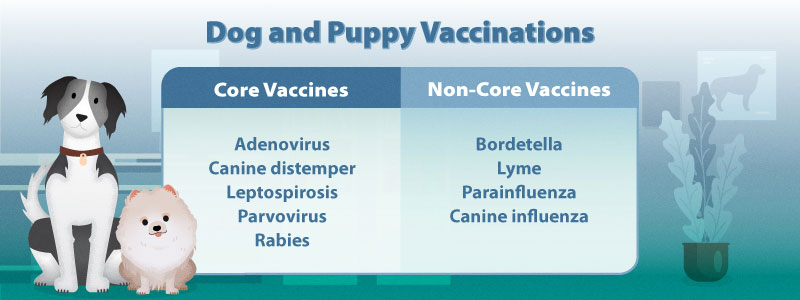
Choosing the right vaccine often depends on your dog’s health, age, and local regulations. Your vet can guide you on the best option. What questions could you ask your vet to ensure your dog is fully protected?
Credit: continentalhospitals.com
Effectiveness Of Rabies Vaccines
Rabies vaccines play a crucial role in protecting your dog from this deadly virus. Understanding how effective these vaccines are helps you keep your pet safe and healthy. While no vaccine offers 100% protection, rabies shots significantly reduce the risk of infection.
Immunity Duration After Vaccination
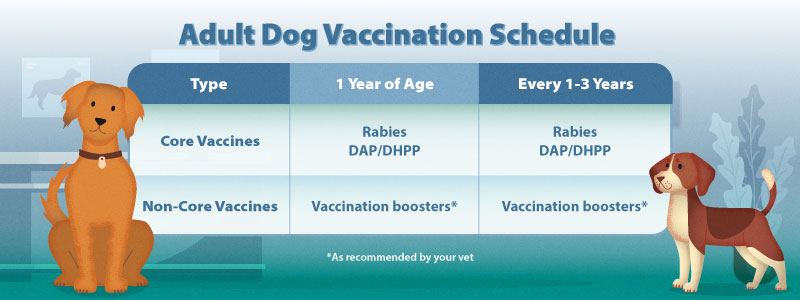
Rabies vaccines typically provide immunity for one to three years, depending on the vaccine type and local regulations. Most puppies receive an initial series followed by a booster shot one year later. After that, boosters are usually given every one to three years to maintain protection.
It’s important to keep track of your dog’s vaccination schedule. Missing a booster can leave your dog vulnerable. Have you checked when your dog’s last rabies vaccine was?
Factors Influencing Vaccine Protection
Several factors can affect how well a rabies vaccine works for your dog. These include your dog’s age, overall health, and immune system strength. Dogs with compromised immune systems may not develop full protection even after vaccination.
Vaccine storage and administration also matter. If a vaccine is not stored properly or given incorrectly, its effectiveness drops. Always trust your vet to handle vaccinations carefully.
Lastly, the strain of the rabies virus in your area can influence protection. Some rare virus variants might be less responsive to standard vaccines. This is why staying informed about local rabies outbreaks is essential.
Risks For Vaccinated Dogs
Vaccinating your dog against rabies is one of the best ways to protect them from this deadly virus. However, no vaccine offers 100% protection. Understanding the risks that remain even after vaccination helps you stay alert and ready to act if needed.
Can Vaccinated Dogs Still Contract Rabies?
Yes, vaccinated dogs can still contract rabies, but it is extremely rare. Vaccines greatly reduce the risk, but factors like improper vaccination, a weakened immune system, or exposure to a very high dose of the virus can affect effectiveness.
Think about the last time you skipped a booster shot or delayed a vet visit. Could that tiny gap increase your dog’s risk? Staying on top of the vaccination schedule is crucial to maintaining strong protection.
Signs Of Rabies In Vaccinated Dogs
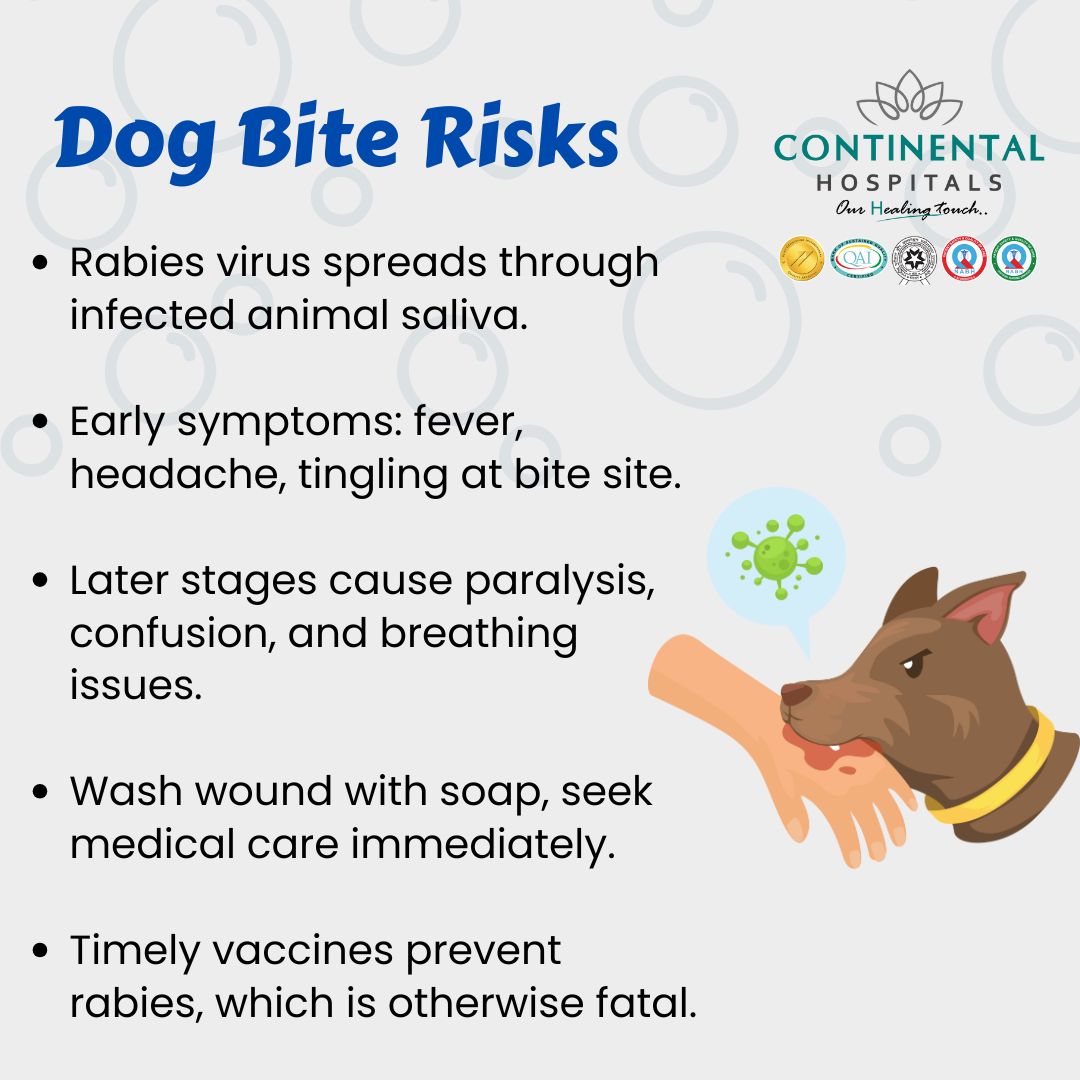
Recognizing rabies symptoms early, even in vaccinated dogs, is essential. Watch for unusual behavior like sudden aggression, excessive drooling, difficulty swallowing, or paralysis.
Sometimes, symptoms can be subtle or mistaken for other illnesses. If your dog acts strangely after possible exposure, contact your vet immediately. Quick action can save your dog’s life and protect your family.
Booster Shots And Timing
Keeping your dog safe from rabies involves more than just the initial vaccination. Booster shots play a crucial role in maintaining your dog’s immunity over time. Understanding the timing and importance of these boosters can help you protect your furry friend effectively.
Recommended Vaccination Schedule
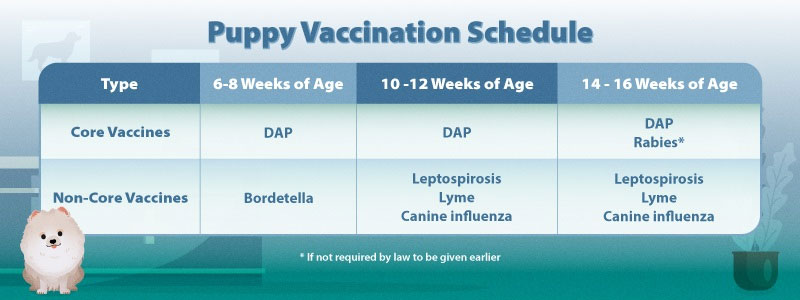
Most veterinarians suggest starting rabies vaccinations when puppies are around 12 to 16 weeks old. After the first shot, a booster is typically given one year later to reinforce immunity.
Following this, many regions require boosters every one to three years, depending on local laws and vaccine type. Your vet will help you create a schedule tailored to your dog’s needs and risks.
Importance Of Regular Boosters
Even if your dog was vaccinated as a puppy, immunity can weaken over time. Regular boosters help renew protection and reduce the risk of rabies infection.
Imagine skipping a booster because your dog seems healthy—could this leave a gap in their protection? Staying on track with boosters is a simple way to avoid such risks and keep your dog safe.
Common Misconceptions
Many dog owners believe vaccination fully protects against rabies. This is not entirely true. Understanding common misconceptions helps keep pets safer. It also helps owners make informed choices about their dog’s health.
Myth: Vaccination Guarantees 100% Protection
Rabies vaccines are highly effective but not perfect. No vaccine offers complete immunity in every case. Some dogs may still get rabies after vaccination. This can happen if the vaccine fails or if exposure is very high. Regular booster shots and vet check-ups improve protection. Vaccination greatly lowers the risk but does not remove it entirely.
Myth: Rabies Only Affects Unvaccinated Dogs
Rabies can affect any dog, even those vaccinated. Vaccinated dogs usually develop milder symptoms and survive longer. Unvaccinated dogs face a much higher risk of severe illness and death. Every dog needs protection because rabies spreads through bites from wild or stray animals. Vaccination reduces chances but does not make dogs invincible.
Credit: www.carecredit.com
Protecting Your Dog Beyond Vaccination
Vaccinating your dog against rabies is a crucial step, but it doesn’t guarantee complete protection. Rabies exposure risks still exist, especially if your dog comes into contact with wild or stray animals. Protecting your dog means taking additional safety measures beyond just vaccination.
Avoiding Exposure To Rabid Animals
You can reduce your dog’s risk by keeping them away from animals that might carry rabies. Wild animals like raccoons, bats, and foxes are common rabies carriers. Avoid letting your dog roam freely in areas where these animals are frequently seen.
Think about where your dog plays and explores. Is it near wooded areas or places with lots of wildlife? Consider leash walks and supervised outdoor time to limit unsupervised encounters.
Also, watch out for stray animals. If you notice any strange behavior like aggression or paralysis in nearby animals, keep your dog away and report it to local animal control.
Routine Health Checks And Monitoring
Regular vet visits help catch any health issues early, including signs of rabies. Your vet can check for symptoms that you might miss, such as sudden behavior changes or unusual aggression.
Keep an eye on your dog’s behavior at home. Changes like excessive drooling, difficulty swallowing, or uncharacteristic fearfulness deserve immediate attention. Early detection can save your dog’s life.
Have you noticed any odd behavior in your dog after a walk or playtime? Don’t ignore subtle signs. Prompt veterinary care can make a huge difference.
Frequently Asked Questions
Can Vaccinated Dogs Still Get Rabies?
Vaccinated dogs have a very low risk of contracting rabies. Vaccines provide strong protection, but no vaccine is 100% effective. It’s crucial to keep your dog’s vaccinations up-to-date. Regular boosters help maintain immunity. Always consult your veterinarian for the best vaccination schedule for your pet.
How Effective Is The Rabies Vaccine For Dogs?
The rabies vaccine is highly effective in preventing the disease. Once vaccinated, dogs develop antibodies that protect them. It’s important to follow the recommended booster schedule. This ensures ongoing protection throughout your dog’s life. Consult your vet to keep the vaccination status current.
What Should I Do If My Vaccinated Dog Is Bitten?
If your vaccinated dog is bitten, seek immediate veterinary advice. The vet may recommend a booster shot to ensure protection. Thoroughly clean the wound with soap and water. Keep a close eye on your dog for any signs of illness.
Early action is crucial for health and safety.
Are There Side Effects To The Rabies Vaccine?
Some dogs may experience mild side effects from the rabies vaccine. These can include temporary soreness, lethargy, or a slight fever. Serious reactions are rare but possible. Contact your vet if you notice any unusual symptoms. They can provide guidance on managing any side effects.
Conclusion
Vaccinated dogs have strong protection against rabies. No vaccine is 100% effective, but chances are very low. Regular booster shots keep immunity strong and reliable. Avoid contact with wild animals to reduce risks even more. Keep your dog’s vaccination records up to date.
Watch for any unusual signs and see a vet quickly. Staying informed helps keep your dog safe and healthy. Rabies is serious, but vaccines make it rare in pets. Taking simple steps protects both your dog and family.

Emily Barker is the founder of ChillDogLife.com, a space dedicated to helping pup parents discover the best dog products, lifestyle tips, and cozy ideas for happier homes.
A lifelong dog lover, Emily combines her passion for pets with a knack for research to share trusted recommendations on everything from toys and furniture to health and everyday care.
Her goal is simple: to make life easier, stylish, and more joyful for dogs and the people who love them.




