
Is your 6-month-old puppy ready for adult dog food? You might be wondering if switching now is okay or if it could harm your furry friend.
Feeding your puppy the right food at the right time is crucial for their growth and health. You’ll discover exactly when and why you should make the switch, so you can give your puppy the best nutrition possible. Keep reading to learn how to keep your pup happy, healthy, and thriving!
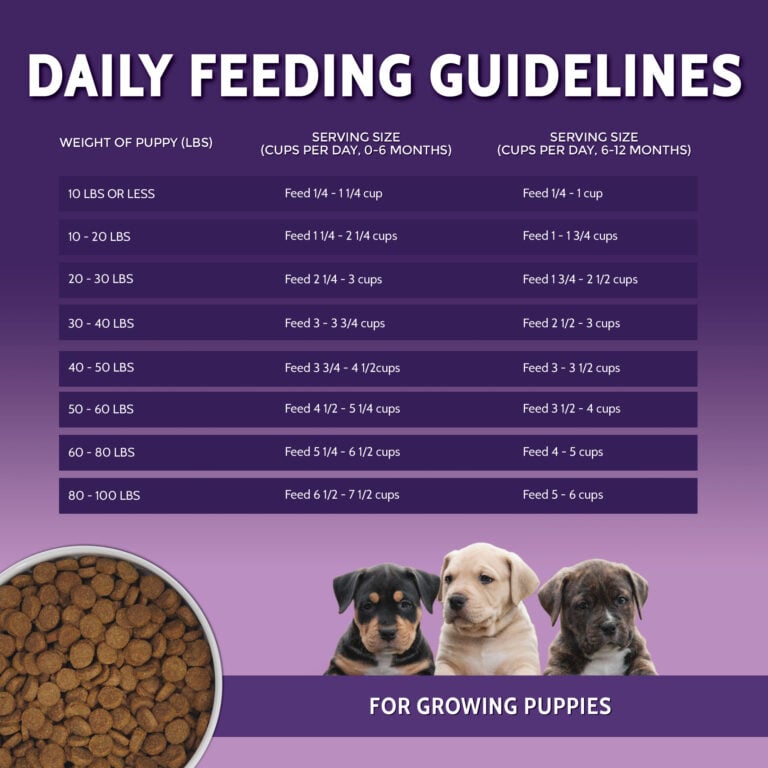
Credit: zignature.com
Puppy Vs Adult Dog Food
Choosing the right food for your dog is important. Puppies have different needs than adult dogs. Feeding the wrong food can affect their health.
This guide explains the key differences between puppy and adult dog food. It will help you decide what is best for your 6-month-old puppy.
Nutritional Differences
Puppy food contains more protein and fats. These nutrients support muscle and brain growth. Adult dog food has fewer calories and nutrients because adult dogs need less energy.
- Puppy food has extra vitamins and minerals.
- It includes DHA for brain development.
- Adult dog food has less fat and protein.
- Adult food focuses on maintaining weight and health.
Calorie Needs
Puppies burn more energy due to fast growth. They need more calories per pound than adult dogs. Feeding adult dog food may not give enough energy.
| Age | Calories Needed (per lb) |
| 6-month-old Puppy | 55-60 |
| Adult Dog | 30-40 |
Growth And Development
Puppies grow rapidly in their first year. They need food that supports bone and muscle growth. Adult dog food lacks these extra nutrients for growing puppies.
- Puppy food helps build strong bones.
- It supports healthy muscle growth.
- Contains antioxidants for immune health.
- Adult food supports maintenance, not growth.

Credit: www.petsradar.com
When To Switch Foods
Knowing when to switch your puppy from puppy food to adult dog food is important. It helps keep your dog healthy and growing well.
Most puppies start to need adult food around six months old. This depends on their breed and size.
Signs Of Readiness
Your puppy shows signs when ready for adult dog food. Watch their growth and behavior closely.
If your puppy is less active and growing slower, it may be time to switch foods.
- Puppy reaches half of expected adult size
- Energy levels become steady, not hyperactive
- Teeth are fully developed
- Weight gain slows down
Veterinarian Recommendations
Your vet knows best when to change your puppy’s food. They check health and growth progress.
Ask your vet about the right time to switch and the best adult food for your dog’s breed.
- Schedule a checkup at six months old
- Discuss your puppy’s breed and size
- Follow vet advice on food types and brands
- Monitor health changes during the switch
Gradual Transition Tips
Change your puppy’s food slowly. This helps avoid stomach upset and keeps eating habits normal.
Mix adult food with puppy food over several days until fully switched.
- Start with 25% adult food and 75% puppy food
- After three days, use 50% adult and 50% puppy food
- Then 75% adult and 25% puppy food for the next three days
- Feed 100% adult dog food after about nine days
Risks Of Feeding Adult Food Too Early
Feeding adult dog food to a 6-month-old puppy can cause health problems. Puppies need special nutrients to grow strong and healthy.
Adult food does not meet the needs of puppies. It can lead to issues in their development and well-being.
Nutrient Deficiencies
Puppies require more protein, fat, and vitamins than adult dogs. Adult food often has lower levels of these nutrients.
Without enough nutrients, puppies may grow slowly. Their bones and muscles might not develop properly.
- Lower protein can reduce muscle growth
- Less fat can affect energy levels
- Insufficient vitamins may harm bone health
Digestive Issues
Puppies have sensitive stomachs. Adult food can be harder for them to digest because of its ingredients.
Eating adult food too early may cause diarrhea or vomiting. It can also lead to stomach pain or discomfort.
- Adult food may have more fiber than puppy food
- Different fat sources can upset digestion
- Sudden diet changes increase risk of stomach issues
Behavioral Changes
Puppies need enough energy to play and learn. Adult food may not give them this energy, causing tiredness.
Low energy can make puppies less active and more irritable. This may affect their training and social behavior.
- Reduced playfulness due to low energy
- Increased irritability from hunger or weakness
- Poor focus during training sessions

Credit: www.houndsy.com
Benefits Of Puppy Food At 6 Months
Many owners wonder if a 6-month-old puppy can eat adult dog food. At this age, puppies still need special nutrition. Puppy food supports their growth and health better than adult food.
Puppy food contains nutrients that match the needs of young dogs. It helps them build strong bodies and stay active. Feeding puppy food at 6 months offers many benefits.
Support For Growth
Puppies grow fast in their first year. Puppy food has extra protein and fats to help build muscles and bones. Adult dog food may not have enough of these nutrients.
These nutrients give puppies the tools to develop properly. Feeding puppy food ensures healthy weight and strong bones as they grow.
Enhanced Immunity
Puppy food has added vitamins and minerals that support the immune system. A strong immune system helps puppies fight infections and stay healthy.
These nutrients help puppies build resistance to diseases. Adult food may lack some important immune-boosting ingredients for young dogs.
Energy Levels
Puppies are very active and need more energy than adult dogs. Puppy food provides the right balance of calories to keep them lively and playful.
Adult food may not offer enough energy for growing puppies. Feeding puppy food helps maintain their stamina throughout the day.
Choosing The Right Food
Feeding your 6-month-old puppy the right food is important for healthy growth. At this age, puppies may start eating adult dog food, but you must choose carefully.
Adult dog food has different nutrients than puppy food. Picking the right one helps your dog stay strong and active.
Reading Labels
Look at the food label to understand what is inside. Check if the food meets the nutritional needs of your puppy’s age and size.
Labels show ingredients, feeding instructions, and life stage recommendations. Choose food labeled for puppies or all life stages if switching to adult food.
- Check for AAFCO approval to ensure balanced nutrition
- Look for feeding guidelines based on weight and age
- Avoid foods with vague ingredient descriptions
Quality Ingredients
Good quality ingredients support your puppy’s growth and health. Look for real meat, vegetables, and whole grains near the top of the list.
Avoid foods with too many fillers like corn or wheat. These add little nutrition and can cause allergies or digestion problems.
- High protein content helps muscle development
- Healthy fats support brain and coat health
- Vitamins and minerals strengthen bones and immunity
Breed And Size Considerations
Different breeds and sizes need different nutrients. Large breeds need food that supports slow, steady growth. Small breeds need more calories in smaller bites.
Choose food made for your puppy’s breed size to avoid health issues like joint problems or obesity later.
- Large breed puppy food has controlled calcium for bone health
- Small breed food has smaller kibble for easy chewing
- Check if the food fits your dog’s energy level and activity
Homemade Vs Commercial Options
Choosing between homemade and commercial dog food can be confusing. Each option offers unique benefits and challenges.
Understanding these differences helps in deciding what is best for your 6-month-old puppy.
Pros And Cons
Both homemade and commercial foods have their advantages and disadvantages. Consider these points carefully.
- Homemade food allows you to control ingredients.
- Commercial food is convenient and often balanced.
- Homemade meals can be more costly and time-consuming.
- Commercial options may contain preservatives.
Nutritional Balance
Ensuring your puppy gets the right nutrients is crucial. Each food type offers different benefits.
| Nutrition Aspect | Homemade | Commercial |
| Protein | Customizable | Pre-measured |
| Vitamins | Requires supplements | Included |
| Fats | Adjustable | Balanced |
Safety Tips
Safety is vital in feeding your puppy. Follow these tips to keep your pet healthy.
- Always clean bowls after meals.
- Store homemade food in the fridge.
- Check commercial food for recalls.
- Consult your vet about dietary needs.
Frequently Asked Questions
Can A 6 Month Old Puppy Eat Adult Dog Food?
Yes, some 6 month old puppies can start eating adult dog food. However, consult your vet first. Puppies still need more nutrients than adults. Transition gradually to avoid digestive issues.
When Should I Switch My Puppy To Adult Food?
Most puppies switch to adult food between 6 to 12 months. Large breeds may need longer puppy food. Consult your vet for the best timing based on your puppy’s growth.
What Are The Risks Of Feeding Adult Food Too Early?
Feeding adult food too early can cause nutrient deficiencies. Puppies need higher protein and fat for growth. Early switch may lead to poor development and weaker immunity.
How To Transition From Puppy To Adult Dog Food?
Mix increasing amounts of adult food with puppy food over 7-10 days. Monitor your puppy’s digestion and energy levels. Gradual change helps prevent stomach upset and ensures nutrient absorption.
Conclusion
Feeding a 6-month-old puppy adult dog food is not always best. Puppies need extra nutrients to grow strong and healthy. Adult food may lack these important vitamins and minerals. Always check with your vet before changing your puppy’s diet. Watch your puppy’s weight and energy levels closely.
Healthy food helps your puppy develop properly. Giving the right food now sets a good path for later. Keep your puppy happy and thriving with proper nutrition. Small changes can make a big difference in their health.

Emily Barker is the founder of ChillDogLife.com, a space dedicated to helping pup parents discover the best dog products, lifestyle tips, and cozy ideas for happier homes.
A lifelong dog lover, Emily combines her passion for pets with a knack for research to share trusted recommendations on everything from toys and furniture to health and everyday care.
Her goal is simple: to make life easier, stylish, and more joyful for dogs and the people who love them.




