
Are you wondering if you can give your dog the rabies vaccine at home? Keeping your furry friend safe from rabies is important, but the idea of handling vaccines yourself can be confusing and even a little scary.
You want to protect your dog without risking their health or breaking any rules. You’ll discover the truth about giving rabies shots at home, what you need to know before trying it, and the safest way to keep your dog protected.
Keep reading to make the best choice for your dog’s health and your peace of mind.
Credit: www.cityvets.co.uk
Rabies Vaccine Basics
Understanding the basics of the rabies vaccine is essential before you consider administering it at home. Knowing what rabies is and why vaccination matters helps you make informed decisions about your dog’s health. Let’s break down these key points clearly.
What Rabies Is
Rabies is a deadly virus that affects the nervous system of mammals, including dogs and humans. It spreads through bites or scratches from infected animals, often wildlife like bats, raccoons, or foxes. Once symptoms appear, rabies is almost always fatal, making prevention crucial.
Have you ever wondered how quickly rabies can take hold after exposure? The virus travels through nerves to the brain, and the incubation period can range from weeks to months. This uncertainty means you can’t afford to delay vaccination or treatment if exposure occurs.
Why Vaccination Matters
Vaccinating your dog against rabies is more than a legal requirement in many places—it’s a life-saving measure. The vaccine triggers your dog’s immune system to fight the virus if exposed, preventing the deadly disease from developing.
Skipping or delaying vaccination puts your dog, your family, and your community at risk. Rabies can spread quickly and is costly to manage after exposure. Vaccination also often lowers the quarantine time if your dog comes into contact with a potentially rabid animal.
Think about this: would you risk your dog’s life and your peace of mind by skipping this essential vaccine? Proper vaccination is the best defense you have.
Home Vaccination Risks
Giving a rabies vaccine at home may seem easy and convenient. It might save time and money. But this practice carries serious risks for both dogs and owners. Understanding these risks is important before deciding to vaccinate your dog yourself.
Potential Dangers
- Incorrect vaccine storage can reduce effectiveness.
- Improper injection technique may cause pain or injury.
- Risk of allergic reaction without immediate medical help.
- Missing important health checks usually done by vets.
- Wrong dosage may fail to protect your dog.
Legal Implications
- Many areas require rabies vaccines to be given by licensed vets.
- Home vaccination may invalidate official vaccination records.
- Non-compliance can lead to fines or legal trouble.
- Proof of vaccination might be rejected without vet certification.
- Failure to vaccinate properly puts public health at risk.
Proper Vaccination Process
Proper vaccination is key to protecting your dog from rabies. The process ensures the vaccine is safe and effective. It requires careful handling and correct injection techniques. Understanding the proper vaccination process helps keep your dog healthy and prevents disease.
Who Should Administer
Only a licensed veterinarian or trained veterinary technician should give rabies vaccines. They have the knowledge to handle vaccines safely. They know how to check your dog’s health before vaccination. Professionals can monitor for any side effects after the shot. Avoid giving rabies vaccines yourself, as mistakes can harm your dog.
How Vaccines Are Given
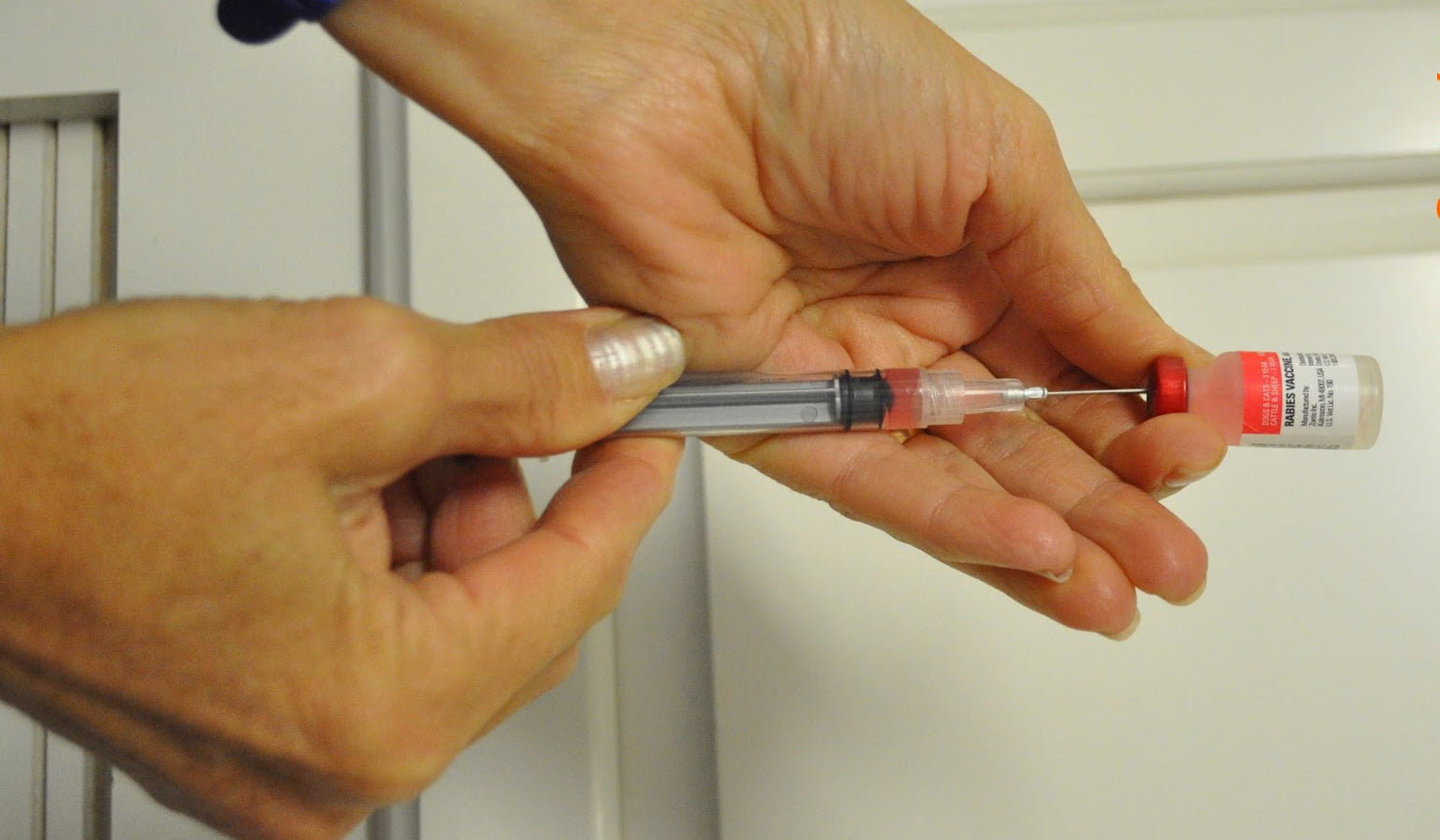
Rabies vaccines are usually given as an injection under the skin or into a muscle. The vet will clean the injection site first. Then they use a sterile needle and syringe to give the vaccine. The process is quick and causes little discomfort. Your dog may feel a small pinch, but it passes fast.
After vaccination, the vet records the details. This includes the vaccine type, batch number, and date. A rabies tag or certificate is often issued. This proof is important for travel and local laws.
Vaccine Storage And Handling
Proper vaccine storage and handling are key to keeping the rabies vaccine effective. Vaccines lose strength if stored incorrectly. This can make the vaccine less safe or even useless for your dog. Understanding how to store and handle the rabies vaccine helps ensure your dog gets full protection.
Temperature Requirements
Rabies vaccines need to stay cold, but not frozen. The ideal temperature is between 2°C and 8°C (36°F to 46°F). Temperatures outside this range can harm the vaccine. Do not leave the vaccine in direct sunlight or near heat sources. Use a refrigerator with a reliable thermometer. Avoid frequent opening to keep the temperature steady.
Shelf Life Concerns
Each vaccine has a specific shelf life printed on its label. The vaccine must be used before this date. After opening, some vaccines must be used quickly or discarded. Do not use vaccines that are expired or have been stored improperly. Proper handling ensures the vaccine works as intended to protect your dog.
Signs Of Vaccine Reaction
Giving your dog a rabies vaccine at home can be convenient, but it’s crucial to watch for any signs of vaccine reaction. Understanding these signs helps you act quickly and keep your furry friend safe. Not all reactions are severe, but knowing the difference can make all the difference.
Common Side Effects
Most dogs experience mild side effects after a rabies vaccine. These include:
- Temporary swelling or soreness at the injection site
- Mild fever lasting a day or two
- Lethargy or slight tiredness
- Loss of appetite for a short time
These symptoms usually fade within 24 to 48 hours. If your dog seems uncomfortable, gentle petting and rest can help them feel better.
When To Seek Help
Some vaccine reactions require immediate attention. Watch for:
- Severe swelling, especially around the face or throat
- Difficulty breathing or excessive coughing
- Persistent vomiting or diarrhea
- Unusual behavior like staggering or collapse
- Hives or intense itching
If your dog shows any of these signs, contact your vet right away. Quick response can prevent serious complications. Have you prepared a pet first aid kit or emergency contact list? It’s a small step that can make a big difference during vaccine reactions.
Credit: www.carecredit.com
Alternatives To Home Vaccination
Giving your dog a rabies vaccine at home is not recommended. Trained professionals must handle vaccinations safely and correctly. Several alternatives provide safe, effective rabies vaccination outside your home. These options ensure your dog gets proper care in a controlled setting.
Veterinary Clinics
Veterinary clinics offer a safe place for vaccinations. Skilled vets and staff know how to handle dogs calmly. Clinics have all necessary equipment and vaccines stored properly. They also monitor your dog for any side effects after vaccination. Visiting a clinic ensures your dog is protected and cared for correctly.
Mobile Vet Services
Mobile vet services bring professional care to your doorstep. A licensed vet visits your home with all needed supplies. This option reduces stress for both you and your dog. Mobile vets provide safe, accurate vaccination just like clinics. They also give advice and answer your questions on the spot.
Credit: drjudymorgan.com
Frequently Asked Questions
Can I Administer Rabies Vaccine To My Dog At Home?
Administering a rabies vaccine at home is not recommended. Rabies vaccines should be given by a licensed veterinarian. This ensures proper handling, dosage, and documentation. It also ensures your dog receives the vaccine legally and safely.
Why Should A Vet Give The Rabies Vaccine?
Veterinarians are trained to administer vaccines safely. They ensure your pet’s health is monitored during the process. Vets also provide necessary documentation and legal certification for rabies vaccination. This is crucial for public health and safety.
What Are The Risks Of Home Vaccination?
Home vaccination risks include incorrect dosage, improper administration, and lack of legal documentation. Mistakes can lead to health issues or ineffective vaccination. Only professionals should handle rabies vaccines to ensure safety and compliance with laws.
Is It Illegal To Vaccinate My Dog At Home?
In many areas, it is illegal for non-professionals to administer rabies vaccines. Local laws often require vaccines to be given by a licensed veterinarian. This ensures public safety and proper record-keeping. Check your local regulations to understand the legal requirements.
Conclusion
Giving your dog a rabies vaccine at home is not safe or legal. Only trained vets can give this important shot. Rabies is very dangerous for dogs and people. Protect your pet by visiting a vet for vaccination. Regular vet visits keep your dog healthy and happy.
Don’t risk your dog’s life with home injections. Trust the experts to do the job right. Your dog deserves the best care possible. Stay safe and responsible as a pet owner.

Emily Barker is the founder of ChillDogLife.com, a space dedicated to helping pup parents discover the best dog products, lifestyle tips, and cozy ideas for happier homes.
A lifelong dog lover, Emily combines her passion for pets with a knack for research to share trusted recommendations on everything from toys and furniture to health and everyday care.
Her goal is simple: to make life easier, stylish, and more joyful for dogs and the people who love them.




