
Are you wondering if it’s safe to give your dog Flintstone vitamins? You’re not alone.
Many pet owners want to share the health benefits of vitamins they take themselves with their furry friends. But before you reach for that colorful chewable, it’s important to know what’s really inside and how it might affect your dog.
Keep reading to find out if Flintstone vitamins are a smart choice for your pet’s health—or if there’s a better way to keep your dog strong and happy.
Flintstone Vitamins Basics
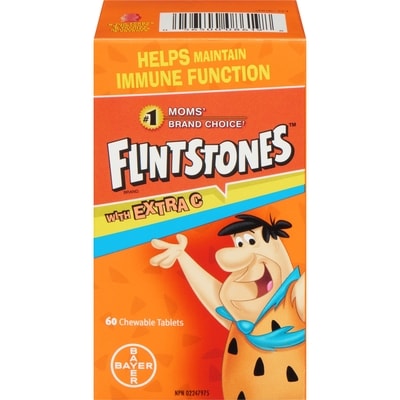
Flintstone Vitamins are a popular choice among parents for their kids’ daily nutrition. These chewable vitamins come in fun shapes and flavors that children usually enjoy. But what exactly makes them so appealing and effective? Understanding the basics of Flintstone Vitamins can help you decide if they are suitable for your dog, too.
Ingredients Overview
Flintstone Vitamins contain a mix of essential nutrients designed to support children’s growth and health. Key ingredients include:
- Vitamins A, C, D, and E:Important for immune health, skin, and bone development.
- B Vitamins:Help with energy production and brain function.
- Minerals like iron and zinc:Support blood health and immune system.
- Calcium:Crucial for strong bones and teeth.
These ingredients are carefully balanced for kids, but dogs have different nutritional needs. Have you ever checked if your dog’s supplement contains the same nutrients in safe amounts?
Common Uses For Children
Parents often use Flintstone Vitamins to fill nutritional gaps in their children’s diets. They help ensure kids get enough daily vitamins, especially picky eaters who avoid fruits and vegetables. These vitamins are not meant to replace a healthy diet but to supplement it.
Many parents find that their children enjoy taking these vitamins because of the fruity flavors and fun shapes. This makes the daily routine easier and encourages consistent use. Could your dog respond similarly to flavored supplements, or would their health require something different?

Credit: www.amazon.ca
Nutritional Needs Of Dogs
Dogs need a balanced diet to stay healthy and active. Their bodies require specific nutrients to support growth, energy, and immune function. Vitamins play a key role in maintaining a dog’s well-being. Understanding these nutritional needs helps you provide the best care for your pet.
Essential Vitamins For Dogs
Dogs require several vitamins for good health. These include:
- Vitamin A:Supports vision and skin health.
- Vitamin D:Helps with calcium absorption and bone health.
- Vitamin E:Acts as an antioxidant.
- Vitamin K:Important for blood clotting.
- B-complex Vitamins:Aid in energy production and brain function.
- Vitamin C:Dogs can produce this naturally, but extra amounts may help during illness.
Differences From Human Needs
Dogs and humans need vitamins, but not always in the same amounts. Some vitamins safe for humans can harm dogs in excess. For example, too much vitamin D can cause toxicity in dogs.
Dogs produce vitamin C inside their bodies, unlike humans who must get it from food. Human vitamins often contain additives or sweeteners that can upset a dog’s stomach. Dogs also need nutrients like taurine, which humans do not.
Feeding dogs human vitamins like Flintstone Vitamins may not meet their specific needs. Always focus on supplements made for dogs. This ensures safety and proper nutrition.
Risks Of Giving Flintstones To Dogs
Giving Flintstone vitamins to dogs can pose serious health risks. These vitamins are made for children, not pets. Dogs have different nutritional needs and sensitivities. Some ingredients in Flintstones can be harmful or toxic to dogs. Understanding these risks helps protect your dog’s health.
Potential Toxic Ingredients
Flintstone vitamins contain ingredients that can harm dogs. Some contain xylitol, a sweetener very toxic to dogs. Even small amounts can cause a dangerous drop in blood sugar. Other ingredients like iron, zinc, and vitamin D can lead to poisoning if overdosed. Dogs process these substances differently than humans.
Overdose Symptoms
Signs of vitamin overdose in dogs include vomiting and diarrhea. You might notice weakness or trembling. Loss of appetite and increased thirst are also common. In severe cases, seizures or difficulty breathing can occur. Immediate veterinary care is crucial if you suspect overdose.
Allergic Reactions
Dogs can have allergic reactions to some vitamin ingredients. Symptoms include itching, swelling, and redness. Hives or skin rashes may appear. Some dogs may cough or sneeze after ingestion. Watch closely for any unusual behavior or discomfort after giving vitamins.
When It Might Be Safe
Knowing when it might be safe to give your dog Flintstone vitamins helps avoid health risks. These vitamins contain ingredients made for humans, not dogs. Some nutrients may be okay in very small amounts, but others could harm your pet. Careful consideration is key to protect your dog’s health.
Small Doses And Occasional Use
Giving Flintstone vitamins in tiny amounts can be less risky. A small chew or a tiny crushed piece might not cause problems once in a while. This occasional use is safer than regular or large doses. Dogs need different vitamin levels than humans. Avoid giving these vitamins daily without guidance.
Consulting A Veterinarian
Always ask a vet before giving any human vitamins to your dog. Vets understand pet nutrition and can advise if Flintstone vitamins are safe. They may recommend special dog vitamins instead. A vet can check your dog’s health and suggest the right supplement. This keeps your dog safe and healthy.
Better Alternatives For Dogs
Giving your dog Flintstone vitamins might seem like a quick fix, but it’s important to think about what’s really best for their health. Dogs have different nutritional needs than humans, and not all vitamins designed for kids are safe or effective for pets. There are smarter, safer options that cater specifically to your dog’s unique requirements.
Dog-specific Vitamin Supplements
Vitamins made just for dogs are formulated with the right balance of nutrients for their size, breed, and age. These supplements often include essentials like glucosamine for joint health and omega fatty acids for a shiny coat—nutrients Flintstone vitamins don’t focus on.
When I switched from giving my dog human vitamins to a dog-specific brand recommended by my vet, I noticed a big improvement in her energy and coat within weeks. Have you ever wondered if your dog’s vitamins are actually helping or just filling a gap?
- Look for supplements with ingredients proven safe and effective for dogs.
- Check with your vet before starting any new vitamins.
- Choose products tailored to your dog’s life stage—puppy, adult, or senior.
Natural Food Sources
You can boost your dog’s nutrition naturally by adding wholesome foods to their diet. Foods like cooked sweet potatoes, carrots, and blueberries provide vitamins and antioxidants without any artificial additives.
I began mixing a little pumpkin and fish oil into my dog’s meals instead of relying solely on pills. The change made her more lively and helped with digestion. Could fresh foods be the missing piece in your dog’s nutrition puzzle?
- Lean meats and eggs supply high-quality protein and essential amino acids.
- Vegetables like green beans and spinach add fiber and vitamins.
- Always introduce new foods gradually and watch for any allergic reactions.
Credit: www.valumart.ca
What To Do If Your Dog Eats Flintstones
Accidentally giving your dog Flintstones vitamins can be worrying. These chewable vitamins are designed for children and often contain ingredients or dosages that might not be safe for pets. Knowing exactly what to do if your dog eats Flintstones can help you act quickly and keep your furry friend safe.
Immediate Steps
First, stay calm to think clearly. Check how many vitamins your dog has eaten and note the type of Flintstones vitamins—some contain iron, which can be toxic in larger amounts.
Remove any remaining vitamins from your dog’s reach to prevent more ingestion. If possible, keep the vitamin packaging handy; this helps your vet identify ingredients quickly.
Offer your dog fresh water to help dilute substances in their stomach. However, avoid making your dog vomit unless advised by a vet, as this can sometimes cause more harm.
When To Seek Emergency Help
If your dog shows symptoms like vomiting, diarrhea, weakness, excessive drooling, or difficulty breathing, call your vet immediately. These signs could mean your dog is reacting badly to the vitamins.
Iron-containing vitamins require urgent attention because iron poisoning can cause serious damage to your dog’s organs. If you’re unsure about the ingredients or the amount ingested, it’s safer to get professional help right away.
Ask yourself: How quickly can I get to an emergency vet if needed? Having a local emergency animal clinic’s contact saved on your phone can make all the difference.

Credit: www.dialavet.com
Frequently Asked Questions
Can Dogs Safely Consume Flintstone Vitamins?
No, Flintstone vitamins are not safe for dogs. They contain ingredients toxic to dogs, like iron and vitamin D. Always consult your vet before giving human vitamins to pets. They can recommend dog-specific supplements instead, ensuring your pet gets the necessary nutrients safely.
What Are The Risks Of Flintstone Vitamins For Dogs?
Flintstone vitamins can cause serious health issues in dogs. Ingredients like iron can lead to toxicity, causing vomiting, diarrhea, and even organ damage. Always prioritize pet-specific supplements and consult a veterinarian for guidance on your dog’s nutritional needs.
Are There Dog-specific Vitamins Available?
Yes, there are vitamins specifically formulated for dogs. These supplements address their unique nutritional needs and are safe for consumption. Always consult your veterinarian to determine the best products for your dog’s health and dietary requirements.
What Should I Do If My Dog Ingests Flintstone Vitamins?
If your dog ingests Flintstone vitamins, contact your veterinarian immediately. They may experience symptoms like vomiting or diarrhea. Quick veterinary attention is crucial to prevent serious health complications. Always keep human supplements out of your pet’s reach.
Conclusion
Giving your dog Flintstone vitamins is not safe or recommended. Dogs need special supplements made just for them. Human vitamins may cause stomach upset or harm your pet. Always ask your vet before adding anything new to your dog’s diet.
Keeping your dog healthy means choosing the right products. Trust the advice of professionals for your pet’s well-being. Your dog deserves the best care you can give. Small steps help keep your furry friend happy and strong.

Emily Barker is the founder of ChillDogLife.com, a space dedicated to helping pup parents discover the best dog products, lifestyle tips, and cozy ideas for happier homes.
A lifelong dog lover, Emily combines her passion for pets with a knack for research to share trusted recommendations on everything from toys and furniture to health and everyday care.
Her goal is simple: to make life easier, stylish, and more joyful for dogs and the people who love them.




