
Are you wondering if giving your dog a probiotic every day is safe and beneficial? You want the best for your furry friend, and probiotics are often praised for improving digestive health.
But is daily use the right choice for your dog’s unique needs? Keep reading to discover what vets say, how probiotics work, and whether a daily dose could help your dog feel their best every day. Your dog’s health matters, and knowing the facts will help you make the best decision.
Benefits Of Daily Probiotics
Daily probiotics offer many benefits for your dog’s health. These good bacteria help keep the gut balanced. A healthy gut supports the whole body. Giving probiotics every day can improve digestion, boost immunity, and help your dog absorb nutrients better.
Improved Digestion
Probiotics help break down food more efficiently. They reduce gas, bloating, and diarrhea. Daily probiotics keep the digestive system running smoothly. This means your dog feels more comfortable after meals. A healthy gut also lowers the risk of stomach problems.
Enhanced Immune Support
Probiotics strengthen your dog’s natural defenses. They help fight harmful bacteria and viruses. A strong immune system means fewer infections and illnesses. Good bacteria also reduce inflammation in the gut. This keeps your dog healthier and more active.
Better Nutrient Absorption
Probiotics help the body absorb vitamins and minerals. This supports your dog’s energy and overall health. With better nutrient absorption, your dog’s coat looks shinier. Their muscles stay strong and their bones healthy. Daily probiotics ensure your dog gets the most from their food.
Types Of Probiotics For Dogs
Choosing the right probiotic for your dog can feel overwhelming. There are many types available, each with specific benefits and ways to give them. Understanding these options helps you pick what fits your dog’s needs best.
Common Strains
Different probiotic strains target different health issues in dogs. Some popular ones include:
- Lactobacillus acidophilus:Helps with digestion and supports the immune system.
- Bifidobacterium animalis:Known for improving gut health and reducing diarrhea.
- Enterococcus faecium:Balances gut flora and can help with antibiotic recovery.
- Saccharomyces boulardii:A yeast probiotic that fights harmful bacteria and supports intestinal health.
Have you noticed how your dog reacts to certain foods? Matching strains to specific problems might improve their comfort and health.
Forms And Delivery Methods
Probiotics come in various forms to suit different dogs and lifestyles. Common options include:
- Powders:Easy to mix into meals, especially if your dog is picky.
- Capsules:Can be hidden in treats or given directly if your dog is cooperative.
- Chewable treats:Convenient and tasty, making daily dosing simple.
- Liquid drops:Useful for puppies or dogs who struggle with pills.
Think about your dog’s preferences and routines—what form will you find easiest to give consistently?
Dosage And Frequency
Giving your dog probiotics daily can support their digestion and overall health. Understanding the right dosage and how often to give it is very important. Too much or too little may not provide the benefits you want. This section helps you find the right balance for your dog’s probiotic use.
Recommended Daily Amounts
Most dog probiotics come with suggested daily amounts on the label. Usually, the dosage depends on the number of colony-forming units (CFUs) in the product. A common range is between 1 billion and 10 billion CFUs per day for an average dog.
- Small dogs often need around 1 billion CFUs daily.
- Medium dogs may require 5 billion CFUs each day.
- Large dogs sometimes benefit from 10 billion CFUs or more.
Always follow the product’s instructions carefully for best results.
Adjusting Based On Dog’s Size And Health
Your dog’s size and health condition affect the right probiotic dose. Smaller dogs need less. Bigger dogs need more. Dogs with digestive issues or immune problems may need adjusted doses.
Talk to a vet before changing the amount. They can guide you on the correct dose for your dog’s needs. Start with the recommended dose and watch for any changes in your dog’s health.
Potential Risks And Side Effects
Giving your dog a probiotic every day might seem like a safe way to boost their gut health. But it’s important to recognize that too much of a good thing can sometimes cause problems. Understanding the potential risks and side effects helps you make better choices for your pet’s well-being.
Signs Of Overuse
Overusing probiotics can lead to some unexpected issues in your dog. Watch out for symptoms like:
- Diarrhea or loose stools:Too many probiotics can upset your dog’s digestive balance.
- Gas and bloating:Excessive bacteria might cause uncomfortable tummy troubles.
- Fatigue or lethargy:Changes in gut flora can sometimes affect energy levels.
- Allergic reactions:Though rare, some dogs might develop rashes or itching.
If you notice any of these signs, it’s a clear signal that your dog’s body might be overwhelmed. Have you seen any subtle changes after starting probiotics?
When To Stop Probiotics
You should stop giving probiotics if your dog shows persistent side effects or worsens after starting the supplement. Also, if your dog has an underlying health condition or is on medication, check with your vet before continuing.
Sometimes, probiotics are only needed for a short period, like after antibiotics or a digestive upset. Long-term use without guidance can do more harm than good.
Listen to your dog’s body and consult your vet if you’re unsure. Could stopping the supplement improve your dog’s overall comfort?
Choosing The Right Probiotic
Choosing the right probiotic for your dog is important for their health. Not all probiotics are the same. Some work better and are safer. Understanding what to look for helps you pick a good product. This section guides you through key points to consider when selecting probiotics for daily use.
Quality Indicators
High-quality probiotics have clear labels. Check for the number of live bacteria, often shown as CFUs (colony-forming units). A good probiotic has billions of CFUs per serving. Look for strains that benefit dogs specifically. The packaging should protect the bacteria from heat and moisture.
- Contains multiple strains of beneficial bacteria
- Has a high CFU count (at least 1 billion)
- Includes expiration or best-by date
- Free from fillers and artificial additives
- Stored in airtight, moisture-proof containers
Freeze-dried probiotics tend to last longer and remain effective. Avoid products that require refrigeration unless you can store them properly. Always read the ingredient list carefully.
Vet-approved Brands
Choose probiotics recommended by veterinarians. Vet-approved brands often undergo testing for safety and effectiveness. They tailor their formulas for dogs’ digestive systems. These probiotics usually include strains proven to support canine health.
Look for products with endorsements or certifications from veterinary organizations. Check if your vet has brand suggestions. Using trusted brands reduces risks of side effects. It also ensures your dog gets the right balance of bacteria daily.
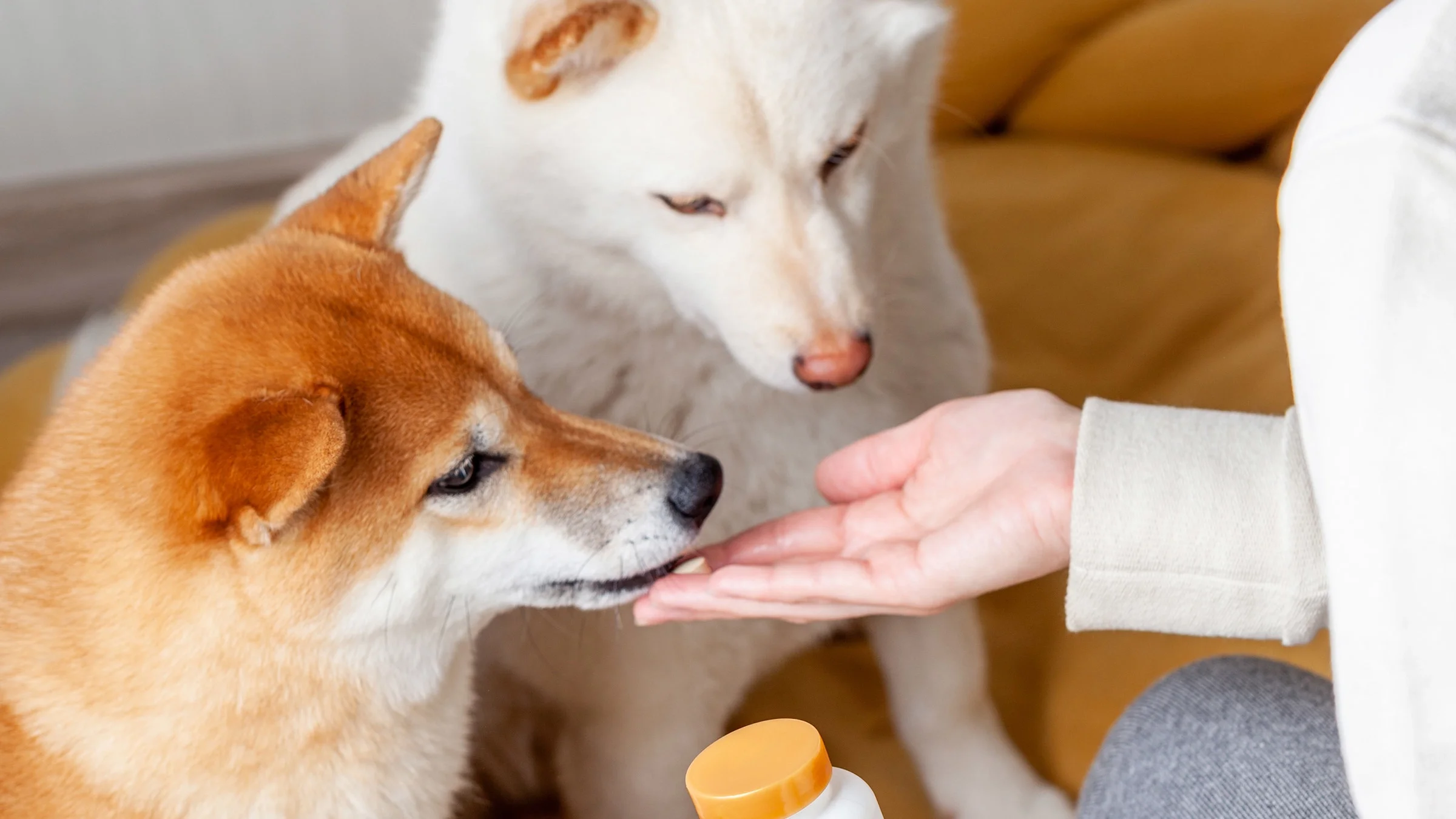
Credit: www.goodrx.com
Incorporating Probiotics Into Diet
Incorporating probiotics into your dog’s diet can support their digestive health daily. Probiotics help balance good bacteria in the gut. This balance improves nutrient absorption and strengthens the immune system. Consistent probiotic intake is gentle and natural for most dogs. It fits well into their regular meals and snacks.
Mixing With Food
Probiotics blend easily with your dog’s meals. Sprinkle powder or open capsules over their wet or dry food. This method masks the flavor, making it easier to eat. Start with a small amount to check tolerance. Gradually increase to the recommended dose. Mixing probiotics with food ensures your dog gets the full benefit without stress.
Treats And Supplements
Probiotic treats offer a tasty and convenient option. Many brands provide chewable or soft treats with added probiotics. These treats can be rewards during training or daily snacks. Supplements come in liquid, powder, or capsule form. Choose the type your dog prefers. Always follow dosage instructions on the package. Treats and supplements help maintain gut health with ease.
When To Consult A Veterinarian
Giving your dog probiotics every day can support their digestive health. Yet, not every dog reacts the same way. Some dogs may need special care or advice before starting daily probiotics. Knowing when to consult a veterinarian helps keep your dog safe and healthy.
Health Conditions That Require Caution
Certain health problems need extra care with probiotics. Dogs with a weak immune system might face risks. Dogs with chronic illnesses like kidney or liver disease need careful monitoring. Probiotics can interact with some medications. Always tell your vet about any health issues or medicines your dog uses.
Monitoring Your Dog’s Response
Watch your dog closely after starting probiotics. Look for changes in appetite, stool, or energy levels. Mild gas or soft stool may happen at first. If symptoms get worse or new problems appear, stop probiotics and see your vet. Regular check-ups help track your dog’s health and probiotic effects.

Credit: warehamanimalhospital.com

Credit: www.vetriscience.com
Frequently Asked Questions
Is It Safe To Give Dogs Probiotics Daily?
Yes, it’s generally safe to give dogs probiotics daily. They support gut health and digestion. However, consult your vet for personalized advice. Some dogs may require specific strains or dosages. Always choose high-quality probiotics designed for dogs to ensure safety and effectiveness.
What Are The Benefits Of Daily Probiotics For Dogs?
Daily probiotics can improve your dog’s digestive health and boost their immune system. They help maintain a balanced gut flora, reducing issues like diarrhea and constipation. Probiotics can also support skin health and reduce allergies, contributing to your dog’s overall well-being.
Can Probiotics Cause Side Effects In Dogs?
Probiotics are usually safe, but some dogs might experience mild side effects. These can include gas, bloating, or diarrhea. If symptoms persist or worsen, consult your veterinarian. Always introduce probiotics gradually to monitor your dog’s reaction and ensure the best results.
How To Choose The Right Probiotic For My Dog?
Choose a probiotic specifically formulated for dogs, focusing on quality and reputable brands. Look for products with multiple strains and high CFUs. Consult your vet to identify the best probiotic suited to your dog’s individual health needs and conditions.
Conclusion
Giving your dog a probiotic every day can support their gut health. It may improve digestion and boost immunity. Always choose probiotics made for dogs. Watch for any changes in your pet’s behavior or health. Consult your vet before starting daily probiotics.
They can recommend the right type and dose. Regular use can be safe and helpful for many dogs. Small steps lead to a healthier, happier pet. Keep your dog’s well-being as your top priority.

Emily Barker is the founder of ChillDogLife.com, a space dedicated to helping pup parents discover the best dog products, lifestyle tips, and cozy ideas for happier homes.
A lifelong dog lover, Emily combines her passion for pets with a knack for research to share trusted recommendations on everything from toys and furniture to health and everyday care.
Her goal is simple: to make life easier, stylish, and more joyful for dogs and the people who love them.




