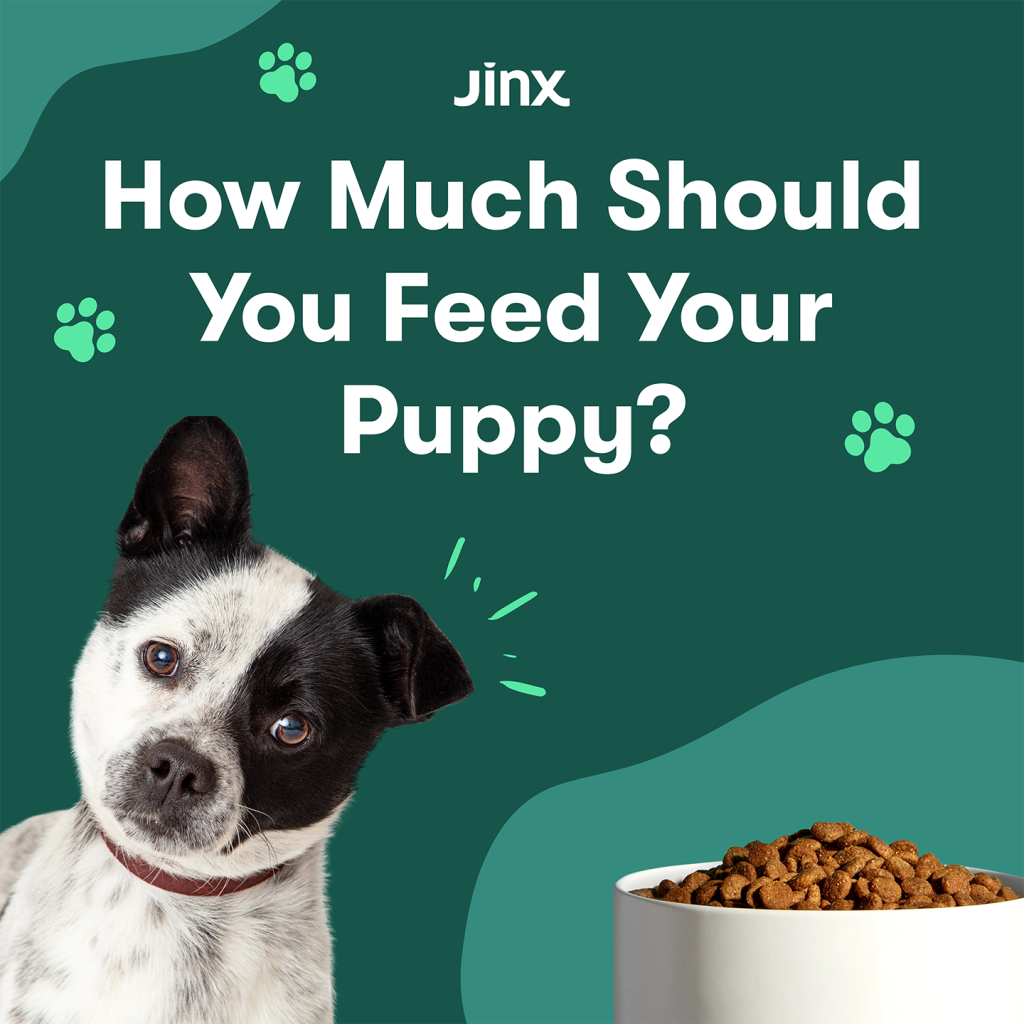
Are you wondering if it’s okay to give your adult dog puppy food? You’re not alone.
Many dog owners ask this question, especially when they want the best for their furry friend. Puppy food is packed with nutrients, but is it really the right choice for a grown dog? What could happen if you feed your adult dog puppy food regularly?
Keep reading to find out everything you need to know to make the best decision for your dog’s health and happiness.
Why Puppy Food Appeals To Owners
Many dog owners wonder if feeding adult dogs puppy food is okay. Puppy food looks rich and healthy. Owners often think it will help their dogs grow strong.
Puppy food often has a soft texture and smells good. These features make it tempting to use for adult dogs. Some owners believe it offers extra nutrition.
Nutritional Differences
Puppy food has more calories than adult dog food. Puppies need more energy to grow and play. It also has more protein and fat to support growth.
Adult dogs need fewer calories to maintain a healthy weight. Feeding puppy food to adult dogs can cause weight gain. This can lead to health problems over time.
- Puppy food: Higher calories, protein, and fat
- Adult dog food: Balanced for maintenance and health
- Too many calories can cause obesity in adult dogs
Marketing Influences
Pet food brands use bright colors and pictures on puppy food bags. These images attract dog owners’ attention. Marketing often shows happy puppies and strong dogs.
Some ads suggest puppy food is the best choice for all dogs. Owners might buy puppy food thinking it is higher quality. This can lead to feeding adult dogs the wrong food.
- Bright packaging draws owner attention
- Happy puppy images create positive feelings
- Marketing can confuse owners about food needs
Common Misconceptions
Some owners believe puppy food will make adult dogs grow bigger muscles. Others think it will keep dogs healthier for longer. These ideas are not always true.
Adult dogs do not need extra calories or fat. Feeding them puppy food can cause weight problems. It is important to choose food made for the dog’s age and health.
- Puppy food does not make adult dogs grow
- Extra calories can harm adult dogs’ health
- Age-appropriate food supports healthy maintenance
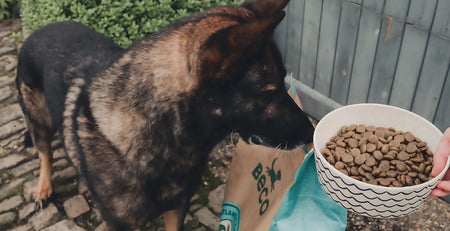
Credit: www.becopets.com
Benefits Of Puppy Food For Adult Dogs
Puppy food is made to help young dogs grow strong and healthy. Some adult dogs may also gain benefits from eating puppy food. This food has more nutrients and energy than regular adult dog food.
This article explains how puppy food can support adult dogs in different ways. It looks at the high nutrient content, support for active lifestyles, and improved palatability.
High Nutrient Content
Puppy food has extra vitamins and minerals. It helps keep an adult dog healthy and full of energy. The nutrients support a strong immune system and healthy skin and coat.
| Nutrient | Benefit for Adult Dogs |
| Protein | Builds and repairs muscles |
| Fat | Provides energy for daily activities |
| Calcium | Supports strong bones and teeth |
| Vitamins A and E | Help keep skin and coat healthy |
| Omega-3 Fatty Acids | Reduces inflammation and boosts brain health |
Support For Active Lifestyles
Active adult dogs need more energy to play and exercise. Puppy food has higher calories and fats to fuel their movement. It helps dogs stay strong and avoid fatigue.
- Extra calories provide long-lasting energy
- More protein helps repair muscles after exercise
- Balanced fats keep joints healthy
- Contains antioxidants to reduce cell damage
Improved Palatability
Puppy food often tastes better to dogs. The flavors and textures are made to appeal to picky eaters. Adult dogs may eat better and get more nutrition with puppy food.
Some reasons for improved palatability include:
- Higher fat content enhances flavor
- Smaller kibble size is easier to chew
- Added natural flavors increase taste appeal
Risks Of Feeding Puppy Food To Adults
Giving adult dogs puppy food can cause problems. Puppy food is made for growing dogs, not adults.
Adult dogs have different nutrition needs. Feeding puppy food to adults may harm their health.
Excess Calories And Weight Gain
Puppy food has more calories than adult dog food. This helps puppies grow fast and strong.
Adult dogs eating puppy food get too many calories. This can lead to weight gain and obesity.
- Extra calories cause fat buildup
- Obesity increases risk of diseases
- Heavy dogs have joint and heart problems
Imbalanced Nutrient Intake
Puppy food has more protein, fat, and vitamins. These nutrients support puppy growth but may be too much for adults.
Adult dogs need balanced nutrients for maintenance. Too many nutrients can cause health issues over time.
- Excess protein stresses kidneys
- Too much fat can cause pancreatitis
- High calcium may harm bones in adults
Potential Digestive Issues
Puppy food has different fiber and fat levels. Adult dogs may have trouble digesting this food.
Digestive problems include diarrhea, gas, and upset stomach. These issues reduce dog comfort and health.
- Too much fat can cause loose stools
- Fiber imbalance may lead to gas
- Sudden diet changes can upset digestion
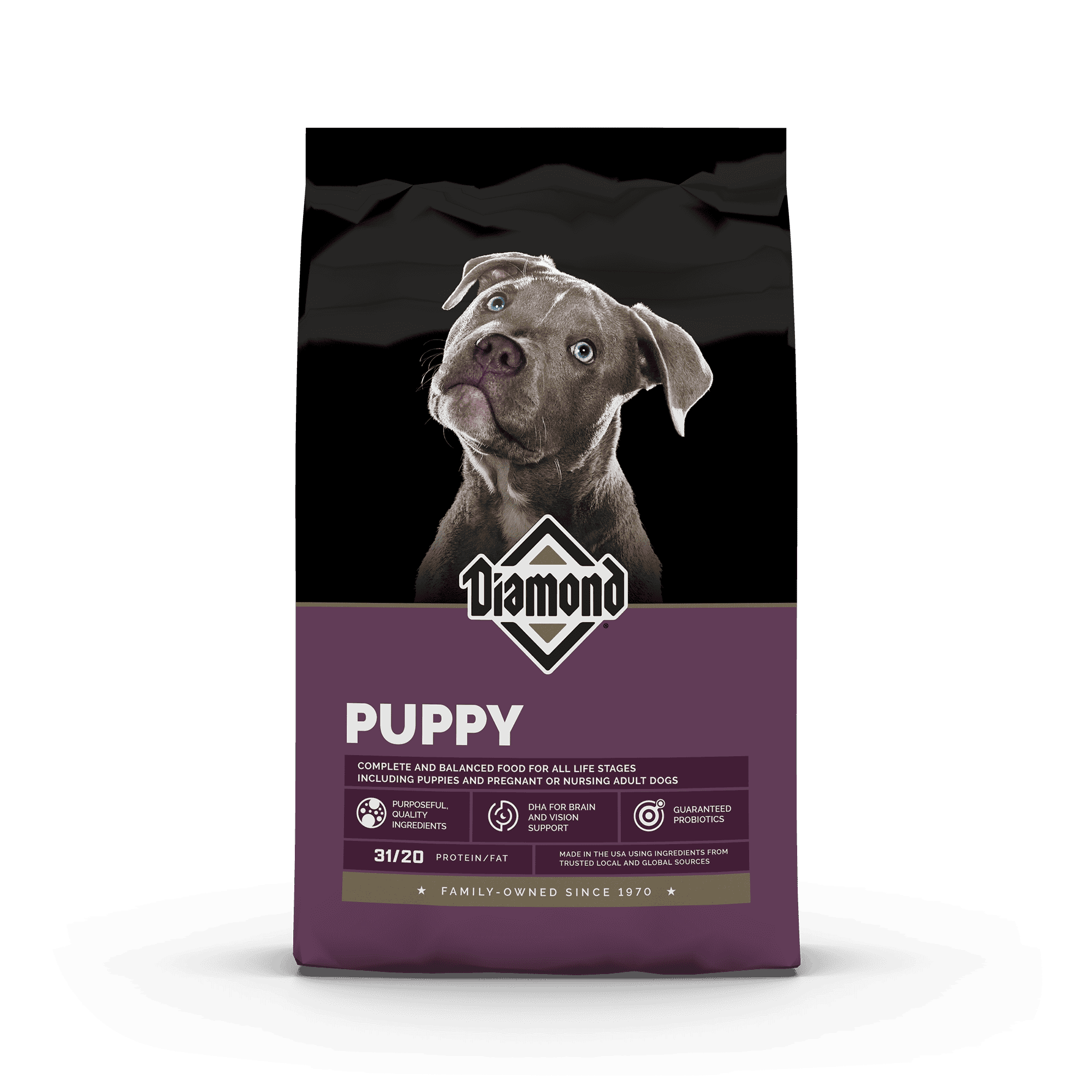
Credit: www.diamondpet.com
When Puppy Food Might Be Suitable
Adult dogs usually need food made for their age and size. Puppy food has more nutrients for growing pups. Sometimes, adult dogs may benefit from puppy food for special reasons.
This article explains when feeding puppy food to adult dogs could be helpful. Knowing these cases helps you care for your dog’s health better.
Underweight Adult Dogs
Adult dogs that are too thin might need extra calories. Puppy food has more calories and protein than adult dog food. This helps underweight dogs gain weight safely.
Feeding puppy food can give underweight dogs the energy and nutrients they need to build muscle and improve health.
Pregnant Or Nursing Dogs
Pregnant or nursing dogs need more nutrition to support their puppies. Puppy food has extra vitamins and minerals to help with this.
Feeding puppy food can make sure the mother dog stays strong and healthy during pregnancy and while nursing.
Senior Dogs With Specific Needs
Some older dogs need more protein and calories than usual. Puppy food can help if a senior dog is losing weight or muscle.
Use puppy food for seniors only if your vet agrees. It can support aging dogs with special health needs.
Expert Tips For Transitioning Diets
Feeding your adult dog puppy food is a common question for many pet owners. Changing your dog’s diet needs care and attention.
Switching diets too fast can upset your dog’s stomach. Follow these expert tips to help your dog adjust smoothly.
Gradual Food Changes
Change your dog’s food slowly over a week or more. Mix small amounts of the new food with the old one.
This slow change helps your dog’s digestive system get used to the new food. Avoid sudden changes to reduce stomach upset.
- Start with 25% new food and 75% old food
- Increase new food to 50% after 2-3 days
- Move to 75% new food and 25% old food after another 2-3 days
- Feed 100% new food after 7 days if no issues occur
Monitoring Health And Behavior
Watch your dog’s health closely during the diet change. Look for signs like vomiting, diarrhea, or loss of appetite.
Check your dog’s energy levels and mood too. Changes in behavior can show how well your dog adapts to the new food.
- Note any changes in stool consistency or frequency
- Observe your dog’s energy and playfulness
- Watch for scratching or skin irritation
- Record any unusual behavior or signs of discomfort
Consulting Your Veterinarian
Talk to your vet before changing your dog’s diet. They can advise if puppy food is right for your adult dog.
Your vet can recommend the best food type and help you avoid nutrition problems. Always follow their guidance for your dog’s health.
- Get a full health check before switching foods
- Ask about nutrient needs for adult dogs
- Discuss any allergies or health issues
- Follow vet advice on food amounts and types

Credit: www.youtube.com
Alternative Food Options For Adult Dogs
Adult dogs have different nutritional needs compared to puppies. Feeding them puppy food can lead to health issues. It’s important to choose the right food for your adult dog.
There are many food options available that suit an adult dog’s diet. Understanding these options helps ensure your dog stays healthy and happy.
Age-appropriate Formulas
Age-appropriate formulas are specially made for adult dogs. They have the right balance of nutrients. These formulas help maintain your dog’s health and energy.
Look for labels that say “adult formula” or “mature dog”. These products often have lower calories and the right amount of protein.
- Check for balanced nutrients
- Ensure lower calorie content
- Look for “adult” or “mature” labels
Homemade Diets
Homemade diets let you control what your dog eats. You can use fresh ingredients and avoid preservatives. It’s a good way to ensure your dog gets a balanced diet.
Be sure to include all necessary nutrients. Consult a vet to make sure your homemade diet is complete.
- Use fresh ingredients
- Avoid preservatives
- Consult a vet for a balanced diet
Specialized Veterinary Diets
Veterinary diets are designed for dogs with specific health needs. These diets can help manage conditions like allergies or obesity. Your vet can recommend the best diet for your dog.
These diets are formulated to provide the exact nutrients needed. They support specific health conditions effectively.
| Condition | Diet Type |
| Allergies | Hypoallergenic diet |
| Obesity | Weight management diet |
| Kidney issues | Renal support diet |
Frequently Asked Questions
Can Adult Dogs Eat Puppy Food Safely?
Adult dogs can eat puppy food occasionally, but it’s not ideal long-term. Puppy food has more calories and nutrients, which can cause weight gain in adults. It’s best to feed adult dogs food formulated for their age and activity level to maintain balanced nutrition and health.
What Happens If Adult Dogs Eat Puppy Food Regularly?
Feeding adult dogs puppy food regularly may lead to obesity and digestive issues. Puppy food is richer in fats and proteins, which adult dogs need less of. This imbalance can stress their organs and cause nutrient excess, so adult-specific diets are recommended for optimal health.
Is Puppy Food Beneficial For Senior Dogs?
Puppy food is generally not suitable for senior dogs. Older dogs have different nutritional needs, often requiring fewer calories and more joint support ingredients. Using puppy food can lead to weight gain and nutrient imbalance. Consult a vet to choose the best diet for senior dogs.
How To Transition Adult Dogs From Puppy Food?
To switch adult dogs from puppy to adult food, gradually mix increasing amounts of adult food over 7-10 days. This slow transition helps avoid digestive upset. Monitor your dog’s health and adjust feeding amounts as needed to ensure a smooth and healthy diet change.
Conclusion
Adult dogs need different nutrients than puppies. Puppy food has extra calories and nutrients for growth. Feeding adult dogs only puppy food can cause weight gain. It may also upset their stomach or cause health problems. Sometimes, small amounts of puppy food are okay for adult dogs.
Always check with your vet before changing your dog’s diet. Choosing the right food helps your dog stay healthy and happy. Remember, balanced nutrition is key to a long, active life. Keep your dog’s needs in mind when picking food.

Emily Barker is the founder of ChillDogLife.com, a space dedicated to helping pup parents discover the best dog products, lifestyle tips, and cozy ideas for happier homes.
A lifelong dog lover, Emily combines her passion for pets with a knack for research to share trusted recommendations on everything from toys and furniture to health and everyday care.
Her goal is simple: to make life easier, stylish, and more joyful for dogs and the people who love them.




