
You might be wondering if it’s safe to share your protein powder with your dog. After all, you want the best for your furry friend, and boosting their nutrition sounds like a good idea.
But before you sprinkle some of your human protein powder into their bowl, there are important facts you need to know. Giving your dog the wrong supplement could harm them, even if it seems healthy to you. Keep reading to find out whether human protein powder is good for dogs, what risks to watch out for, and the best ways to support your pet’s health safely.
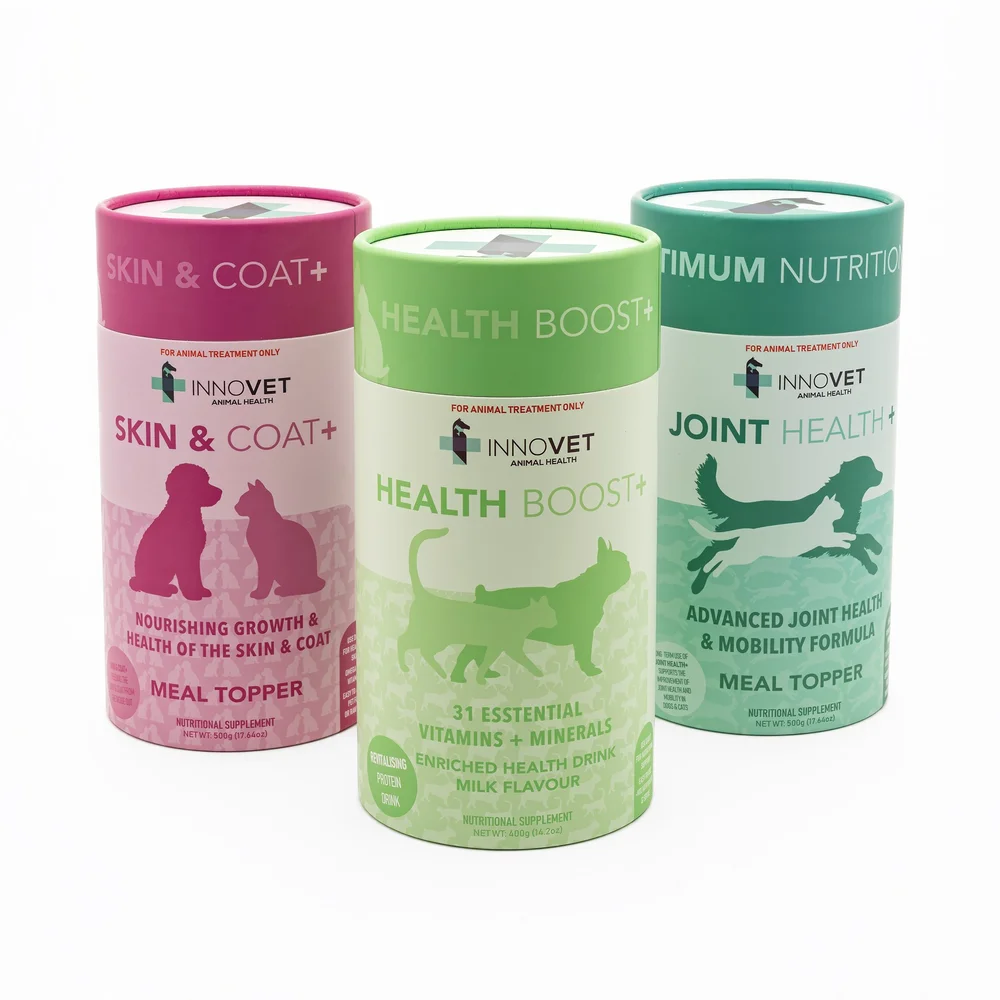
Credit: www.innovet.com.au
Human Protein Powder And Dogs
Many dog owners wonder if it’s safe or beneficial to share their human protein powder with their furry friends. While protein is essential for dogs just like it is for people, not all protein powders are created equal. Understanding what goes into these powders and why you might consider giving them to your dog can help you make a safer choice.
Common Ingredients In Protein Powders
Human protein powders often contain a mix of ingredients designed to boost muscle growth and recovery. Here are some typical components:
- Whey or Casein Protein:These are milk-based proteins that are usually safe in small amounts but can cause digestive upset in lactose-intolerant dogs.
- Soy or Plant-Based Proteins:These can be harder for dogs to digest and sometimes cause allergies.
- Added Sugars and Sweeteners:Ingredients like xylitol are toxic to dogs and should be avoided at all costs.
- Artificial Flavors and Colors:These add no nutritional value and might irritate your dog’s stomach.
- Vitamins and Minerals:While some are beneficial, too much of certain nutrients can be harmful to dogs.
Knowing exactly what’s in your protein powder is crucial before offering it to your dog. Many human supplements contain additives not suited for canine health.
Why Owners Consider Protein Powder For Dogs
Some pet owners look to protein powders to help their dogs gain weight, build muscle, or recover after illness. You might be tempted to share your protein shake after a workout, thinking it could help your dog stay strong too.
However, not all protein powders meet the specific dietary needs of dogs. Dogs require a balance of nutrients tailored to their metabolism, which differs from humans.
Ask yourself: Does your dog really need extra protein? Most commercial dog foods already provide adequate amounts. If your dog has a special health condition or is very active, consulting your vet about safe supplements is a smarter approach.

Credit: wholisticpetorganics.com
Health Risks Of Human Protein Powder For Dogs
Giving your dog human protein powder might seem like a quick fix to boost their nutrition. However, many protein powders contain ingredients that can be harmful to dogs. Understanding the potential health risks helps you protect your furry friend from unwanted side effects.
Toxic Ingredients To Avoid
Many human protein powders include artificial sweeteners like xylitol, which is extremely toxic to dogs, even in small amounts. Additionally, some powders contain caffeine or chocolate flavoring, both dangerous for pets. Always check the label for harmful additives before considering any supplement for your dog.
Digestive Issues And Allergies
Dogs have sensitive stomachs that may not handle human protein powders well. Ingredients such as lactose, common in whey protein, can cause diarrhea, gas, or vomiting if your dog is lactose intolerant. Allergic reactions can also occur, leading to itching, swelling, or breathing difficulties.
Impact On Kidney And Liver Health
Excess protein can strain your dog’s kidneys and liver, especially in older dogs or those with pre-existing conditions. Human protein powders often contain high protein levels that exceed what dogs need daily. Over time, this overload may lead to serious organ damage, so it’s crucial to consult your vet before adding supplements.
Safe Protein Alternatives For Dogs
Finding safe protein alternatives for your dog is essential if you’re considering supplements or want to boost their diet naturally. Dogs have different nutritional needs than humans, so not all protein powders meant for people are suitable for them. Choosing the right protein sources can improve your dog’s health without risking digestive upset or allergies.
Commercial Dog Protein Supplements
There are protein powders and supplements specifically designed for dogs available at pet stores or online. These products typically contain ingredients that support canine digestion and overall health, such as hydrolyzed proteins or collagen. Always check the label for harmful additives and consult your vet before adding these supplements to your dog’s diet.
One of my friends switched to a salmon-based protein supplement for her dog after noticing skin irritation from a human whey powder. The change made a visible difference in her dog’s coat and energy levels within weeks.
Natural Protein Sources
Whole foods can be a fantastic way to add protein to your dog’s meals. Cooked lean meats like chicken, turkey, and beef are excellent choices. Fish, such as salmon or sardines, also provide protein and beneficial omega-3 fatty acids.
Eggs are another powerful protein source you can easily prepare at home. Just make sure to cook them thoroughly to avoid any risk of salmonella. Have you tried mixing eggs into your dog’s regular food to see if they enjoy the flavor?
Homemade Protein-rich Treats
Creating protein-packed treats yourself lets you control every ingredient. You can blend cooked chicken, pumpkin, and oats into bite-sized snacks that your dog will love. Freeze them for a cool treat on hot days or keep them fresh in the fridge for training rewards.
Using simple ingredients you already have can save money and avoid fillers found in some commercial treats. How about experimenting with peanut butter and banana combined with protein powder formulated for dogs? It’s a fun way to treat your pet while keeping their nutrition on track.

Credit: www.amazon.ca
Feeding Guidelines And Precautions
Feeding your dog human protein powder may seem like a quick fix to boost their nutrition, but it requires careful attention. Understanding the proper guidelines and precautions is essential to keep your furry friend safe and healthy. Let’s break down what you need to know before adding any supplement to your dog’s diet.
Consulting Your Veterinarian
Always talk to your vet before giving your dog human protein powder. Your vet knows your dog’s health history and can advise if the supplement is suitable. They can also recommend safer, pet-specific alternatives if needed.
Never assume that what’s good for you will be good for your dog. Some ingredients in human protein powders, like artificial sweeteners or lactose, can be harmful. Your vet’s guidance can prevent unexpected health issues.
Proper Dosage And Frequency
Determining the right amount of protein powder for your dog is crucial. Overfeeding protein can strain your dog’s kidneys, especially in older pets or those with pre-existing conditions.
- Start with a small dose, such as half a teaspoon mixed into their food.
- Observe how your dog responds before increasing the amount.
- Limit protein powder to a few times per week, rather than daily.
Have you noticed how even small changes in diet can affect your dog’s energy or digestion? This makes precise dosing even more important.
Monitoring Your Dog’s Reaction
After introducing protein powder, watch your dog closely for any changes in behavior or health. Look for signs like upset stomach, vomiting, diarrhea, or unusual lethargy.
Keep a journal of your dog’s reactions over several days. This will help you and your vet understand whether the supplement is beneficial or causing harm.
If you see any negative symptoms, stop feeding the powder immediately and consult your vet. Your dog’s safety should always come first, even if you’re eager to improve their nutrition.
Frequently Asked Questions
Is Human Protein Powder Safe For Dogs?
No, human protein powder is not safe for dogs. It contains ingredients that may harm dogs. Artificial sweeteners, flavors, and preservatives can be toxic. Always consult a veterinarian before introducing any human supplements to your dog’s diet. Opt for protein sources specifically designed for dogs.
Can Protein Powder Harm My Dog?
Yes, protein powder can harm your dog. It contains ingredients unsuitable for dogs. Artificial additives and excess protein can cause health issues. Digestive upset, kidney strain, and toxicity from certain sweeteners are possible. Always prioritize dog-specific protein sources and consult your vet for guidance.
What Happens If A Dog Eats Protein Powder?
If a dog eats protein powder, it might experience digestive upset. Symptoms include vomiting and diarrhea. Some ingredients can be toxic, leading to more severe health issues. Monitor your dog closely and consult a veterinarian if symptoms persist or worsen.
It’s crucial to keep human supplements out of reach.
Are There Dog-friendly Protein Supplements Available?
Yes, there are dog-friendly protein supplements available. These are specially formulated for canine nutritional needs. They ensure your dog gets the right nutrients without harmful additives. Always choose supplements from reputable brands and consult your veterinarian to ensure they suit your dog’s health and dietary requirements.
Conclusion
Giving human protein powder to dogs is not a good idea. Dogs need special food made just for them. Human protein powders may have ingredients that can harm dogs. Always check with a vet before adding new food. Your dog’s health comes first.
Choose safe and healthy options made for dogs. Care and caution keep your pet happy and strong. Remember, what works for humans may not work for pets. Stay informed and protect your furry friend.

Emily Barker is the founder of ChillDogLife.com, a space dedicated to helping pup parents discover the best dog products, lifestyle tips, and cozy ideas for happier homes.
A lifelong dog lover, Emily combines her passion for pets with a knack for research to share trusted recommendations on everything from toys and furniture to health and everyday care.
Her goal is simple: to make life easier, stylish, and more joyful for dogs and the people who love them.




