
Are you wondering if it’s okay to feed your adult dog puppy food? You might think it’s a simple swap, but what you choose to feed your furry friend can impact their health in big ways.
Puppy food is made for growing dogs, but is it safe or even beneficial for a full-grown dog? Keep reading to discover the surprising facts that could change how you care for your dog’s diet—and help you make the best choice for their well-being.
Differences Between Puppy And Adult Dog Food
Puppy food and adult dog food are made for different life stages. Each type meets specific needs for growing or mature dogs.
Feeding the right food helps keep dogs healthy and strong throughout their lives.
Nutritional Content
Puppy food has more protein and fat than adult dog food. This helps puppies grow muscles and develop properly.
Adult dog food has balanced nutrients for maintenance and energy without extra growth needs.
- Puppy food: Higher protein and fat
- Adult food: Balanced nutrients
- Puppy food supports growth
- Adult food supports health maintenance
Calorie Requirements
Puppies need more calories per pound than adult dogs. They burn energy fast and need fuel for growth.
Adult dogs need fewer calories to avoid weight gain and keep a healthy body.
- Puppies: High calorie needs
- Adult dogs: Moderate calorie needs
- Too many calories can cause adult dogs to gain weight
- Too few calories can slow puppy growth
Ingredient Variations
Puppy food often contains ingredients that are easy to digest. It also has added vitamins and minerals for bone and brain growth.
Adult dog food focuses on balanced ingredients for overall health. It may have more fiber to support digestion.
- Puppy food: Digestible proteins, DHA, calcium
- Adult food: Fiber-rich ingredients, balanced minerals
- Puppy food supports development
- Adult food supports daily health
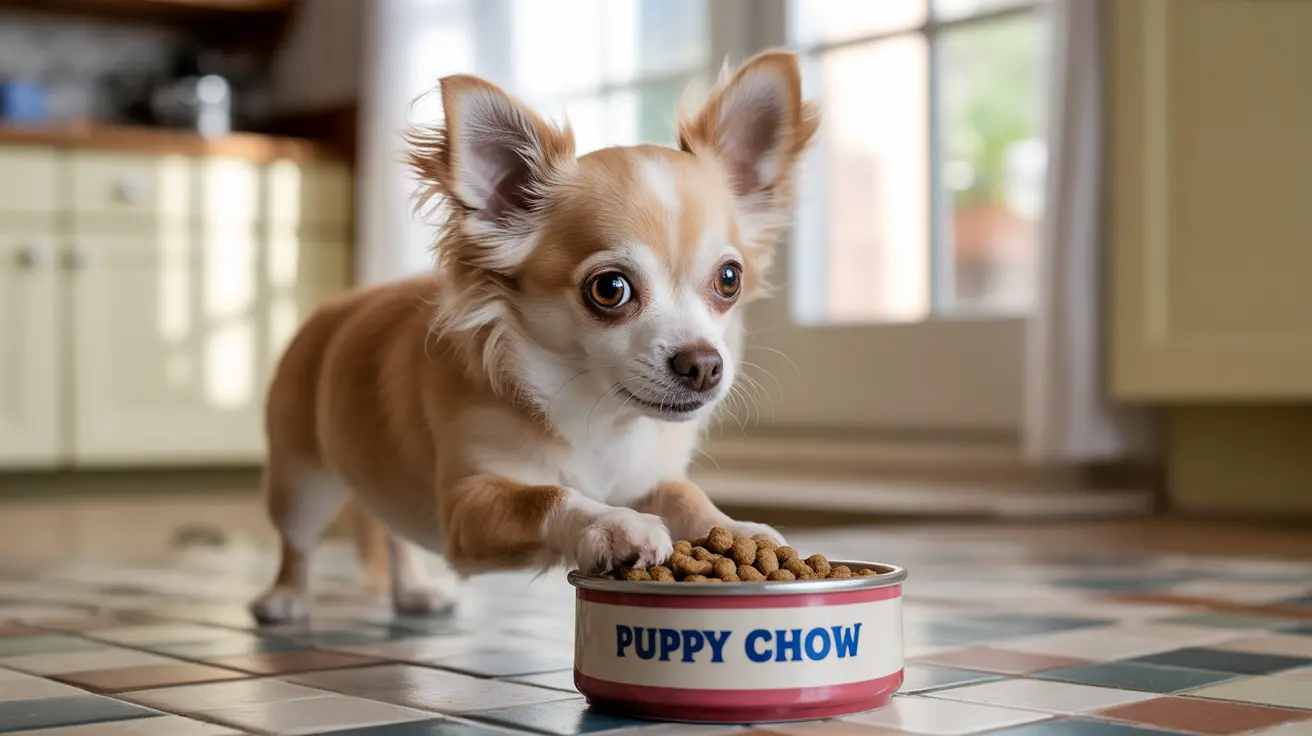
Credit: www.petscare.com
Impact Of Feeding Puppy Food To Adult Dogs
Puppy food is made for growing dogs. It has more calories and nutrients than adult dog food. Feeding adult dogs puppy food can cause some problems.
Adult dogs have different needs. Giving them puppy food may affect their health and behavior over time.
Weight Gain Risks
Puppy food contains extra calories to support growth. Adult dogs do not need as many calories. Eating puppy food can lead to weight gain.
Too much weight can cause joint pain and heart problems. It can also reduce your dog’s energy and lifespan.
- Puppy food has higher fat and protein levels
- Adult dogs may gain unhealthy weight
- Obesity increases risk of diseases
Digestive Concerns
Adult dogs’ stomachs are used to a balanced diet. Puppy food may have more fat and richer ingredients. This can upset digestion.
Dogs may experience diarrhea, gas, or vomiting. Their digestive system may struggle with the extra nutrients and calories.
- Rich puppy food can cause stomach upset
- Adult dogs may have diarrhea or gas
- Digestive issues can lead to discomfort
Behavioral Changes
Feeding puppy food to adult dogs may affect their behavior. High energy nutrients can make them more restless or hyperactive.
Some dogs may beg for more food because puppy food tastes richer. This can cause begging or food guarding behaviors.
- Extra energy can cause hyperactivity
- Richer taste may increase begging
- Changes in behavior may need attention
When Puppy Food Might Be Suitable For Adults
Adult dogs usually need food made for their age and size. Puppy food has more calories and nutrients for growing dogs. But some adult dogs can benefit from eating puppy food for a short time.
This guide explains when puppy food might be right for adult dogs. Use it carefully to keep your dog healthy.
Underweight Adult Dogs
Some adult dogs are underweight and need extra calories. Puppy food has more fat and protein. It can help these dogs gain weight safely.
- Puppy food supports muscle growth and energy.
- It helps dogs recover from weight loss.
- Consult a vet before switching to puppy food.
Pregnant Or Nursing Dogs
Pregnant and nursing dogs need more nutrients for their puppies. Puppy food has extra vitamins and minerals that support this stage.
| Stage | Why Puppy Food Helps |
| Pregnant | Supports puppy development |
| Nursing | Increases milk quality and quantity |
| After Nursing | Helps mother regain strength |
Recovery From Illness
Dogs recovering from illness or surgery need more energy and nutrients. Puppy food can help them heal faster and regain strength.
- High protein supports tissue repair
- Extra fat provides energy
- Vitamins and minerals boost the immune system
Choosing The Right Food For Your Dog
Feeding an adult dog with puppy food may seem like a simple choice. But it is important to pick the right food for your dog’s health.
Adult dogs and puppies have different nutritional needs. Choosing the right food helps keep your dog healthy and happy.
Consulting A Veterinarian
Your vet knows what food suits your dog’s age and health. They can guide you if puppy food is okay for your adult dog.
Some dogs may need special diets due to health problems. Your vet can suggest the best food to meet these needs.
Reading Food Labels
Check the food label to see if it fits your dog’s life stage. Puppy food has more calories and nutrients for growth.
Adult dogs need balanced food for maintenance. Look for key ingredients like protein, fat, and vitamins on the label.
- Check the guaranteed analysis for nutrient levels
- Look for AAFCO approval for dog life stages
- Avoid foods with too many fillers or artificial additives
Considering Special Dietary Needs
Some adult dogs have allergies or health issues. These dogs may need food with special ingredients or limited nutrients.
Consider your dog’s size, activity level, and any health problems. This helps you pick the right food for their needs.
- Dogs with allergies may need hypoallergenic food
- Senior dogs may require low-calorie or joint support food
- Active dogs might need higher protein and fat content
Transitioning Between Puppy And Adult Food
Switching your dog from puppy to adult food needs care and patience. A smooth change helps avoid stomach issues.
Dogs need different nutrients as they grow. Transitioning slowly lets their body adjust to new food.
Gradual Food Changes
Change your dog’s food over several days. Start by mixing a small amount of adult food with puppy food.
- Day 1-3: Mix 25% adult food with 75% puppy food.
- Day 4-6: Mix 50% adult food with 50% puppy food.
- Day 7-9: Mix 75% adult food with 25% puppy food.
- Day 10+: Feed 100% adult food.
Monitoring Your Dog’s Response
Watch your dog’s behavior and digestion during the switch. Check for any changes in appetite or energy.
| What to Watch | Normal Response | Concerns |
| Appetite | Steady or slight change | Loss of appetite |
| Stool | Firm and regular | Loose stools or diarrhea |
| Energy | Active and alert | Lethargy or unusual tiredness |
| Coat | Shiny and smooth | Dull or patchy fur |
Signs To Watch For
Know the signs that tell you if the food change is a problem. Some signs need quick attention.
- Vomiting or repeated nausea
- Severe diarrhea lasting more than two days
- Swelling or bloating of the abdomen
- Signs of allergy like itching or redness
- Sudden weight loss or gain
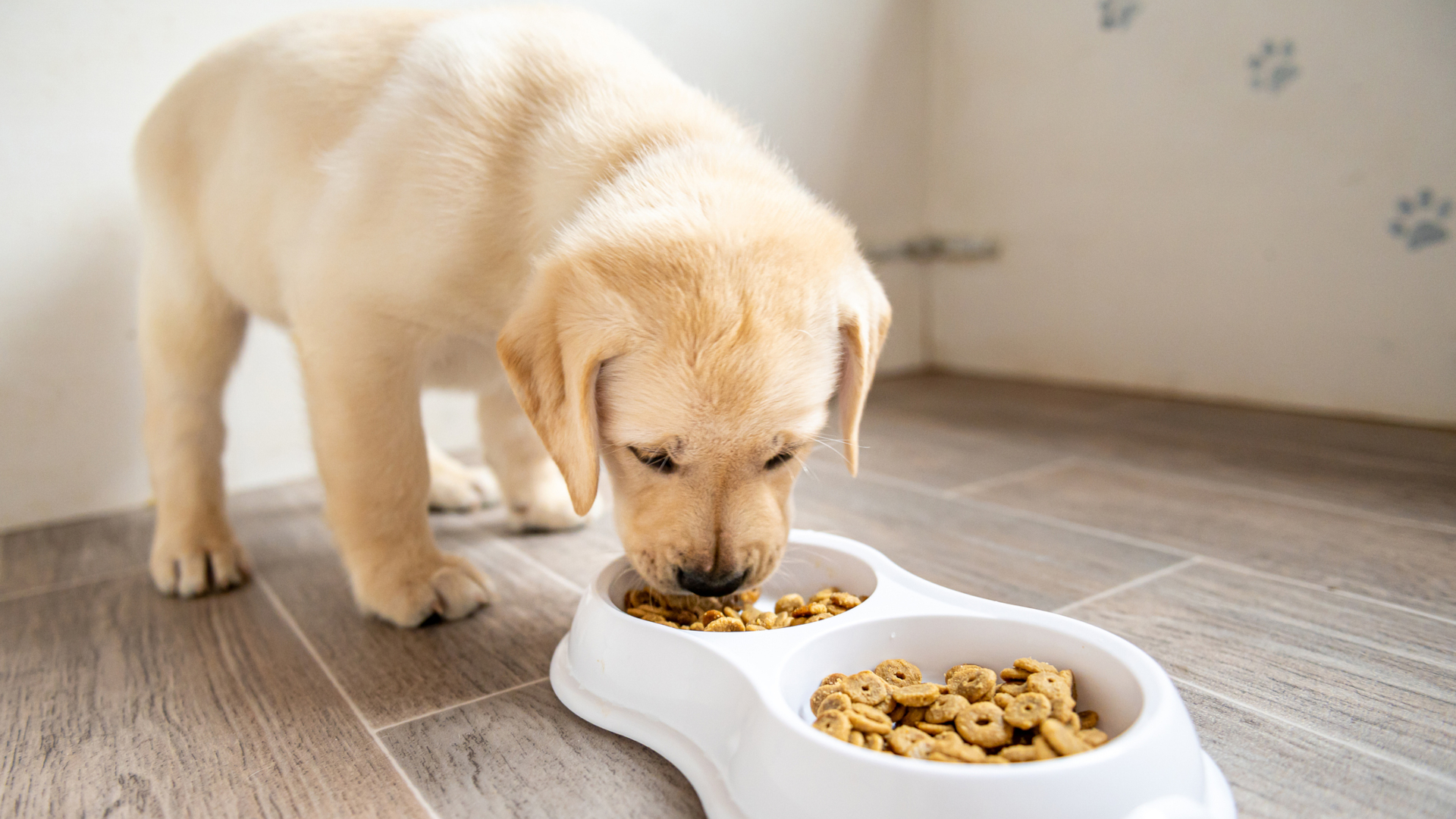
Credit: www.petsradar.com

Credit: us.eukanuba.com
Frequently Asked Questions
Can Adult Dogs Eat Puppy Food Safely?
Adult dogs can eat puppy food occasionally but it’s not ideal long-term. Puppy food has more calories and nutrients meant for growth. Feeding it regularly may cause weight gain or digestive issues in adults. Always consult a vet before changing your dog’s diet.
What Happens If An Adult Dog Eats Puppy Food?
If an adult dog eats puppy food once or twice, there’s usually no harm. However, frequent feeding may lead to obesity, nutrient imbalance, or stomach upset. Puppy food is richer and designed for growing dogs, which can be too intense for adult dog metabolism.
Is Puppy Food Good For Senior Dogs?
Puppy food is not suitable for senior dogs because it has excess calories and protein. Older dogs need diets tailored to their slower metabolism and health needs. Feeding puppy food to seniors can cause weight gain and strain organs. Always choose age-appropriate dog food.
Can Feeding Puppy Food Cause Adult Dog Weight Gain?
Yes, feeding puppy food regularly can cause adult dogs to gain weight. Puppy food contains higher fats and calories to support growth. Adult dogs need balanced nutrition with controlled calories to avoid obesity and related health issues.
Conclusion
Feeding an adult dog puppy food is not ideal for long-term health. Puppy food has extra nutrients meant for growth, which adults don’t need. Too many nutrients can cause weight gain and digestive issues. Adult dogs do best on food made just for them.
Always check with your vet before changing your dog’s diet. A healthy diet supports a happy, active life. Choose the right food to keep your dog strong and well. Simple care makes a big difference.

Emily Barker is the founder of ChillDogLife.com, a space dedicated to helping pup parents discover the best dog products, lifestyle tips, and cozy ideas for happier homes.
A lifelong dog lover, Emily combines her passion for pets with a knack for research to share trusted recommendations on everything from toys and furniture to health and everyday care.
Her goal is simple: to make life easier, stylish, and more joyful for dogs and the people who love them.




