Are you wondering if you can buy a rabies vaccine for your dog on your own? Keeping your furry friend safe from rabies is important, but finding the right vaccine and understanding how to get it can be confusing.
You want to protect your dog without any hassle or risk. You’ll discover what you need to know about rabies vaccines, where to get them, and the best way to keep your pet healthy and happy. Keep reading to make sure your dog stays safe and protected.
Rabies Vaccine Basics
Understanding the basics of the rabies vaccine is crucial if you want to protect your dog effectively. This vaccine is not just a routine shot; it’s a vital shield against a deadly disease. Let’s break down why it matters and what you need to know.
Purpose Of The Vaccine
The rabies vaccine protects your dog from rabies, a fatal virus affecting the brain and nervous system. Once symptoms appear, rabies is almost always deadly in animals and humans alike. Vaccination helps your dog build immunity, preventing infection even if exposed to the virus.
Think of the vaccine as a preemptive strike that saves you from heartbreaking situations and costly emergency treatments. Without it, your dog is vulnerable to a disease with no cure.
How Rabies Spreads
Rabies primarily spreads through bites from infected animals like bats, raccoons, skunks, and foxes. The virus is present in saliva and enters the body through wounds or mucous membranes. Even a small scratch from a rabid animal can transmit the virus.
It’s easy to underestimate the risk, especially if your dog stays mostly indoors. But wildlife can come close to your home or park, putting your dog in danger. Are you aware of local wildlife activity around your neighborhood?
Importance For Dogs
Dogs are often the first line of defense against rabies in communities. Vaccinating your dog protects not only them but also your family and others. Many regions legally require rabies vaccination to control outbreaks.
Ignoring this vaccine could lead to quarantine or even euthanasia if your dog is suspected of exposure. Your dog’s health and legal safety depend on staying up to date with rabies shots. Would you risk such consequences for your furry friend?
Where To Get The Vaccine
Knowing where to get a rabies vaccine for your dog is essential for their health and your peace of mind. You might think it’s easy to just buy one online or at any store, but the options vary and some are more reliable than others. Let’s look at the best places to get your dog vaccinated safely and legally.
Veterinary Clinics
Veterinary clinics are the most trusted place to get a rabies vaccine for your dog. Vets not only provide the vaccine but also check your dog’s overall health during the visit. This ensures your pet is healthy enough for the shot and helps catch other issues early.
Many clinics offer appointments or walk-in services, making it convenient to fit into your schedule. Plus, the vaccine given by a licensed vet comes with official documentation, which you may need for licensing or travel.
Animal Shelters
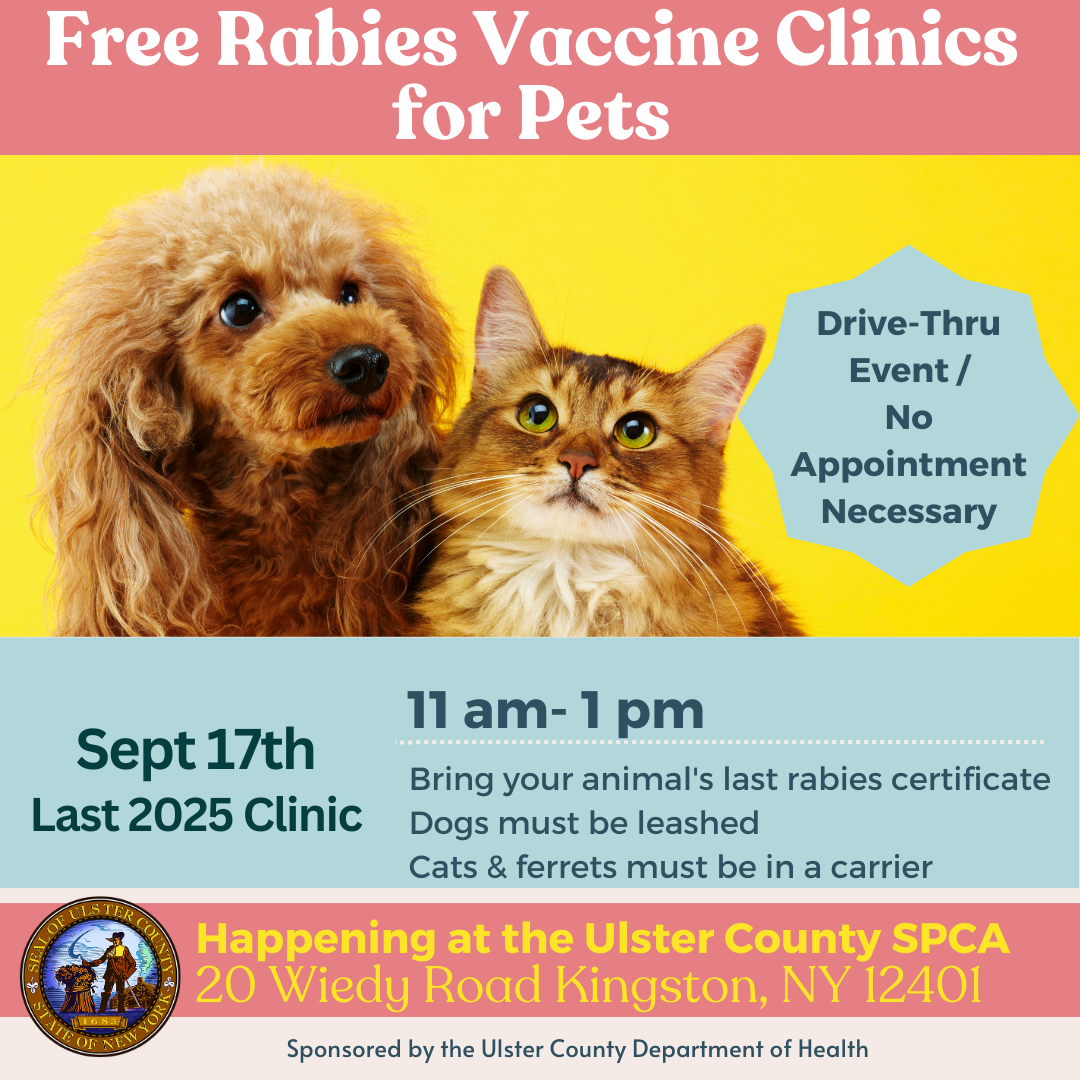
Some animal shelters provide low-cost or even free rabies vaccinations during special clinics or events. If you’re on a budget, checking with local shelters can save you money without sacrificing quality.
These shelters often collaborate with vets to ensure proper vaccine administration. It’s a great way to protect your dog while supporting community animal care programs.
Pharmacies And Online
Pharmacies sometimes stock vaccines for pets, but rabies shots are rarely available for direct purchase by pet owners. This is because the vaccine needs proper handling and administration by a professional.
Buying rabies vaccines online might seem convenient, but it carries risks. Without a vet’s supervision, you could end up with counterfeit or improperly stored vaccines that won’t protect your dog.
Have you considered how important it is to have a vet’s guidance when vaccinating your dog? It’s not just about buying the vaccine but ensuring it’s done safely and legally.
Legal Requirements
Understanding the legal requirements for rabies vaccination is crucial if you want to keep your dog safe and avoid penalties. Laws differ widely depending on where you live, and knowing them helps you stay compliant and protect your pet’s health. Let’s break down what you need to know about the rules around rabies vaccines for dogs.
State And Local Laws
Every state has its own rules about rabies vaccination. Some require all dogs to be vaccinated by a certain age, while others may have exemptions or special conditions. Local counties or cities might add extra rules, so it’s important to check both state and local regulations.
Have you ever wondered why your neighbor’s dog has a different vaccination schedule? It often comes down to these local differences. Contact your local animal control or veterinary office to get the exact requirements for your area.
Vaccination Schedules
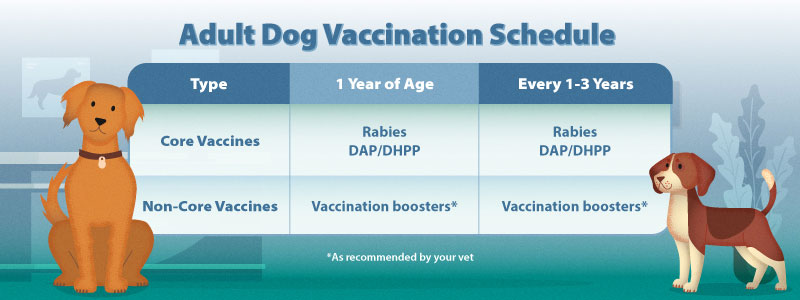
Rabies vaccines usually start when your puppy is around 12 to 16 weeks old. After the initial shot, a booster is typically required one year later. Following that, booster shots are needed every one to three years depending on the vaccine type and legal mandates.
Skipping or delaying these shots can put your dog at risk and may also lead to fines. Keeping track of vaccination dates and setting reminders can make this easier. What system do you use to remember your pet’s health appointments?
Proof And Documentation
After your dog gets vaccinated, you should receive a rabies certificate from the vet. This document is your proof that your dog complies with the law. You may need it for licensing, boarding, or traveling with your pet.
Keep this certificate safe and accessible. Losing it can cause unnecessary hassle, especially if your dog gets injured or you need to prove vaccination status quickly. Have you organized your pet’s health documents in one place yet?
Credit: www.ucspca.org
Vaccine Safety And Side Effects
Understanding the safety and possible side effects of the rabies vaccine is crucial before deciding to vaccinate your dog. While vaccines protect your pet from dangerous diseases, it’s natural to wonder about the risks involved. Knowing what to expect can help you keep your dog safe and comfortable after vaccination.
Common Reactions
Most dogs handle the rabies vaccine well, with only mild side effects. You might notice slight soreness or swelling at the injection site. Some dogs may feel tired or have a mild fever for a day or two.
Occasionally, dogs may experience a temporary loss of appetite or mild itching. These reactions usually disappear without treatment and are signs that the immune system is responding. Have you ever noticed your dog acting a bit off after a shot? This is often normal but should be monitored closely.
When To Contact A Vet
While serious reactions are rare, you should watch for signs that need immediate veterinary attention. Symptoms like vomiting, diarrhea, difficulty breathing, swelling of the face or neck, or persistent lethargy are red flags.
If your dog shows any unusual behavior or symptoms beyond the mild ones mentioned, call your vet right away. Quick action can prevent complications and ensure your dog’s safety. Would you know how to spot a severe allergic reaction in your pet?
Long-term Protection
The rabies vaccine provides long-lasting protection, but immunity can vary based on your dog’s health and the vaccine used. Most vaccines offer protection for at least one to three years, depending on local regulations and vaccine type.
Regular booster shots are important to maintain immunity and comply with laws. Keeping a vaccination schedule helps protect your dog and your community from this deadly disease. Have you marked your calendar for your dog’s next booster yet?
Cost And Availability
Understanding the cost and availability of the rabies vaccine for your dog is essential before making a decision. Prices can vary widely depending on where you get the vaccine and whether you qualify for any discounts or insurance coverage. Knowing your options can help you protect your pet without breaking the bank.
Price Range
The price of a rabies vaccine for dogs typically ranges from $15 to $50. Clinics located in urban areas or specialized veterinary hospitals may charge more. You might find lower prices at local animal shelters or community veterinary clinics.
Remember, the cost usually covers the vaccine itself and a brief exam by the vet. Some places may also charge an additional fee for issuing the official rabies certificate. Have you checked multiple providers in your area to compare prices?
Free Or Low-cost Clinics
Many communities offer free or low-cost rabies vaccination clinics, especially during certain times of the year. These clinics are often sponsored by animal welfare organizations or local governments aiming to increase vaccination rates. Attending one could save you money and help you meet legal requirements.
Finding these clinics might require a quick online search or a call to your local animal control office. Keep in mind that these events can fill up fast, so plan ahead. Have you ever attended a community clinic, and how was your experience?
Insurance Coverage
Pet insurance plans vary in what they cover, but some may include vaccinations like rabies as part of their wellness package. It’s worth reviewing your insurance policy or talking to your provider to see if you can get reimbursed for the vaccine cost. This can ease the financial burden and encourage regular vaccinations.
If you don’t have pet insurance, consider whether it makes sense to invest in a plan that covers preventive care. Would having this coverage change how you manage your dog’s health appointments?
).png?width=652&height=815&name=PARL%20Vet%20Clinic%20Promotion%20Flyer%20(Instagram%20Post%20(45)).png)
Credit: www.parl.org
Alternatives And Additional Precautions
Finding alternatives to buying a rabies vaccine for your dog involves more than just looking for other products. It’s about protecting your furry friend through smart habits and additional health measures. Taking extra precautions can help reduce risks and keep your dog healthy in the long run.
Preventing Exposure
One of the best ways to protect your dog from rabies is to avoid situations where they might come in contact with wild animals or unknown dogs. Keep your dog on a leash during walks and avoid letting them roam freely in areas known for wildlife. You might also consider fencing your yard to create a safe space where your dog can play without risks.
Have you ever wondered how much control you really have over your dog’s environment? Small changes, like supervising outdoor time and securing trash bins, can lower the chances of encounters with rabid animals. Prevention is always safer than dealing with the consequences later.
Other Recommended Vaccines
Besides rabies, several vaccines protect your dog from common and serious illnesses. Vaccines for distemper, parvovirus, and leptospirosis are often recommended by veterinarians. These shots help prevent diseases that can be just as dangerous as rabies.
Think about your dog’s daily routine and potential risks. Are they socializing with other dogs? Do they spend time in parks or kennels? Adding these vaccines to their health plan can provide broader protection and peace of mind.
Regular Health Checks
Scheduling regular vet visits is crucial for maintaining your dog’s overall well-being. During these visits, your vet can check for early signs of illness and update necessary vaccinations. This ongoing care helps catch problems before they become serious.
Remember how easy it is to overlook subtle changes in your dog’s behavior or health? A professional eye can spot issues you might miss. Regular check-ups are an opportunity to ask questions and get personalized advice tailored to your dog’s needs.

Credit: www.ucspca.org
Frequently Asked Questions
Where Can I Buy A Rabies Vaccine For My Dog?
You can purchase a rabies vaccine for your dog from a licensed veterinarian. It’s important to consult with them to ensure the vaccine is appropriate. Some pet pharmacies also offer rabies vaccines. However, it’s crucial to get it administered by a professional to ensure your dog’s safety.
Is A Prescription Required For A Dog Rabies Vaccine?
Yes, a prescription is typically required for a dog rabies vaccine. Veterinarians assess your dog’s health before administering the vaccine. This ensures it’s safe and effective. Over-the-counter purchase isn’t recommended due to legal and safety reasons. Always consult your veterinarian for the best advice and proper vaccination procedures.
How Often Should Dogs Get Rabies Vaccines?
Dogs usually require a rabies vaccine once every one to three years. The frequency depends on the vaccine type and local regulations. Puppies get their first vaccine at around 12 weeks old. Always follow your veterinarian’s schedule to ensure your pet remains protected against rabies effectively.
What Is The Cost Of Rabies Vaccination For Dogs?
The cost of a rabies vaccination for dogs varies between $15 to $50. This depends on the location and veterinarian’s fees. Some clinics may offer discounted rates during special events. It’s crucial to prioritize your dog’s health and safety when considering the cost of vaccination.
Conclusion
Rabies vaccines keep dogs safe from a deadly disease. You cannot buy this vaccine online or at regular stores. Veterinarians must give it to your dog. They follow strict rules to ensure safety and effectiveness. Protect your pet by visiting a trusted vet regularly.
Stay informed about local laws on rabies vaccination. Your dog’s health and your family’s safety depend on it. Don’t wait—schedule a vaccine appointment soon. Simple steps make a big difference in preventing rabies.

Emily Barker is the founder of ChillDogLife.com, a space dedicated to helping pup parents discover the best dog products, lifestyle tips, and cozy ideas for happier homes.
A lifelong dog lover, Emily combines her passion for pets with a knack for research to share trusted recommendations on everything from toys and furniture to health and everyday care.
Her goal is simple: to make life easier, stylish, and more joyful for dogs and the people who love them.




