Are you worried that feeding your puppy adult dog food might harm them? It’s a common question many dog owners face, and the answer isn’t always clear.
What if a simple mistake with food could upset your puppy’s health or growth? Understanding whether adult dog food can make puppies sick is crucial for every pet parent. Keep reading to discover what you need to know to keep your furry friend healthy and happy.
Puppy Nutrition Needs
Puppies need special food to grow healthy and strong. Their nutrition is different from adult dogs.
Feeding puppies adult dog food can cause health problems. Understanding their needs helps avoid sickness.
Essential Nutrients For Growth
Puppies require key nutrients in the right amounts. These nutrients support their bones, muscles, and brain.
- Protein helps build strong muscles.
- Fat provides energy for play and learning.
- Calcium and phosphorus strengthen bones and teeth.
- Vitamins and minerals support immune health.
- DHA aids brain and eye development.
Caloric Requirements
Puppies burn more energy than adult dogs. They need more calories for growth and activity.
| Age | Calories per Pound of Body Weight | Feeding Frequency |
| 8 weeks | 55-60 | 4 times a day |
| 3 months | 50-55 | 3 times a day |
| 6 months | 45-50 | 2-3 times a day |
| 12 months | Adult levels | 2 times a day |
Differences From Adult Dogs
Adult dog food lacks some nutrients puppies need. It has less protein and fat for growth.
Feeding adult dog food to puppies can cause:
- Poor weight gain
- Weak bones
- Digestive upset
- Delayed development

Credit: www.purina.com
Risks Of Adult Dog Food For Puppies
Feeding puppies adult dog food can cause health problems. Puppies need special nutrients to grow well.
Adult dog food may lack important vitamins and minerals puppies require. This can lead to several risks.
Nutrient Imbalances
Puppies need more protein, fat, and certain vitamins than adult dogs. Adult dog food often has less of these.
Feeding adult dog food can cause a lack of essential nutrients. This slows puppy growth and weakens bones.
- Lower protein harms muscle development
- Less calcium and phosphorus affect bone strength
- Inadequate vitamins reduce immune system function
Digestive Issues
Puppies have sensitive stomachs that need special food. Adult dog food can upset their digestion.
Adult dog food may cause vomiting, diarrhea, or constipation in puppies. This happens because of different ingredients.
- High fiber may cause loose stools
- Fat levels may be too low or too high
- Different protein sources can trigger allergies
Long-term Health Effects
Feeding adult dog food to puppies over time can harm their health. Problems may not show up right away.
They may develop weak bones, poor teeth, or slow growth. These problems can last into adulthood.
- Bone deformities due to lack of minerals
- Dental issues from poor nutrition
- Weaker immune system increases illness risk
Common Symptoms Of Feeding Adult Food To Puppies
Puppies have special nutritional needs that differ from adult dogs. Feeding adult dog food to puppies can cause health problems.
This article explains common symptoms puppies may show if given adult dog food.
Vomiting And Diarrhea
Puppies may vomit or have diarrhea after eating adult dog food. Their digestive systems are not ready for the adult formula.
This can cause stomach pain, dehydration, and discomfort in young puppies.
- Frequent vomiting after meals
- Loose or watery stools
- Signs of stomach upset like bloating
Poor Weight Gain
Puppies need extra nutrients to grow strong. Adult dog food may not have enough calories or vitamins.
Feeding adult food can slow a puppy’s growth and cause low energy.
- Not gaining weight as expected
- Weak muscles or low energy
- Thin or dull coat
Behavioral Changes
Puppies fed adult food may act differently. They can seem tired or less playful than usual.
These changes happen because they lack the right nutrients for healthy brain and body development.
- Less interest in playing
- More sleeping or lethargy
- Irritability or discomfort
When Adult Dog Food Might Be Safe
Adult dog food is made for dogs that are fully grown. It has different nutrients than puppy food. Feeding adult dog food to puppies can cause problems if done for a long time.
Sometimes, using adult dog food for puppies is okay. This usually happens in short-term situations or under advice from a veterinarian. Knowing when it is safe helps keep puppies healthy.
Short-term Emergencies
If you run out of puppy food, adult dog food can be used for a short time. It should not last more than a few days. Puppies need extra nutrients that adult food may not have.
In emergencies, adult dog food can keep a puppy fed until you get the right food. Watch your puppy for any stomach upset or changes in behavior during this time.
- Use adult dog food for no more than 3 days
- Monitor the puppy’s health closely
- Switch back to puppy food as soon as possible
Consulting A Veterinarian
A veterinarian can tell you if adult dog food is okay for your puppy. Some puppies may have special needs or health issues. A vet can recommend the best diet in these cases.
Always ask a vet before changing your puppy’s food. They can help avoid problems like poor growth or stomach issues. Follow their advice for your puppy’s health and safety.
Choosing The Right Puppy Food
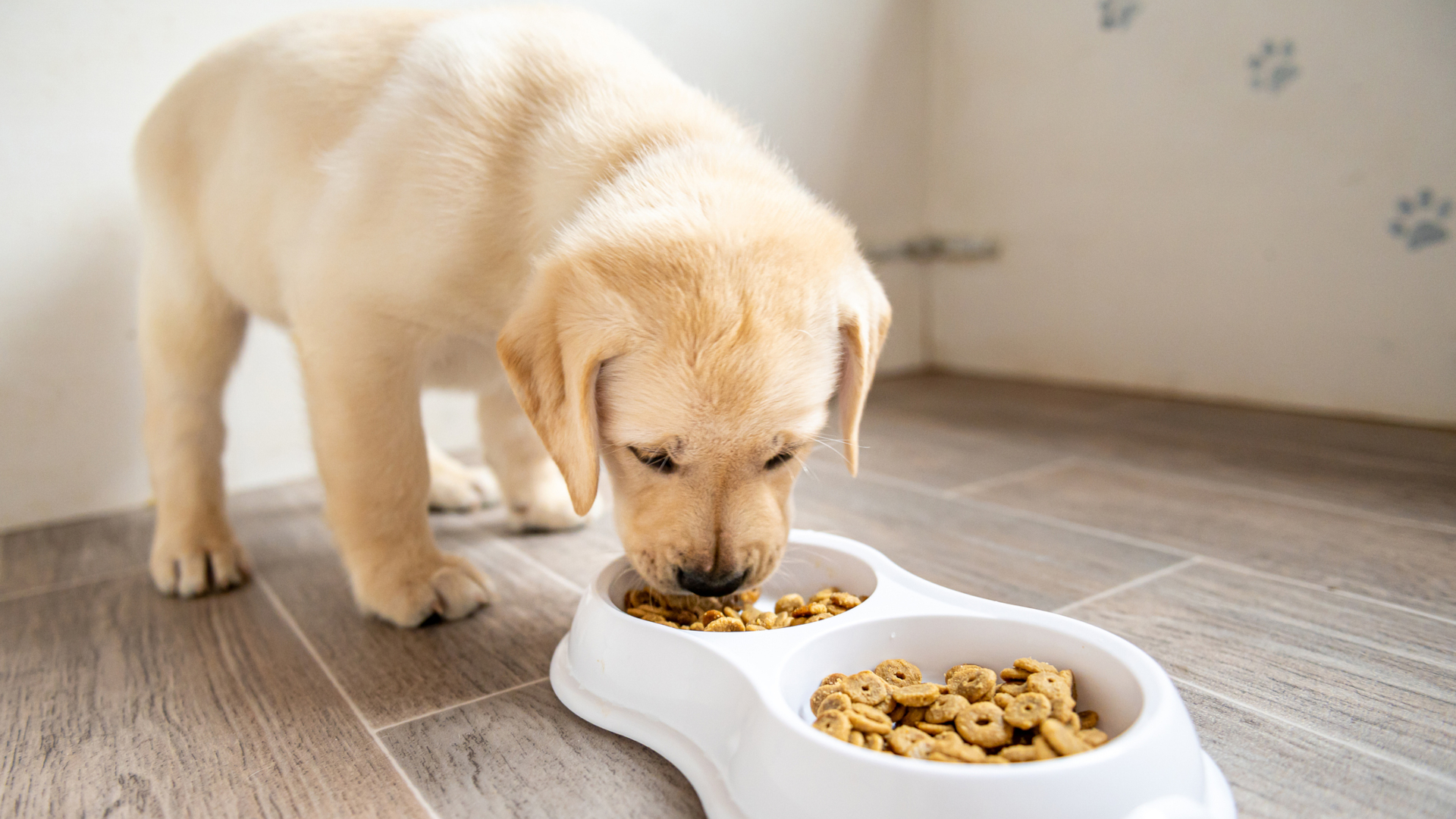
Feeding a puppy the right food is very important for healthy growth. Adult dog food may not meet a puppy’s special needs.
Choosing the right puppy food helps prevent sickness and supports strong bones and a good immune system.
Reading Labels
Always check the food label carefully. Look for the words “complete and balanced” for puppies. This means the food has all needed nutrients.
Also, check the guaranteed analysis for protein, fat, and fiber. Puppies need more protein and fat than adult dogs.
Key Ingredients To Look For
- High-quality animal protein like chicken or lamb
- Healthy fats such as fish oil for brain and coat health
- Calcium and phosphorus for strong bones and teeth
- Vitamins and minerals for growth and immunity
- DHA for brain and eye development
Avoid foods with fillers like corn, wheat, or soy. These do not give much nutrition and may upset your puppy’s stomach.
Brand Recommendations
| Brand | Special Feature | Suitable for |
|---|---|---|
| Brand A | High protein from real meat | Growing puppies |
| Brand B | Added DHA and antioxidants | Small breed puppies |
| Brand C | Grain-free with probiotics | Puppies with sensitive stomachs |
Credit: www.petsradar.com
Transitioning Puppies To Adult Food
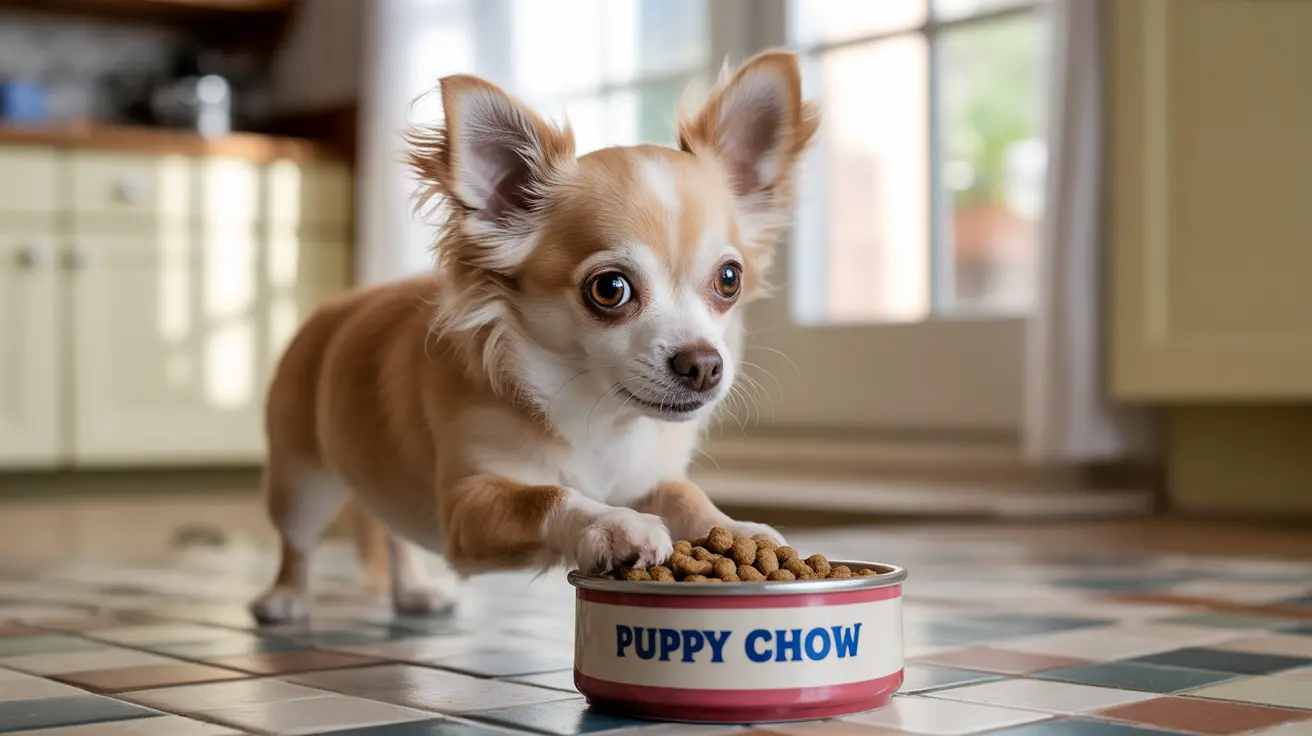
Puppies need special nutrition for their growth. Adult dog food may not have the nutrients puppies need. Transitioning them slowly can prevent stomach issues.
Understanding the right time and way to switch is crucial. This helps in keeping your puppy healthy and happy.
Timing The Switch
Switching food too early can be harmful. Puppies should transition to adult food at the right age. Usually, this is around one year old, but some breeds may vary.
It’s important to consult with a vet before making the change. They can guide you based on your puppy’s specific needs.
- Small breeds: 9-12 months
- Medium breeds: 12 months
- Large breeds: 12-18 months
Gradual Introduction Techniques
A sudden switch can upset a puppy’s stomach. Gradually mixing adult food with puppy food helps them adjust. Start with a small amount of adult food.
Increase the adult food slowly over a week or two. This gives your puppy’s digestion time to adapt.
- Day 1-3: 25% adult food, 75% puppy food
- Day 4-6: 50% adult food, 50% puppy food
- Day 7-9: 75% adult food, 25% puppy food
- Day 10: 100% adult food
Credit: www.petscare.com
Frequently Asked Questions
Can Adult Dog Food Harm A Puppy’s Health?
Adult dog food lacks essential nutrients puppies need. Feeding it exclusively can cause digestive issues and nutrient deficiencies in puppies. Puppies require higher protein and fat levels for growth, which adult formulas often don’t provide.
Why Is Puppy Food Better Than Adult Dog Food?
Puppy food is specially formulated with extra nutrients for growth. It contains higher protein, fat, and calories to support developing muscles and energy needs. Adult dog food may not meet these nutritional demands, risking poor development.
What Symptoms Show If A Puppy Eats Adult Dog Food?
Puppies eating adult dog food may show vomiting, diarrhea, or lethargy. Nutritional imbalances can cause poor growth and weak immunity. Always monitor your puppy’s health if they accidentally consume adult food.
When Can Puppies Switch To Adult Dog Food?
Puppies can switch to adult food around 12 months old. Large breeds may need longer, up to 18-24 months. Consult your vet to determine the best time based on your puppy’s breed and growth.
Conclusion
Feeding puppies adult dog food can cause health problems. Puppies need special nutrients to grow strong and healthy. Adult dog food may lack these essential nutrients. It can lead to poor digestion and illness in puppies. Always choose food made specifically for puppies.
This helps support their development and energy needs. Healthy puppy food keeps their bones and immune system strong. Keep your puppy happy and safe by feeding the right food. Small choices today make a big difference for their future. Trust the puppy food designed just for them.

Emily Barker is the founder of ChillDogLife.com, a space dedicated to helping pup parents discover the best dog products, lifestyle tips, and cozy ideas for happier homes.
A lifelong dog lover, Emily combines her passion for pets with a knack for research to share trusted recommendations on everything from toys and furniture to health and everyday care.
Her goal is simple: to make life easier, stylish, and more joyful for dogs and the people who love them.




