Are you wondering if your 3-month-old puppy can eat adult dog food? It’s a common question many new dog owners face.
You want to give your puppy the best nutrition to help them grow strong and healthy, but adult dog food might seem like an easy option. Before you make that switch, it’s important to understand what your puppy really needs right now.
Keep reading to discover why the right food matters so much for your little furry friend’s development—and how to make the best choice for their health and happiness.

Credit: www.petsradar.com
Puppy Nutritional Needs
Feeding a 3 month old puppy the right food is very important. Puppies grow fast and need food that supports their development.
Adult dog food is made for slower growth and different energy needs. Puppies have special nutritional needs to stay healthy and strong.
Growth Requirements
Puppies need more calories than adult dogs because they grow quickly. Their bodies use energy to build muscles and bones.
- Higher calorie content supports fast growth
- More protein helps build strong muscles
- Balanced fats provide energy and support brain growth
- Calcium and phosphorus are needed for healthy bones
- Regular feeding times help maintain steady growth
Key Nutrients For Puppies
Puppy food contains special nutrients to support their health. Each nutrient plays an important role in puppy development.
| Nutrient | Role | Sources |
| Protein | Builds muscles and tissues | Chicken, fish, eggs |
| Fat | Provides energy and supports brain | Fish oil, animal fats |
| Calcium | Develops strong bones and teeth | Dairy, bone meal |
| Phosphorus | Works with calcium for bones | Meat, grains |
| Vitamins | Supports immune system and growth | Vegetables, supplements |
| Omega-3 Fatty Acids | Supports brain and eye development | Fish oil, flaxseed |
Differences Between Puppy And Adult Food
Puppies and adult dogs need different types of food. Their bodies grow and use nutrients differently. Feeding the right food helps your puppy stay healthy and strong.
Adult dog food does not always meet the needs of a young puppy. It is important to understand how these foods differ before deciding what to feed your puppy.
Calorie Content
Puppies need more calories than adult dogs. They burn energy fast while growing. Puppy food has extra calories to support this growth and energy use.
Adult food usually has fewer calories. Feeding an adult diet to a puppy can slow growth or reduce energy. This is why calorie content is very important for puppies.
Protein And Fat Levels
Puppy food contains more protein and fat than adult dog food. These nutrients help build muscles and provide energy for active puppies. Adults need less protein and fat since they are not growing as fast.
- Higher protein helps muscle development in puppies
- More fat provides energy for play and growth
- Adult dogs need balanced protein and fat for maintenance
- Too much fat in adult food can cause weight gain in puppies
Vitamin And Mineral Balance
Puppies require specific vitamins and minerals in the right amounts. These support strong bones, teeth, and the immune system. Adult dog food has different levels of these nutrients since adults do not grow as much.
| Nutrient | Puppy Food | Adult Food |
|---|---|---|
| Calcium | Higher for bone growth | Lower for maintenance |
| Phosphorus | Balanced for development | Moderate for adults |
| Vitamin D | Supports bone health | Supports maintenance |
| Iron | Needed for growth | Needed for overall health |
Risks Of Feeding Adult Food To Puppies
Feeding adult dog food to a 3-month-old puppy can cause health problems. Puppies need special nutrients to grow strong.
Adult food lacks some important ingredients that puppies need. This can affect their development and digestion.
Nutrient Deficiencies
Puppies require higher levels of protein, fat, and calories than adult dogs. Adult food may not meet these needs.
- Lower protein can slow muscle growth.
- Less fat reduces energy for active puppies.
- Missing vitamins and minerals can affect bone and brain development.
Digestive Issues
Puppy stomachs are sensitive. Adult food may be harder to digest and cause stomach upset.
| Symptom | Cause |
| Diarrhea | Too much fiber or fat |
| Constipation | Lack of proper nutrients |
| Vomiting | Rich ingredients or sudden change |
Growth Problems
Adult food does not support fast puppy growth. It can cause weak bones and joints.
Here are key growth risks from feeding adult food to puppies:
- Delayed bone development
- Weaker immune system
- Poor muscle formation
- Risk of obesity due to wrong calorie balance
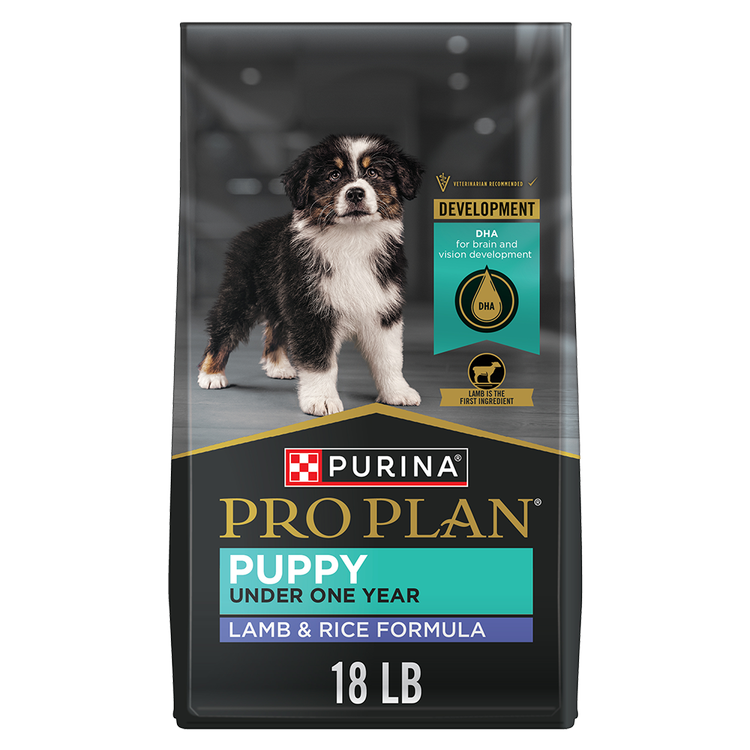
Credit: www.purina.com
When To Transition To Adult Food
Knowing when to switch your puppy to adult dog food is important for their health. Puppies need special nutrients while growing.
Feeding adult food too early or too late can cause problems. Use clear signs to decide the right time.
Age Guidelines
Puppies grow fast, but their food needs change as they age. Most small breeds switch sooner than large breeds.
Usually, puppies move to adult food between 9 and 12 months old. Large breeds might wait until 12 to 18 months.
- Small breeds: 9 to 12 months
- Medium breeds: Around 12 months
- Large breeds: 12 to 18 months
Signs Puppy Is Ready
Age is not the only sign to switch food. Watch your puppy’s body and behavior to know when they are ready.
Puppies ready for adult food may have stopped growing fast or look leaner. Their energy levels might also change.
- Puppy looks full-grown or stops growing quickly
- Weight stays stable without much gain
- Energy levels are steady, not hyperactive
- Vet confirms healthy growth and development
Transition Process
Switching food should be slow to avoid stomach upset. Mix adult food with puppy food over several days.
Gradually increase adult food and decrease puppy food. Watch your puppy for any signs of discomfort.
- Day 1-2: 25% adult food, 75% puppy food
- Day 3-4: 50% adult food, 50% puppy food
- Day 5-6: 75% adult food, 25% puppy food
- Day 7: 100% adult food
Choosing The Right Puppy Food
Feeding a 3 month old puppy requires special care. Puppies need food that supports their growth and energy.
Adult dog food may not have all the nutrients puppies need. Choosing the right food helps your puppy stay healthy.
Types Of Puppy Food
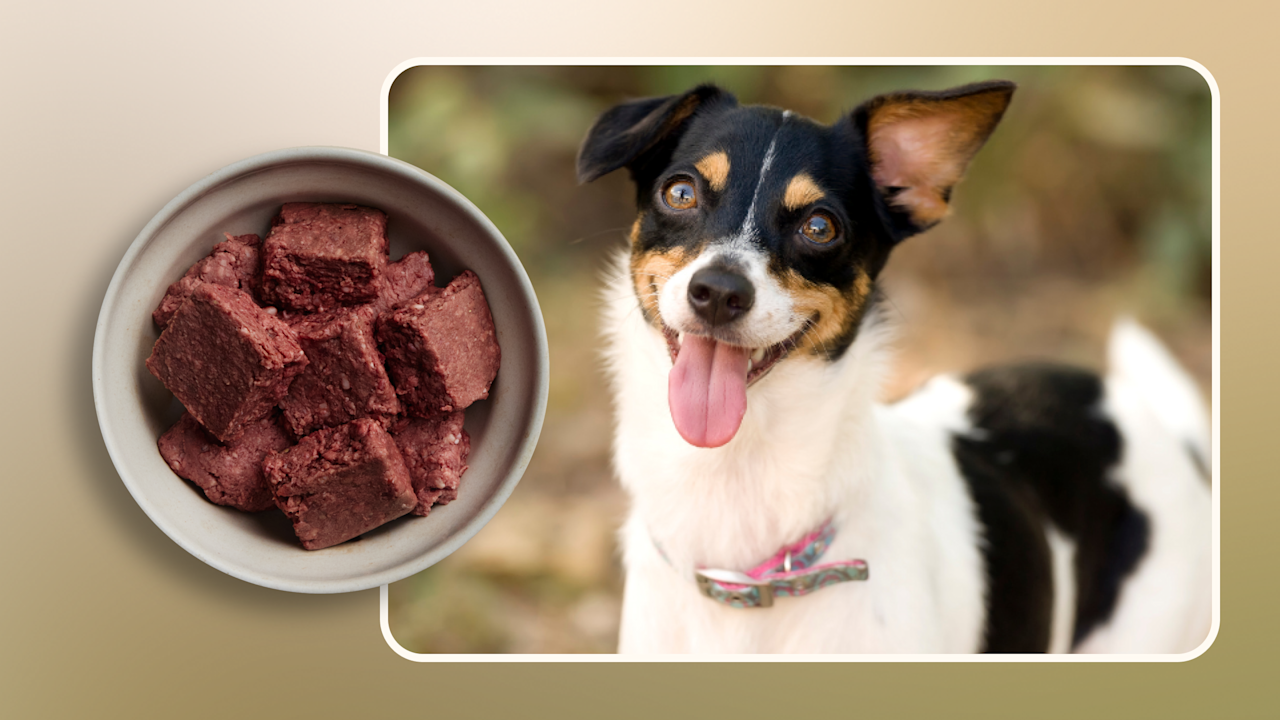
Puppy food comes in dry kibble, wet canned, and raw options. Each type has pros and cons for your puppy.
Dry kibble helps keep teeth clean. Wet food is easy to eat and tasty. Raw food is close to a natural diet.
- Dry kibble: Convenient and good for teeth
- Wet canned food: Moist and flavorful
- Raw food: Natural but needs careful handling
Reading Labels
Check the label to see if the food is for puppies. Puppy food has more protein and fat than adult food.
Look for ingredients like chicken, beef, or fish listed first. Avoid foods with too many fillers or artificial additives.
- Choose food labeled “for puppies”
- High protein and fat content
- Real meat as the first ingredient
- Minimal fillers and artificial ingredients
Consulting Your Veterinarian
Your vet knows your puppy’s health needs best. Talk to them before changing your puppy’s food.
They can recommend the best food for your puppy’s breed, size, and health. This helps avoid digestion problems.
- Discuss your puppy’s diet with your vet
- Follow vet advice for food changes
- Check for allergies or special needs
Feeding Schedule And Portion Control
Feeding a 3-month-old puppy requires careful attention. Puppies have different nutritional needs compared to adult dogs. It’s crucial to establish a feeding schedule and control portion sizes. This helps ensure your puppy grows healthy and strong.
Avoid adult dog food for puppies. Adult dog food lacks essential nutrients needed for their growth. Instead, focus on providing puppy-specific food.
Meal Frequency
Puppies need more frequent meals than adult dogs. At 3 months, they typically eat three to four times a day. This frequent feeding supports their rapid growth and high energy needs.
A regular feeding schedule helps regulate their digestive system. It also keeps their blood sugar levels stable. Consistent meal times create a routine, which is comforting for puppies.
Portion Sizes
Portion sizes depend on the puppy’s breed and weight. Puppies need more calories per pound than adult dogs. Follow the feeding guidelines on the puppy food package for guidance.
Overfeeding can lead to obesity, while underfeeding can stunt growth. Adjust portions as your puppy grows, ensuring they receive enough nutrients.
Monitoring Weight And Health
Regularly monitor your puppy’s weight and health. A healthy puppy should have a visible waist and ribs you can feel, but not see. Use a scale to track their weight weekly.
Consult your vet for any concerns about your puppy’s growth. Regular check-ups help ensure your puppy is on the right track. Adjust diet and portion sizes based on vet recommendations.
Credit: wefeedraw.com
Frequently Asked Questions
Can A 3-month-old Puppy Eat Adult Dog Food?
A 3-month-old puppy should not eat adult dog food regularly. Puppy food has essential nutrients for growth. Adult food lacks these and may cause deficiencies or digestive issues in puppies.
When Should Puppies Switch To Adult Dog Food?
Puppies can switch to adult dog food around 12 months old. Large breeds may need longer, up to 18 months. Consult your vet for the best time based on breed and health.
What Are Risks Of Feeding Adult Food To Puppies?
Feeding adult food to puppies can lead to nutrient imbalances. Puppies may miss vital proteins, fats, and vitamins needed for development. This can result in stunted growth and weak immunity.
Can Adult Dog Food Cause Digestive Problems In Puppies?
Yes, adult dog food can upset a puppy’s stomach. It often contains higher protein and fat levels, which puppies might struggle to digest. This can cause diarrhea or vomiting.
Conclusion
A 3-month-old puppy needs food made just for puppies. Adult dog food lacks the nutrients young pups require. Feeding the right food helps your puppy grow strong and healthy. Always choose puppy-specific food during this important growth stage. Changing food too soon can cause stomach problems.
Keep your puppy happy with balanced, age-appropriate meals. This small choice makes a big difference in their health. Trust the process and watch your puppy thrive every day.

Emily Barker is the founder of ChillDogLife.com, a space dedicated to helping pup parents discover the best dog products, lifestyle tips, and cozy ideas for happier homes.
A lifelong dog lover, Emily combines her passion for pets with a knack for research to share trusted recommendations on everything from toys and furniture to health and everyday care.
Her goal is simple: to make life easier, stylish, and more joyful for dogs and the people who love them.




