
Your puppy’s teething stage can feel overwhelming. You see those tiny teeth coming in, and suddenly, everything in your home becomes a chew toy.
If you want to protect your belongings and keep your puppy comfortable, you need the right tips—and fast. You’ll discover simple, effective ways to help your teething puppy through this tricky time. Keep reading, because these tips will save you frustration and make your puppy’s teething much easier for both of you.
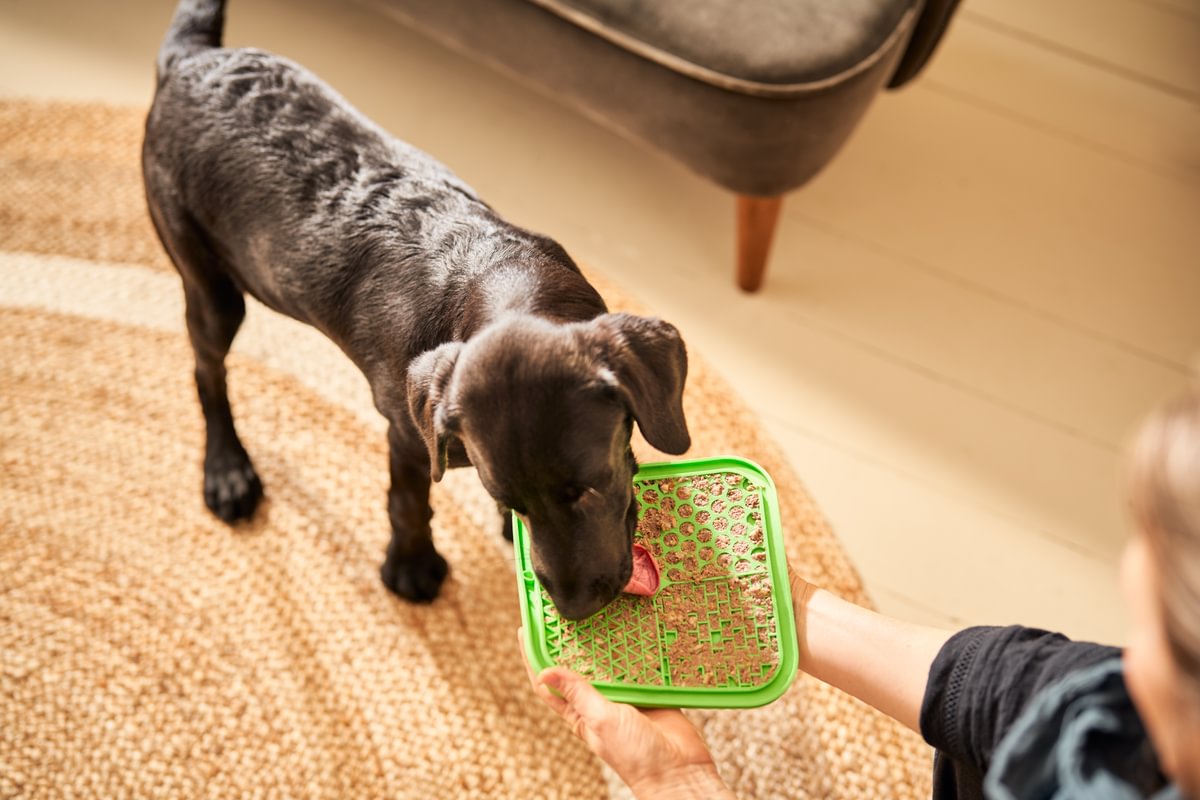
Credit: forthglade.com
Signs Of Teething In Puppies
Teething is a normal stage in a puppy’s life. It usually starts when they are about three weeks old and lasts until they are six months old.
During this time, puppies lose their baby teeth and grow adult teeth. This process can cause discomfort and changes in behavior.
Common Behaviors
Puppies often chew a lot when they are teething. Chewing helps ease the pain in their gums.
They may also bite more than usual, even on people or furniture. This is because their gums feel sore.
- Chewing on toys, shoes, or furniture
- Biting or mouthing more than usual
- Increased drooling or licking
- Restlessness or difficulty sleeping
Physical Symptoms
Teething causes changes in a puppy’s mouth and gums. Their gums may look red and swollen.
Some puppies may lose their appetite or have mild diarrhea during teething. These signs show their body is reacting to the changes.
- Red, swollen gums
- Small bleeding spots in the mouth
- Cheek rubbing or pawing at the mouth
- Mild loss of appetite
- Occasional loose stools

Credit: forthglade.com
Safe Chewing Options
Teething puppies need safe items to chew on. Chewing helps soothe their sore gums.
Choosing the right chew options keeps puppies happy and avoids damage to your home.
Choosing The Right Toys
Select toys made from non-toxic materials. Look for durable toys that match your puppy’s size.
- Rubber toys are soft but strong enough to chew.
- Rope toys help clean teeth and massage gums.
- Soft plush toys can comfort but check for loose parts.
- Frozen chew toys can cool sore gums.
Avoiding Harmful Items
Some items can hurt your puppy’s mouth or cause choking. Keep these away.
| Item | Why to Avoid |
| Hard bones | Can break teeth |
| Plastic or small objects | Choking hazard |
| Chemical-treated toys | May be toxic |
| Old shoes or clothing | Can be swallowed or cause blockage |
Soothing Remedies
Teething can be hard for puppies. Their gums may feel sore and itchy. You can help by giving them soothing remedies.
These remedies reduce pain and keep your puppy calm. Use safe items made for teething puppies.
Cold Treats And Toys
Cold treats and toys help numb sore gums. The cold eases discomfort and reduces swelling.
You can chill toys or make frozen snacks for your puppy. Always watch your puppy while they chew cold items.
- Freeze wet washcloths for a soft, cold chew toy
- Offer frozen carrot sticks if your puppy likes vegetables
- Use chew toys made for freezing to keep gums cool
Natural Soothers
Natural soothers calm your puppy’s gums without chemicals. They use safe ingredients from nature.
These soothers can include herbs and safe oils. Always check with a vet before trying new remedies.
- Chamomile tea can be cooled and given to soothe gums
- Frozen apple slices offer a natural and tasty relief
- Aloe vera gel (safe for pets) can be applied gently to gums
Maintaining Oral Hygiene
Teething puppies need good oral care to keep their teeth healthy. Clean teeth help prevent pain and infections.
Start dental care early to build good habits for your puppy’s health.
Brushing Techniques
Use a soft-bristled toothbrush made for puppies. Brush gently to avoid hurting their gums.
Brush in small circles, focusing on the gum line and back teeth. Start with short sessions and increase time gradually.
- Hold your puppy calmly during brushing
- Use pet-friendly toothpaste, never human toothpaste
- Brush at least 2-3 times a week
- Reward your puppy after brushing to create a positive experience
Dental Care Products
Choose dental products designed for puppies to help keep their teeth clean and strong. These products support healthy gums.
- Dental chews to reduce plaque and tartar
- Water additives that freshen breath and fight bacteria
- Special puppy toothpaste with safe ingredients
- Chew toys that massage gums and clean teeth
Always check with your vet before using new products to ensure they are safe for your puppy.
Preventing Destructive Behavior
Teething puppies chew to soothe sore gums. This can lead to damage inside your home. You must guide your puppy to chew the right things.
Preventing bad chewing habits early saves your belongings. It also helps your puppy learn good behavior.
Training Tips
Teach your puppy which items are okay to chew. Use commands like “leave it” to stop unwanted chewing. Reward your puppy when they chew their toys.
- Offer plenty of chew toys
- Keep shoes and cords out of reach
- Use firm but gentle correction
- Be consistent with rules
- Praise good chewing behavior
Redirecting Chewing
If your puppy chews something wrong, calmly take the item away. Give a chew toy instead. This teaches your puppy what is allowed.
| Wrong Item | Redirect To |
|---|---|
| Shoes | Rubber chew toy |
| Furniture | Soft plush toy |
| Electrical cords | Durable nylon bone |
| Papers | Chew rope |
When To Consult A Veterinarian
Teething is a normal process for puppies. They often chew more and can be a bit uncomfortable. But, sometimes, they might need extra help.
Knowing when to see a vet can save your puppy from bigger problems. Here are some signs to watch for.
Signs Of Infection
Infections in the gums or teeth can be serious. Your puppy might need a vet if you notice any signs.
- Red, swollen gums
- Pus or unusual discharge around the teeth
- Foul breath that does not go away
Persistent Discomfort
Puppies might show discomfort during teething. But if it does not stop, a vet visit is important.
| Sign | Action |
| Red, swollen gums | See a vet |
| Foul breath | Consult a vet |
| Avoids eating | Visit a vet |

Credit: www.youtube.com
Frequently Asked Questions
How Long Does Teething Last In Puppies?
Teething usually lasts between 3 to 6 months in puppies. During this time, their baby teeth fall out, and adult teeth emerge. Providing appropriate chew toys helps soothe discomfort and protects your furniture.
What Are The Signs Of A Teething Puppy?
Common signs include excessive chewing, drooling, irritability, and swollen gums. Puppies may also lose appetite temporarily. Recognizing these signs helps you provide timely comfort and safe chew options.
How Can I Soothe My Teething Puppy’s Pain?
Offer cold chew toys or frozen treats to reduce gum inflammation. Gently massaging their gums can also relieve pain. Avoid hard objects that might damage emerging teeth.
When Should I Visit The Vet For Teething Issues?
Consult a vet if your puppy shows severe pain, bleeding, or refuses to eat for days. Persistent swelling or abnormal tooth growth also requires professional attention.
Conclusion
Teething can be tough for puppies and owners alike. Offering safe chew toys helps ease discomfort. Keep a close eye on your puppy’s behavior. Regular cleaning of their teeth supports good health. Patience and gentle care make a big difference.
Soon, your puppy will have strong, healthy teeth. Enjoy this special time and bond with your new friend. Taking simple steps today leads to a happier puppy tomorrow.

Emily Barker is the founder of ChillDogLife.com, a space dedicated to helping pup parents discover the best dog products, lifestyle tips, and cozy ideas for happier homes.
A lifelong dog lover, Emily combines her passion for pets with a knack for research to share trusted recommendations on everything from toys and furniture to health and everyday care.
Her goal is simple: to make life easier, stylish, and more joyful for dogs and the people who love them.




