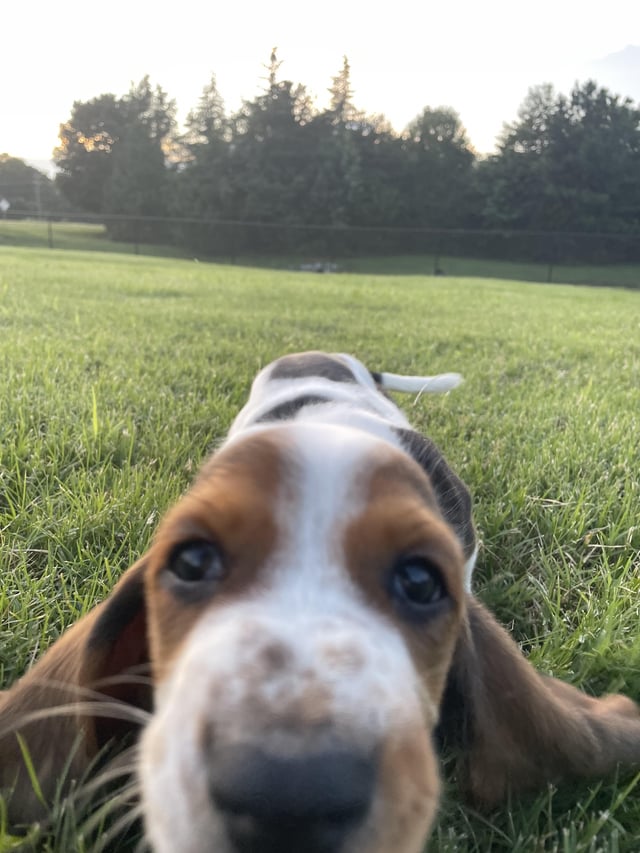
Bringing a Basset Hound puppy into your home is exciting, but training them can feel like a challenge. You want your puppy to grow into a well-behaved, happy dog, but sometimes it’s hard to know where to start.
What if you had simple, effective tips that make training easier and even fun? This guide is made just for you. Keep reading, and you’ll discover the secrets to unlocking your Basset Hound’s best behavior—without frustration or confusion. Your puppy’s success starts here.
Preparing For Your Basset Hound Puppy
Bringing a Basset Hound puppy home is exciting. Proper preparation helps your puppy feel safe and happy. Start early to make the transition smooth.
Getting ready means choosing supplies, creating a safe area, and setting a daily routine. These steps help your puppy learn and grow well.
Choosing The Right Supplies
Selecting the right items keeps your puppy comfortable and healthy. Think about what your Basset Hound needs now and as it grows.
- A collar and leash that fit well
- Food and water bowls made of stainless steel
- High-quality puppy food
- Toys for chewing and playing
- A cozy bed
- Grooming tools like a brush and nail clippers
Setting Up A Safe Space
Your puppy needs a quiet, secure spot to rest and feel safe. This space helps with training and reduces stress.
| Item | Purpose |
| Crate | Safe den and potty training aid |
| Soft bedding | Comfort during sleep |
| Baby gates | Limit access to unsafe areas |
| Chew toys | Keep puppy busy and protect furniture |
Establishing A Routine
Routines help puppies learn what to expect. Consistency makes training easier and builds trust.
- Feed your puppy at the same times daily
- Take regular potty breaks after meals and naps
- Set fixed play and exercise times
- Use bedtime rituals to help your puppy relax
- Keep training sessions short and fun

Credit: www.upgrademystatus.com
Basic Obedience Training
Training a Basset Hound puppy is important for good behavior. Basic obedience helps your puppy learn rules.
Start training early to build a strong bond with your puppy. Keep sessions short and fun.
Teaching Simple Commands
Begin with simple commands like “sit,” “stay,” and “come.” These are easy for puppies to learn.
Use clear words and gentle hand signals. Repeat commands often and reward success.
- Say the command clearly
- Show a hand signal
- Wait for your puppy to respond
- Praise or give a treat
- Repeat regularly
Using Positive Reinforcement
Positive reinforcement means rewarding good behavior. This makes your puppy want to obey.
Use treats, praise, or petting as rewards. Avoid punishment because it can cause fear.
- Give a treat right after good behavior
- Use a happy voice to praise
- Be consistent with rewards
- Ignore bad behavior instead of punishing
Handling Stubborn Behavior
Basset Hounds can be stubborn and slow learners. Patience is key during training.
Keep training sessions short and try different rewards. Stay calm and firm with your commands.
- Limit training to 5-10 minutes
- Use high-value treats for tough moments
- Repeat commands without raising your voice
- Take breaks if your puppy gets frustrated
Housebreaking Your Puppy
Training your Basset Hound puppy to go potty outside is important. It helps keep your home clean and your puppy happy.
Be patient and consistent. Puppies learn best with regular practice and kind guidance.
Creating A Potty Schedule
Set a regular potty schedule for your puppy. Take them outside first thing in the morning, after meals, and before bedtime.
Consistent timing helps your puppy learn when and where to go. It also reduces accidents in the house.
- Take your puppy out every 2 hours during the day
- Bring them out after naps and playtime
- Use the same spot outside for bathroom breaks
Recognizing Signs
Watch your puppy closely for signs they need to go. Common signs include sniffing, circling, or whining.
When you see these signs, take your puppy outside quickly. This helps them understand where to go.
- Restlessness or pacing
- Sudden stops during play
- Sniffing the floor or door
Dealing With Accidents
Accidents will happen while your puppy learns. Do not punish your puppy. Stay calm and clean the area well.
Use an enzyme cleaner to remove odors. This stops your puppy from returning to the same spot.
- Ignore the accident while it happens
- Clean messes immediately and thoroughly
- Reward your puppy for going outside
Socializing Your Basset Hound
Socializing your Basset Hound is key to raising a happy dog. It helps them feel safe and confident around others.
Start socializing early. Expose your puppy to new people, dogs, and places in a calm way.
Introducing New People
Let your Basset Hound meet different people often. This includes adults, children, and strangers.
- Allow your puppy to approach at their own pace
- Use treats to create positive experiences
- Avoid forcing contact if your dog seems scared
- Keep meetings short and calm
Meeting Other Dogs
Meeting other dogs helps your Basset Hound learn good play manners. Choose calm, friendly dogs for first meetings.
- Start with short, supervised introductions
- Watch body language for signs of stress
- Give praise for calm behavior
- Gradually increase playtime as comfort grows
Exposure To Different Environments
Take your Basset Hound to new places. This builds their confidence in different settings and noises.
| Environment | Tips for Exposure |
| Park | Visit during quiet hours first |
| Busy Street | Hold leash firmly and stay calm |
| Pet Store | Let your dog sniff and explore slowly |
| Car Ride | Start with short trips then go longer |
Managing Common Challenges
Training a Basset Hound puppy can be fun but also hard. They have some habits that need extra care.
Understanding these habits helps you teach your puppy better. Here are ways to manage common challenges.
Addressing Barking And Howling
Basset Hound puppies can bark or howl a lot. They do this to get attention or warn you.
Ignore barking when it is for attention. Reward quiet behavior to teach them to be calm.
- Use a firm “no” to stop unwanted noise
- Give treats when your puppy is quiet
- Provide toys to keep them busy
- Exercise your puppy to reduce energy
Handling Chewing And Digging
Basset Hound puppies like to chew and dig. These actions can damage your home or yard.
Give your puppy safe toys to chew. Redirect digging to a special spot outside.
- Keep shoes and cords out of reach
- Offer chew toys to satisfy their need
- Create a digging area with loose soil
- Praise your puppy when using toys or digging spot
Preventing Separation Anxiety
Basset Hound puppies may feel sad when left alone. This can cause whining or bad behavior.
Help your puppy get used to being alone. Start with short times and slowly increase them.
- Give a favorite toy before leaving
- Keep departures calm and quiet
- Practice leaving for a few minutes daily
- Do not make a big deal when you return
Credit: mail.sadio.org.ar
Maintaining Training Progress
Training a Basset Hound puppy takes patience and consistency. Maintaining progress is key to success. Follow these tips to keep your puppy learning and happy.
Basset Hounds are smart but can be stubborn. Regular practice helps them understand commands better. Consistency is your best friend in training.
Consistent Practice
Consistent practice helps your puppy remember commands. Short, daily sessions work best. Puppies learn better with regular repetition.
Set a routine for training times. This helps your puppy know when to expect learning. Consistency builds trust and understanding.
- Practice commands every day
- Keep sessions short and fun
- Stick to a training schedule
Adjusting Techniques As Needed
Every puppy is different, and techniques may need adjustments. Watch your puppy’s reactions to understand what works best.
If a method is not working, try a new approach. Patience is important. Some puppies take longer to learn than others.
- Observe your puppy’s responses
- Try different techniques if needed
- Be patient and flexible
Rewarding Good Behavior
Rewards encourage your puppy to repeat good behavior. Treats, praise, and playtime are great motivators. Positive reinforcement is effective.
Give rewards immediately after good behavior. This helps your puppy connect the action with the reward. Be generous with praise.
- Use treats and praise as rewards
- Reward right after desired behavior
- Be consistent with positive reinforcement

Credit: www.amazon.com
Frequently Asked Questions
How Do I Start Training A Basset Hound Puppy?
Begin with basic commands like sit and stay. Use positive reinforcement and consistency. Keep sessions short and fun to hold their attention.
What Is The Best Age To Train Basset Hound Puppies?
Start training between 8 to 12 weeks old. Early training helps develop good habits and social skills. Puppies are more receptive at this age.
How To House Train A Basset Hound Puppy Effectively?
Establish a regular bathroom schedule. Take your puppy outside frequently, especially after meals. Praise them immediately when they go outside to reinforce good behavior.
Why Is Socialization Important For Basset Hound Puppies?
Socialization prevents fear and aggression. It helps puppies adapt to new people, animals, and environments. Start socializing early for a well-rounded dog.
Conclusion
Training a Basset Hound puppy takes time and patience. Consistency helps your puppy learn good habits faster. Use gentle commands and reward good behavior often. Keep training sessions short to hold your puppy’s attention. Remember, each puppy learns at its own pace.
Enjoy the process and build a strong bond. Happy training leads to a well-behaved, happy dog. Stay calm and positive throughout the journey. Your Basset Hound will thank you with loyalty and love.

Emily Barker is the founder of ChillDogLife.com, a space dedicated to helping pup parents discover the best dog products, lifestyle tips, and cozy ideas for happier homes.
A lifelong dog lover, Emily combines her passion for pets with a knack for research to share trusted recommendations on everything from toys and furniture to health and everyday care.
Her goal is simple: to make life easier, stylish, and more joyful for dogs and the people who love them.




