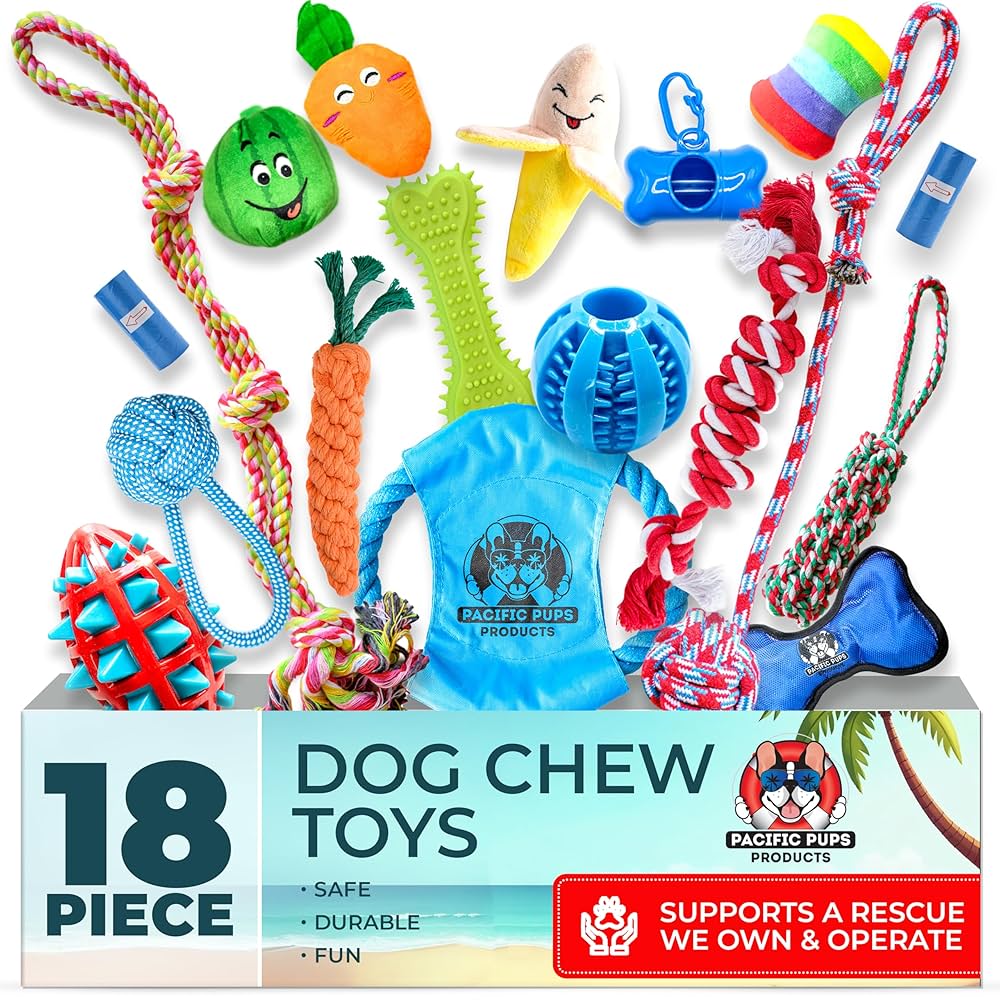
If you’re like most dog owners, you want the best toys to keep your furry friend happy and healthy. Rope toys are everywhere, but you might wonder—are rope toys safe for dogs?
You want to make sure your pup stays safe while having fun. This article will help you understand the benefits and risks of rope toys, so you can make the right choice for your dog’s playtime. Keep reading to discover what you need to know before handing over that rope toy.
Credit: lifeofriley.co.nz
Rope Toys And Dog Safety
Rope toys are popular for dogs to chew and play with. Many dog owners wonder if they are safe for pets.
This article discusses the safety of rope toys and how to use them properly with dogs.
What Are Rope Toys Made Of?
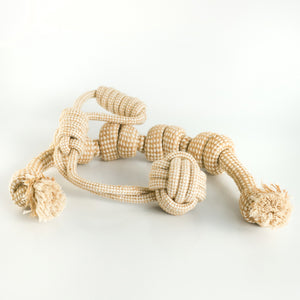
Rope toys are usually made from cotton or polyester fibers. These materials are twisted or braided into ropes.
Natural cotton ropes are softer, while synthetic ones last longer. Both types can be safe if used right.
Dogs can chew off small pieces of rope. Swallowing these can cause choking or blockages in the stomach.
Frayed ropes also have loose threads that may wrap around teeth or paws, causing injury or pain.
- Choking hazard from loose fibers
- Blockage risk if swallowed
- Possible cuts or irritation from threads
How To Choose Safe Rope Toys
Pick rope toys that are thick and tightly woven. Avoid thin ropes that break easily.
Check that the toy is free from harmful dyes or chemicals. Choose natural fiber ropes when possible.
- Thick and durable ropes
- Non-toxic materials
- Proper size for your dog’s breed
Supervising Playtime With Rope Toys
Always watch your dog when playing with rope toys. Take the toy away if it starts to fall apart.
Replace rope toys regularly to prevent accidents from broken fibers or loose threads.
- Watch for signs of wear and tear
- Remove damaged toys immediately
- Encourage safe chewing habits
Benefits Of Rope Toys When Used Safely
Rope toys help keep dogs’ teeth clean by reducing plaque. They also provide fun and exercise.
These toys can strengthen the bond between owner and dog during play sessions.
Benefits Of Rope Toys
Rope toys are popular among dog owners. These toys provide many advantages for dogs.
They help keep dogs healthy and happy by supporting their teeth, mind, and body.
Dental Health Support
Chewing on rope toys helps clean a dog’s teeth. The fibers act like floss to remove plaque.
This chewing can reduce bad breath and lower the risk of gum disease for dogs.
- Removes plaque from teeth
- Massages gums
- Helps prevent tartar buildup
Mental Stimulation
Rope toys keep dogs busy and focused. Chewing and tugging require attention and problem-solving.
This activity helps reduce boredom and stress in dogs by giving them a fun task to do.
- Encourages problem-solving
- Reduces anxiety
- Prevents destructive behaviors
Physical Exercise
Playing with rope toys promotes movement. Dogs pull, tug, and shake the toy, which builds strength.
Regular play improves muscle tone and helps dogs stay active and fit.
- Builds muscle strength
- Increases physical activity
- Supports healthy weight
Potential Risks Of Rope Toys
Rope toys can be fun for dogs to chew and play with. They are often used to help clean teeth and provide mental stimulation. Still, these toys can pose some risks to your pet’s health.
It is important to know the possible dangers so you can keep your dog safe while using rope toys. Below are some common risks to watch out for.
Choking Hazards
Pieces of rope can come loose and cause choking. Small parts or frayed ends may block the dog’s throat. Dogs that chew aggressively are at higher risk.
- Monitor your dog while playing with rope toys.
- Remove toys with loose or broken strands.
- Choose rope toys made for your dog’s size.
- Discard toys that are heavily worn out.
Intestinal Blockages
Swallowed rope fibers can cause blockages in the intestines. This can lead to pain, vomiting, and serious health problems. Surgery might be needed to remove the blockage.
| Symptom | Action to Take |
| Vomiting | Visit the vet immediately |
| Loss of appetite | Monitor closely and seek advice |
| Abdominal pain | Get emergency veterinary care |
| Constipation or diarrhea | Check with your vet |
Fraying And Ingestion
Rope toys often fray with use. Dogs may swallow strands, which can cause digestive issues. Frayed ropes can also get tangled in teeth or gums.
Tips to reduce risks from fraying rope toys:
- Inspect toys regularly for fraying.
- Cut off loose strands immediately.
- Replace toys that start to fall apart.
- Use rope toys only under supervision.
Choosing Safe Rope Toys
Rope toys can be fun and helpful for dogs. They help with chewing and playing. Choosing safe rope toys is important to keep dogs healthy and happy.
Not all rope toys are made the same. Some can be harmful if they have bad materials or wrong sizes. This guide helps you pick safe rope toys.
Material Quality
Good material quality means the rope is strong and will not break easily. Natural fibers like cotton are safer than synthetic ones. They are less likely to cause stomach problems if chewed.
- Choose ropes made from 100% cotton or natural fibers.
- Avoid ropes with mixed or synthetic materials.
- Check if the rope is tightly woven to prevent quick shredding.
- Do not buy ropes with loose threads that dogs can swallow.
Size Appropriateness
Pick a rope toy that fits your dog’s size. A small dog needs a smaller rope. A big dog needs a larger rope to avoid choking or swallowing the whole toy.
| Dog Size | Recommended Rope Size |
| Small (under 20 lbs) | Under 6 inches long, thin diameter |
| Medium (20 to 50 lbs) | 6 to 12 inches long, medium diameter |
| Large (over 50 lbs) | Over 12 inches long, thick diameter |
Non-toxic Dyes And Fibers
Some ropes have dyes and fibers that can harm dogs if chewed. Non-toxic dyes are safe and do not cause allergies or poisoning.
Check the label for:
- Dyes labeled as non-toxic or pet-safe
- Natural fibers without chemical treatments
- Certifications from pet safety organizations
Supervising Playtime
Rope toys can be fun for dogs, but safety is important. Always watch your dog while they play.
Supervision helps prevent accidents and ensures your pet is safe during playtime.
Monitoring Wear And Tear
Rope toys can fray over time. Regularly check for signs of wear and tear.
- Look for loose threads or pieces.
- Check for knots that have come undone.
- Replace the toy if it starts to fall apart.
Safe Play Environment
A safe space for play is crucial. Make sure the area is clear of hazards.
Ensure the floor is free of sharp objects. Remove anything your dog could swallow.
Recognizing Dangerous Behavior
Watch your dog’s behavior as they play. Some actions can be risky.
| Behavior | Action |
| Growling excessively | Pause playtime |
| Chewing aggressively | Inspect the toy |
| Trying to swallow pieces | Remove the toy |

Credit: www.canadatoner.ca
Alternative Safe Toys
Rope toys can be fun for dogs, but they might not always be safe. Some dogs chew through ropes and swallow pieces.
Choosing safe toys helps protect your dog’s teeth and stomach. Here are some safe toy options you can try.
Rubber Chew Toys
Rubber chew toys are strong and last a long time. They are gentle on your dog’s teeth and gums.
Many rubber toys float and can be used in water play. They are easy to clean and do not break into small pieces.
- Made from durable, non-toxic rubber
- Safe for aggressive chewers
- Easy to clean with soap and water
- Can be filled with treats for added fun
Interactive Puzzle Toys
Interactive puzzle toys keep dogs busy and smart. They challenge your dog to find treats or solve problems.
These toys slow down fast eaters and help reduce boredom. They are safe because they do not have small, loose parts.
- Stimulates your dog’s mind
- Helps control eating speed
- Made from safe, durable materials
- Good for all dog sizes and breeds
Natural Chews
Natural chews come from real animal parts or plants. They are great for dogs who like to chew and taste real flavors.
Choose natural chews that are free of chemicals and preservatives. Always watch your dog while chewing to prevent choking.
- Examples: bully sticks, antlers, pig ears
- Promote healthy teeth and gums
- Provide long-lasting chewing satisfaction
- Must be given under supervision
When To Replace Rope Toys
Rope toys are fun for dogs, but they can wear out. Knowing when to replace them is important for your dog’s safety.
Keep an eye on your dog’s rope toys. Regular checks help prevent accidents and ensure playtime stays safe.
Signs Of Damage
Look for signs that the rope toy is damaged. Damaged toys can harm your dog.
- Frayed or torn strands
- Loose knots
- Discoloration or foul odor
Frequency Of Replacement
Replace rope toys regularly. This keeps your dog safe and happy.
How often you replace them depends on usage and your dog’s chewing habits.
- Heavy chewers: Check weekly
- Light chewers: Check monthly
- Replace immediately if damage is noticed
Proper Disposal Methods
Dispose of old rope toys properly. This helps keep the environment clean.
Follow these methods to dispose of rope toys safely.
- Cut into small pieces to prevent choking
- Recycle if possible
- Dispose in a secure trash bin

Credit: www.amazon.ca
Frequently Asked Questions
Are Rope Toys Safe For All Dog Breeds?
Rope toys are generally safe for most breeds but supervision is vital. Aggressive chewers may break fibers, risking ingestion. Choose durable ropes suited to your dog’s size and chewing strength to ensure safety.
What Are The Risks Of Rope Toys For Dogs?
Risks include choking hazards, intestinal blockages, and dental damage. Frayed ropes can be swallowed, causing digestive issues. Always inspect toys regularly and replace damaged ropes to prevent health problems.
How To Choose Safe Rope Toys For Dogs?
Select tightly woven, natural fiber ropes designed for pets. Avoid cheap, loosely wound ropes that shred easily. Size the toy appropriately to prevent swallowing and ensure it matches your dog’s chewing habits.
Can Rope Toys Help With Dog Dental Health?
Yes, rope toys can clean teeth and massage gums. Chewing on ropes reduces plaque and tartar buildup. However, they should complement, not replace, regular dental care and vet check-ups.
Conclusion
Rope toys can be safe for dogs with proper use and care. Choose the right size and quality to avoid choking hazards. Always watch your dog during play to stop chewing on loose threads. Replace the toy when it starts to break apart.
These simple steps keep your dog happy and safe. Rope toys offer fun and exercise if used wisely. Safety matters most for your dog’s health and happiness.

Emily Barker is the founder of ChillDogLife.com, a space dedicated to helping pup parents discover the best dog products, lifestyle tips, and cozy ideas for happier homes.
A lifelong dog lover, Emily combines her passion for pets with a knack for research to share trusted recommendations on everything from toys and furniture to health and everyday care.
Her goal is simple: to make life easier, stylish, and more joyful for dogs and the people who love them.




