
Have you ever wondered if different dog breeds are actually different species? You see a Chihuahua and a Great Dane, and they look so different that it’s easy to think they might belong to separate groups.
But is that really true? Understanding this can change the way you see your furry friend and how you connect with dogs in general. Keep reading to discover surprising facts that will clear up this common confusion and help you appreciate your dog even more.
Dog Breeds Vs Species
Many people wonder if different dog breeds are actually different species. Understanding the difference helps clarify this common question. It is important to know how species and breeds are defined in biology.
This article explains what a species is, what makes a dog breed, and how dogs are classified biologically. These points show why dog breeds are not separate species.
Definition Of Species
A species is a group of living things that can mate and produce fertile offspring. Members of the same species share common traits and genetics. Species are the basic units of biological classification.
- Species can reproduce among themselves.
- They share a similar genetic makeup.
- They have common physical and behavioral features.
- Different species usually cannot produce fertile offspring together.
What Constitutes A Dog Breed
A dog breed is a group of dogs with specific traits created by humans. Breeds have unique size, shape, color, and behavior. These traits are passed from parents to puppies.
- Dog breeds are chosen by people through breeding.
- They belong to the same species but look different.
- Breeds can interbreed and produce fertile puppies.
- There are hundreds of recognized dog breeds worldwide.
Biological Classification Of Dogs
Dogs belong to the species Canis lupus familiaris. This species is part of the Canidae family, which includes wolves and foxes. All dog breeds fit under this one species.
| Classification Level | Example for Dogs |
| Kingdom | Animalia |
| Phylum | Chordata |
| Class | Mammalia |
| Order | Carnivora |
| Family | Canidae |
| Genus | Canis |
| Species | Canis lupus |
| Subspecies | Canis lupus familiaris (domestic dog) |

Credit: www.amazon.com
Genetic Similarities Among Breeds
Dog breeds may look different, but they share most of their DNA. This means they are not separate species. Their genetic code is very similar across all breeds.
Scientists study these genetic similarities to understand how breeds relate to one another. This helps explain why all dogs belong to one species, Canis lupus familiaris.
Shared Dna Across Breeds
All dog breeds share about 99.9% of their DNA. This small difference creates the variety we see in size, shape, and color. The shared DNA shows dogs come from a common ancestor.
- Genes control traits like fur color and ear shape.
- Most genes are the same in all breeds.
- Small genetic changes cause breed differences.
- Dogs of all breeds can interbreed easily.
Breed Variation And Genetic Diversity
Different breeds have unique gene variants. These differences create the wide range of dog types. Genetic diversity helps breeds adapt to different roles and environments.
| Breed | Common Traits | Genetic Variation |
| German Shepherd | Strong, intelligent | High |
| Chihuahua | Small, alert | Moderate |
| Bulldog | Stocky, calm | Low |
| Border Collie | Energetic, smart | High |
Origins Of Dog Breeds
Dogs come in many shapes and sizes. They look very different but belong to the same species. All dog breeds share a common ancestor.
Understanding where dog breeds come from helps us know how they became so diverse. It also explains why they are not different species.
Domestication History
Dogs were the first animals humans tamed. This happened thousands of years ago. Wolves slowly changed into dogs through this process.
Early humans kept dogs to help with hunting and guarding. This close bond changed dogs’ behavior and looks over time.
- Domestication began around 15,000 years ago
- Dogs evolved from gray wolves
- Human selection favored friendly and useful traits
Breed Development Through Selective Breeding
Selective breeding started when humans picked dogs with certain traits to mate. This created new breeds with special features.
Breeders focused on size, shape, color, and skills. Over time, this led to hundreds of dog breeds worldwide.
- Breeders chose dogs with desired traits
- Traits passed to puppies through genes
- Different breeds fit different jobs or looks
- All breeds belong to the same species: Canis lupus familiaris
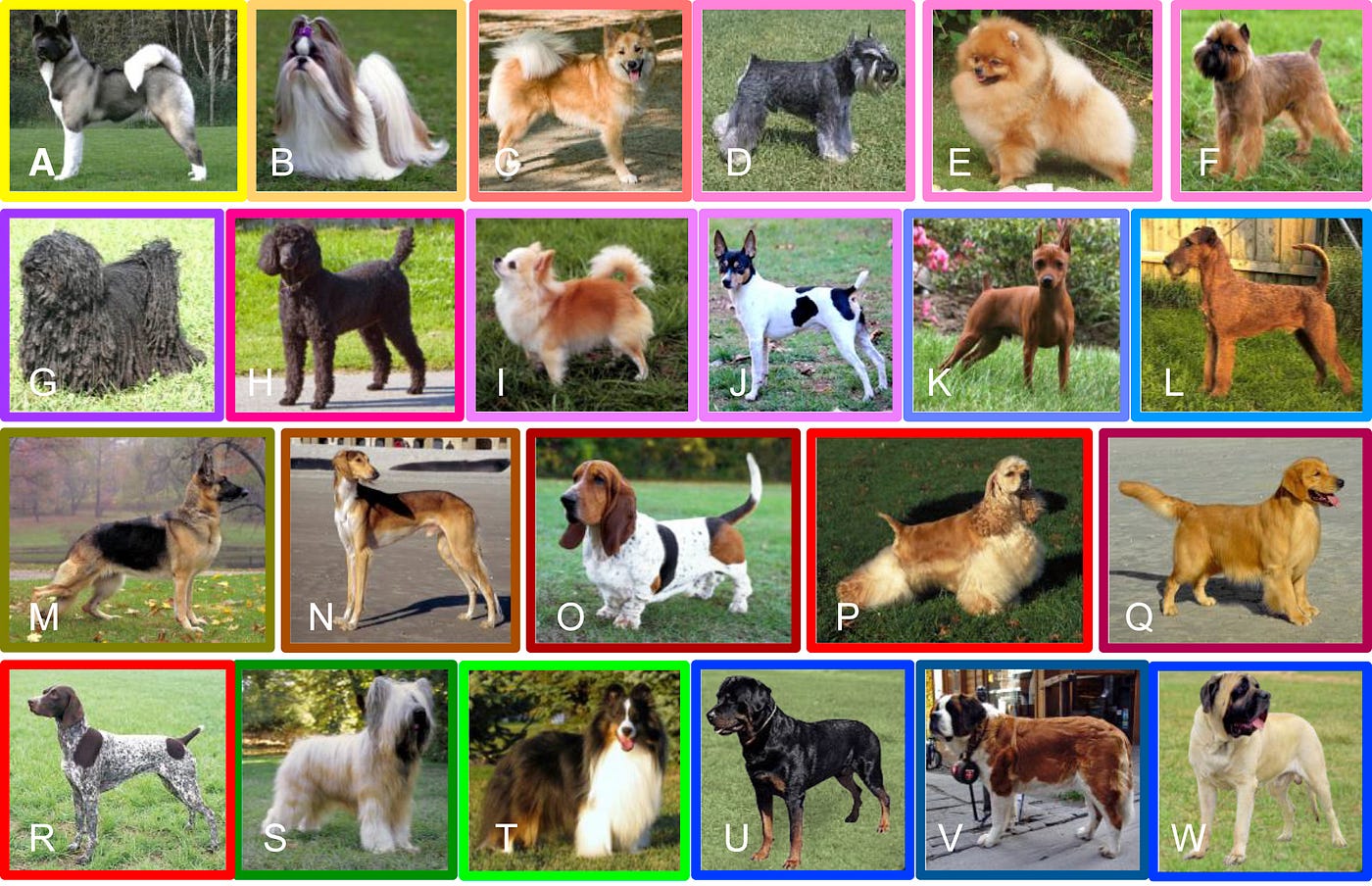
Credit: namnguyenwrite.medium.com
Common Myths About Dog Species
Many people wonder if different dog breeds belong to different species. This idea comes from how much dogs can look and act differently.
It is important to clear up some common myths about dog species. Understanding this helps us appreciate all dogs better.
Are Different Breeds Separate Species?
Different dog breeds are not separate species. All domestic dogs belong to one species called Canis lupus familiaris. This means they can mate and have puppies together.
Breeds have different looks and sizes because of selective breeding by humans. This changes their traits but does not create new species.
Misconceptions From Appearance Differences
People often think dogs with very different appearances must be different species. This is not true. Dogs come in many shapes and colors but share the same species.
- Size varies from tiny Chihuahuas to large Great Danes.
- Coat types can be short, long, curly, or wiry.
- Colors range widely across breeds and mixes.
- Behavior and energy levels differ but do not affect species.
| Breed | Appearance | Species |
| Bulldog | Stocky and muscular | Canis lupus familiaris |
| Greyhound | Lean and fast | Canis lupus familiaris |
| Poodle | Curly coat | Canis lupus familiaris |
| Beagle | Medium size, floppy ears | Canis lupus familiaris |
Impact Of Breed Differences
Dog breeds show many differences that affect their behavior, looks, and health. These differences are important to understand.
Knowing how breeds vary helps owners give the best care to their pets.
Behavioral Traits
Different breeds have unique behaviors. Some are very active, others calm. Training needs also change by breed.
- Herding breeds often need lots of exercise and mental tasks.
- Hunting breeds may have strong instincts to chase.
- Companion breeds usually enjoy close contact with people.
Physical Characteristics
Breeds differ in size, coat type, and shape. These traits affect how dogs live and what they need.
| Breed | Size | Coat Type | Typical Use |
| Chihuahua | Small | Short | Companion |
| German Shepherd | Large | Medium, Dense | Working |
| Dalmatian | Medium | Short | Running and Hunting |
Health Considerations
Health issues vary by breed. Some dogs face risks others do not. Owners must watch for breed-related problems.
Common health issues by breed include:
- Hip dysplasia in large breeds
- Breathing problems in flat-faced breeds
- Skin allergies in dogs with sensitive coats

Credit: askabiologist.asu.edu
Scientific Consensus On Dog Classification
Dogs come in many breeds, but are they different species? Scientists have studied this question deeply.
Most agree that all dog breeds belong to the same species. They are classified under Canis lupus familiaris.
Taxonomy Of Canis Lupus Familiaris
Taxonomy is a system used to name and categorize living things. Dogs are part of the Canidae family.
- Kingdom: Animalia
- Phylum: Chordata
- Class: Mammalia
- Order: Carnivora
- Family: Canidae
- Genus: Canis
- Species: Canis lupus
- Subspecies: Canis lupus familiaris
Role Of Genetics In Species Identification
Genetics helps scientists understand the differences and similarities among dog breeds. DNA studies show that all dogs share a common ancestor with wolves.
| Feature | Dog | Wolf |
| Genetic Makeup | Similar | Similar |
| Behavior | Domesticated | Wild |
| Habitat | Varied | Wild areas |
Frequently Asked Questions
Are Different Dog Breeds Classified As Separate Species?
No, all dog breeds belong to the same species, Canis lupus familiaris. Breeds differ in appearance and behavior but share the same species classification.
How Do Dog Breeds Differ If Not By Species?
Dog breeds vary in size, coat, color, and temperament. These differences result from selective breeding, not species separation.
Can Different Dog Breeds Interbreed Successfully?
Yes, all dog breeds can interbreed and produce fertile offspring. This ability confirms they belong to the same species.
Why Are Dog Breeds Not Considered Different Species?
Species classification depends on genetic compatibility and reproduction. Dogs of all breeds can mate and produce viable puppies, so they remain one species.
Conclusion
Different dog breeds belong to the same species, Canis lupus familiaris. They share common ancestors despite their varied looks and sizes. Breed differences come from selective breeding, not species change. All dogs can interbreed and produce puppies. Their behavior and traits vary, but species stay the same.
Understanding this helps appreciate the diversity in dogs. It shows how humans shaped breeds over time. Dogs remain one species with many unique forms. Simple but true.

Emily Barker is the founder of ChillDogLife.com, a space dedicated to helping pup parents discover the best dog products, lifestyle tips, and cozy ideas for happier homes.
A lifelong dog lover, Emily combines her passion for pets with a knack for research to share trusted recommendations on everything from toys and furniture to health and everyday care.
Her goal is simple: to make life easier, stylish, and more joyful for dogs and the people who love them.




