
Are you wondering if chew toys are really good for your dog? If your furry friend loves to chew, you might be asking whether giving them chew toys is helpful or just a way to keep them busy.
The truth is, chew toys can do a lot more than just entertain your dog. They can improve your dog’s health, prevent bad habits, and even strengthen your bond. Keep reading to discover why chew toys might be one of the best gifts you can give your dog—and how to choose the right ones for your pet’s happiness and well-being.
Benefits Of Chew Toys
Chew toys are useful tools for dogs. They help keep dogs healthy and happy.
Dogs love to chew, and chew toys give them a safe way to do it. These toys offer many benefits for dogs.
Dental Health Improvement
Chewing on toys helps clean dogs’ teeth. It reduces plaque and stops bad breath.
- Removes food stuck between teeth
- Massages gums to keep them strong
- Prevents tartar build-up
- Reduces risk of tooth decay
Mental Stimulation
Chew toys keep dogs busy and focused. They help stop boredom and stress.
| Chew Toy Type | Mental Benefit |
|---|---|
| Interactive toys | Challenge problem-solving skills |
| Textured toys | Provide sensory stimulation |
| Food-dispensing toys | Encourage focus and patience |
Behavioral Benefits
Chew toys help dogs behave better. They reduce chewing on furniture and shoes.
- Redirects destructive chewing
- Reduces anxiety and restlessness
- Helps dogs feel calm and relaxed

Credit: siliconesolution.com
Types Of Chew Toys
Chew toys keep dogs busy and help their teeth stay clean. Different types suit different dogs and needs.
Choosing the right chew toy depends on your dog’s chewing style and size. Some toys last longer, some are soft and tasty.
Natural Chew Toys
Natural chew toys come from real animal parts or plants. They are good for dogs who like something chewy and natural.
- Rawhide bones
- Antlers
- Bully sticks
- Wooden sticks
Rubber And Nylon Toys
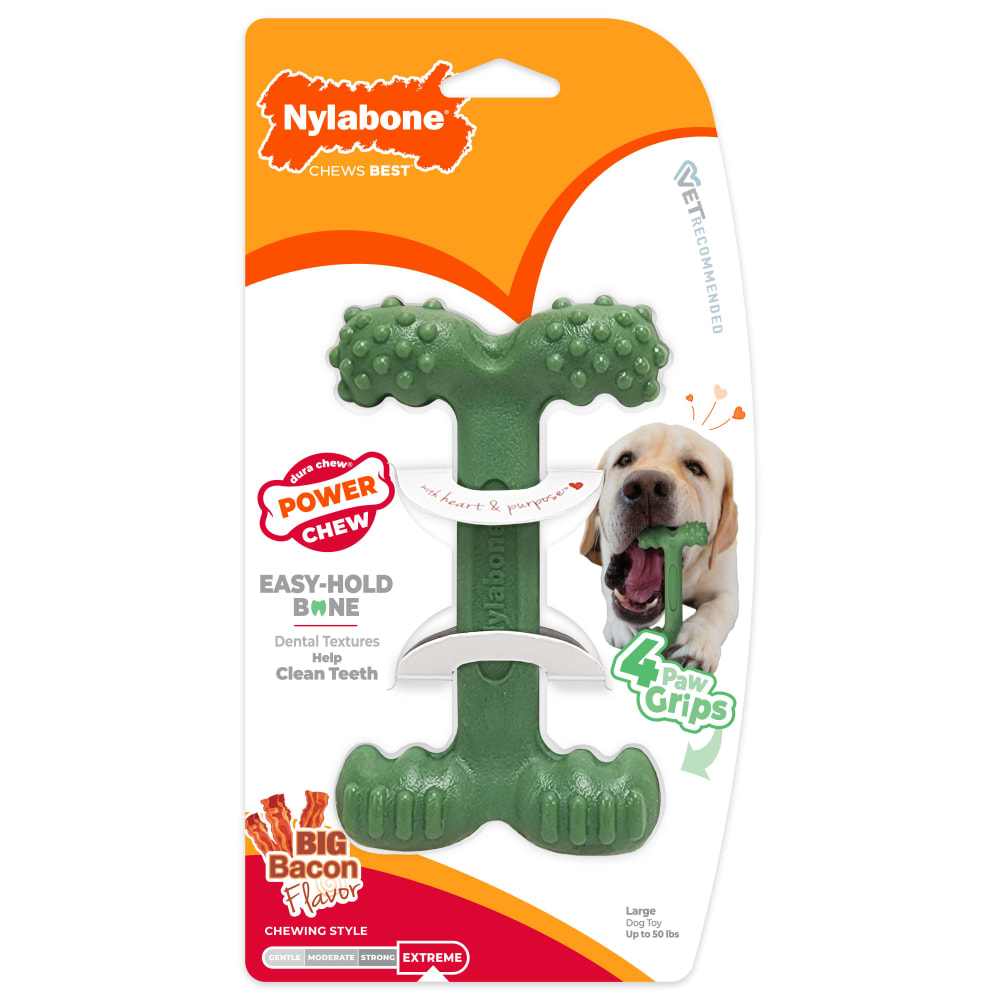
Rubber and nylon toys are strong and last a long time. They can help clean teeth and satisfy strong chewers.
| Material | Durability | Best For |
| Rubber | High | Moderate chewers |
| Nylon | Very high | Strong chewers |
Edible Chew Treats
Edible chew treats taste good and keep dogs busy. They also provide some nutrients but last less than other toys.
- Dental sticks
- Rawhide chews with flavor
- Freeze-dried meat chews
- Vegetable-based chews
Choosing The Right Chew Toy
Chew toys help keep dogs busy and protect your furniture. Picking the right toy is important for your dog’s safety and fun.
Different dogs need different types of chew toys. Think about your dog’s size, age, and chewing strength before buying.
Size And Durability
Choose a chew toy that fits your dog’s size. A small toy can be a choking hazard for big dogs. Large dogs need tougher toys that last longer.
- Small dogs need small, soft toys
- Medium dogs need medium-sized, sturdy toys
- Large dogs need large, very durable toys
- Replace toys that break or have sharp edges
Material Safety
Not all chew toys are safe. Some materials can hurt your dog’s teeth or cause stomach problems if swallowed.
| Material | Pros | Cons |
|---|---|---|
| Rubber | Durable, gentle on teeth | Can wear down with heavy chewers |
| Nylon | Long-lasting | May splinter if chewed too hard |
| Rawhide | Good for chewing | Can cause choking or digestion issues |
| Rope | Helps clean teeth | Fibers can be swallowed |
Age And Breed Considerations
Young puppies and older dogs need softer chew toys. Strong chewers like bulldogs need very tough toys. Small breeds need toys made for tiny mouths.
- Puppies: Choose soft, flexible toys to protect teeth
- Adult dogs: Durable toys that match chewing strength
- Senior dogs: Gentle toys that do not harm sensitive teeth
- Large breeds: Extra strong and large toys to avoid swallowing
- Small breeds: Small, easy-to-hold toys with no small parts
Potential Risks Of Chew Toys
Chew toys can keep dogs busy and help their teeth. But they also come with some risks.
Knowing these risks helps owners keep their pets safe while playing.
Choking Hazards
Small parts of chew toys can break off easily. Dogs may swallow these pieces and choke.
Hard or brittle toys increase the risk of choking or blockages in the throat.
- Watch for small or loose parts on toys
- Choose toys made of durable materials
- Supervise your dog while chewing
Allergic Reactions
Some dogs may be allergic to the material in chew toys. This can cause itching or swelling.
Common allergens include certain plastics, rubber, or dyes used in toys.
- Check the ingredients of the toy
- Look for signs of redness or irritation
- Stop using the toy if allergies appear
Overuse And Damage
Too much chewing can hurt a dog’s teeth and gums. Some toys are too hard and cause damage.
Chew toys that wear down quickly can create sharp edges that cut the mouth.
- Limit chew time to avoid injury
- Replace worn-out toys regularly
- Choose toys suited to your dog’s chewing strength
Tips For Introducing Chew Toys
Chew toys help dogs stay busy and healthy. They also protect your furniture from chewing damage.
Introducing chew toys the right way helps your dog enjoy them safely. Use simple steps to make the process smooth.
Supervised Playtime
Always watch your dog the first few times they use a new chew toy. This prevents choking or swallowing pieces.
Supervised play also helps you see if your dog likes the toy or if it causes any issues.
- Choose a safe place for playtime
- Stay close and watch your dog chew
- Remove damaged toys immediately
Positive Reinforcement
Encourage your dog to use chew toys with praise and treats. This helps them learn the toy is good.
Give rewards when your dog chews the toy instead of furniture or shoes.
- Praise your dog with kind words
- Offer small treats during play
- Keep play sessions short and fun
Regular Cleaning
Clean chew toys often to keep them safe and fresh. Dirty toys can harm your dog’s teeth and gums.
Use mild soap and warm water. Rinse well and dry before giving the toy back to your dog.
- Wash toys weekly or after heavy use
- Check for cracks or damage during cleaning
- Replace toys that cannot be cleaned properly

Credit: www.latimes.com
Credit: www.nylabone.com
Frequently Asked Questions
Are Chew Toys Safe For All Dog Breeds?
Chew toys are generally safe for most breeds if chosen properly. Select toys suitable for your dog’s size and chewing strength to prevent choking or damage.
How Do Chew Toys Benefit A Dog’s Health?
Chew toys help maintain dental hygiene by reducing plaque and tartar. They also relieve stress, prevent boredom, and promote healthy chewing habits.
Can Chew Toys Prevent Destructive Chewing Behavior?
Yes, chew toys redirect a dog’s natural urge to chew away from furniture. Providing appropriate toys helps reduce destructive chewing and keeps dogs mentally engaged.
What Materials Are Best For Durable Chew Toys?
Rubber, nylon, and tough synthetic materials are ideal for durability. Avoid soft or easily breakable materials to ensure long-lasting, safe chew toys for your dog.
Conclusion
Chew toys help keep dogs happy and healthy. They reduce boredom and stop bad chewing habits. Dogs clean their teeth and strengthen jaws by chewing. Always choose safe, strong toys for your dog. Watch your dog while chewing to avoid problems.
Chew toys make playtime fun and useful. They support your dog’s well-being every day. Give your dog the right chew toys to enjoy life.

Emily Barker is the founder of ChillDogLife.com, a space dedicated to helping pup parents discover the best dog products, lifestyle tips, and cozy ideas for happier homes.
A lifelong dog lover, Emily combines her passion for pets with a knack for research to share trusted recommendations on everything from toys and furniture to health and everyday care.
Her goal is simple: to make life easier, stylish, and more joyful for dogs and the people who love them.




