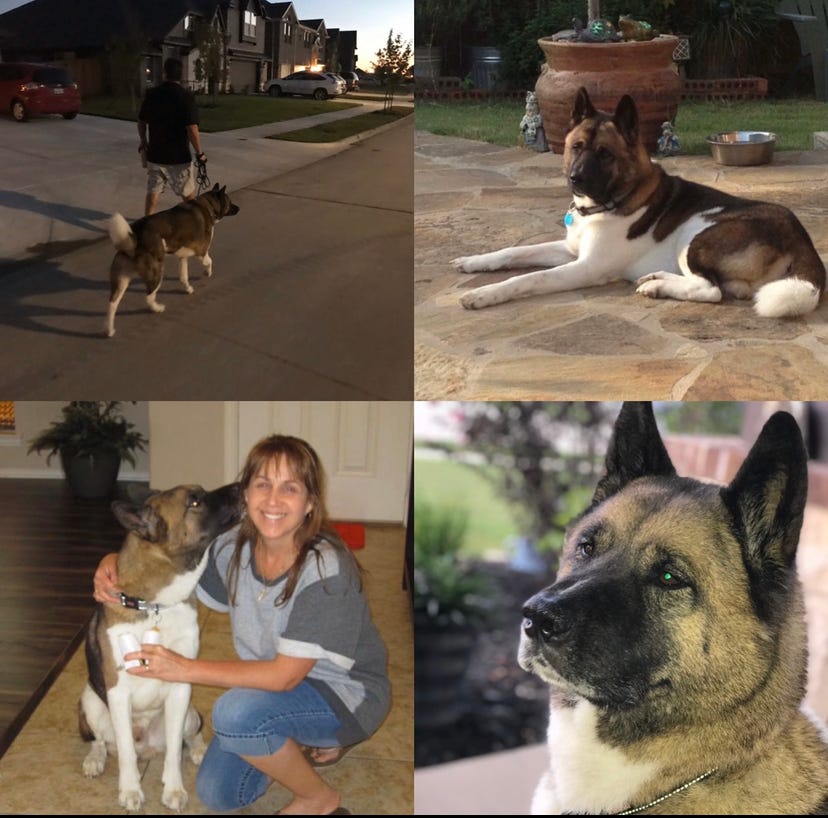
Bringing an Akita puppy into your home is an exciting experience, but it also comes with important responsibilities. You want your new furry friend to grow into a well-behaved, happy companion.
That’s where the right training makes all the difference. If you’re wondering how to start or improve your Akita puppy training, you’re in the right place. This guide will give you simple, effective tips that anyone can follow. By understanding your puppy’s unique needs and learning proven techniques, you’ll build a strong bond and enjoy a smoother training journey.
Ready to make your Akita the best pup it can be? Let’s dive in!
Preparing For Your Akita Puppy
Bringing an Akita puppy home is an exciting time. Preparation helps your puppy feel safe and happy.
Getting ready includes picking supplies, making a safe space, and knowing what to expect.
Choosing The Right Supplies
Your Akita puppy needs the right items for comfort and care. Choose quality supplies that fit their size.
Good supplies help with training and keep your puppy healthy.
- Sturdy collar and leash
- Comfortable puppy bed
- Durable chew toys
- Food and water bowls
- High-quality puppy food
- Grooming tools like brushes
- Training treats for rewards
Creating A Safe Space
Akita puppies need a quiet, safe area to rest and feel secure. This helps reduce stress and anxiety.
Choose a spot away from loud noise and busy areas. Use a crate or playpen to create boundaries.
- Use a soft bed or blanket
- Keep the space clean and dry
- Make sure it is free from hazards
- Provide toys to keep your puppy busy
- Place water nearby for easy access
Setting Realistic Expectations
Akita puppies grow and learn at their own pace. Be patient and consistent with training.
Understand that accidents and mistakes will happen as your puppy adjusts.
- Puppies need time to learn house rules
- Short training sessions work best
- Reward good behavior with treats and praise
- Expect some chewing and barking
- Regular exercise helps reduce bad habits
Socializing Your Akita
Socializing your Akita is important for a happy, well-behaved dog. It helps your puppy learn how to act around others.
Start socializing early to build confidence and reduce fear. This makes your Akita friendlier and safer.
Introducing New People And Pets
Let your Akita meet many different people and pets. Keep meetings calm and positive to create good memories.
Use treats and praise when your puppy stays calm. Avoid forcing your dog if it feels scared or unsure.
- Invite friends to your home for short visits
- Meet other dogs in safe, controlled places
- Watch your Akita’s body language closely
- Give your puppy time to adjust
Exposing To Different Environments
Take your Akita to many places like parks, streets, and stores. New sights and sounds help your puppy learn.
Keep outings short at first. Let your puppy explore at its own pace. This builds trust in new places.
- Walk on different surfaces like grass and pavement
- Visit busy and quiet spots
- Introduce common noises like cars and people talking
- Use treats to make new places fun
Handling Fear And Aggression
Fear and aggression can appear if your Akita feels unsafe. Stay calm and patient to help your puppy feel secure.
Do not punish fear or aggression. Teach your dog to relax with gentle words and treats. Ask a trainer if needed.
- Recognize signs of fear like growling or hiding
- Give space and avoid forcing interactions
- Use positive rewards to encourage calm behavior
- Practice training to build confidence
Basic Obedience Training
Training an Akita puppy is essential for a well-behaved dog. Basic obedience helps your puppy learn good manners and follow your rules.
Start training early to build a strong bond. Keep sessions short and fun to hold your puppy’s attention.
Teaching Essential Commands
Begin with simple commands like “sit,” “stay,” and “come.” These commands keep your puppy safe and under control.
Use clear words and hand signals. Repeat commands consistently so your puppy understands what you want.
- Start with one command at a time
- Use a calm and firm voice
- Practice commands in different places
- Keep training sessions short and regular
Positive Reinforcement Techniques
Reward your Akita puppy when it follows a command. Rewards can be treats, praise, or playtime.
Avoid punishment as it can cause fear. Positive reinforcement helps your puppy learn faster and enjoy training.
- Give treats immediately after good behavior
- Use cheerful words and petting as praise
- Offer toys or play for motivation
- Ignore unwanted behavior instead of punishing
Consistency And Patience
Training takes time. Be patient and keep practicing every day. Consistency helps your puppy learn what is expected.
All family members should use the same commands and rules. This prevents confusion for your Akita puppy.
- Train daily for short periods
- Use the same words and signals
- Stay calm and positive during training
- Celebrate small progress to stay motivated
Housebreaking Your Puppy
Training an Akita puppy to go potty outside takes patience and care. Start early to help your puppy learn good habits.
Consistency and attention make housebreaking easier for both you and your puppy.
Establishing A Routine
Set a daily schedule for feeding and potty breaks. Puppies do best with a regular routine.
Take your Akita puppy outside first thing in the morning, after meals, and before bedtime.
- Feed your puppy at the same times every day
- Take your puppy out every 2-3 hours
- Use the same spot for potty breaks
- Praise your puppy after they go outside
Recognizing Signs
Watch your puppy for signs they need to go out. Early recognition helps prevent accidents.
Common signs include sniffing, circling, or whining near the door.
- Sniffing around the floor or walls
- Sudden restlessness or pacing
- Whining or barking near the exit
- Sniffing and circling in one spot
Dealing With Accidents
Accidents happen when training your Akita puppy. Stay calm and clean the area well.
Do not punish your puppy. Instead, guide them gently back to the routine.
- Use an enzymatic cleaner to remove smells
- Avoid scolding or yelling
- Take your puppy outside immediately after an accident
- Reward good potty behavior outside
Managing Akita Behavior Traits
Akita puppies have unique behavior traits that need careful handling. Training them early helps manage these traits well.
This guide covers key tips to handle independence, energy, and prevent bad habits in your Akita puppy.
Addressing Independence And Stubbornness
Akitas are known for being independent and sometimes stubborn. They like to think on their own and may ignore commands.
Use firm but gentle training. Be consistent with rules and commands every day. Avoid harsh punishments.
- Keep training sessions short and clear
- Use positive rewards like treats and praise
- Stay patient and avoid repeating commands too often
- Build trust by spending quality time together
Channeling Energy With Exercise
Akita puppies have lots of energy that needs an outlet. Without exercise, they can become restless or bored.
Daily walks and playtime help your puppy stay calm and focused. Exercise also improves their health and mood.
- Take your Akita for a walk twice a day
- Play fetch or tug-of-war to burn energy
- Use puzzle toys for mental exercise
- Give safe chew toys to keep them busy
Preventing Destructive Habits
Without proper guidance, Akita puppies may chew furniture or dig in the yard. This happens when they feel bored or anxious.
Provide clear rules and plenty of activities to avoid these habits. Supervise your puppy to stop bad behavior early.
- Offer plenty of chew toys to redirect chewing
- Keep your puppy busy with training and games
- Use a crate or safe space when unsupervised
- Reward good behavior immediately
Credit: medium.com
Advanced Training Tips
Training an Akita puppy is rewarding. Advanced training helps shape their behavior and skills. These tips focus on leash training, impulse control, and trick training.
Consistency and patience are key in advanced training. Use positive reinforcement to encourage good behavior. Let’s explore specific strategies for each training area.
Leash Training Strategies
Leash training ensures safe walks and better control. Start in a quiet area to minimize distractions. Use treats as rewards for staying by your side.
- Begin with short leash sessions
- Keep your pace slow and steady
- Use a consistent command, like “heel”
Training For Impulse Control
Impulse control helps manage excitement and reactions. Teach your puppy to wait before eating or going out the door. Practice makes perfect.
| Exercise | Duration |
| Sit-Stay | 5 minutes |
| Wait at Door | 10 minutes |
| Leave It Command | 5 minutes |
Introducing Trick Training
Trick training is fun and engaging. Begin with simple tricks like “shake hands” or “roll over”. Use treats and praise to reinforce successful attempts.
Health And Wellness For Training Success
Akita puppies require a combination of physical and mental well-being to excel in training. Proper nutrition, regular veterinary check-ups, and engaging mental stimulation activities are essential components of a successful training program.
Nutrition And Hydration
A well-balanced diet is crucial for an Akita puppy’s growth and development. Ensure your puppy receives a high-quality puppy food that meets their nutritional needs.
Provide fresh water at all times and consider adding a small amount of low-sodium chicken or beef broth to their meals to enhance flavor and encourage hydration.
| Nutritional Requirements | Recommended Food Sources |
|---|---|
| Protein (30% of daily calories) | Poultry, fish, and meat |
| Fat (20% of daily calories) | Fatty fish, nuts, and seeds |
| Carbohydrates (40% of daily calories) | Whole grains, fruits, and vegetables |
Regular Vet Checkups
Regular veterinary check-ups are essential for monitoring your Akita puppy’s health and detecting any potential issues early on.
- Schedule a vet visit within the first few days of bringing your puppy home.
- Follow the recommended vaccination schedule.
- Monitor your puppy’s weight and adjust their diet accordingly.
- Keep your vet informed about any changes in your puppy’s behavior or health.
Mental Stimulation Activities
Akita puppies require mental stimulation to prevent boredom and destructive behavior.
- Provide puzzle toys filled with treats to challenge your puppy’s problem-solving skills.
- Engage your puppy in obedience training sessions.
- Take your puppy on regular walks and explore new environments.
- Offer interactive play sessions, such as fetch and tug-of-war.
Credit: peeva.co
Credit: www.walmart.com
Frequently Asked Questions
How Early Should I Start Training My Akita Puppy?
Start training your Akita puppy as early as 8 weeks old. Early training builds good habits and social skills. Consistent, gentle guidance helps them learn commands and proper behavior quickly.
What Are The Best Techniques For Akita Puppy Training?
Use positive reinforcement, like treats and praise, to encourage good behavior. Keep training sessions short and consistent. Socialization and patience are key to successful Akita puppy training.
How Do I Socialize My Akita Puppy Properly?
Expose your Akita puppy to different people, animals, and environments early. Controlled, positive experiences reduce fear and aggression. Regular socialization helps your puppy become confident and well-adjusted.
How Can I Prevent Stubbornness In Akita Puppies?
Be firm but gentle and consistent with rules. Use rewards to motivate your Akita. Avoid harsh punishment, as Akitas respond better to positive training methods.
Conclusion
Training an Akita puppy takes time and patience. Stay calm and consistent with commands. Reward good behavior to encourage learning. Keep training sessions short and fun. Socialize your puppy with people and other dogs. Understand your puppy’s needs and personality.
These steps help build a strong bond. Enjoy the process and celebrate small wins. Your Akita will grow into a well-behaved dog. Remember, patience and love bring the best results.

Emily Barker is the founder of ChillDogLife.com, a space dedicated to helping pup parents discover the best dog products, lifestyle tips, and cozy ideas for happier homes.
A lifelong dog lover, Emily combines her passion for pets with a knack for research to share trusted recommendations on everything from toys and furniture to health and everyday care.
Her goal is simple: to make life easier, stylish, and more joyful for dogs and the people who love them.




