
If you have a dog, you know how important it is to keep them happy and active. A dog toy is more than just a fun distraction—it can help your furry friend stay healthy, sharp, and content.
But with so many options out there, how do you choose the right one for your pet? Keep reading, and you’ll discover simple tips that make picking the perfect toy easy, so your dog can enjoy every moment of playtime.
Choosing The Right Dog Toy
Choosing the right dog toy can make a huge difference in your pet’s happiness and safety. Not every toy suits every dog, so understanding what to look for helps you pick something your dog will enjoy and that will last. Think about your dog’s habits, size, and chewing strength before making a choice.
Materials That Last
Durability is key when selecting a dog toy. Some materials stand up better to rough play and chewing than others. Rubber toys are great for strong chewers because they resist tearing and provide good bounce. Nylon and hard plastic toys also offer long-lasting fun but watch out for sharp edges.
Soft toys might look cute, but they often get destroyed quickly, especially by heavy chewers. If your dog rips toys apart, look for ones labeled as “indestructible” or made from tough, non-toxic materials. Have you noticed how certain materials quickly fall apart with your dog? That’s a sign to try something more durable.
Size And Shape Considerations
Choosing the right size toy is crucial for your dog’s safety and enjoyment. Toys that are too small can be choking hazards, while oversized toys might be difficult to carry or play with. Measure your dog’s mouth and pick a toy that fits comfortably without being swallowed.
Shapes also matter. Balls are great for fetch but can be tricky if they’re too small or too large. Chew sticks or ropes come in different shapes that encourage different play styles. Does your dog prefer carrying toys in their mouth or just chewing? Shape can affect how your dog interacts with the toy.
Toys For Different Chewing Styles
Dogs chew for many reasons — boredom, teething, or stress relief. Understanding your dog’s chewing style helps you pick the right toy. If your dog is a gentle chewer, plush toys or softer rubber may be enough to keep them engaged.
For aggressive chewers, tougher toys made of durable rubber or nylon are better choices. Some dogs prefer toys that can be stuffed with treats, which keeps their interest longer. What type of chewing behavior does your dog show? Matching a toy to their style keeps them entertained and safe.

Credit: www.amazon.com
Types Of Dog Toys
Choosing the right dog toy can make a huge difference in your pet’s happiness and health. Different toys serve different needs, from mental stimulation to physical exercise. Understanding the types available can help you pick toys that keep your dog engaged and satisfied.
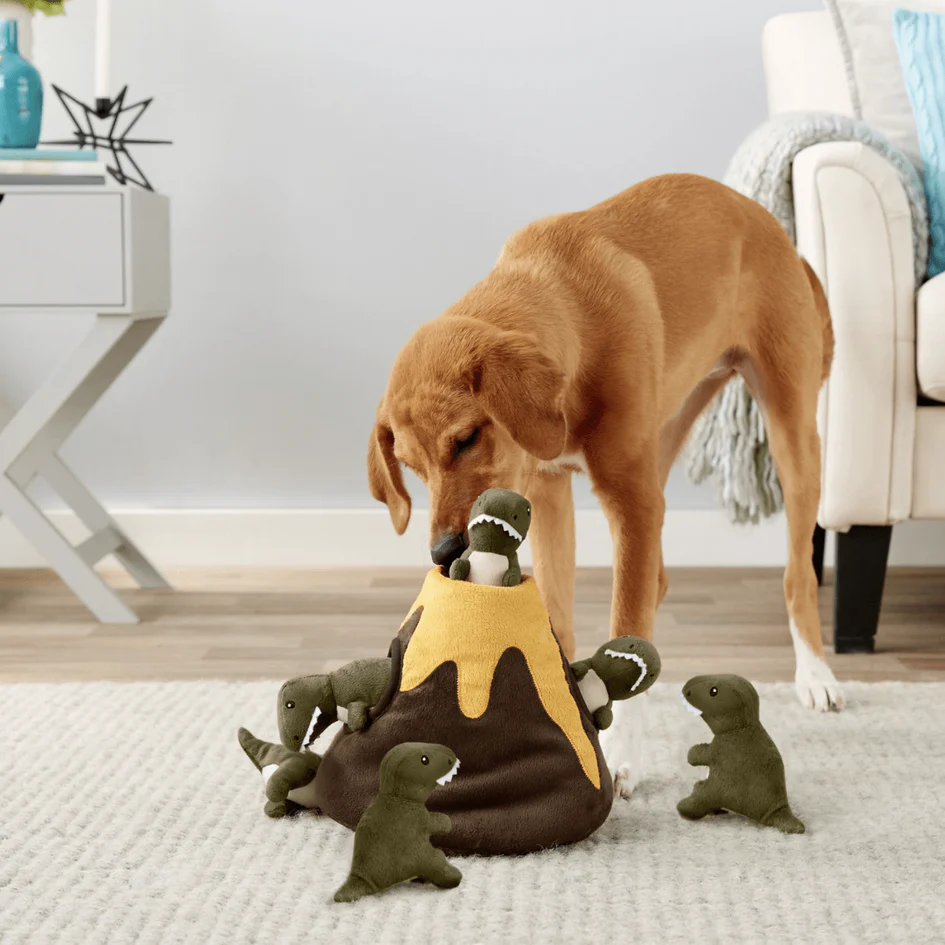
Interactive And Puzzle Toys
These toys challenge your dog’s mind and keep boredom at bay. Puzzle toys often hide treats, encouraging problem-solving skills and patience.
If your dog loves a challenge, these toys can reduce destructive behavior by occupying their brain. Have you noticed how your dog’s eyes light up when they figure out a puzzle? That moment shows the real value of interactive play.
Fetch And Tug Toys
Perfect for active dogs, fetch toys like balls and frisbees help burn off energy quickly. Tug toys build strength and reinforce bonding through play with you.
These toys encourage exercise and teamwork. Think about the last time your dog eagerly chased a ball—you’ll see how much joy simple fetch can bring.
Chew And Dental Toys
Chewing is a natural behavior that helps keep your dog’s teeth clean and gums healthy. Dental toys often have ridges or textures designed to reduce plaque and tartar buildup.
Choosing durable chew toys prevents boredom and discourages destructive chewing on your furniture. Does your dog have a favorite chew toy that never loses their interest? That’s a sign you’ve found a winner.
Plush And Comfort Toys
Soft, cuddly toys provide comfort, especially for puppies or dogs who love to snuggle. Many plush toys come with squeakers that excite your dog’s natural hunting instincts.
These toys are great for calming anxiety or providing companionship when you’re not home. Have you ever seen your dog carry their plush toy around like a treasure? It’s a simple but powerful way they find security.
Benefits Of Durable Dog Toys
Durable dog toys offer many benefits that help keep dogs happy and healthy. These toys last longer and withstand strong chewing. They provide more than just fun. Durable toys improve dogs’ health and behavior in several ways.
Promoting Healthy Teeth And Gums
Durable dog toys help clean teeth by reducing plaque buildup. Chewing on these toys massages gums and strengthens them. This lowers the risk of dental problems in dogs. Strong, lasting toys encourage regular chewing, which supports oral health.
Reducing Destructive Behavior
Dogs often chew out of boredom or stress. Durable toys give a safe outlet for chewing instincts. They keep dogs busy and less likely to destroy furniture or shoes. This helps maintain a peaceful home environment and protects belongings.
Mental Stimulation And Exercise
Chewing and playing with tough toys challenge dogs mentally and physically. This stimulation helps prevent anxiety and restlessness. Durable toys encourage active play, which supports fitness and overall well-being. Dogs stay engaged and happy for longer periods.

Credit: www.amazon.com
Safe Playtime Tips
Ensuring safe playtime with dog toys keeps your pet happy and healthy. Proper care and attention prevent accidents and extend toy life. Simple steps help maintain a fun and secure environment.
Supervising Play Sessions
Always watch your dog while playing with toys. Some toys can break or cause choking hazards. Interrupt play if the toy starts to break or if your dog chews too hard. Supervision helps spot problems early and keeps your dog safe.
Cleaning And Maintenance
Clean dog toys regularly to stop germs and bacteria. Use warm water and mild soap to wash toys. Rinse thoroughly and let them dry before giving back to your dog. Clean toys help prevent infections and bad smells.
Replacing Worn Out Toys
Check toys often for damage like cracks or tears. Replace toys that are broken or too worn to avoid swallowing small pieces. New toys keep playtime safe and exciting for your dog.
Diy Dog Toy Ideas
Creating DIY dog toys is a fun and rewarding way to keep your furry friend entertained without breaking the bank. You can tailor each toy to suit your dog’s size, chewing habits, and play style. Plus, making toys at home gives you control over the materials, ensuring they are safe and durable.
Upcycling Household Items
Look around your home for items you might toss out but can turn into exciting dog toys. Old t-shirts can be braided into sturdy tug toys. Empty plastic bottles inside a sock make a crunchy, interactive toy your dog will love.
Have you ever seen your dog go wild over a simple cardboard box? Try cutting holes in it and stuffing it with treats or smaller toys. This can stimulate their mind and keep them busy for hours.
Simple Craft Projects
You don’t need to be a crafting expert to make toys your dog will adore. Sewing a small pillow filled with dog-safe stuffing can become a soft chew toy. Felt balls sewn together with a bit of string create colorful and light toys perfect for gentle play.
Think about your dog’s favorite activities—if they like fetch, make a ball with tennis balls and fabric strips tied around it for easy throwing. Crafting these toys can become a relaxing hobby and a way to bond with your pet.
Safety Precautions For Homemade Toys
Always check the materials you use for toxicity and durability. Avoid small parts that can be swallowed or any sharp edges that could hurt your dog’s mouth. It’s a good idea to supervise your dog when introducing a new homemade toy to see how they interact with it.
Regularly inspect the toys for wear and tear. If your dog is an aggressive chewer, reinforce seams or avoid certain fabrics that tear easily. Keeping safety in mind ensures your DIY creations stay fun and risk-free.
Credit: shop.akc.org
Frequently Asked Questions
What Is The Best Material For A Dog Toy?
The best material for a dog toy is durable rubber or tough nylon. These materials withstand heavy chewing and are safe for dogs. They also provide a satisfying texture for dogs to bite. Always choose non-toxic materials to ensure the safety and health of your pet.
How Often Should I Replace Dog Toys?
Replace dog toys when they show signs of wear and tear. Regularly inspect toys for damage to ensure safety. Toys with loose parts or sharp edges should be replaced immediately. Frequent replacement keeps playtime safe and enjoyable for your dog.
Are Interactive Dog Toys Beneficial?
Yes, interactive dog toys are beneficial for mental stimulation. They challenge your dog’s problem-solving skills and keep them engaged. These toys can reduce boredom and prevent destructive behavior. Engaging toys are essential for your dog’s overall well-being and happiness.
Can A Dog Toy Be Washed?
Yes, most dog toys can be washed to maintain hygiene. Check the label for washing instructions, as some are machine washable. Regular cleaning prevents the buildup of bacteria and dirt. A clean toy is safer and more enjoyable for your dog.
Conclusion
Choosing the right dog toy keeps your pet happy and healthy. Toys help dogs stay active and reduce boredom. Safe and durable toys last longer and protect your dog’s teeth. Playing with toys strengthens your bond with your dog. Remember to pick toys suitable for your dog’s size and chewing style.
A good toy makes playtime fun and stress-free. Treat your dog to toys that bring joy and exercise every day.

Emily Barker is the founder of ChillDogLife.com, a space dedicated to helping pup parents discover the best dog products, lifestyle tips, and cozy ideas for happier homes.
A lifelong dog lover, Emily combines her passion for pets with a knack for research to share trusted recommendations on everything from toys and furniture to health and everyday care.
Her goal is simple: to make life easier, stylish, and more joyful for dogs and the people who love them.




