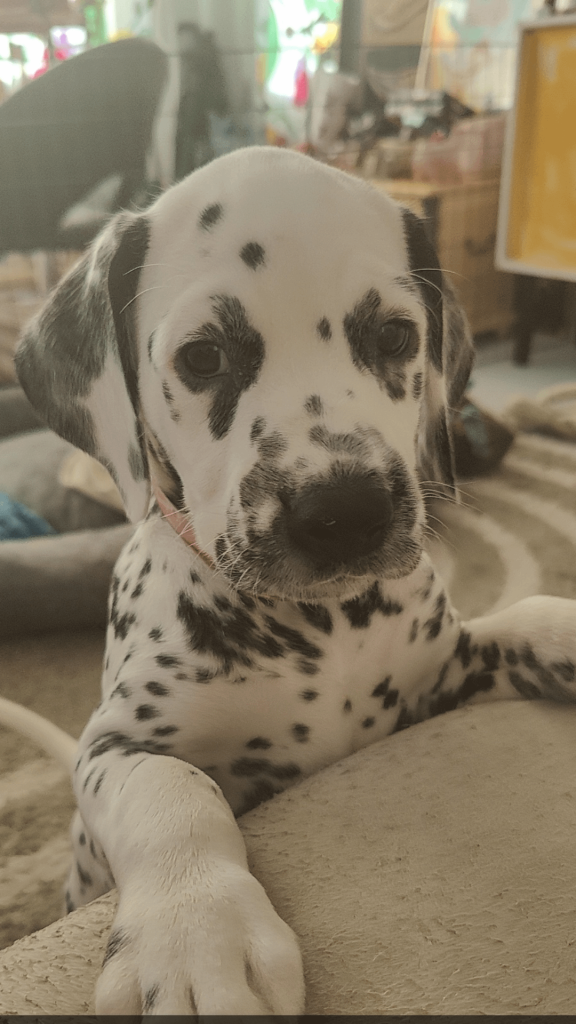
Getting a Dalmatian puppy is exciting, but training one can feel overwhelming. You want your puppy to grow into a well-behaved, happy dog that fits perfectly into your life.
The good news? With the right tips, you can make training easier and even enjoyable for both of you. You’ll discover simple, effective Dalmatian puppy training tips that work. Keep reading to unlock the secrets to building a strong bond and a well-trained companion you’ll be proud of.
Preparing For Your Dalmatian Puppy
Bringing a Dalmatian puppy home is an exciting time. Proper preparation helps your puppy feel safe and happy.
Getting ready means picking supplies, making a safe space, and setting a daily routine.
Choosing The Right Supplies
Good supplies make caring for your Dalmatian easier. Choose items that fit their size and needs.
- Durable collar and leash
- Comfortable crate or bed
- Food and water bowls
- High-quality puppy food
- Toys for chewing and playing
- Grooming tools like brushes and nail clippers
Creating A Safe Space
Your puppy needs a quiet area to rest and feel secure. This helps reduce stress and anxiety.
| Item | Purpose |
| Crate | Safe sleeping spot |
| Baby gates | Limit access to certain rooms |
| Soft bedding | Comfort and warmth |
| Toys | Keep puppy entertained |
Setting A Routine
Puppies learn best with regular schedules. A routine helps with training and housebreaking.
- Feed your puppy at the same times every day
- Take them outside for bathroom breaks often
- Set times for play and rest
- Start training sessions in short, regular intervals

Credit: www.youtube.com
Basic Training Commands
Training a Dalmatian puppy starts with simple commands. These commands help your dog learn good behavior. Training builds trust between you and your puppy.
Focus on clear instructions and positive rewards. Short training sessions work best for young puppies.
Teaching Sit And Stay
Begin with the “Sit” command to teach control. Hold a treat above your puppy’s nose. Move the treat back over its head. When the puppy sits, say “Sit” and give the treat.
To teach “Stay,” ask your puppy to sit first. Show your open hand and say “Stay.” Take a step back slowly. If your puppy stays, give a treat and praise.
- Use a calm voice for commands
- Reward immediately after the correct action
- Practice in quiet places first
- Keep sessions short and fun
Mastering Come And Heel
The “Come” command helps keep your puppy safe. Call your puppy’s name and say “Come” with a happy tone. When it comes, reward with treats or petting.
“Heel” means walking close to your side. Use a short leash and say “Heel.” If the puppy pulls ahead, stop walking. Wait until the puppy returns to your side, then continue.
| Command | How to Teach | Reward |
| Come | Call name and say “Come” | Treat or praise |
| Heel | Use leash, say “Heel”, stop if pulling | Treat or pet |
Introducing Leave It
“Leave It” stops your puppy from taking things it should not. Hold a treat in your closed hand. Let your puppy sniff but not get the treat. Say “Leave It.” When the puppy stops trying, give a different treat from the other hand.
Tips for “Leave It” training:
- Start with low-value items
- Be patient and repeat often
- Use a firm but gentle voice
- Avoid punishment during training
Housebreaking Techniques
Training a Dalmatian puppy to go outside takes patience. Housebreaking helps your puppy learn bathroom habits early.
Using consistent routines and tools makes training easier. This guide covers key tips for housebreaking your Dalmatian puppy.
Crate Training Benefits
Crate training gives your puppy a safe space. It helps control bathroom habits by limiting where they can go.
Using a crate reduces accidents and teaches your puppy to hold their bladder. It also helps with their routine.
- Keeps puppy safe when unsupervised
- Prevents unwanted messes in the house
- Supports regular bathroom breaks
- Helps the puppy feel secure
Establishing Bathroom Habits
Take your puppy outside often, especially after eating or waking up. This builds a bathroom routine.
Pick a spot outside for your puppy to use. Always take them to the same place to create a habit.
- Set regular times for bathroom breaks
- Use praise to reward good behavior
- Watch for signs your puppy needs to go
- Keep bathroom times consistent daily
Handling Accidents
Accidents happen when housebreaking a puppy. Stay calm and avoid punishment to keep training positive.
Clean accidents thoroughly to remove smells. This stops your puppy from using the same spot again.
- Use enzyme cleaners to remove odors
- Ignore the accident while it happens
- Redirect puppy to the bathroom spot
- Be patient and consistent with training

Credit: www.thetrainingofdogs.com
Socializing Your Dalmatian
Socializing your Dalmatian is important for its growth and behavior. It helps your puppy become friendly and confident.
Early social experiences shape how your Dalmatian reacts to new things and people. Start socializing as soon as your puppy is ready.
Introducing To Other Pets
Let your Dalmatian meet other pets in a calm setting. Use short, supervised visits to build good relationships.
- Keep the first meetings brief and positive.
- Use treats to reward calm behavior.
- Watch for signs of stress or aggression.
- Allow your puppy to explore at its own pace.
Meeting New People
Expose your Dalmatian to many types of people. This includes children, adults, and people wearing hats or glasses.
- Greet new people in a quiet place.
- Let your puppy sniff and say hello.
- Ask visitors to be gentle and calm.
- Give treats for good behavior around strangers.
- Repeat often to build comfort with people.
Exposure To Different Environments
Take your Dalmatian to many places. This helps your puppy learn to stay calm in new spots.
| Environment | How to Introduce | Notes |
| Park | Walk on a leash, watch other dogs | Keep visits short at first |
| City Streets | Use a harness, avoid busy times | Bring treats and water |
| Home of Friends | Let puppy explore rooms slowly | Supervise at all times |
Dealing With Common Behavior Issues
Training a Dalmatian puppy can be fun but also challenging. Some behaviors may cause frustration. Learning how to handle these problems early helps your puppy grow into a well-behaved dog.
This guide covers three common behavior issues and easy ways to manage them. Use these tips to make training smoother and keep your puppy happy.
Managing Chewing And Biting
Dalmatian puppies explore the world with their mouths. Chewing and biting can hurt people or damage items. Teach your puppy what is okay to chew and when biting is not allowed.
- Provide plenty of chew toys to keep your puppy busy.
- Say “No” firmly if your puppy bites your hand.
- Redirect biting to a toy immediately.
- Reward gentle play with treats or praise.
- Keep your puppy’s nails trimmed to reduce scratching.
Reducing Excessive Barking
Too much barking can annoy family and neighbors. Understanding why your puppy barks helps you control it. Common reasons include excitement, boredom, or alerting you to sounds.
| Reason for Barking | How to Manage |
| Excitement | Calm your puppy before playtime. |
| Boredom | Give toys or exercise regularly. |
| Alert Barking | Train a quiet command and reward silence. |
| Attention Seeking | Ignore barking and reward quiet behavior. |
Addressing Separation Anxiety
Dalmatian puppies may feel scared when left alone. This can cause whining, barking, or chewing. Helping your puppy feel safe is important to reduce anxiety.
Try this routine to ease separation anxiety:
- Start with short alone times and slowly increase them.
- Give a favorite toy or treat before leaving.
- Keep departures and arrivals calm and quiet.
- Create a comfortable space with bedding and toys.
- Practice leaving for a few minutes several times a day.
Exercise And Mental Stimulation
Dalmatian puppies are full of energy and curiosity. They need both physical exercise and mental stimulation to stay happy and healthy.
Regular activities help them burn off energy and keep their minds sharp. Here are some tips for keeping your Dalmatian puppy active and engaged.
Daily Physical Activities
Daily exercise is important for your Dalmatian puppy. They have a lot of energy that needs to be released.
Take them for walks, jogs, or play fetch in the yard. These activities help them stay fit and healthy.
- Walk for at least 30 minutes a day
- Jogging helps build endurance
- Fetch improves coordination
Interactive Toys And Games
Interactive toys keep your puppy’s mind active. These toys challenge their problem-solving skills.
Games like hide and seek with toys or treats are great for mental stimulation. They learn to use their nose and think critically.
- Puzzle toys with treats inside
- Hide and seek with favorite toys
- Interactive balls that dispense food
Training For Agility
Agility training is fun and beneficial. It improves their physical and mental abilities.
Set up a simple agility course at home. Use cones, tunnels, and hoops to challenge your puppy.
- Set up cones for weaving
- Create tunnels with chairs and blankets
- Use hoops for jumping practice
Nutrition And Health Tips
Training a Dalmatian puppy involves more than just teaching commands. Proper nutrition and health care are essential. This ensures your puppy grows strong and healthy.
Understanding dietary needs and maintaining routine health checks can prevent issues. Let’s explore some important tips for your Dalmatian puppy.
Balanced Diet Essentials
A balanced diet is key to your Dalmatian’s well-being. It supports growth and energy levels. Provide high-quality dog food with essential nutrients.
Ensure the food contains proteins, fats, and carbohydrates. Avoid foods with fillers or artificial additives.
- Include lean meats like chicken or fish
- Offer whole grains such as brown rice
- Add vegetables like carrots or peas
Regular Vet Checkups
Regular vet checkups are crucial for your puppy’s health. They help detect any problems early. Schedule visits every six months.
Vaccinations protect against diseases. Discuss with your vet about the best vaccination plan.
- Monitor weight and growth
- Check for parasites
- Discuss any behavior changes with the vet
Grooming Basics
Grooming is not just for looks. It keeps your Dalmatian healthy. Regular brushing reduces shedding and keeps their coat clean.
Bathing should be done as needed. Use a gentle dog shampoo to avoid skin irritation.
- Brush weekly to remove loose hair
- Trim nails regularly to prevent injury
- Clean ears to prevent infections

Credit: www.reddit.com
Frequently Asked Questions
How Do I Start Training My Dalmatian Puppy?
Start with basic commands like sit, stay, and come. Use positive reinforcement and short sessions. Consistency and patience are key for success.
When Should Dalmatian Puppy Socialization Begin?
Begin socializing your Dalmatian puppy as early as 7 weeks old. Introduce them to different people, pets, and environments gently to build confidence.
What Is The Best Way To Potty Train A Dalmatian?
Establish a regular schedule for bathroom breaks. Take your puppy outside frequently and reward them immediately after they go. Consistency helps speed up the process.
How Much Exercise Does A Dalmatian Puppy Need Daily?
Dalmatian puppies need at least 30 to 60 minutes of exercise daily. Include playtime and walks to help burn energy and maintain good behavior.
Conclusion
Training a Dalmatian puppy takes time and patience. Consistency helps your puppy learn good habits fast. Use clear commands and reward positive behavior. Keep training sessions short and fun to hold attention. Remember, every puppy learns at its own pace.
Stay calm and gentle throughout the process. With love and practice, your Dalmatian will grow into a well-behaved dog. Enjoy the journey and build a strong bond together. Training lays the foundation for a happy life with your new friend.

Emily Barker is the founder of ChillDogLife.com, a space dedicated to helping pup parents discover the best dog products, lifestyle tips, and cozy ideas for happier homes.
A lifelong dog lover, Emily combines her passion for pets with a knack for research to share trusted recommendations on everything from toys and furniture to health and everyday care.
Her goal is simple: to make life easier, stylish, and more joyful for dogs and the people who love them.




