Getting your puppy to use pee pads can feel like a big challenge. You want your home to stay clean, and you want your puppy to learn quickly.
But where do you start? If you’ve ever felt frustrated or unsure about how to train your puppy to use pee pads, you’re not alone. This guide will give you simple, effective tips that make the process easier for both you and your puppy.
Keep reading, and you’ll discover how small changes can lead to big success in puppy pee pad training.
Credit: pomeranian.org
Choosing The Right Pee Pads
Puppy pee pads help keep your home clean during training. Picking the right pads makes the process easier for you and your puppy.
Good pee pads absorb well and fit your puppy’s size and space. This guide covers key tips for choosing the best pee pads.
Material And Absorbency
Look for pee pads made with soft, leak-proof material. The top layer should dry quickly to keep your puppy’s paws dry.
Absorbency is very important. Pads with multiple layers hold more liquid and prevent leaks. This saves cleaning time.
- Soft top layer for comfort
- Leak-proof bottom layer
- Multiple absorbent layers
- Quick drying surface
Size And Placement Tips
Choose pads large enough for your puppy to use comfortably. Small pads might cause accidents outside the pad.
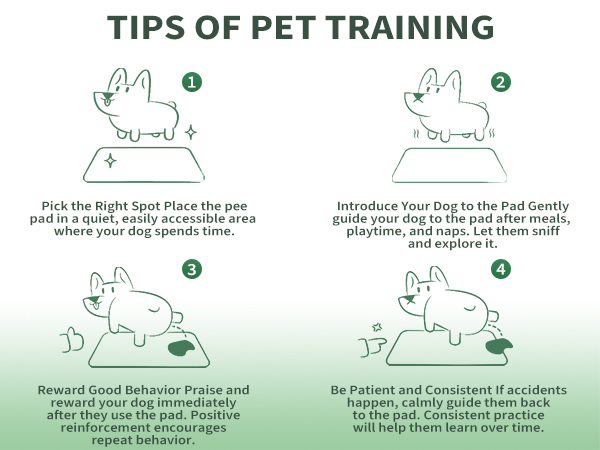
Place pee pads in quiet, easy-to-find areas. Keep them consistent to help your puppy learn faster.
- Use pads that fit your puppy’s size
- Place pads in a low-traffic spot
- Keep pads in the same place daily
- Use more pads if you have a large space

Credit: pupford.com
Setting Up A Training Schedule
Training your puppy to use pee pads requires a clear schedule. Consistency helps your puppy learn faster. A well-planned routine sets good habits early.
Focus on timing for feeding and bathroom breaks. These two factors control when your puppy feels the need to go. A steady schedule reduces accidents inside.
Consistent Feeding Times
Feed your puppy at the same times each day. Consistent meals help regulate digestion and bathroom needs. Avoid giving food late at night.
- Choose two or three set meal times daily.
- Remove food after 20 minutes if not eaten.
- Keep water available but limit before bedtime.
- Use feeding times to predict bathroom needs.
Regular Bathroom Breaks
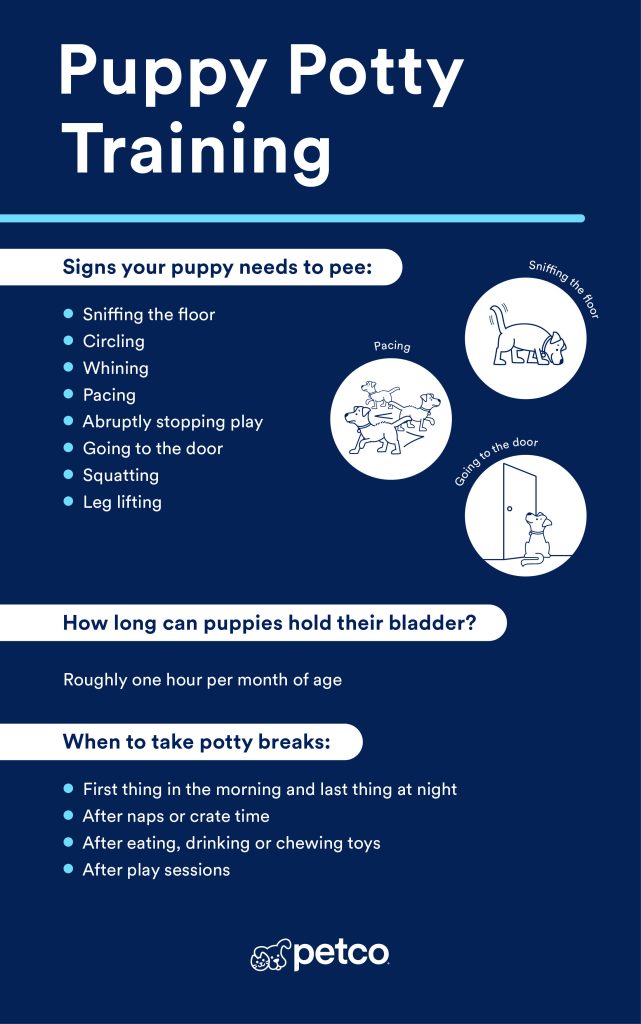
Take your puppy to the pee pad often, especially after meals. Puppies need bathroom breaks every 1 to 2 hours. Watch for signs they need to go.
| Time After Activity | Recommended Break Interval |
|---|---|
| After eating | 5 to 15 minutes |
| After waking up | Immediately to 10 minutes |
| During playtime | Every 1 to 2 hours |
| Before bedtime | Right before sleep |
Encouraging Proper Pee Pad Use
Puppy pee pad training helps keep your home clean. Teaching your puppy to use the pad takes patience.
Using the right methods makes training easier. Focus on clear signals and rewards to guide your puppy.
Positive Reinforcement Techniques
Reward your puppy when it uses the pee pad correctly. Praise and treats help your puppy learn fast.
- Give a small treat right after the puppy uses the pad
- Use a happy voice to say “Good job”
- Play briefly with your puppy after success
- Keep rewards consistent to build habits
- Ignore accidents to avoid confusion
Using Commands And Cues
Teach your puppy simple words to signal pee pad use. Consistent commands help your puppy understand.
| Command | Purpose |
| “Go potty” | Signal to use the pee pad |
| “Come here” | Call puppy to the pad |
| “Good dog” | Praise after use |
Say the command just before your puppy needs to go. Repeat it every time they use the pad.
Handling Accidents Effectively
Puppy pee pad training can be a challenge, but it is manageable. Handling accidents well is key to success.
Knowing how to clean up and avoid punishment will help you train your puppy effectively.
Cleaning And Odor Removal
Cleaning up quickly is important to prevent lingering odors. Here are some tips to help you keep your home fresh.
- Use paper towels to soak up as much urine as possible.
- Apply an enzyme cleaner to break down urine molecules.
- Wash the area with warm water and mild soap.
- Ensure the spot is completely dry before allowing your puppy back.
Avoiding Punishment
Punishing your puppy for accidents is not effective. Positive reinforcement works better for training.
Consider using a rewards-based system. This helps puppies learn faster and with less stress.
Remember, patience and consistency are key to successful puppy training.
Transitioning Away From Pee Pads
Moving your puppy from pee pads to outdoor potty training takes patience. This helps your dog learn to go outside instead of inside.
Use simple methods to make the change easy for both you and your puppy. Small steps work best.
Gradual Outdoor Training
Start by taking your puppy to the outdoor spot after they use the pee pad. Praise them when they go outside.
- Take your puppy out at regular times each day.
- Use a command like “go potty” outside.
- Reward your puppy with treats or praise after they go outdoors.
- Slowly reduce the use of pee pads indoors.
- Be patient and keep routines consistent.
Reducing Pad Size And Frequency
Make the pee pads smaller over time. This helps your puppy adjust to less indoor potty space.
| Week | Pad Size | Pad Usage Frequency |
| 1 | Full size | Use as usual |
| 2 | 3/4 size | Use one less pad per day |
| 3 | Half size | Use two less pads per day |
| 4 | Quarter size | Use only one pad per day |
| 5 | No pad | Outdoor only |
Common Challenges And Solutions
Puppy pee pad training can be tricky. Some puppies do not want to use the pads. Training more than one puppy adds extra challenges.
This guide covers common problems and easy solutions to help you train your puppies well.
Puppy Reluctance To Use Pads
Some puppies avoid pee pads because of smell or texture. They may also feel unsure where to go.
- Place pads in quiet, easy-to-find spots
- Use a spray to attract puppies to the pads
- Keep pads clean and dry by changing them often
- Reward your puppy with praise or treats after use
- Be patient and consistent with training
Multiple Puppies Training
Training several puppies at once needs careful planning. You must watch each puppy’s needs and habits.
| Challenge | Solution |
| Confusion over which pad to use | Place multiple pads in different areas |
| Dominant puppy blocking others | Train puppies separately at first |
| Hard to supervise all puppies | Use baby gates to limit space |
| Mixing used and fresh pads | Replace pads frequently to avoid mess |
Credit: www.amazon.com
Frequently Asked Questions
How Long Does Puppy Pee Pad Training Take?
Puppy pee pad training usually takes 2 to 4 weeks. Consistency, patience, and positive reinforcement speed up the process. Puppies learn best when routines are clear and accidents are handled calmly. Every puppy is different, so adjust training to your pet’s pace for success.
Where Should I Place Puppy Pee Pads At Home?
Place pee pads in quiet, accessible areas with low foot traffic. Choose spots near where your puppy spends most time. Avoid placing pads near their food or sleeping areas. Consistent placement helps puppies associate the pad with bathroom use.
How Often Should I Change Puppy Pee Pads?
Change puppy pee pads as soon as they are soiled to maintain hygiene. Frequent changes prevent odor buildup and encourage your puppy to use the pad consistently. Regularly check pads, especially during early training stages, to keep the area clean and inviting.
Can I Train My Puppy To Use Pee Pads Indoors?
Yes, pee pads are effective for indoor potty training. They provide a designated spot for puppies to relieve themselves safely. Use consistent commands and reward your puppy when they use the pad correctly to reinforce good habits and reduce accidents.
Conclusion
Training your puppy with pee pads takes time and patience. Stay consistent and keep a calm attitude. Praise your puppy when they use the pad correctly. Clean accidents quickly to avoid smells. Change pads often to keep the area fresh.
Remember, every puppy learns at their own pace. With care and practice, your puppy will improve. Enjoy this special time with your new friend. Soon, your home will stay clean and happy. Keep going—you are doing great!

Emily Barker is the founder of ChillDogLife.com, a space dedicated to helping pup parents discover the best dog products, lifestyle tips, and cozy ideas for happier homes.
A lifelong dog lover, Emily combines her passion for pets with a knack for research to share trusted recommendations on everything from toys and furniture to health and everyday care.
Her goal is simple: to make life easier, stylish, and more joyful for dogs and the people who love them.




