Getting your puppy housebroken can feel like a big challenge, but you’re not alone—and it’s totally doable. Imagine coming home to a clean, happy space where your furry friend knows exactly where to go.
That sense of relief and pride is closer than you think. In this post, you’ll find simple, proven puppy training tips that make housebreaking easier and faster. Stick with me, and by the end, you’ll have the tools to build a strong, trusting bond with your puppy while keeping your home fresh and mess-free.
Ready to get started? Let’s dive in!

Credit: picclick.ca
Preparing For Housebreaking
Housebreaking your puppy takes patience and planning. Preparing well helps your puppy learn faster.
Start by setting up the right tools and a clear routine. This makes training easier for both of you.
Choosing The Right Supplies
Gather supplies that support housebreaking. These items help keep your home clean and guide your puppy.
- Puppy pads for indoor potty training
- Cleaning products safe for pets
- Leash and collar for outdoor walks
- Crate for controlled rest and breaks
- Treats for positive reinforcement
Setting A Consistent Schedule
Consistency helps your puppy understand when to go outside. Make a simple daily plan.
- Feed your puppy at the same times each day
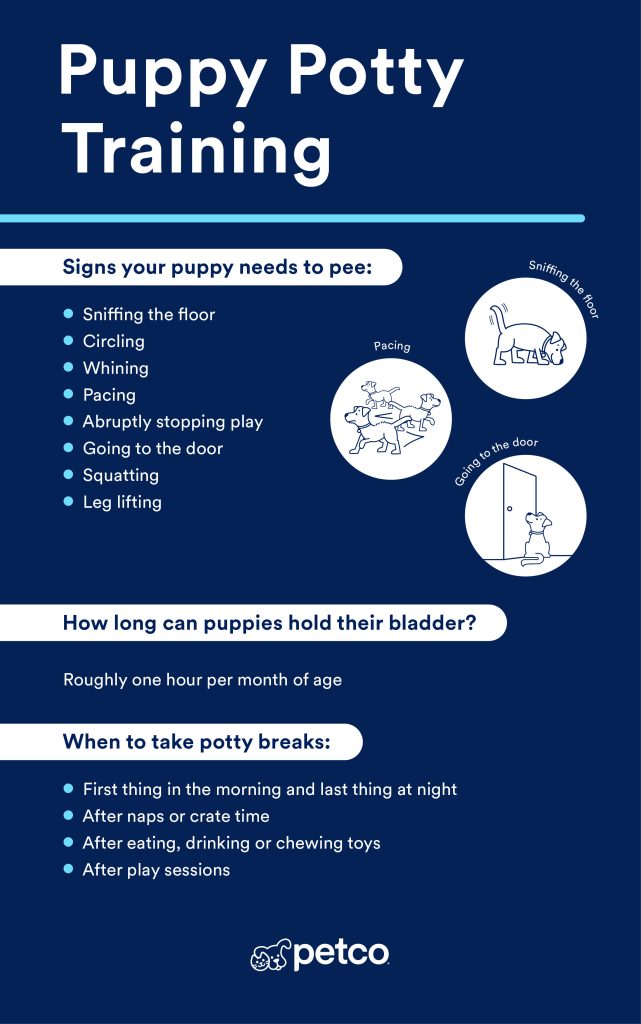
- Take your puppy outside after meals and naps
- Give bathroom breaks every 2 hours
- Use a command to signal potty time
- Praise your puppy after they go in the right place
Designating A Potty Area
Choose one spot for your puppy to use as the bathroom. This helps them learn faster.
| Potty Area Tip | Reason |
|---|---|
| Pick a quiet, easy to reach spot | Reduces distractions and confusion |
| Use the same spot every time | Builds a strong habit |
| Keep the area clean but leave some scent | Encourages your puppy to return |
| Make sure the spot is safe from traffic | Protects your puppy from harm |
Credit: medium.com
Establishing A Routine
Positive Reinforcement Techniques
Training your puppy with positive reinforcement helps build trust. It encourages good behavior gently and effectively.
Using rewards and praise makes your puppy want to learn. This method is kinder and lasts longer than punishments.
Using Treats And Praise
Treats are powerful tools to reward your puppy. Give small, tasty treats right after good behavior.
Praise your puppy with a happy voice and petting. This shows your dog you are pleased and proud.
- Choose treats your puppy loves
- Use soft treats for quick eating
- Speak kindly and smile
- Combine treats with gentle petting
Timing Rewards Effectively
Give rewards immediately after the puppy does the right thing. This helps your puppy connect the action and reward.
If you wait too long, your puppy may not understand what you want. Be quick and clear with your praise and treats.
- Reward within 2 seconds of good behavior
- Use a clicker or a word like “yes” to mark good actions
- Be consistent with timing every time
Avoiding Punishments
Punishing puppies can make them scared or confused. It may harm your bond and slow down training.
Focus on rewarding good behavior instead of punishing bad actions. Teach your puppy what to do, not what to avoid.
- Never hit or yell at your puppy
- Ignore unwanted behavior when safe to do so
- Redirect your puppy to correct actions
- Be patient and calm during training
Managing Accidents
Accidents are a normal part of housebreaking a puppy. How you handle them can help your puppy learn faster. Stay calm and clean up well to keep your home fresh.
Understanding why accidents happen helps prevent future problems. Use patience and clear steps to guide your puppy toward success.
Cleaning And Odor Removal
Clean accidents quickly to stop your puppy from returning to the same spot. Use cleaners made for pet stains. Avoid harsh chemicals that can harm your puppy.
- Blot the area with paper towels to remove moisture
- Apply an enzymatic cleaner to break down odors
- Let the area dry completely before allowing your puppy back
- Keep cleaning supplies handy for quick response
Staying Calm And Patient
Getting upset can scare your puppy and slow learning. Use a soft voice and gentle actions. Remember, puppies need time to learn good habits.
Tips to Stay Calm:
- Take deep breaths before reacting
- Speak softly to your puppy
- Focus on teaching, not punishing
- Reward good behavior often
Preventing Repeat Incidents
Stop accidents before they happen by watching your puppy closely. Create a schedule for bathroom breaks. Use praise when your puppy goes outside.
| Tip | Why It Helps |
| Take puppy out every 2 hours | Reduces chance of accidents inside |
| Use a consistent potty spot | Helps puppy learn where to go |
| Give treats after successful potty | Encourages good behavior |
| Watch for signs like sniffing or circling | Allows quick action to prevent accidents |
Crate Training Benefits
Crate training is an effective way to help puppies learn good habits. It keeps them safe and comfortable while they adjust to their new home.
Using a crate helps with housebreaking by teaching puppies to hold their bladder and avoid accidents. It also reduces anxiety and destructive behavior.
Choosing The Right Crate
Select a crate that fits your puppy well. It should be big enough for them to stand, turn, and lie down comfortably.
A crate that is too large may make housebreaking harder. Puppies might use one side as a bathroom and the other to sleep.
- Measure your puppy’s length and height
- Choose a crate with adjustable dividers
- Pick a sturdy and well-ventilated crate
Introducing The Crate Comfortably
Make the crate inviting with soft bedding and toys. Let your puppy explore it at their own pace without closing the door at first.
Feed your puppy near or inside the crate to build a positive connection. Praise them gently when they enter the crate willingly.
- Place the crate in a quiet, safe spot
- Keep the door open during initial introductions
- Use treats to encourage crate visits
Using The Crate For Potty Training
Puppies do not like to soil their sleeping area. Use the crate to teach them to wait before going outside to potty.
Take your puppy outside right after they leave the crate. Reward them for going potty outdoors to reinforce good habits.
- Keep crate time short at first
- Take puppy out first thing in the morning
- Use a consistent potty schedule
- Never use the crate as punishment
Common Challenges And Solutions
Training a puppy can be a rewarding experience. Yet, it often comes with its challenges. Housebreaking is a common hurdle new pet owners face.
This guide will help you navigate common puppy training issues. We focus on stubborn puppies, nighttime accidents, and breed-specific adjustments.
Dealing With Stubborn Puppies
Some puppies resist training more than others. Consistency is key to overcoming stubbornness. Use positive reinforcement to encourage good behavior.
- Set a regular feeding schedule
- Take your puppy outside after meals
- Reward successful bathroom trips with treats
Handling Nighttime Accidents
Nighttime accidents are common with young puppies. Limit their water intake a couple of hours before bedtime. Create a bedtime routine to help them adjust.
| Age (Months) | Expected Nighttime Control (Hours) |
| 2-3 | 2-4 |
| 4-6 | 4-6 |
| 6+ | 6-8 |
Adjusting Techniques For Different Breeds
Different breeds have unique traits that affect training. Beagles may require more patience, while Border Collies might learn quicker. Tailor your methods to suit your puppy’s breed.
Consider consulting a breed-specific training guide for tailored advice.
Tracking Progress And Success
Training a puppy can be challenging, but tracking progress helps. Knowing what works and what doesn’t is key.
Let’s explore how to keep track of your puppy’s training success. It will make the process smoother and more rewarding.
Keeping A Training Journal
Writing down daily activities and achievements helps identify patterns. A journal keeps track of what techniques are effective.
- Note daily training sessions
- Record successful commands
- Track accidents and mishaps
Recognizing Milestones
Celebrate each milestone your puppy achieves. It builds confidence and motivation for both of you.
Consider the following milestones:
- First time staying dry through the night
- Responding to basic commands
- Mastering housebreaking without accidents
Knowing When To Seek Professional Help
If progress stalls, a professional trainer can help. They provide guidance tailored to your puppy’s needs.
| Sign | Action |
| Persistent accidents | Consult a trainer |
| Unresponsive to commands | Seek expert advice |
| Behavioral issues | Get professional help |
Credit: www.api.motion.ac.in
Frequently Asked Questions
How Long Does Puppy Housebreaking Take?
Puppy housebreaking usually takes 4 to 6 months with consistent training. Patience, routine, and positive reinforcement speed up progress effectively.
What Is The Best Method For Puppy Housebreaking?
Crate training combined with regular outdoor potty breaks is the most effective housebreaking method. Reward your puppy immediately after they go outside.
How Often Should I Take My Puppy Outside?
Take your puppy outside every 1 to 2 hours, especially after meals and naps. Frequent trips help prevent accidents indoors.
What Are Common Housebreaking Mistakes To Avoid?
Avoid inconsistent schedules, punishing accidents, and skipping outdoor breaks. These mistakes confuse puppies and slow down training progress.
Conclusion
Training a puppy to be housebroken takes time and patience. Stay calm and keep routines steady. Praise your puppy often for good behavior. Expect some accidents; they are part of learning. Use simple commands and be consistent daily. Soon, your puppy will understand the right place.
Enjoy the bond you build through training. Remember, gentle care helps your puppy grow happy. Keep practicing, and success will follow.

Emily Barker is the founder of ChillDogLife.com, a space dedicated to helping pup parents discover the best dog products, lifestyle tips, and cozy ideas for happier homes.
A lifelong dog lover, Emily combines her passion for pets with a knack for research to share trusted recommendations on everything from toys and furniture to health and everyday care.
Her goal is simple: to make life easier, stylish, and more joyful for dogs and the people who love them.




