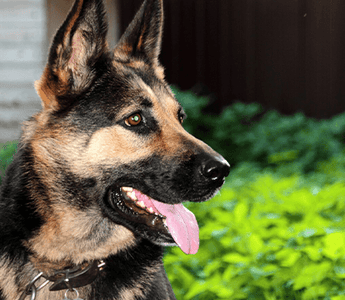
Are you thinking about adding a furry friend to your family? If so, you might be wondering if a German Shepherd is the right choice for your home.
These dogs are known for their intelligence and loyalty, but are they a good fit for your family’s lifestyle? Understanding what makes German Shepherds unique can help you decide if they’ll bring joy and harmony to your household. Keep reading to discover the truth about German Shepherds as family dogs and find out if they’re the perfect companion for you.
Credit: www.pets4homes.co.uk
Temperament And Personality
Understanding the temperament and personality of German Shepherds is key to deciding if they fit well into your family life. These dogs are known for their strong character traits, which can shape your daily interactions. Let’s break down what makes their behavior unique and how it can affect your household.
Loyalty And Bonding
German Shepherds are famously loyal to their families. They form deep bonds and often see their family members as part of their pack. This loyalty means they will often stay close to you and protect your home.
Have you ever noticed how your dog seems to know when you need comfort or protection? A German Shepherd’s loyalty often goes beyond simple companionship—it’s a genuine emotional connection.
Intelligence And Trainability
These dogs are among the smartest breeds. Their intelligence makes them quick learners, able to grasp new commands and routines faster than many other dogs.
This trainability is a big plus if you want a dog that can adapt to your family’s lifestyle. It also means they thrive when given tasks or challenges, so keeping their mind active is essential.
Energy Levels And Playfulness
German Shepherds have high energy levels and love to play. They need regular exercise to stay happy and healthy, which can be a great way for your family to stay active together.
Think about how much your family enjoys outdoor activities. Would having a playful companion motivate you to spend more time outside? Their enthusiasm can bring a lot of joy—and sometimes a bit of chaos—to your home.
Compatibility With Children
Choosing a family dog involves considering how well the breed interacts with children. German Shepherds are known for their intelligence and loyalty, often making them a popular choice. But how do they really fare when it comes to family life, especially with kids?
Behavior Around Kids
German Shepherds are known for their protective nature, which can be an advantage when they bond with children. They often develop a natural instinct to guard and keep an eye on the little ones. Yet, their size and energy levels mean they might accidentally knock over smaller kids during playtime. This breed is generally patient and tolerant, making them great playmates. They enjoy engaging in activities and can match the energy levels of active children. However, socialization from a young age is crucial to ensure they are comfortable around kids of all ages.
Teaching Kids To Interact
It’s important for children to learn how to interact with German Shepherds properly. Teaching kids not to pull on their ears or tails can prevent unwanted incidents. Encourage gentle petting and respectful behavior to foster a positive relationship. Consider setting up a routine where your child can help with feeding or grooming. This not only builds a bond but also teaches responsibility. Have open conversations about reading the dog’s body language to understand when it needs space or is ready to play.
Supervision And Safety Tips
Always supervise interactions between young children and your German Shepherd. Even the friendliest dog can become overwhelmed or accidentally too rough during play. Setting boundaries, such as designated play areas, can help manage this. Make sure your dog has a safe space to retreat to if it needs a break. This could be a crate or a quiet room where it can relax. Regular training sessions can also reinforce good behavior, making it easier to manage interactions with kids.
Are you ready to add a German Shepherd to your family? Consider these compatibility tips to ensure a harmonious relationship between your kids and your furry friend.
Exercise And Activity Needs
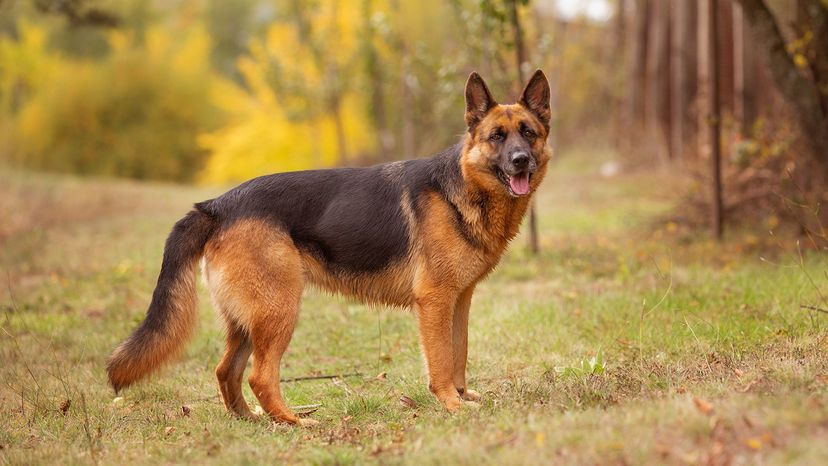
German Shepherds thrive on activity and exercise. Their high energy levels mean they need regular physical and mental challenges to stay happy and healthy. Understanding their exercise and activity needs is key to keeping them balanced and well-behaved in a family setting.
Daily Physical Requirements
German Shepherds need at least 1 to 2 hours of exercise every day. This can be a mix of walking, running, and playing fetch. Without enough physical activity, they can become restless or develop destructive habits.
Think about your daily routine. Can you commit to a long walk or a run every day? Even a busy schedule can fit in short bursts of play or a quick trip to the park. Your dog will thank you with better behavior and more energy.
Mental Stimulation
Physical exercise isn’t enough for German Shepherds—they also need mental challenges. Puzzle toys, obedience training, and scent games keep their minds sharp. Without mental stimulation, they may get bored and act out.
Have you tried teaching your dog new tricks or commands recently? Simple training sessions can be fun for both of you and help tire their brain. This mental workout supports their natural intelligence and eagerness to learn.
Activities For Family Engagement
Including the whole family in your German Shepherd’s activities strengthens bonds and helps with training. Try group walks, hide-and-seek games, or agility courses in your backyard. These activities make exercise feel like quality family time.
What if every family member took turns leading a game or training session? This gives your dog variety and attention from everyone. It also teaches your dog to listen to different people, which is great for social skills.
Credit: animals.howstuffworks.com
Training And Socialization
Training and socialization are key to raising a well-behaved German Shepherd. These dogs are smart and eager to learn. Proper guidance helps them become gentle family members.
Starting early builds good habits and reduces future problems. Consistent training shapes their behavior positively. Socialization helps them feel comfortable around people and other pets.
Early Socialization Importance
Begin socializing German Shepherds as puppies. Introduce them to new people, places, and sounds. This helps prevent fear and aggression later. Puppies learn to trust and adapt better. Early exposure creates a calm and confident dog.
Basic Commands And Obedience
Teach simple commands like sit, stay, and come. Use short sessions with clear rewards. Keep training fun and positive. Consistency makes commands stick faster. Obedience training improves safety and control. It also strengthens the bond with your dog.
Dealing With Behavioral Challenges
Watch for signs of anxiety or aggression. Address problems early with patience and calmness. Redirect unwanted behavior with gentle corrections. Avoid harsh punishments that can cause fear. Seek help from a professional trainer if needed. Proper handling leads to a happy, balanced dog.
Health And Care Considerations
German Shepherds need special attention to stay healthy and happy. Their health and care needs affect their role as family dogs. Understanding these factors helps families provide the best life for their pet.
Common Health Issues
German Shepherds are prone to certain health problems. Hip dysplasia is a common joint condition causing pain and movement issues. Elbow dysplasia also affects their joints and can limit activity. Some may develop digestive problems or skin allergies. Regular vet check-ups catch problems early. Exercise and a good diet support their overall health.
Grooming Needs
These dogs have a thick double coat. They shed a lot, especially in spring and fall. Brushing two to three times a week reduces loose hair. Bathing once every few months keeps their skin clean. Check ears weekly to avoid infections. Trim nails regularly to prevent discomfort. Grooming helps spot health issues early.
Diet And Nutrition
Balanced nutrition is key for German Shepherds. High-quality dog food with protein supports strong muscles. Avoid overfeeding to prevent obesity. Fresh water must always be available. Puppies need food rich in nutrients for growth. Adult dogs require maintenance diets to keep energy levels steady. Consult a vet for the best feeding plan.
Living Environment And Space
German Shepherds need the right living space to thrive. Their size and energy levels influence where they live best. These dogs enjoy room to move and explore. A suitable environment helps them stay happy and healthy.
Suitability For Apartments Vs. Houses
German Shepherds can live in apartments if exercised well. Small spaces require daily walks and playtime. Without activity, they may become bored or restless. Houses with yards suit them better. They can run freely and burn off energy. Space matters for their comfort and behavior.
Safe Outdoor Spaces
Secure outdoor areas prevent German Shepherds from wandering off. Fenced yards offer a safe place to play. They enjoy spending time outside with family. Avoid open or unfenced spaces to keep them safe. Supervised outdoor time supports their mental and physical health.
Adapting To Different Climates
German Shepherds adapt well to many climates. Their thick coat protects against cold weather. They handle heat less well and need shade. Provide fresh water and cool areas in summer. Adjust outdoor activities based on weather conditions.
Pros And Cons As Family Pets
Choosing a German Shepherd as a family pet comes with clear benefits and some challenges. Understanding both sides will help you decide if this breed fits your household’s lifestyle. Let’s look closely at what makes German Shepherds great companions and what demands they might place on you and your family.
Strengths Of German Shepherds
German Shepherds are incredibly loyal and protective, making them natural family guardians. They bond deeply with their owners and often show gentle behavior with children. Their intelligence means they learn commands quickly, which can be a real advantage for training.
These dogs also have high energy levels, perfect for active families who enjoy outdoor activities. Their eagerness to please can turn daily walks or playtime into enjoyable bonding experiences. Plus, their alertness makes them excellent watchdogs, giving you peace of mind.
Potential Challenges
German Shepherds require consistent training and socialization from an early age. Without this, they might develop behavioral issues like excessive barking or guarding tendencies. If you don’t have time for daily exercise, their pent-up energy can lead to destructive habits.
They also shed a lot, especially during seasonal changes, which means regular grooming is necessary. This can be a hassle if you or your family members have allergies. Additionally, their size and strength might be overwhelming for very young children or elderly family members.
Is This Breed Right For Your Family?
Ask yourself: Can you commit to daily exercise and training? German Shepherds thrive on structure and activity, so a sedentary lifestyle won’t work well. If your family enjoys spending time outdoors and is ready to invest effort into training, this breed can be a wonderful match.
Consider your living space too. A large yard or nearby parks will help keep your dog happy and healthy. If you’re willing to manage shedding and grooming, you’ll find a loyal, protective companion who fits well into an active family life.
Credit: www.pets4homes.co.uk
Frequently Asked Questions
Are German Shepherds Good With Children?
German Shepherds are loyal and protective, making them great with children. They are gentle when socialized early. Proper training ensures safe interactions. They enjoy playing and bonding with kids, fostering strong family relationships.
How Much Exercise Do German Shepherds Need Daily?
German Shepherds require at least 1 to 2 hours of exercise daily. Activities like walking, running, and playing help keep them healthy and happy. Regular exercise prevents behavioral issues and supports their high energy levels.
Are German Shepherds Easy To Train?
Yes, German Shepherds are highly intelligent and eager to learn. They respond well to consistent, positive training methods. Early socialization and obedience training help them become well-mannered family dogs.
Do German Shepherds Shed A Lot?
German Shepherds shed moderately year-round and heavily during seasonal changes. Regular brushing reduces loose hair and keeps their coat healthy. Shedding is manageable with proper grooming routines.
Conclusion
German Shepherds make loyal and loving family pets. They protect and play with children well. These dogs need daily exercise and training to stay happy. Their intelligence helps them learn commands quickly. Families who spend time with them enjoy strong bonds.
Patience and care bring out their best traits. Choosing a German Shepherd means gaining a faithful companion. They fit well in active homes. A happy dog means a happy family. Consider your lifestyle before bringing one home.

Emily Barker is the founder of ChillDogLife.com, a space dedicated to helping pup parents discover the best dog products, lifestyle tips, and cozy ideas for happier homes.
A lifelong dog lover, Emily combines her passion for pets with a knack for research to share trusted recommendations on everything from toys and furniture to health and everyday care.
Her goal is simple: to make life easier, stylish, and more joyful for dogs and the people who love them.




