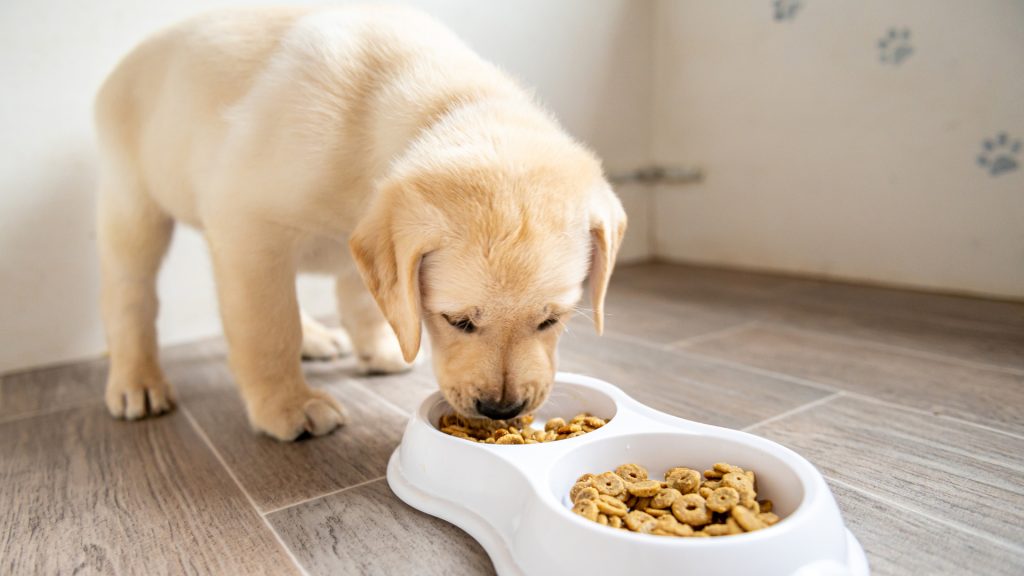
What if your puppy accidentally eats adult dog food? It’s a question every dog owner wonders about at some point.
You want to give your puppy the best start in life, so feeding them the right food is important. But mistakes happen, and you might be worried about what could go wrong. Could it upset their tummy? Affect their growth?
Or is it just a small slip with no real harm? Keep reading to find out exactly what happens when a puppy eats adult dog food and what you should do to keep your furry friend healthy and happy.
Differences Between Puppy And Adult Dog Food
Feeding a puppy is different from feeding an adult dog. Puppies need special food to grow strong. Adult dog food does not have the same nutrients puppies require.
This article explains the differences between puppy and adult dog food. It covers what puppies need and what adult dog food contains.
Nutritional Needs Of Puppies
Puppies need more calories and nutrients than adult dogs. Their bodies grow fast and need extra protein, fat, and vitamins. These help build strong bones and muscles.
- High protein for muscle growth
- Extra fat for energy
- Calcium and phosphorus for bone development
- Vitamins and minerals for immune support
- Smaller kibble size for easy chewing
Ingredients In Adult Dog Food
Adult dog food has fewer calories and less fat than puppy food. It focuses on maintaining health and weight. The ingredients support an adult dog’s slower metabolism.
| Ingredient | Puppy Food | Adult Dog Food |
|---|---|---|
| Protein | Higher (22-32%) | Moderate (18-25%) |
| Fat | Higher (10-25%) | Lower (8-15%) |
| Calcium | Higher for bone growth | Controlled to prevent excess |
| Kibble Size | Small and soft | Larger and firmer |
| Calories | More calories for energy | Fewer calories for maintenance |
Potential Risks For Puppies Eating Adult Dog Food
Puppies need special food to grow healthy and strong. Adult dog food is made for grown dogs.
If a puppy eats adult dog food, it can face some health problems. It is important to know what might happen.
Nutritional Deficiencies
Puppies need more nutrients than adult dogs. Adult dog food may not have enough vitamins and minerals.
Missing nutrients can lead to weak bones and poor immune systems in puppies.
- Less protein for muscle growth
- Lower calcium for bone development
- Not enough essential fatty acids
Digestive Problems
Puppies have sensitive stomachs. Adult dog food can be hard for them to digest.
This can cause diarrhea, vomiting, or stomach pain in young dogs.
- Too much fat may upset the stomach
- Different fiber levels can cause gas
- Changes in food can lead to nausea
Growth And Development Issues
Puppies grow fast and need food that supports this growth. Adult dog food may slow their development.
It can cause slower bone growth and weaker muscles, affecting their overall health.
- Inadequate calories for energy needs
- Imbalanced nutrients affect organ growth
- Delay in reaching healthy weight
Signs To Watch After Puppy Eats Adult Food
Puppies need special food for their growth. Eating adult dog food once may not harm them. Still, watch for signs that show if your puppy has any issues.
Adult dog food has different nutrients than puppy food. This can cause changes in behavior or health. Knowing these signs helps you act fast.
Behavioral Changes
After eating adult dog food, your puppy may act differently. Watch for these common behavior changes:
- Less energy than usual
- Increased irritability or fussiness
- Loss of appetite or refusal to eat
- Unusual whining or restlessness
- More frequent sleeping or lethargy
Physical Symptoms
Physical signs can show your puppy’s body is upset. Check for these symptoms:
| Symptom | Possible Cause |
| Vomiting | Digestive upset from wrong nutrients |
| Diarrhea | Food intolerance or sensitivity |
| Constipation | Change in fiber content |
| Excessive thirst | Body trying to flush toxins |
| Swollen belly | Gas or bloating |
Credit: www.purina.com
Immediate Actions To Take
If your puppy eats adult dog food, it can cause stomach upset. Adult food has more calories and fat than puppy food. This may lead to diarrhea or vomiting.
Act quickly to watch your puppy’s health. Knowing what to do helps keep your puppy safe and comfortable.
Monitoring Your Puppy
Check your puppy closely after eating adult dog food. Look for signs like vomiting, diarrhea, or lack of energy. Also watch if your puppy drinks more water than usual.
- Check for vomiting or diarrhea
- Notice if your puppy is less active
- Watch for signs of stomach pain or discomfort
- Keep track of your puppy’s water intake
- Make sure your puppy continues to eat its regular food
When To Contact A Veterinarian
Call your vet if your puppy shows serious symptoms or if mild signs last more than a day. Puppies are small and can get sick fast.
| Symptom | Why It Matters | Action |
| Repeated vomiting | Can cause dehydration | Contact vet immediately |
| Diarrhea lasting more than 24 hours | Risk of dehydration and nutrient loss | Seek veterinary care |
| Weakness or lethargy | May indicate serious illness | Call vet right away |
| Refusal to eat or drink | Can lead to dehydration quickly | Get professional help |
| Bloody stool or vomit | Sign of internal damage | Urgent veterinary attention needed |
Long-term Remedies And Prevention
Feeding a puppy adult dog food by mistake can cause health problems. It is important to fix this quickly and prevent it from happening again. Long-term care helps keep your puppy healthy and growing strong.
Proper feeding habits and food storage can stop future feeding errors. Switching back to puppy food gently supports your puppy’s nutrition and digestion. This guide covers key steps to protect your puppy’s health.
Switching Back To Puppy Food
Move your puppy from adult food back to puppy food slowly. Sudden changes can upset their stomach. Mix a small amount of puppy food into the adult food and increase it over several days.
- Start with 25% puppy food mixed with 75% adult food
- Increase puppy food amount every two days
- Watch for signs of stomach upset like vomiting or diarrhea
- Finish transition in about one week
Proper Feeding Schedules
Regular feeding times help your puppy get used to a healthy routine. Feeding too much or too little can cause health issues. Stick to a schedule that fits your puppy’s age and size.
| Age of Puppy | Number of Meals per Day | Recommended Portion Size |
|---|---|---|
| 8 weeks to 3 months | 4 meals | Small, frequent meals |
| 3 to 6 months | 3 meals | Moderate size meals |
| 6 months to 1 year | 2 meals | Larger meals |
Safe Food Storage Practices
Store dog food in a cool, dry place. Proper storage keeps the food fresh and safe from pests. Use airtight containers to protect food from moisture and bacteria.
- Keep food in sealed containers
- Label containers with the date opened
- Do not leave food out for more than two hours
- Discard old or stale food promptly
Credit: greenpantry.co.uk
Choosing The Right Food For Your Puppy
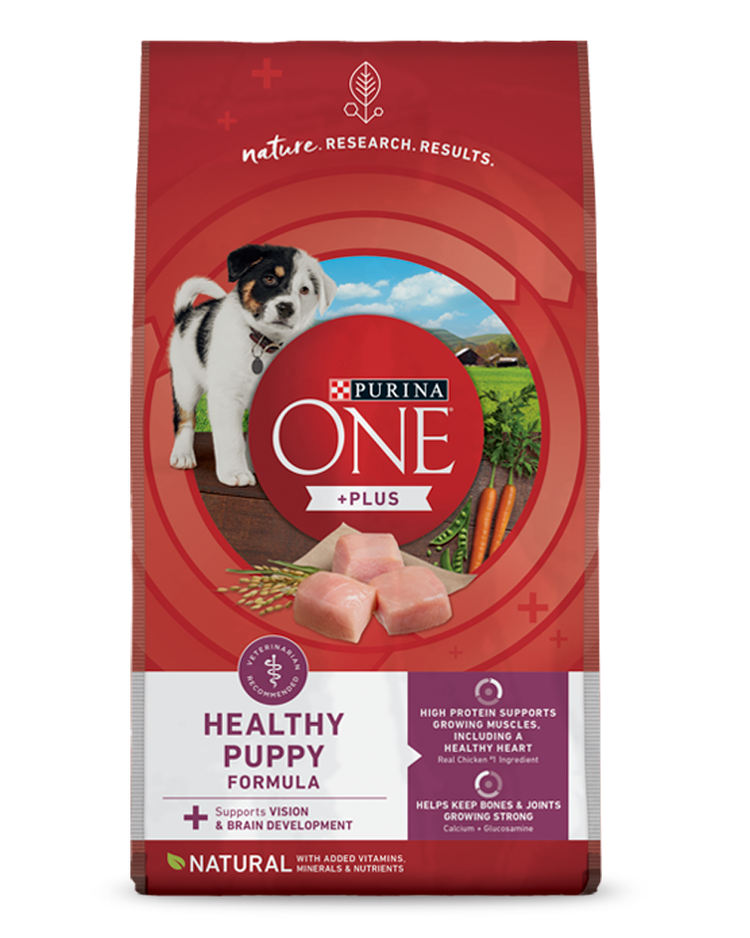
Picking the right food for your puppy is important. Puppies need special nutrients to grow healthy and strong.
Adult dog food might not have the right balance of nutrients for a puppy. It is essential to choose food designed for young dogs.
Reading Dog Food Labels
Understanding dog food labels can help you make a better choice. Labels provide information about ingredients and nutrition.
- Check for protein sources like chicken or beef
- Look for essential vitamins and minerals
- Ensure there are no harmful additives
Consulting With Professionals
Veterinarians can guide you in choosing the right food for your puppy. They understand the specific needs of growing dogs.
Always seek advice from experts to ensure your puppy gets the best nutrition possible. Professionals can help tailor a diet that fits your puppy’s breed and size.
Credit: www.purina.com
Frequently Asked Questions
Can Puppies Eat Adult Dog Food Safely?
Puppies can eat adult dog food occasionally but it’s not ideal. Adult food lacks essential nutrients for growing pups. Consistent feeding may affect their growth and health. Always consult a vet for proper diet guidance.
What Happens If A Puppy Eats Adult Dog Food?
If a puppy eats adult dog food once, usually no harm occurs. However, regular consumption can cause digestive issues and nutrient deficiencies. Puppies need food tailored to their developmental needs for optimal growth.
How To Transition A Puppy From Adult To Puppy Food?
Transition gradually over 7-10 days by mixing increasing puppy food with adult food. This prevents stomach upset and helps the puppy adjust. Monitor for any adverse reactions during the switch.
Why Is Puppy Food Different From Adult Dog Food?
Puppy food contains higher protein, fat, and essential nutrients for growth. Adult dog food is formulated for maintenance, not development. Puppies require specific vitamins and minerals to support bone and brain growth.
Conclusion
Puppies need special food for their growth and health. Adult dog food lacks some key nutrients puppies require. Eating adult food once in a while may not cause harm. Regular feeding of adult food can lead to health problems. Always choose the right food to keep your puppy strong.
Watch your puppy closely and talk to a vet if unsure. Feeding the correct diet helps your puppy grow happy and healthy. Small changes in food can make a big difference. Care and attention make all the difference for your puppy.

Emily Barker is the founder of ChillDogLife.com, a space dedicated to helping pup parents discover the best dog products, lifestyle tips, and cozy ideas for happier homes.
A lifelong dog lover, Emily combines her passion for pets with a knack for research to share trusted recommendations on everything from toys and furniture to health and everyday care.
Her goal is simple: to make life easier, stylish, and more joyful for dogs and the people who love them.




