Have you ever wondered if your dog’s urine could be a hidden health risk for you or your family? It’s a question many pet owners don’t think about until they notice a smell or stain that just won’t go away.
But beyond the inconvenience, could dog urine actually cause health problems? Understanding the risks—and how to protect yourself—can make a big difference in keeping your home safe and your loved ones healthy. Keep reading to find out what you need to know about dog urine and your health.
Health Risks Of Dog Urine
Dog urine can cause some health problems if people or pets come into contact with it. It contains bacteria, parasites, and allergens that might affect health.
Understanding the risks can help you keep your family and pets safe from possible infections and reactions.
Bacterial Infections
Dog urine may carry harmful bacteria like E. coli and Salmonella. These bacteria can cause infections in humans and other animals. Contact with urine can lead to skin infections or stomach problems if ingested.
It is important to clean areas where dogs urinate to reduce bacteria and avoid health issues.
Allergic Reactions
Some people are allergic to proteins found in dog urine. These proteins can cause sneezing, itchy eyes, and skin rashes. Allergic reactions vary from mild to severe depending on the person’s sensitivity.
- Sneezing and coughing
- Watery, itchy eyes
- Skin redness or hives
- Difficulty breathing in severe cases
Parasitic Concerns
Dog urine can sometimes carry parasites like worms or protozoa. These parasites cause diseases if they enter the body through broken skin or mouth. Children and pets are at higher risk.
| Parasite | Possible Health Issue |
| Giardia | Diarrhea and stomach pain |
| Hookworms | Skin irritation and anemia |
| Roundworms | Digestive problems and coughing |
Impact On Indoor And Outdoor Spaces
Dog urine can cause problems inside and outside your home. It affects floors, walls, and gardens.
Understanding these effects helps keep your space clean and healthy for everyone.
Damage To Home Surfaces
Dog urine can stain and damage many home surfaces. Hardwood floors and carpets are especially vulnerable.
- Hardwood floors may discolor and warp.
- Carpet fibers can hold stains and odors.
- Concrete and tiles may develop permanent marks.
- Paint and wallpaper can peel or discolor.
Effects On Garden Plants
Urine affects plants and soil in your garden. High nitrogen levels can burn some plants.
| Plant Type | Effect of Dog Urine |
| Grass | Yellow spots and dead patches |
| Flowers | Wilting and discoloration |
| Shrubs | Leaf burn and reduced growth |
| Vegetables | Possible contamination and damage |
Odor And Hygiene Issues
Dog urine causes strong odors that can linger in homes and yards. It also creates hygiene concerns.
- Urine can attract flies and pests.
- It may cause respiratory issues for sensitive people.
- Cleaning is needed to prevent bacteria buildup.
- Proper ventilation helps reduce odors indoors.
Risks To Humans
Dog urine can cause health problems for people. It contains bacteria and chemicals that may be harmful.
Knowing the risks helps keep you and your family safe. Some groups face higher risks than others.
Children And Elderly Vulnerability
Children and elderly people have weaker immune systems. They are more likely to get sick from exposure to dog urine.
Young kids often play on floors or grass where dog urine may be present. Older adults may have health conditions that make infections worse.
- Children might touch urine and put hands in mouth
- Elderly may have slower healing from infections
- Both groups should avoid contact with urine areas
Transmission Of Diseases
Dog urine can carry bacteria and parasites. These can spread diseases to humans through skin contact or breathing in air near it.
Some illnesses linked to dog urine include leptospirosis and urinary tract infections. These can cause fever, vomiting, and pain.
- Bacteria enter through cuts or scratches on the skin
- Parasites can spread if urine contaminates water
- Inhaling dried urine particles may irritate lungs
Preventive Measures
Keep areas clean where dogs urinate. Wash hands after touching pets or cleaning urine spots.
Use gloves when handling urine or cleaning areas. Teach children not to touch or play in urine spots.
- Clean urine promptly with water and disinfectant
- Keep pets healthy with regular vet visits
- Avoid letting dogs urinate in high-traffic human areas
- Use protective gear when cleaning urine
- Encourage hand washing after outdoor play or pet contact
Credit: pethelpful.com
Risks To Other Pets
Dog urine might pose health risks to other pets in your home. It is important to understand the potential dangers and take steps to protect your pets.
Each section will explore different aspects of how dog urine can impact other pets. We will look at contamination, behavior, and health measures.
Cross-contamination
Dog urine can cause cross-contamination in shared spaces. This can affect your pets’ health, especially if they share common areas.
- Urine can harbor bacteria and parasites.
- Shared water bowls can spread contaminants.
- Play areas might become infection hotspots.
Behavioral Impacts
Exposure to dog urine might lead to behavioral changes in other pets. Pets can become anxious or territorial.
Here is a simple observation:
- Increased marking behavior in cats.
- Dogs might become aggressive or anxious.
Health Precautions
Taking health precautions can help reduce risks. Proper cleaning and monitoring can keep your pets safe.
| Action | Benefit |
| Regular cleaning | Reduces bacteria buildup |
| Separate feeding areas | Prevents cross-contamination |
| Vet check-ups | Early detection of issues |
Safe Cleaning Practices
Dog urine can cause bad smells and stains in your home. It may also create health risks if not cleaned properly. Safe cleaning helps keep your space fresh and healthy.
Using the right cleaning methods stops germs and odors from spreading. It protects your family and pets from possible infections.
Effective Cleaning Agents
Choose cleaners that remove urine and kill germs. Enzyme-based cleaners work well. They break down urine compounds and stop smells.
Avoid cleaners with ammonia or bleach. They can react with urine and make smells worse. Use gentle, pet-safe products instead.
- Enzyme cleaners remove urine stains and odors
- White vinegar and water help neutralize smells
- Baking soda absorbs moisture and odor
- Avoid ammonia and bleach near urine spots
Disinfection Tips
Disinfecting kills bacteria and reduces health risks. Use disinfectants that are safe for pets and people. Spray or wipe the area well after cleaning urine.
Let disinfectants sit for the recommended time before wiping. This helps them work better. Always follow product instructions for best results.
- Use pet-safe disinfectants like diluted hydrogen peroxide
- Allow disinfectant to stay on surface for at least 5 minutes
- Rinse the area after disinfection to remove residue
- Ventilate rooms during and after cleaning
Avoiding Common Mistakes
Do not rub urine stains. It can spread the stain and odor deeper. Blot urine with paper towels instead. Clean as soon as possible to prevent damage.
Do not mix cleaning products. This can cause harmful fumes. Test cleaners on a small area first. Keep pets away from cleaning spots until dry.
- Blot urine, do not rub or scrub
- Clean urine spots quickly after they happen
- Never mix bleach with ammonia or other cleaners
- Test cleaning products on hidden areas first
- Keep pets away from cleaned areas until dry
Credit: www.dogtv.com
Preventing Urine Issues
Dog urine can cause health problems if not managed well. Preventing urine issues helps keep your dog and home safe.
Proper training, health checks, and environment changes reduce urine problems effectively.
Training Techniques
Teach your dog to urinate outside or in a set spot. Consistent training stops indoor accidents.
Use positive rewards to encourage good bathroom habits. Avoid punishment, which can cause stress.
- Take your dog out regularly
- Use commands like “go potty”
- Reward with treats or praise
- Clean accidents immediately
Health Monitoring
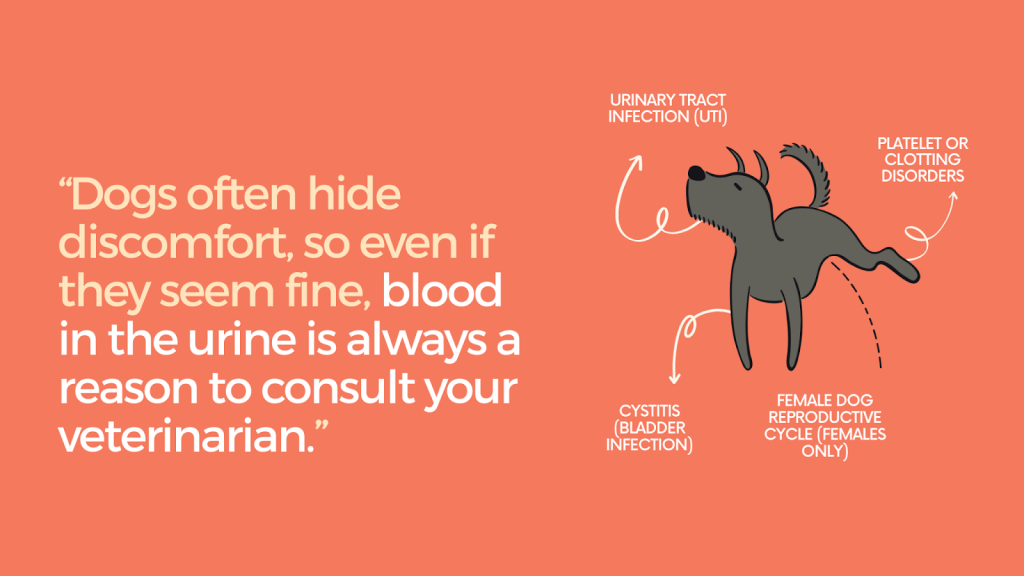
Watch your dog for signs of urinary problems like frequent urination or blood in urine. Early detection helps prevent serious issues.
Regular vet visits keep your dog healthy. Urine infections and kidney problems need quick treatment.
- Check for changes in urination
- Note any discomfort or accidents
- Schedule regular vet exams
- Follow vet advice for treatment
Environmental Adjustments
Make your home easy to clean and safe from urine damage. Use mats or pee pads if needed.
Keep your dog’s area clean and dry. Good hygiene lowers the risk of infections and odors.
- Place washable mats in key spots
- Use pet-friendly cleaning products
- Provide easy outdoor access
- Keep water bowls clean and full
:quality(75))
Credit: manypets.com
Frequently Asked Questions
Can Dog Urine Cause Health Problems In Humans?
Yes, dog urine can carry bacteria and parasites that may cause infections. Direct contact or inhalation of dried urine particles can pose health risks, especially for those with weak immune systems or respiratory issues.
Does Dog Urine Damage Indoor Air Quality?
Dog urine releases ammonia and other compounds that can reduce indoor air quality. Prolonged exposure to these chemicals may irritate the respiratory system and worsen asthma or allergy symptoms.
How Can Dog Urine Affect Skin Health?
Contact with dog urine can cause skin irritation or rashes in sensitive individuals. Prolonged exposure may lead to bacterial infections if the skin is broken or not properly cleaned afterward.
Is Dog Urine Harmful To Pets’ Health?
Yes, dog urine can contain harmful bacteria and toxins that may affect other pets. Frequent exposure or ingestion can lead to urinary tract infections or gastrointestinal problems in pets.
Conclusion
Dog urine can cause some health problems if not cleaned quickly. It can damage floors and create bad smells. Germs in urine might cause mild infections or allergies. Keeping your home clean helps stop these issues. Regular cleaning and good hygiene protect both pets and people.
Watch your dog’s health and clean accidents fast. This keeps your home fresh and safe for everyone. Simple care makes a big difference in preventing problems.

Emily Barker is the founder of ChillDogLife.com, a space dedicated to helping pup parents discover the best dog products, lifestyle tips, and cozy ideas for happier homes.
A lifelong dog lover, Emily combines her passion for pets with a knack for research to share trusted recommendations on everything from toys and furniture to health and everyday care.
Her goal is simple: to make life easier, stylish, and more joyful for dogs and the people who love them.




