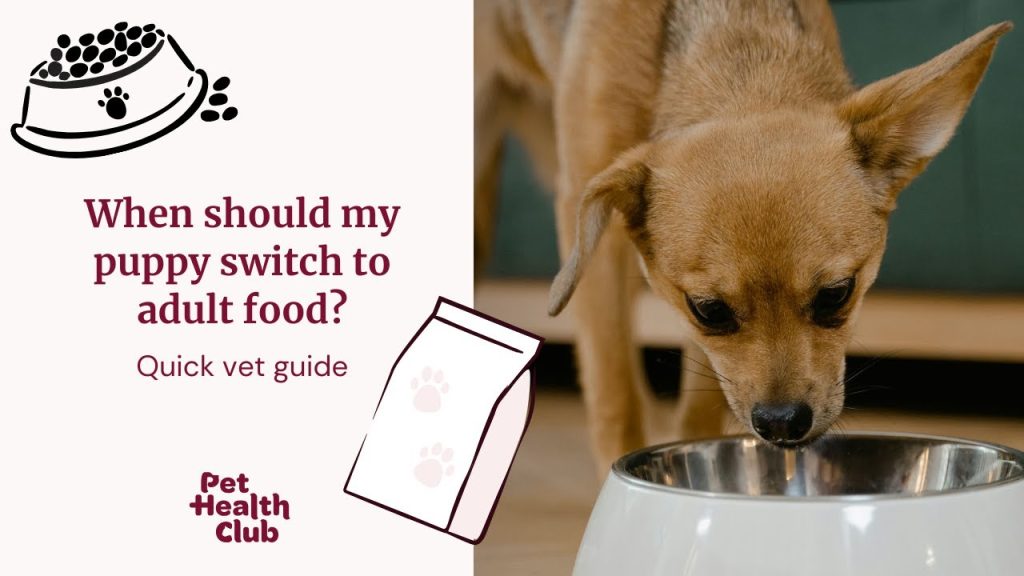
Are you wondering when your puppy is ready to switch from puppy food to adult dog food? Choosing the right time is important for your dog’s health and growth.
Feeding adult food too early or too late can affect their energy, development, and overall well-being. You’ll discover the signs to watch for and expert tips to make this transition smooth and safe. Keep reading to give your furry friend the nutrition they need at every stage of life.
Puppy Growth Stages
Puppies grow fast and need different food at each stage. Feeding the right food helps them stay healthy.
Knowing when to switch to adult food depends on your puppy’s growth. This guide explains key stages.
Newborn To Weaning
Newborn puppies drink their mother’s milk. It gives them all needed nutrients. They cannot eat solid food yet.
Weaning starts around 3 to 4 weeks old. Puppies begin to try soft, wet food. This helps their teeth and digestion develop.
Transition To Solid Food
At about 6 to 8 weeks, puppies eat mostly solid food. They still need food made for puppies. Puppy food has more calories and nutrients.
Switching too early to adult food can cause nutrient gaps. It is best to use puppy food until they grow more.
- Start mixing soft puppy food with water or milk replacer
- Gradually reduce liquids over weeks
- Watch puppy’s reaction and digestion
- Keep feeding puppy food until growth slows
Growth Milestones
Puppies grow fast in the first year. Most reach adult size by 12 months. Medium to large breeds may take longer.
Switch to adult dog food when puppies stop growing quickly. This is usually between 9 and 12 months old. Small breeds may switch sooner.
- Monitor weight and size regularly
- Consult a vet to confirm growth stage
- Switch to adult food slowly over 1-2 weeks
- Keep fresh water available at all times
Signs Your Dog Is Ready
Knowing when your dog can switch to adult food is important for their health. Dogs grow fast, but they show clear signs when ready for new food.
Watch your dog closely. These signs help you decide the right time to change their diet safely.
Teeth Development
Your dog’s teeth tell a lot about their age and growth. Puppies start losing baby teeth around four months old. By six months, most adult teeth should be in place.
- Baby teeth fall out
- Adult teeth grow fully
- Teeth look bigger and stronger
Behavioral Changes
Behavior shifts as your dog grows. They become less dependent and more active. This means they need food that supports higher energy levels.
| Behavior | What It Means |
|---|---|
| Chewing on toys and objects | Teething phase ending |
| Increased play and running | Higher energy needs |
| Less nursing or begging for milk | Ready for solid adult food |
Weight And Size Indicators
Your dog’s weight and size help guide the food switch. Adult food suits dogs near their full size and weight.
- Reach about 75% of expected adult weight
- Look like their adult breed size
- Have steady growth without sudden changes
Choosing The Right Adult Food
Deciding when to switch your dog to adult food is important for their health. Choosing the right adult food helps your dog stay strong and active.
Adult dog food is made to meet the needs of dogs after they stop growing. Let’s look at what to consider when picking adult food.
Nutritional Needs
Adult dogs need balanced nutrition to keep their bodies healthy. Their food should have the right amounts of protein, fat, and vitamins.
Protein helps build muscles. Fat gives energy. Vitamins and minerals support the immune system and bones.
- Protein: Supports muscle maintenance
- Fat: Provides energy
- Fiber: Aids digestion
- Vitamins and minerals: Keep organs healthy
Types Of Adult Dog Food
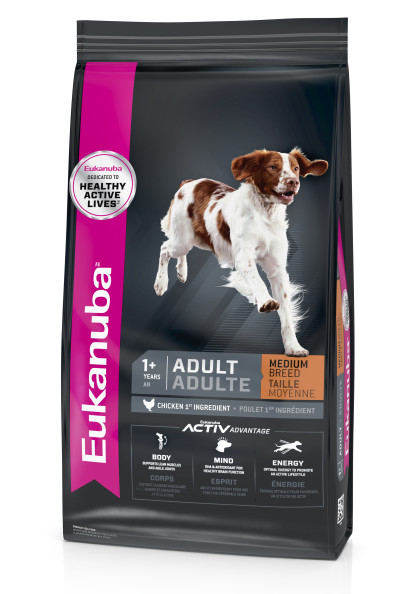
There are dry kibble, wet canned food, and raw or homemade options. Each type has benefits and drawbacks.
Dry food is easy to store and helps clean teeth. Wet food has more moisture and can be tastier. Raw or homemade meals offer natural ingredients but need careful preparation.
- Dry kibble: Convenient and shelf-stable
- Wet canned food: Higher moisture content
- Raw or homemade food: Natural but needs care
Avoiding Common Ingredients
Some ingredients can harm your dog’s health or cause allergies. Avoid foods with artificial colors, flavors, and fillers.
Look out for corn, wheat, soy, and by-products. These can be hard to digest or low in nutrients.
- Artificial colors and flavors
- Fillers like corn, wheat, and soy
- Meat by-products instead of whole meat
- Excess salt and sugar

Credit: petheavenblogs.com
Timing The Switch
Knowing when to switch your dog to adult food is important for their health. Puppies need special nutrients to grow strong. Adult food suits their needs after they finish growing.
The right time to change depends on the breed and size of your dog. Small breeds grow faster, while large breeds take longer.
Gradual Transition Process
Switch your dog’s food slowly to avoid stomach upset. Mix small amounts of adult food with puppy food each day. Increase adult food and reduce puppy food over time.
This helps your dog’s digestive system adjust to the new food. Sudden changes can cause diarrhea or vomiting.
- Start with 25% adult food and 75% puppy food
- After 3 days, switch to 50% adult and 50% puppy food
- Then 75% adult and 25% puppy food
- Finally, 100% adult food
Duration Of Switching Phase
The switch should take about 7 to 10 days. This gives your dog’s body time to adjust. Rushing the change can cause digestive problems.
Watch your dog’s appetite and energy during this time. A slow transition supports good health and comfort.
Monitoring For Digestive Issues
Check your dog for signs of digestive problems. Look for diarrhea, vomiting, or upset stomach. These may mean the transition is too fast or the food does not agree with them.
Contact your vet if symptoms last more than a day. Your vet can suggest the best food and transition plan for your dog.
Special Considerations
Switching a dog to adult food depends on many factors. Age alone does not decide the right time.
Understanding breed, health, and expert advice helps make a safe change.
Breed-specific Timelines
Different dog breeds grow at different rates. Small breeds mature faster than large breeds. Large breeds need puppy food longer for proper bone growth.
- Small breeds: usually switch at 9 to 12 months
- Medium breeds: typically switch at 12 months
- Large breeds: often switch at 12 to 18 months
- Giant breeds: may need puppy food up to 24 months
Health Conditions
Some health issues affect when to change dog food. Dogs with digestive problems may need special diets longer. Dogs with obesity need careful food changes to avoid weight gain.
| Health Condition | Food Consideration |
| Digestive Issues | Extended use of puppy food or special formula |
| Obesity | Low-calorie adult food introduction |
| Allergies | Hypoallergenic or limited ingredient diet |
| Joint Problems | Food with supplements like glucosamine |
Consulting Your Veterinarian
Your veterinarian knows your dog’s needs best. They can suggest the right time to switch foods. They also help spot any health issues early.
Tips to discuss with your vet:
- Growth rate and breed specifics
- Current health status
- Any special dietary needs
- Signs of readiness for adult food
Credit: www.eukanuba.com
Maintaining A Balanced Diet
Dogs need a balanced diet to stay healthy. It’s important to know when they can start eating adult food. This helps keep their nutrition in check.
Transitioning to adult food should be done carefully. This ensures your dog gets the right nutrients. Let’s explore how to manage this change.
Portion Control
Portion control is key for a dog’s health. Too much food can lead to weight gain. Too little might not give enough energy.
Use a measuring cup for precise portions. Adjust the amount as your dog grows and becomes more active.
- Consult with your vet about portion sizes
- Monitor your dog’s weight regularly
- Adjust portions based on activity level
Feeding Frequency
Feeding frequency changes as dogs grow. Puppies eat more often than adults. Adult dogs usually eat twice a day.
Keep a consistent schedule. This helps with digestion and reduces begging between meals.
- Feed puppies three to four times daily
- Switch to twice daily for adult dogs
- Always provide fresh water
Supplementary Foods
Some dogs need supplementary foods. This could be due to health conditions or specific dietary needs. Supplements should be given carefully.
Consult a vet before adding supplements. This ensures they are safe and beneficial for your dog.
- Consider omega-3 for joint health
- Calcium supplements for strong bones
- Probiotics for digestive health

Credit: www.youtube.com
Frequently Asked Questions
When Is The Right Time To Switch To Adult Dog Food?
Most dogs can switch to adult food at 12 months old. Large breeds may need to wait 18-24 months. Consult your vet for the best timing based on your dog’s size and health.
Can Puppies Eat Adult Dog Food Safely?
Puppies should not eat adult food exclusively. Adult food lacks essential nutrients puppies need for growth. Always feed puppy-specific formulas until your vet approves transitioning.
What Are Signs My Dog Is Ready For Adult Food?
Signs include reaching full size and stable weight. Your dog’s energy levels should be steady. Consult your vet for a smooth transition plan.
How To Transition From Puppy To Adult Dog Food?
Gradually mix adult food with puppy food over 7-10 days. Increase adult food while decreasing puppy food. This helps avoid digestive upset and ensures a smooth change.
Conclusion
Transitioning your dog to adult food depends on their age and health. Usually, dogs switch at about one year old. Watch for signs like size and activity level to guide you. Choose food that meets their nutritional needs well. Changing food slowly helps avoid stomach upset.
Always check with your vet if unsure. Healthy eating supports a happy, active dog. Take time to make the right choice for your pet. Your dog will thank you with good health and energy.

Emily Barker is the founder of ChillDogLife.com, a space dedicated to helping pup parents discover the best dog products, lifestyle tips, and cozy ideas for happier homes.
A lifelong dog lover, Emily combines her passion for pets with a knack for research to share trusted recommendations on everything from toys and furniture to health and everyday care.
Her goal is simple: to make life easier, stylish, and more joyful for dogs and the people who love them.




