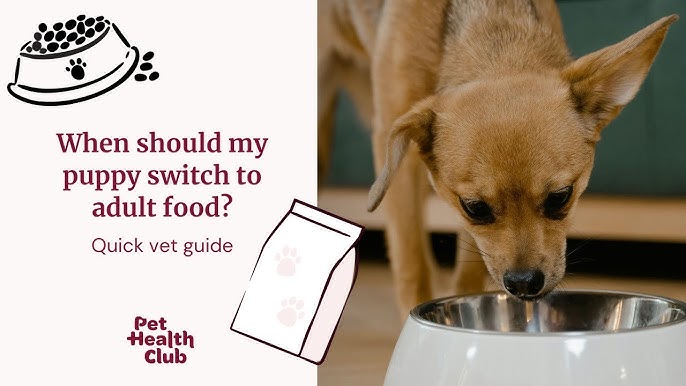
Are you wondering when to switch your furry friend from puppy food to adult dog food? Knowing the right time to make this change is important for your dog’s health and happiness.
Feed them too early or too late, and you might affect their growth, energy, or digestion. You’ll discover clear signs and expert tips to help you decide the perfect age to start feeding your dog adult food. Keep reading to make sure your pet gets the best nutrition exactly when they need it.
Puppy Nutrition Basics
Feeding your puppy the right food is very important. Puppies need special nutrients for healthy growth.
Choosing the right diet helps your puppy build strong bones and good energy for play.
Growth Stages And Diet Needs
Puppies grow quickly in the first year. Their food needs change at each stage.
Young puppies need more protein and calories than adult dogs to support fast growth.
- Neonatal stage: rely on mother’s milk
- Weaning stage: start soft puppy food
- Growth stage: high protein and fat diet
- Adult stage: balanced nutrients for maintenance
Importance Of Puppy Food
Puppy food is made to meet young dogs’ special needs. It has the right vitamins and minerals.
Using adult dog food too early can cause nutrient gaps and slow growth.
- Supports brain and bone development
- Boosts immune system
- Helps build strong muscles
- Provides energy for active puppies
Credit: www.purina.com
Signs Your Dog Is Ready For Adult Food
Knowing when to switch your dog to adult food is important for their health. Dogs grow at different rates, so watch for signs they are ready.
Feeding adult food too early or too late can cause problems. Look for changes in your dog’s body and behavior to decide the right time.
Physical Development Indicators
Your dog’s body changes as it grows. These changes can tell you when to start adult food. Usually, this happens between 9 and 12 months old.
Here are some physical signs that show your dog is ready:
- Full adult teeth have grown in
- Growth in height and weight slows down
- Muscle development looks mature
- Coat looks thicker and shinier
Behavioral Changes
Your dog’s behavior also changes as it matures. These changes can help you know when to switch food types.
Watch for these signs in your dog’s behavior:
- Less hyperactive and calmer energy levels
- Shows more focus and longer attention span
- Begins to lose puppy chewing habits
- Eating habits become more consistent
Age Recommendations By Breed Size
Deciding when to switch your dog from puppy food to adult food is crucial for their overall health and development. Different breeds have varying growth rates, and their nutritional needs change as they mature.
Small Breeds
Small breeds, such as Chihuahuas and Poodles, typically reach adulthood between 9-12 months of age. At this stage, they require a nutrient-rich adult food that supports their small body size.
- Switch to adult food around 9-12 months of age
- Select a food formulated for small breeds
- Consider a food with joint support for small joints
Medium Breeds
Medium breeds, such as Cocker Spaniels and Beagles, usually reach adulthood between 12-18 months of age. As they mature, they require a balanced adult food that meets their energy needs.
- Switch to adult food around 12-18 months of age
- Select a food formulated for medium breeds
- Consider a food with moderate fat content for energy
Large And Giant Breeds
Large and giant breeds, such as Labradors and Great Danes, typically take longer to mature, reaching adulthood between 18-24 months of age. At this stage, they require a nutrient-dense adult food that supports their large body size and joint health.
| Large Breeds (e.g. Labradors, German Shepherds) | Switch to adult food around 18-20 months of age |
| Giant Breeds (e.g. Great Danes, Mastiffs) | Switch to adult food around 20-24 months of age |
Transitioning To Adult Food
Feeding your dog adult food at the right time is important for their health. Changing food too fast can upset their stomach.
Knowing how to switch from puppy food to adult food helps your dog adjust smoothly.
Gradual Switch Process
Start by mixing a small amount of adult food with puppy food. Increase the adult food amount over two weeks.
- Days 1-3: Mix 25% adult food with 75% puppy food.
- Days 4-7: Mix 50% adult food with 50% puppy food.
- Days 8-10: Mix 75% adult food with 25% puppy food.
- Days 11-14: Feed 100% adult food.
Avoiding Digestive Issues
Sudden changes can cause diarrhea or vomiting. Watch your dog’s stool and energy levels during the switch.
| Symptom | What to Do |
|---|---|
| Loose Stool | Reduce adult food amount for a few days |
| Vomiting | Pause transition and consult a vet if needed |
| Lack of Appetite | Try mixing in some wet food or broth |
Choosing The Right Adult Food
Knowing when to switch your dog to adult food is important for their health. Choosing the right food helps your dog stay strong and active.
Adult dog food has different nutrients than puppy food. It meets the needs of a grown dog and supports their lifestyle.
Nutritional Requirements
Adult dogs need balanced nutrients for energy and health. Protein, fat, vitamins, and minerals are key parts of their diet.
Protein helps maintain muscles, while fat gives energy. Vitamins and minerals support bones, skin, and the immune system.
- Protein: supports muscle maintenance
- Fat: provides energy
- Carbohydrates: supply fuel
- Vitamins and minerals: keep body functions strong
- Fiber: aids digestion
Special Dietary Needs
Some dogs have special health needs that affect their diet. Age, size, breed, and health conditions can change food choices.
For example, large dogs need food that supports joint health. Dogs with allergies need limited ingredients to avoid reactions.
- Small breeds may need more calories per pound
- Large breeds benefit from joint support nutrients
- Dogs with allergies may need hypoallergenic food
- Senior dogs often need food with less fat and more fiber
- Active dogs require higher protein and fat
Credit: dogsauce.co
Common Mistakes To Avoid
Feeding your dog adult food at the right time is important for their health. Many dog owners make errors that can affect their pet’s growth and wellbeing.
Knowing when and how to switch to adult food helps your dog get the right nutrients. Avoid these common mistakes to keep your dog healthy and happy.
Switching Too Early Or Late
Changing your dog’s food too soon or too late can cause problems. Puppies need special nutrition to grow strong. Adult food may not meet these needs.
- Switching too early may lead to nutrient deficiencies.
- Switching too late can cause weight gain or digestive issues.
- Follow your vet’s advice on the right age to switch.
- Watch your dog’s size and behavior for signs to change food.
Ignoring Individual Needs
Every dog is different. Age is not the only factor to consider. Breed, size, and health affect when to start adult food.
| Dog Type | Recommended Age to Switch |
| Small Breeds | 9 to 12 months |
| Medium Breeds | 12 months |
| Large Breeds | 12 to 18 months |
| Giant Breeds | 18 to 24 months |
Consulting Your Veterinarian
Knowing when to switch your dog to adult food is important. Your veterinarian can guide you on the right time.
Every dog is different. A vet’s advice helps meet your dog’s health needs during this change.
Personalized Feeding Advice
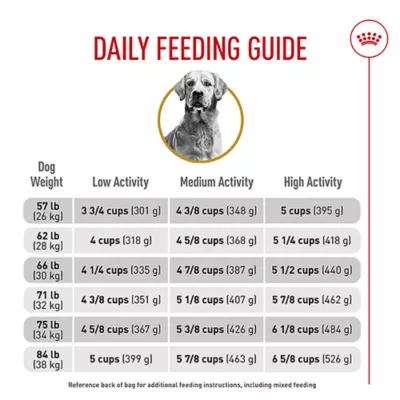
Your vet will look at your dog’s breed, size, and activity. These factors help decide the best food type.
They may suggest specific brands or nutrients. This advice supports your dog’s growth and health.
- Breed-specific nutrition needs
- Weight and body condition
- Activity level and energy needs
- Health issues or allergies
Monitoring Health During Transition
Watch your dog closely as you change food. Your vet can help spot any problems early.
Keep track of eating habits, digestion, and energy. If you see changes, tell your vet right away.
- Check for stomach upset or diarrhea
- Notice changes in appetite or thirst
- Observe energy levels and mood
- Monitor weight and body condition
Credit: www.petsmart.com
Frequently Asked Questions
When Should I Switch My Puppy To Adult Dog Food?
Switch to adult dog food when your dog reaches 12 months old. Large breeds may need a switch at 18-24 months. This timing supports healthy growth and nutrient needs for adult dogs.
Why Is Timing Important For Feeding Adult Dog Food?
Proper timing ensures your dog gets the right nutrients for growth. Feeding adult food too early can cause nutritional gaps. Feeding too late may lead to obesity or digestive issues.
Can I Feed Adult Food To A Small Breed Puppy?
Small breeds usually transition to adult food around 9-12 months. Their growth rate is faster, so early switching is common. Consult your vet for breed-specific advice.
What Are The Risks Of Late Switching To Adult Food?
Delaying the switch can lead to excess calories and weight gain. Puppy food is richer and may cause digestive upset in adult dogs. Timely change helps maintain ideal weight and health.
Conclusion
Feeding your dog adult food at the right time helps keep them healthy. Most dogs switch around one year old, but size matters. Small dogs may change sooner, large dogs later. Watch their growth and energy to guide you. Always choose food made for adult dogs.
This supports their changing needs well. Talk to your vet for advice tailored to your dog. Feeding the right food keeps your pet happy and strong. Timing the switch carefully makes a big difference. Your dog will thank you with good health.

Emily Barker is the founder of ChillDogLife.com, a space dedicated to helping pup parents discover the best dog products, lifestyle tips, and cozy ideas for happier homes.
A lifelong dog lover, Emily combines her passion for pets with a knack for research to share trusted recommendations on everything from toys and furniture to health and everyday care.
Her goal is simple: to make life easier, stylish, and more joyful for dogs and the people who love them.




