
Are you curious about whether puppy food really packs more calories than adult dog food? If you want to give your furry friend the right nutrition at every stage of life, understanding the calorie difference is key.
Choosing the wrong food can affect your dog’s energy, growth, and overall health. Keep reading to discover the surprising facts behind puppy and adult dog food calories—and learn how to make the best choice for your pet’s well-being.
Calorie Differences Between Puppy And Adult Dog Food
Puppies and adult dogs have different calorie needs. Their food reflects these differences. Understanding calorie content helps you feed your dog properly.
This article explains the calorie needs of puppies and adult dogs. It also compares the calorie content of their foods.
Calorie Needs Of Puppies
Puppies grow fast and use a lot of energy. They need more calories per pound than adult dogs. This helps them build strong muscles and bones.
- Puppies need 2 to 3 times more calories than adult dogs.
- Growth and play increase their energy use.
- Small breeds may need more calories per pound than large breeds.
- High calorie food supports their rapid development.
Calorie Needs Of Adult Dogs
Adult dogs need fewer calories than puppies. Their growth slows, and their energy needs drop. Calories depend on size, activity, and health.
- Adult dogs need calories to maintain their weight.
- Active dogs burn more calories than less active ones.
- Overfeeding can cause weight gain and health problems.
- Calorie needs vary by breed and age.
Comparing Calorie Content
| Type of Food | Calories per Cup | Typical Use |
| Puppy Food | 400–500 kcal | Supports growth and energy |
| Adult Dog Food | 300–400 kcal | Maintains weight and health |
Puppy food often has more calories to meet their high energy needs. Adult dog food has fewer calories to prevent weight gain. Feeding the right food helps keep your dog healthy.
Reasons For Higher Calories In Puppy Food
Puppy food usually has more calories than adult dog food. This helps support the puppy’s fast growth and busy lifestyle.
Understanding why puppy food has higher calories helps pet owners choose the right diet for their dogs.
Growth And Development Requirements
Puppies grow quickly and need extra energy to build strong bones and muscles. Their bodies use more calories for growth than adult dogs.
Higher calories in puppy food support this rapid development and help puppies reach healthy sizes.
Energy Levels And Activity
Puppies are very active and use a lot of energy playing and exploring. They burn more calories than adult dogs.
Higher calorie food gives them the fuel they need to stay lively and healthy throughout the day.
Nutrient Density
Puppy food contains more nutrients packed in each bite. This nutrient density means puppies get vitamins and minerals without eating too much food.
Higher calories in puppy food come from fats and proteins that help support their growing bodies and strong immune systems.
Types Of Calories In Dog Food
Calories in dog food come from different nutrients. These nutrients give energy and help dogs grow.
Puppy food usually has more calories than adult dog food. This is because puppies need extra energy to grow strong.
Protein Content
Protein is important for building muscles and tissues. Puppies need more protein than adult dogs for proper growth.
Good puppy food has higher protein levels. This helps support strong bones and healthy skin.
- Protein provides 4 calories per gram
- High protein helps puppies develop muscles
- Adult dog food often has less protein
Fat Content
Fat gives dogs energy and helps absorb vitamins. Puppy food usually contains more fat than adult food.
Fats provide a dense source of calories. This helps puppies get enough energy for play and growth.
- Fat provides 9 calories per gram
- Higher fat in puppy food supports active puppies
- Adult dog food has moderate fat levels
Carbohydrates
Carbohydrates give quick energy to dogs. They are less calorie-dense than fat but still important.
Both puppy and adult dog food have carbs. The amount varies but carbs help keep energy steady.
- Carbohydrates provide 4 calories per gram
- They give energy for daily activities
- Some puppy foods have more carbs for growth needs
Credit: www.purina.com
Feeding Guidelines Based On Calories
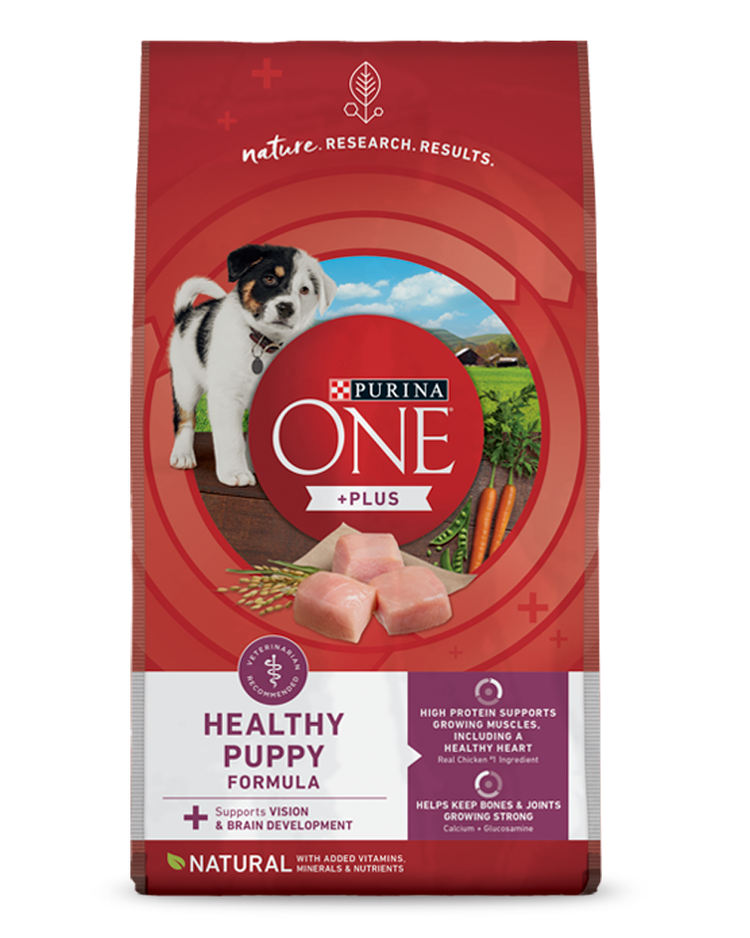
Puppies and adult dogs need different amounts of calories. Their food should match their energy needs. Feeding the right portion helps keep dogs healthy.
Calorie content varies between puppy food and adult dog food. Puppies often need more calories per pound because they grow fast. Adults need calories to maintain weight.
Portion Sizes For Puppies
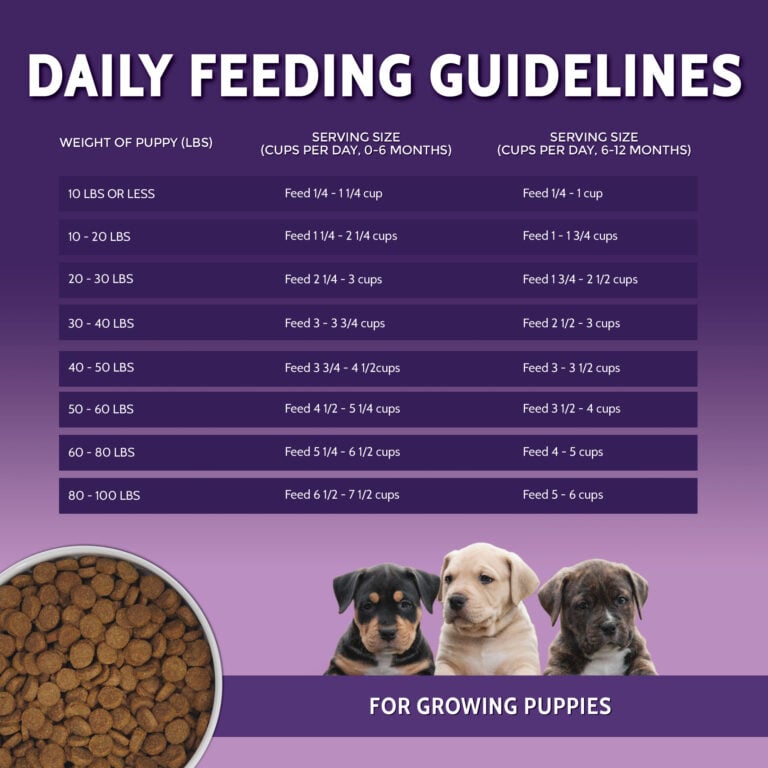
Puppies require more calories per pound than adult dogs. Their portions depend on age, weight, and growth rate. Feeding too much or too little can cause problems.
- Feed smaller meals more often during the day
- Use feeding charts on puppy food packaging
- Adjust portions as puppies grow and gain weight
- Consult your vet for personalized advice
Portion Sizes For Adults
Adult dogs need fewer calories per pound than puppies. Portion size depends on their weight, age, and metabolism. Overfeeding can lead to obesity.
| Dog Weight | Daily Calories Needed | Approximate Cup Amount |
|---|---|---|
| 10 lbs | 300 kcal | ½ cup |
| 25 lbs | 700 kcal | 1 ¼ cups |
| 50 lbs | 1,200 kcal | 2 cups |
| 75 lbs | 1,600 kcal | 2 ½ cups |
Adjusting For Activity And Breed
Energy needs change with activity level and breed size. Active dogs burn more calories. Large breeds may need different feeding than small breeds.
- Increase calories for very active or working dogs
- Reduce calories for less active or older dogs
- Feed smaller, frequent meals for small breeds
- Follow vet advice for breed-specific needs
Potential Risks Of Overfeeding Calories
Puppies need more calories than adult dogs for growth. But giving too many calories can cause problems.
Overfeeding calories may lead to health issues that affect your dog’s quality of life.
Obesity Concerns
Too many calories can make a dog gain weight fast. Obesity increases the risk of joint pain and heart problems.
- Increased strain on bones and joints
- Higher chance of diabetes
- Shorter lifespan
- Reduced energy and mobility
Digestive Issues
Overfeeding can upset a dog’s stomach. Digestive problems include diarrhea, vomiting, and gas.
- Bloating after meals
- Loose stools or diarrhea
- Frequent vomiting
- Loss of appetite
Long-term Health Effects
Eating too many calories over time harms your dog’s organs. The liver and kidneys may work harder to process excess food.
| Health Problem | Effect of Overfeeding |
| Heart Disease | Extra weight strains the heart |
| Joint Damage | Increased pressure causes arthritis |
| Diabetes | High calorie intake affects insulin |
| Shortened Lifespan | Chronic health issues reduce years |
Credit: blepworld.com
Choosing The Right Food For Your Dog
Puppies and adult dogs need different nutrition. Puppy food often has more calories and nutrients. This helps them grow strong and healthy.
Choosing the right food is important for your dog’s health. It’s crucial to understand what your pet needs at different life stages.
Reading Nutrition Labels
Nutrition labels help you know what is in your dog’s food. Look for protein, fat, and calorie content. Puppy food usually has higher values.
Check for essential vitamins and minerals. Puppies need more calcium and phosphorus for bone development.
- Protein: Important for muscle growth
- Fat: Provides energy and helps absorb vitamins
- Calories: Puppies need more for growth
Consulting Your Veterinarian
A veterinarian can guide you in choosing the right food. They understand your dog’s specific needs and health conditions.
Vet advice helps you decide when to switch from puppy to adult food. They can recommend brands that suit your dog’s lifestyle.
Transitioning Between Puppy And Adult Food
Switching foods should be done gradually. Start mixing adult food with puppy food over a week.
Watch for any signs of digestive upset. If your dog seems unwell, slow down the transition process.
- Day 1-2: 75% puppy food, 25% adult food
- Day 3-4: 50% puppy food, 50% adult food
- Day 5-6: 25% puppy food, 75% adult food
- Day 7: 100% adult food
Credit: zignature.com
Frequently Asked Questions
Does Puppy Food Contain More Calories Than Adult Dog Food?
Yes, puppy food generally has more calories than adult dog food. Puppies need extra energy for growth and development. The higher calorie content supports their active metabolism and helps build strong muscles and bones.
Why Do Puppies Require Higher Calorie Intake?
Puppies grow rapidly and burn more energy than adult dogs. They need extra calories to support healthy development, immune function, and daily activity levels. Higher calorie food ensures they get sufficient nutrients for strong growth.
Can Adult Dogs Eat Puppy Food Without Issues?
Adult dogs can eat puppy food, but it’s not ideal long-term. The higher calories may cause weight gain. Adult dogs need balanced nutrition tailored for maintenance, not growth.
How To Choose The Right Food For My Puppy?
Select puppy food formulated for your puppy’s breed size and age. Look for higher calories, protein, and essential nutrients. Consult your vet for personalized recommendations.
Conclusion
Puppy food usually has more calories than adult dog food. Puppies need extra energy to grow strong and healthy. Adult dogs require fewer calories to maintain their weight. Feeding the right food helps keep dogs active and well-nourished. Always check the label to know the calorie content.
Choose food based on your dog’s age and activity level. Proper feeding supports your dog’s overall health and happiness. Keep your furry friend healthy with the right nutrition every day.

Emily Barker is the founder of ChillDogLife.com, a space dedicated to helping pup parents discover the best dog products, lifestyle tips, and cozy ideas for happier homes.
A lifelong dog lover, Emily combines her passion for pets with a knack for research to share trusted recommendations on everything from toys and furniture to health and everyday care.
Her goal is simple: to make life easier, stylish, and more joyful for dogs and the people who love them.




