
Are you wondering if it’s okay to feed your puppy adult dog food? You’re not alone.
Many pet owners ask this question because they want the best for their furry friend but aren’t sure what’s safe. What you feed your puppy now can shape their health and growth for years to come. Keep reading to discover why choosing the right food matters and what could happen if you don’t.
Your puppy’s future depends on the choices you make today.
Differences Between Puppy And Adult Dog Food
Puppies and adult dogs have different needs. Their food should match these needs.
Puppy food supports growth. Adult dog food keeps dogs healthy after growth.
Nutritional Needs Of Puppies
Puppies need more nutrients than adult dogs. They require higher vitamins and minerals.
- More calcium for strong bones
- Extra DHA for brain development
- Higher fat for energy
- More protein to build muscles
Ingredients In Adult Dog Food
Adult dog food has ingredients for maintenance. It focuses on balanced nutrition and health.
Ingredients often include:
- Protein sources like chicken or beef
- Grains or vegetables for fiber
- Added vitamins and minerals
- Lower fat than puppy food
Calorie And Protein Levels
Puppies need more calories and protein than adult dogs. Their food reflects this need.
| Type of Food | Calories per Cup | Protein % |
| Puppy Food | 400-500 | 22-32% |
| Adult Dog Food | 300-400 | 18-25% |
Risks Of Feeding Adult Food To Puppies
Puppies need special nutrition to grow strong and healthy. Adult dog food may lack important nutrients for puppies.
Feeding adult food to puppies can cause health problems. It is important to understand these risks.
Potential Nutritional Deficiencies
Adult dog food has different nutrient levels than puppy food. Puppies need more protein, fat, and vitamins.
- Lower protein can slow muscle growth
- Less fat reduces energy for active puppies
- Missing vitamins can hurt bone and brain development
- Adult food may lack DHA, important for vision and brain
Growth And Development Concerns
Puppies grow quickly and need balanced food. Adult food may not support their rapid growth.
| Growth Area | Needs in Puppy Food | Risk with Adult Food |
| Muscle | High protein | Weak muscles |
| Bone | Calcium and phosphorus | Poor bone strength |
| Brain | DHA and vitamins | Slow brain development |
| Energy | Higher calories | Low energy levels |
Digestive Issues
Puppies have sensitive stomachs. Adult food can cause stomach upset and diarrhea.
Common digestive problems from adult food include:
- Loose stools or diarrhea
- Gas and bloating
- Vomiting
- Difficulty absorbing nutrients
When Adult Dog Food Might Be Acceptable
Feeding adult dog food to a puppy is usually not recommended. Puppies need special nutrients to grow strong and healthy. But there are some cases when adult dog food might be okay for a short time.
This guide explains when giving adult dog food to a puppy can be acceptable. It covers short-term feeding, advice from vets, and special food types.
Short-term Feeding Scenarios
You might need to feed adult dog food to a puppy if puppy food is not available. This should only be for a short time to avoid nutrition problems.
- During travel or emergencies when puppy food is missing
- If puppy food runs out before the next store visit
- When introducing new foods and slowly switching diets
- If a puppy has a minor health issue and needs a bland diet
Consulting Your Veterinarian
Your vet is the best source of advice about puppy diets. They can tell you if adult dog food is safe for your puppy’s health.
- Check if your puppy has special dietary needs
- Get recommendations for safe food swaps
- Learn how to transition from adult to puppy food
- Prevent nutritional deficiencies or health risks
Special Formulations
Some adult dog foods have special formulas that may suit puppies. These foods have added nutrients for growing dogs but are not a full substitute for puppy food.
| Type of Food | Key Features | When to Use |
| Adult Food for All Life Stages | Balanced nutrients for puppies and adults | Short-term feeding or vet recommended |
| Senior Dog Food | Lower calories and fat | Not suitable for puppies |
| High-Protein Adult Food | Extra protein but less calcium | Use only if vet approves |
Credit: www.petsmart.com
Choosing The Right Puppy Food
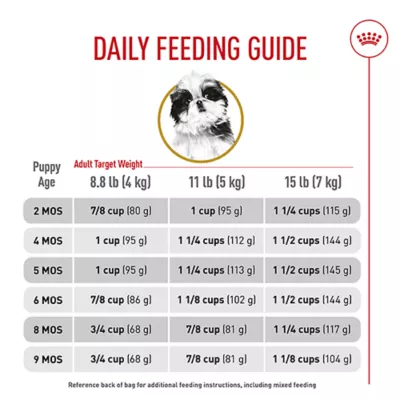
Feeding a puppy the correct food is important for growth. Puppies have special dietary needs different from adult dogs.
Choosing the right puppy food ensures they get all the nutrients needed for healthy development.
Key Nutrients To Look For
Puppies need specific nutrients for their growth. Protein is essential for building muscles and tissues.
Calcium and phosphorus are important for strong bones and teeth. DHA supports brain development.
- Protein for muscle growth
- Calcium for strong bones
- DHA for brain development
Types Of Puppy Food
Puppy food comes in different types. Dry kibble is convenient and helps clean teeth. Wet food is more appealing to picky eaters.
Some puppies may benefit from a mix of both dry and wet food. This provides variety in texture and taste.
- Dry kibble for dental health
- Wet food for picky eaters
- Mixed food for variety
Reading Food Labels
Food labels provide important information. Look for labels that say “complete and balanced” for puppies.
Check the ingredient list for quality sources of protein. Avoid foods with too many fillers like corn.
- “Complete and balanced” label
- Quality protein sources
- Avoid excess fillers
Transitioning From Puppy To Adult Food
Feeding your puppy the right food helps them grow strong. Changing from puppy to adult dog food is important.
This change should happen carefully to keep your dog healthy and happy.
Timing The Switch
Most dogs switch to adult food between 9 and 12 months old. Large breeds may switch later, around 12 to 18 months.
Ask your vet about the best time for your dog’s breed and size.
Gradual Transition Tips
Switch your dog’s food slowly over 7 to 10 days. This helps avoid stomach upset.
- Start with 25% adult food mixed with 75% puppy food
- Gradually change the ratio every few days
- By day 10, feed only adult dog food
- Watch for any signs of digestive trouble
Monitoring Your Dog’s Health
| Health Factor | What to Watch | Action Needed |
|---|---|---|
| Appetite | Eating less or refusing food | Consult your vet |
| Stool | Loose stools or constipation | Adjust food or slow transition |
| Energy Levels | Low energy or lethargy | Check diet and vet advice |
| Weight | Sudden gain or loss | Monitor and consult vet |

Credit: www.youtube.com
Common Myths About Dog Food
Many dog owners wonder if they can feed adult dog food to puppies. There are many myths about dog food that can confuse pet owners. It is important to understand the facts to keep your puppy healthy.
This article will clear up some common myths about dog food for puppies. Knowing the truth helps you make better choices for your pet’s diet.
Adult Food Is Just Fine For Puppies
Some people think adult dog food works well for puppies. Adult food has fewer calories and different nutrients. Puppies need more energy and nutrients to grow strong. Feeding only adult food can lead to poor growth and health problems.
Adult dog food lacks enough calcium, protein, and fat that puppies need. Puppies require special food designed for their growth stage.
Puppy Food Is Too Rich
Some believe puppy food is too rich and may upset a puppy’s stomach. Puppy food is made with higher calories and nutrients to support growth. It is balanced and safe for puppies when fed as recommended.
- Puppy food contains more protein than adult food
- It has essential vitamins and minerals for development
- It supports healthy bones and strong muscles
- Overfeeding any dog food may cause stomach upset
Feeding the right amount of puppy food avoids issues with digestion.
Homemade Diets Vs. Commercial Food
Many owners think homemade diets are better than commercial dog food. Homemade meals can be fresh but may miss important nutrients. Commercial dog food is made to meet all nutritional needs.
| Type of Food | Pros | Cons |
| Homemade Diet | Fresh ingredients, no preservatives | May lack key nutrients, time-consuming |
| Commercial Food | Balanced nutrition, convenient | Some brands have fillers or additives |
It is best to consult a vet before switching to homemade diets. A vet can help ensure your puppy gets all needed nutrients.

Credit: us.eukanuba.com
Frequently Asked Questions
Can Puppies Eat Adult Dog Food Safely?
Puppies can eat adult dog food briefly but it lacks essential nutrients. Puppy food supports growth with higher protein and calories. For healthy development, use food specially formulated for puppies.
What Happens If A Puppy Eats Adult Dog Food?
If puppies eat adult dog food regularly, they may miss vital nutrients. This can affect growth, energy, and immune health. Short-term feeding usually causes no harm, but long-term use is not recommended.
When Should I Switch My Puppy To Adult Dog Food?
Switch your puppy to adult dog food around 12 months old. Large breeds may need more time, about 18-24 months. Transition gradually to avoid digestive upset and ensure balanced nutrition.
Is Adult Dog Food Nutritionally Different From Puppy Food?
Yes, adult dog food has lower protein, fat, and calories than puppy food. Puppy food contains added vitamins and minerals to support rapid growth and brain development. Feeding the right type ensures optimal health.
Conclusion
Feeding puppies the right food supports their growth and health. Adult dog food lacks important nutrients puppies need. Puppies require special diets for strong bones and energy. Giving adult food might slow their development or cause issues. Always choose food made for puppies during early months.
Consult your vet to find the best diet for your pup. Healthy eating helps puppies grow into strong adult dogs. Careful feeding today leads to a happy, healthy dog tomorrow.

Emily Barker is the founder of ChillDogLife.com, a space dedicated to helping pup parents discover the best dog products, lifestyle tips, and cozy ideas for happier homes.
A lifelong dog lover, Emily combines her passion for pets with a knack for research to share trusted recommendations on everything from toys and furniture to health and everyday care.
Her goal is simple: to make life easier, stylish, and more joyful for dogs and the people who love them.




