
Are you wondering if it’s okay to feed your adult dog puppy food? It’s a question many dog owners ask, especially when they want the best for their furry friend.
You might think puppy food is packed with extra nutrients, but is it really the right choice for your adult dog’s health? Understanding the differences between puppy and adult dog food can help you make the best decision. Keep reading to find out what happens when an adult dog eats puppy food and whether it’s safe for your loyal companion.
Differences Between Puppy And Adult Dog Food
Puppy food and adult dog food are made for different life stages. Each type supports unique needs.
Understanding these differences helps you choose the right food for your dog’s health.
Nutritional Needs Of Puppies
Puppies grow fast and need more energy than adult dogs. Their food has higher calories to support growth.
They also require more protein, fat, and certain vitamins to build strong bones and muscles.
- More calories for growth
- Higher protein for muscle development
- Extra fat for energy
- Important vitamins like calcium and DHA
Nutritional Needs Of Adult Dogs
Adult dogs need fewer calories than puppies. Their food focuses on maintaining weight and health.
Protein levels are balanced to keep muscles but not cause weight gain. Fat content is lower too.
- Moderate calories to prevent obesity
- Balanced protein for muscle maintenance
- Lower fat for healthy weight
- Vitamins for overall wellness
Key Ingredient Variations
Puppy food uses ingredients that help growth and brain development. Ingredients are rich in DHA and calcium.
Adult dog food focuses on ingredients that support digestion and joint health. It may include fiber and glucosamine.
| Ingredient | Puppy Food | Adult Dog Food |
|---|---|---|
| Protein | High for growth | Moderate for maintenance |
| Fat | Higher for energy | Lower for weight control |
| Calcium & DHA | Added for bones and brain | Normal levels |
| Fiber | Lower | Higher for digestion |
| Glucosamine | Usually low or none | Added for joint support |
Potential Benefits Of Feeding Puppy Food To Adult Dogs
Some adult dogs might benefit from eating puppy food. This food is rich in nutrients and calories. It can support dogs with special needs or higher activity levels.
Feeding puppy food to an adult dog should be done carefully. It is good to know the potential benefits before making changes to their diet.
Higher Caloric Content For Active Dogs
Puppy food contains more calories than adult dog food. This helps active adult dogs keep their energy up. Dogs that run, play, or work a lot can gain from the extra calories.
The higher calories help maintain a healthy weight. It also helps prevent tiredness in busy dogs.
Improved Coat And Skin Health
Puppy food has nutrients that support skin and coat health. These include fats, vitamins, and minerals. Feeding puppy food can make an adult dog’s coat shinier and healthier.
- Omega-3 and Omega-6 fatty acids improve coat shine.
- Vitamin E supports skin health.
- Zinc helps reduce skin irritation.
- Protein aids in fur growth and repair.
Support For Dogs With Higher Energy Demands
| Energy Needs | Benefits of Puppy Food |
|---|---|
| Working Dogs | Extra energy and nutrients for long work hours |
| Pregnant or Nursing Dogs | Supports growth and milk production |
| Recovering Dogs | Helps regain strength and weight quickly |
Risks Of Feeding Puppy Food To Adult Dogs
Puppy food has different nutrients than adult dog food. Feeding it to adult dogs can cause health problems. Understanding these risks helps keep your dog healthy.
Adult dogs have different energy and nutrient needs than puppies. Puppy food is made to support growth, not maintenance.
Weight Gain And Obesity
Puppy food is higher in calories to help puppies grow fast. Adult dogs do not need so many calories. Feeding puppy food can lead to extra weight.
- Excess calories cause fat buildup
- Obesity increases risk of diabetes and joint pain
- Overweight dogs may have shorter lifespans
Nutrient Imbalance Concerns
Puppy food has different amounts of protein, fat, and vitamins. Adult dogs need balanced nutrients for energy and health.
| Nutrient | Puppy Food | Adult Dog Food |
| Protein | Higher | Moderate |
| Fat | Higher | Lower |
| Calcium | Higher | Balanced |
| Calories | More | Less |
Too much protein or calcium can strain organs. Nutrient imbalance may cause long-term health issues.
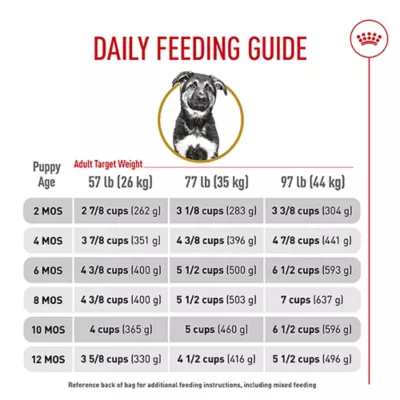
Digestive Issues And Sensitivities
Adult dogs can have trouble digesting puppy food. The higher fat and calorie content may cause stomach upset.
- Diarrhea or loose stools
- Vomiting or nausea
- Gas and bloating
- Food sensitivities may worsen
Credit: www.petsmart.ca
When Puppy Food Might Be Suitable For Adult Dogs
Puppy food has more calories and nutrients than adult dog food. It supports growth and development in young dogs.
Sometimes adult dogs need extra nutrition. In these cases, puppy food can be a good option.
Pregnant Or Nursing Dogs
Pregnant or nursing dogs need extra nutrients. Puppy food helps meet their increased energy needs.
This food supports the mother and her puppies. It provides more protein, fat, and vitamins.
Underweight Or Malnourished Adults
Adult dogs that are underweight or malnourished need more calories. Puppy food can help them gain weight.
The extra nutrients in puppy food can improve their health faster. Make sure to check with a vet.
Highly Active Or Working Dogs
Active or working adult dogs burn many calories. Puppy food gives them the energy they need.
This food supports muscle strength and stamina. It helps dogs keep up with their daily tasks.
Alternatives To Puppy Food For Adult Dogs
Feeding an adult dog puppy food is not always ideal. Adult dogs need different nutrients for their size and age.
There are good alternatives to puppy food that suit adult dogs well. These options help keep dogs healthy and active.
Senior And Special Diet Formulas
Senior dogs or those with health issues need special diets. These formulas have nutrients for joint health and digestion.
Special diet foods support weight control and manage conditions like allergies or kidney problems.
- Senior dog food supports aging joints and brain health
- Hypoallergenic food helps dogs with food allergies
- Kidney support formulas protect organ health
- Weight management food prevents obesity
Customized Feeding Plans
Customized feeding plans fit your dog’s unique needs. You can adjust food types and amounts for best results.
These plans consider your dog’s age, activity level, and health to keep them healthy and happy.
- Adjust meal sizes based on activity
- Include treats that meet dietary needs
- Mix wet and dry food for variety
- Monitor weight and adjust food accordingly
Consulting A Veterinarian
Your vet can help choose the best food for your adult dog. They understand your dog’s health history and needs.
A vet can recommend specific diets, supplements, or feeding schedules to improve your dog’s health.

Credit: www.youtube.com
Tips For Transitioning Between Dog Foods
Switching your dog’s food can be tricky. It’s important to make the change slowly and carefully. This helps avoid upsetting your dog’s stomach.
Here are some tips to help your dog transition from puppy food to adult dog food smoothly. Follow these steps to ensure your dog stays healthy and happy during the change.
Gradual Food Changes
Change your dog’s food over a week. Start by mixing a small amount of adult food with the puppy food. Gradually increase the adult food while decreasing the puppy food each day.
- Day 1-2: 75% puppy food, 25% adult food
- Day 3-4: 50% puppy food, 50% adult food
- Day 5-6: 25% puppy food, 75% adult food
- Day 7: 100% adult food
Monitoring Health And Behavior
Watch your dog closely during the transition. Look for signs of discomfort, like vomiting or diarrhea. Monitor their behavior and energy levels as well.
If you notice any issues, slow down the transition. This gives your dog more time to adjust to the new food.
Adjusting Portion Sizes
Adult dogs usually need less food than puppies. Check the food package for portion recommendations. Adjust the amount you feed based on your dog’s size and activity level.
- Smaller dogs need less food
- Active dogs may need more calories
- Overweight dogs should have reduced portions
Credit: www.thinkjinx.com
Frequently Asked Questions
Can Adult Dogs Eat Puppy Food Safely?
Adult dogs can eat puppy food occasionally but not long-term. Puppy food has more calories and nutrients, which may cause weight gain in adults. It’s best to feed age-appropriate food to meet specific dietary needs and maintain healthy weight.
What Happens If An Adult Dog Eats Puppy Food?
If an adult dog eats puppy food regularly, it may gain excess weight. The higher fat and protein content can lead to digestive upset or nutrient imbalance. For optimal health, switch to adult dog food designed for their life stage.
Can Puppy Food Cause Health Issues In Adult Dogs?
Yes, feeding puppy food to adult dogs long-term can cause obesity and digestive problems. The extra calories and nutrients may overwhelm their metabolism. Always consult your vet to choose the right food for your dog’s age and health.
How To Transition Adult Dogs From Puppy To Adult Food?
Gradually mix adult dog food into puppy food over 7-10 days. This helps prevent stomach upset and allows your dog to adjust to new nutrients. Monitor their weight and energy levels during the transition for best results.
Conclusion
Adult dogs need food made just for them to stay healthy. Puppy food has more calories and nutrients than adult dogs need. Giving puppy food to adult dogs may cause weight gain or stomach problems. Always choose dog food that fits your dog’s age and health needs.
Talk to your vet before changing your dog’s diet. Proper food helps your dog live a happy, active life. Keep your dog’s meals balanced and suitable for their age. That is the best way to care for your furry friend.

Emily Barker is the founder of ChillDogLife.com, a space dedicated to helping pup parents discover the best dog products, lifestyle tips, and cozy ideas for happier homes.
A lifelong dog lover, Emily combines her passion for pets with a knack for research to share trusted recommendations on everything from toys and furniture to health and everyday care.
Her goal is simple: to make life easier, stylish, and more joyful for dogs and the people who love them.




