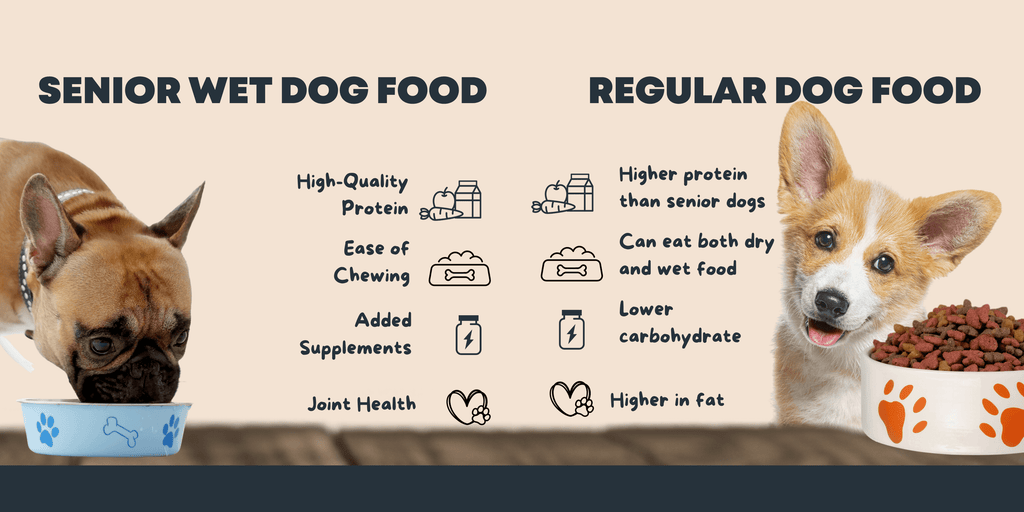
Are you wondering if your adult dog can eat senior dog food? It’s a common question that many pet owners face.
Choosing the right food for your furry friend is important for their health and happiness. You want to make sure you’re giving your dog the best nutrition without causing any problems. Keep reading to find out what happens when adult dogs eat senior food, and whether it’s the right choice for your pet.
This guide will help you make smart decisions for your dog’s diet.
Differences Between Adult And Senior Dog Food
Adult dogs and senior dogs have different health needs. Their food should match these changes. Choosing the right food helps keep dogs healthy at every stage.
Senior dog food is made to support aging bodies. It often has special ingredients and adjusted nutrients. This helps older dogs stay active and feel good.
Nutritional Needs At Different Life Stages
Adult dogs need balanced nutrition for energy and growth. Senior dogs need nutrients that protect joints and support organ health. Their metabolism slows down, so their food changes.
- Adult dogs need protein for muscle maintenance.
- Senior dogs need less fat to avoid weight gain.
- Senior food often has more fiber to aid digestion.
- Vitamins and minerals adjust to support aging organs.
Common Ingredients In Senior Dog Food
Senior dog food usually has special ingredients. These help with joint health, digestion, and immune support. Some ingredients are added for easier chewing and better taste.
| Ingredient | Purpose |
| Glucosamine | Supports joints and cartilage |
| Omega-3 Fatty Acids | Reduces inflammation and supports brain |
| Fiber | Improves digestion |
| Antioxidants | Boosts immune system |
| Soft Kibble | Easier to chew for older dogs |
Calorie And Protein Variations
Adult dogs often need more calories for energy. Senior dogs need fewer calories but still need good protein. Protein helps keep muscles strong as dogs age.
- Adult dog food has higher calorie content.
- Senior dog food reduces calories to prevent weight gain.
- Protein in senior food is high quality but may be less in amount.
- Fat content is lower in senior food to match slower metabolism.
Credit: www.purina.com
Potential Benefits Of Senior Food For Adult Dogs
Senior dog food is made to support older dogs’ health needs. Some adult dogs may also gain benefits from this type of food.
This article explains how senior food can help with joints, digestion, and weight control in adult dogs.
Joint And Bone Support
Senior dog food often contains ingredients that help keep joints and bones strong. These include glucosamine and chondroitin. They may reduce stiffness and improve mobility.
These foods also tend to have balanced calcium and phosphorus for bone health. Adult dogs with joint issues might find relief with these nutrients.
Digestive Health Improvements
Senior formulas usually include fiber that aids digestion. This helps dogs absorb nutrients better and avoid stomach problems.
- Prebiotics support good gut bacteria
- High fiber content helps regular bowel movements
- Gentle ingredients reduce digestive upset
Weight Management Factors
Weight control is important for both senior and adult dogs. Senior food often has fewer calories and more protein to help maintain muscle.
| Feature | Benefit |
| Lower Calories | Prevents weight gain |
| Higher Protein | Supports muscle mass |
| Balanced Fat | Provides energy without excess weight |
Possible Risks Of Feeding Senior Food To Adult Dogs
Feeding senior dog food to adult dogs may cause some health issues. Senior food is made for older dogs with different needs. Adult dogs might not get the right balance from this food.
It is important to understand the risks before changing your dog’s diet. Some problems come from nutrient imbalances, fiber content, and energy levels.
Nutrient Imbalances
Senior dog food often has lower protein and fat levels. Adult dogs may need more protein to stay strong and active. Too little of these nutrients can cause muscle loss and weak immunity.
Some vitamins and minerals may also differ. Feeding senior food might lead to shortages or excesses that affect your dog’s health.
Excessive Fiber Concerns
Senior dog food usually contains more fiber to help digestion. Too much fiber for adult dogs can cause stomach upset and diarrhea. It may also reduce nutrient absorption.
- Gas and bloating
- Loose stools or diarrhea
- Reduced appetite
- Lower nutrient absorption
Impact On Energy Levels
Senior food tends to have fewer calories than adult dog food. Adult dogs need more energy for play and exercise. Feeding low-calorie food can make them tired and less active.
| Food Type | Typical Calories per Cup |
| Adult Dog Food | 350-400 |
| Senior Dog Food | 250-300 |
Credit: www.businessinsider.com
When Adult Dogs Might Need Senior Food
Adult dogs usually eat adult dog food to stay healthy. But some dogs may need senior food before they are actually old.
Senior food has different nutrients that help with special health needs and aging concerns.
Health Conditions Requiring Special Diets
Some health problems make senior food a better choice for adult dogs. These conditions include joint pain, kidney issues, and weight management.
- Arthritis or joint problems
- Kidney or liver disease
- Obesity or weight gain
- Digestive troubles
- Dental issues
Veterinary Recommendations
Veterinarians guide pet owners on when to switch to senior food. They check the dog’s health, activity level, and age.
| Factor | When Senior Food Is Suggested |
| Age | Usually 7 years or older |
| Health Issues | Signs of arthritis, kidney problems, or weight gain |
| Activity Level | Less active or more tired than usual |
| Weight | Difficulty maintaining healthy weight |
Gradual Transition Tips
Switching to senior food should be slow to avoid stomach upset. Mix old and new food over several days.
- Start with 25% senior food and 75% adult food.
- Increase senior food to 50% after three days.
- After three more days, use 75% senior food.
- By day ten, feed 100% senior food.
Choosing The Right Food For Your Adult Dog
Feeding your adult dog the right food is important for their health. Different dogs have different needs.
Senior dog food is made for older dogs. But can adult dogs eat it? Let’s explore how to choose the best food.
Reading Dog Food Labels
Dog food labels tell you what is inside the food. Look for key ingredients and nutrients that match your dog’s needs.
Check for protein, fat, and fiber amounts. Senior dog food may have less fat and calories for slower dogs.
- Look for named meat sources like chicken or beef
- Check protein and fat percentages for energy needs
- Find added vitamins and minerals for joint health
- Avoid foods with too many fillers or artificial ingredients
Consulting A Veterinarian
Your vet knows your dog’s health history. Ask them if senior food fits your adult dog’s diet.
They can suggest special diets if your dog has health issues or is overweight. This helps keep your dog healthy.
- Discuss your dog’s age, weight, and activity level
- Ask about any medical conditions
- Get advice on the best food type and brand
- Schedule regular check-ups to track health changes
Monitoring Your Dog’s Response
After changing food, watch how your dog reacts. Look for changes in energy, weight, and digestion.
If your dog shows signs of discomfort or loses appetite, switch back or try a different food. Your dog’s health is key.
- Check stool quality and frequency
- Note any skin or coat changes
- Observe energy and activity levels
- Monitor weight regularly
Credit: wefeedraw.com
Frequently Asked Questions
Can Adult Dogs Safely Eat Senior Dog Food?
Adult dogs can eat senior dog food occasionally, but it’s not ideal long-term. Senior formulas have fewer calories and different nutrients, tailored for older dogs’ slower metabolism. Feeding adult dogs senior food regularly may lead to nutritional imbalances or weight gain.
What Are The Risks Of Feeding Senior Food To Adults?
Feeding senior dog food to adult dogs can cause weight gain and nutrient deficiencies. Senior foods often contain less protein and fat, which adult dogs need for energy and muscle maintenance. This mismatch may affect their overall health and activity levels.
When Should Dogs Switch To Senior Dog Food?
Dogs should switch to senior food around 7 to 8 years old or when vet recommends. Senior formulas support aging joints, digestion, and energy needs. Transitioning too early or without need can disrupt adult dogs’ nutrition balance.
Can Senior Dog Food Meet Adult Dogs’ Energy Needs?
Senior dog food usually has fewer calories and fat, which may not meet adult dogs’ energy needs. Active adult dogs require higher nutrient density to maintain vitality. Feeding senior food might leave them lethargic or undernourished over time.
Conclusion
Adult dogs can eat senior food, but it may not suit their needs. Senior dog food has fewer calories and extra nutrients for older pets. Adult dogs need more energy and different vitamins. Feeding them senior food regularly might cause weight gain or nutrient gaps.
Always check your dog’s health and talk to a vet before changing food. Choose the right diet for your dog’s age and activity level. Healthy eating supports your dog’s growth and happiness every day. Keep your dog’s needs in mind to make the best food choice.

Emily Barker is the founder of ChillDogLife.com, a space dedicated to helping pup parents discover the best dog products, lifestyle tips, and cozy ideas for happier homes.
A lifelong dog lover, Emily combines her passion for pets with a knack for research to share trusted recommendations on everything from toys and furniture to health and everyday care.
Her goal is simple: to make life easier, stylish, and more joyful for dogs and the people who love them.




