
If your dog has kennel cough, you’re probably worried about how serious it can get. You might be asking yourself, “Can a dog die from kennel cough?” It’s a scary thought, especially when your furry friend is coughing and uncomfortable.
But understanding what kennel cough really is and how it affects your dog can help you stay calm and take the right steps. You’ll discover the facts about kennel cough, when it becomes dangerous, and what you can do to protect your dog’s health.
Keep reading to find out everything you need to know to keep your best friend safe.
What Is Kennel Cough
Kennel cough is a common respiratory infection in dogs that many pet owners encounter. It causes a persistent, harsh cough that can sound alarming. Understanding what kennel cough is helps you recognize the signs early and take proper care of your furry friend.
What Causes Kennel Cough?
Kennel cough is caused by a mix of bacteria and viruses, with Bordetella bronchisepticabeing the most common culprit. This infection spreads easily in places where dogs gather, like kennels, parks, or grooming salons.
It’s similar to a cold in humans but affects your dog’s respiratory system, especially the throat and windpipe. Have you noticed your dog coughing after visiting a dog park or daycare?
How Does Kennel Cough Affect Dogs?
The infection irritates the lining of your dog’s airways, leading to a dry, hacking cough. Your dog might also show sneezing, runny nose, or mild fever.
Most dogs stay active and eat normally, but the cough can last for weeks. Some dogs, especially puppies or those with weak immune systems, may feel more tired or have trouble breathing.
Who Is At Risk Of Getting Kennel Cough?
Any dog can catch kennel cough, but those in close contact with other dogs are at higher risk. Think about dogs that stay in boarding facilities, attend doggy daycare, or participate in dog shows.
Even well-cared-for dogs can get infected if they come into contact with an infected dog. Have you considered how your dog’s social activities might expose them to this infection?
Common Symptoms To Watch
Dogs with kennel cough often show a strong, dry cough and sneezing. Watch for loss of appetite, tiredness, or breathing trouble. These signs need quick attention to avoid serious health risks.
Kennel cough, a highly contagious respiratory infection in dogs, can be worrisome for any pet owner. Recognizing the symptoms early can make a significant difference in your dog’s recovery. While the condition is often mild, it’s crucial to understand the signs that warrant attention. By being observant, you can ensure your furry friend gets the care they need promptly.Coughing Sounds
One of the most telling signs of kennel cough is a persistent, dry cough. It often sounds like your dog is trying to clear something from their throat. This cough is usually accompanied by a honking sound, which can be alarming if you’re hearing it for the first time.Nasal Discharge
Keep an eye out for any unusual nasal discharge. It might start clear but could turn thick and colored if not addressed promptly. This symptom, combined with coughing, is a clear signal to consult your vet.Lethargy
Is your dog less active than usual? Lethargy can be a sign that your dog is not feeling their best. If your normally energetic pup is suddenly uninterested in their favorite activities, it might be time to investigate further.Loss Of Appetite
A decrease in appetite is another symptom to watch for. If your dog is ignoring meals or treats, they may be struggling with more than just a simple cold. Observing this change in behavior can help you catch more severe issues early.Fever
A fever is a less common but possible symptom of kennel cough. You can check this by feeling your dog’s nose or ears. If they feel warmer than usual, it could indicate a fever and a need for medical attention.Sneezing
Sneezing can also be a symptom of kennel cough. While dogs do sneeze from time to time, frequent sneezing accompanied by other symptoms should raise a flag. It’s important to note the frequency and context of the sneezing to provide your vet with detailed information. By familiarizing yourself with these symptoms, you can take swift action if your dog shows signs of kennel cough. What steps will you take today to ensure your dog stays healthy?How Kennel Cough Spreads
Kennel cough spreads easily among dogs in close contact. It is a contagious respiratory infection that moves quickly in places where dogs gather. Understanding how kennel cough transmits helps prevent its spread and protects your pet.
Airborne Droplets From Coughing And Sneezing
Infected dogs release tiny droplets when they cough or sneeze. These droplets carry the bacteria or viruses that cause kennel cough. Nearby dogs can inhale these droplets and become sick.
Direct Nose-to-nose Contact
Dogs often greet each other by sniffing noses. If one dog has kennel cough, this close contact can pass the infection. The germs move easily through saliva and nasal secretions.
Contaminated Surfaces And Objects
Kennel cough germs can survive on surfaces like water bowls, toys, and bedding. Dogs touching or licking these objects may catch the infection. Cleaning and disinfecting help reduce this risk.
Crowded Places With Many Dogs
Places like kennels, dog parks, and grooming salons increase infection chances. Many dogs in one area create a perfect environment for kennel cough to spread fast.
Credit: www.goodrx.com
When Kennel Cough Becomes Dangerous
Kennel cough is usually a mild illness that clears up quickly. But sometimes, it can turn serious and put your dog’s health at real risk. Knowing when kennel cough becomes dangerous helps you act fast and protect your furry friend.
Risk Factors For Severe Cases
Some dogs are more vulnerable to severe kennel cough. Puppies, senior dogs, and those with weak immune systems face higher risks. Dogs with pre-existing lung or heart problems are also more likely to develop serious symptoms.
Think about where your dog spends most time. If your dog stays in crowded places or shelters, they may catch stronger infections. Lack of vaccinations or poor nutrition can also make kennel cough worse.
Complications That Can Arise
Complications from kennel cough can include pneumonia, which is a dangerous lung infection. Pneumonia causes difficulty breathing and requires immediate veterinary care. Another problem is a prolonged cough that damages your dog’s airways, leading to chronic breathing issues.
Sometimes, kennel cough can trigger other infections or worsen existing health problems. If your dog stops eating, has a fever, or shows signs of distress, you must consult your vet without delay. Could early treatment save your dog from these severe complications?
Treatment Options For Kennel Cough
Kennel cough is a common respiratory infection in dogs. Treatment aims to ease symptoms and help dogs recover quickly. Most dogs heal well with proper care. Some cases need veterinary help to prevent complications. Understanding treatment options can help owners support their pets effectively.
Home Care Tips
- Keep your dog in a quiet, comfortable place.
- Provide plenty of fresh water to keep them hydrated.
- Use a humidifier or steam from a hot shower to ease coughing.
- Avoid exposing your dog to smoke or strong smells.
- Limit exercise and avoid stressful activities.
- Feed soft, easy-to-digest food if coughing causes discomfort.
- Keep your dog away from other pets to stop the spread.
Veterinary Interventions
Veterinarians may prescribe antibiotics if a bacterial infection is suspected. They can also provide cough suppressants to reduce irritation. In severe cases, dogs might need fluids or oxygen therapy. Vaccines help prevent kennel cough but do not treat it. A vet visit is crucial if symptoms last more than two weeks or worsen.

Credit: www.fullbuckethealth.com
Preventing Kennel Cough
Preventing kennel cough is key to keeping your dog healthy and happy. This contagious respiratory illness can spread quickly, especially in places where dogs gather. Taking simple, proactive steps can make a big difference in reducing the risk of your dog catching kennel cough.
Vaccination Importance
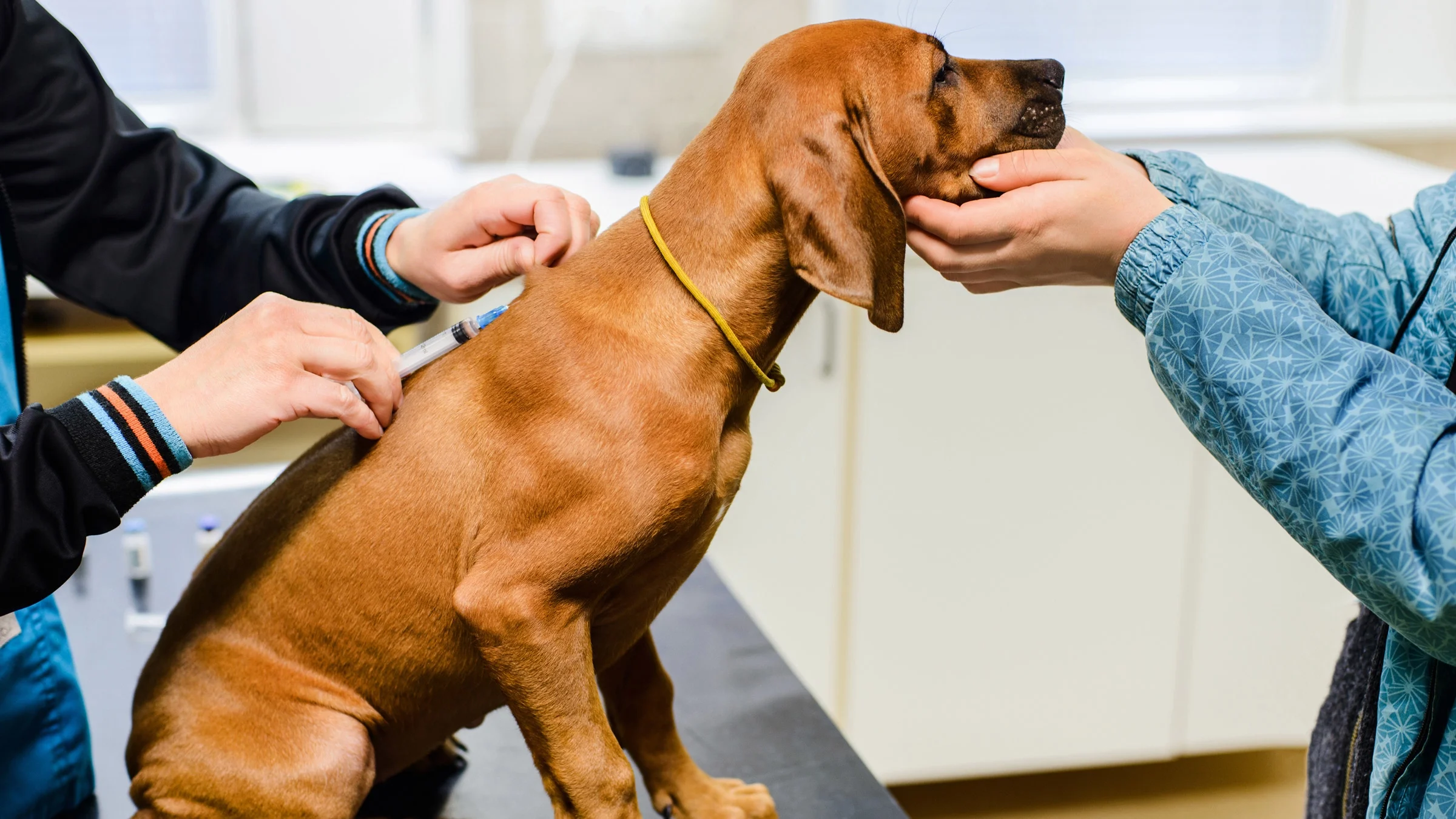
Vaccines are your dog’s best defense against kennel cough. They help build immunity and reduce the severity of symptoms if your dog does get infected.
Vaccination isn’t just for puppies; adult dogs benefit too, especially if they spend time in dog parks, grooming salons, or boarding facilities. Ask your vet about the right vaccines—some protect against multiple strains of kennel cough.
Think about your dog’s lifestyle. If your dog socializes often, a vaccine can prevent a costly and stressful illness. Have you checked if your dog’s vaccinations are up to date lately?
Hygiene And Environment
Keeping your dog’s environment clean helps stop the spread of kennel cough. Regularly wash your dog’s bedding, toys, and food bowls with hot water and pet-safe disinfectant.
Be cautious about where your dog interacts with other dogs. Avoid crowded places during outbreaks and watch for signs of illness in other dogs around you.
Good ventilation in kennels and indoor play areas lowers the chances of airborne germs. Have you noticed how a fresh, clean space seems to keep your dog more energetic and healthy?
Recognizing Emergency Signs
Recognizing emergency signs in a dog with kennel cough is crucial. This illness is usually mild but can become serious quickly. Knowing when to act saves your dog’s life. Watch closely for symptoms that signal urgent care.
Difficulty Breathing Or Rapid Breathing
Breathing problems need immediate attention. Look for fast, shallow breaths or struggling to breathe. Gasping or wheezing sounds also indicate distress. These signs mean the lungs may be affected severely.
Persistent Coughing With Blood
Coughing is common with kennel cough. Blood in the cough is not normal. It suggests severe irritation or infection. This symptom requires prompt veterinary care.
High Fever And Lethargy
A very high fever above 104°F is dangerous. Your dog may also seem weak and tired. Refusing to eat or drink shows the illness is worsening. Immediate vet help is essential in this case.
Blue Or Pale Gums
Healthy gums are pink. Blue or pale gums mean poor oxygen or blood flow. This sign can indicate a life-threatening condition. Seek emergency care without delay.
Collapse Or Seizures
Sudden collapse or seizures are critical emergencies. These signs show the body is under severe stress. Call your vet or emergency clinic right away.
Myths About Kennel Cough And Fatality
Kennel cough is a common illness in dogs that causes a harsh, dry cough. Many dog owners worry about its severity and whether it can cause death. There are many myths about kennel cough and the risk of fatality. Understanding the truth helps owners care for their pets better and avoid unnecessary fear.
Is Kennel Cough Always Fatal?
Kennel cough is rarely deadly for healthy dogs. Most dogs recover in one to three weeks. The illness usually stays mild and does not cause serious problems. Death is very uncommon unless the dog has other health issues or weak immunity.
Can Kennel Cough Cause Pneumonia?
Kennel cough can lead to pneumonia in some cases. Pneumonia is a serious lung infection. It happens mostly in puppies, older dogs, or dogs with weak immune systems. Prompt veterinary care lowers the risk of pneumonia and fatal complications.
Do Antibiotics Cure Kennel Cough?
Antibiotics can help if a bacterial infection is present. Kennel cough sometimes involves bacteria, but often it’s caused by viruses. Antibiotics do not work on viruses. Treatment focuses on easing symptoms and supporting the dog’s immune system.
Does Vaccination Prevent Death From Kennel Cough?
Vaccines reduce the risk of severe kennel cough. They do not guarantee complete protection. Vaccinated dogs still can catch mild forms of the illness. Vaccination helps prevent complications that could lead to death.
.png)
Credit: drfrommdvm.com
Frequently Asked Questions
Can Kennel Cough Be Fatal For Dogs?
Kennel cough is rarely fatal in healthy dogs. Complications can occur in puppies, elderly, or immunocompromised dogs, increasing risks. Prompt veterinary care reduces chances of severe illness and death.
How Does Kennel Cough Affect A Dog’s Health?
Kennel cough causes a persistent, dry cough and respiratory discomfort. It affects the upper respiratory tract but usually resolves within weeks with proper care.
What Are The Signs Of Severe Kennel Cough?
Severe signs include high fever, lethargy, difficulty breathing, loss of appetite, and persistent coughing. These symptoms require immediate veterinary attention to prevent complications.
Can Kennel Cough Lead To Pneumonia In Dogs?
Yes, kennel cough can sometimes lead to pneumonia, especially in vulnerable dogs. Pneumonia requires urgent medical treatment to avoid life-threatening outcomes.
Conclusion
Kennel cough can be serious but rarely causes death in healthy dogs. Most dogs recover quickly with rest and care. Watch your dog’s symptoms closely and see a vet if coughing worsens. Puppies, elderly, or sick dogs face higher risks and need prompt treatment.
Vaccines help protect your dog from kennel cough. Keep your dog away from infected dogs to reduce chances of catching it. Stay alert and act fast to keep your dog safe and healthy.

Emily Barker is the founder of ChillDogLife.com, a space dedicated to helping pup parents discover the best dog products, lifestyle tips, and cozy ideas for happier homes.
A lifelong dog lover, Emily combines her passion for pets with a knack for research to share trusted recommendations on everything from toys and furniture to health and everyday care.
Her goal is simple: to make life easier, stylish, and more joyful for dogs and the people who love them.




