Knowing exactly when to switch your dog to adult food can feel confusing. You want to give your furry friend the best nutrition at every stage of life.
But how do you tell the right time to make this important change? Feeding your dog the wrong food for too long can affect their health and energy. You’ll discover clear signs and simple tips to know when it’s time to feed your dog adult food.
Keep reading to make sure your dog stays happy, healthy, and full of life.
Credit: wefeedraw.com
Signs Your Dog Is Ready
Feeding your dog adult food at the right time helps keep them healthy. Dogs need different nutrients as they grow. Watch for signs that show your dog is ready for adult food.
These signs come from their age, behavior, and body changes. Knowing these can guide you to switch their diet safely.
Age Benchmarks
Most dogs start eating adult food between 12 and 18 months old. Smaller breeds may switch earlier, around one year. Larger breeds might need more time, up to 18 months.
| Breed Size | Recommended Age to Switch |
| Small | 12 months |
| Medium | 12-15 months |
| Large | 15-18 months |
Behavioral Changes
As dogs mature, their eating habits change. They may eat less often but larger meals. Watch for signs like:
- Decreased energy but steady activity
- Less playful and more calm
- Chewing food slower or differently
These changes suggest your dog is growing out of puppy food needs.
Physical Development
Your dog’s body shows clear signs of readiness for adult food. Look for:
- Full adult teeth grown in
- Steady weight gain slowing down
- Muscle development becoming firm
- Coat becoming thicker and shinier
Check your dog’s teeth and body shape regularly. If unsure, consult your vet for advice on feeding changes.
Differences Between Puppy And Adult Food
Puppies and adult dogs have different needs. Their food should match their growth stage. Feeding the right food helps dogs stay healthy.
Puppy food supports fast growth. Adult food keeps dogs strong and fit. Knowing these differences helps with feeding choices.
Nutritional Needs
Puppies need more protein and fat for growth. Adult dogs need balanced nutrients to maintain health. Nutrient amounts vary by age.
Adult food has less protein and fat than puppy food. It focuses on keeping muscles and organs healthy. Puppies require extra vitamins and minerals too.
Ingredient Variations
Puppy food uses ingredients that support brain and bone growth. Adult dog food contains ingredients that help digestion and energy levels. Ingredients change to meet these needs.
- Puppy food has more DHA for brain development
- Adult food includes fiber to aid digestion
- Puppy food often has higher calcium for bones
- Adult food limits calcium to prevent health issues
Calorie Content
Puppies burn more energy while growing. Their food has higher calories. Adult dogs need fewer calories to avoid weight gain.
| Food Type | Calorie Level | Reason |
| Puppy Food | High | Supports growth and energy |
| Adult Food | Moderate | Maintains weight and health |
Ideal Timing For Transition
Feeding your dog adult food at the right time helps keep them healthy. Switching too early or late can cause problems.
It is important to know the best moment to change your dog’s diet. This depends on several factors.
Breed Considerations
Different dog breeds grow at different speeds. Large breeds take longer to mature than small breeds.
Feeding adult food too soon to large breeds can harm their bones and joints. Smaller breeds may need adult food earlier.
- Small breeds often transition around 9 to 12 months old
- Medium breeds usually switch at 12 months
- Large breeds may need to wait until 18 to 24 months
Size And Growth Rate
Size affects how fast a dog grows. Puppies with fast growth need special food longer.
Slow-growing dogs can start adult food earlier. Watch your dog’s weight and energy to decide.
- Fast-growing dogs need puppy food until full adult size
- Smaller dogs mature faster and switch sooner
- Large dogs need longer puppy food to support growth
Veterinarian Recommendations
Your vet can give the best advice on when to change your dog’s food. They check health and growth closely.
Regular vet visits help track your puppy’s development. The vet may suggest a gradual change to adult food.
- Ask your vet about your dog’s ideal transition age
- Follow vet advice for diet changes
- Use vet guidance to avoid digestive issues
Credit: dogsauce.co
How To Transition Smoothly
Switching your dog to adult food needs care and patience. A smooth change helps avoid stomach troubles.
Follow clear steps to help your dog adjust well to the new diet.
Gradual Food Mixing
Mix the old food with the new food over several days. Start with mostly old food and little new food.
- Day 1-2: 75% old food, 25% new food
- Day 3-4: 50% old food, 50% new food
- Day 5-6: 25% old food, 75% new food
- Day 7: 100% new food
Monitoring Digestive Health
Watch your dog’s digestion during the change. Look for signs like diarrhea or vomiting.
| Symptom | Action |
| Loose stool | Slow down transition pace |
| Vomiting | Consult your vet immediately |
| Normal stool | Continue as planned |
Adjusting Portions
Adult food has different calories. Adjust meal sizes to keep your dog healthy.
Try this simple rule:
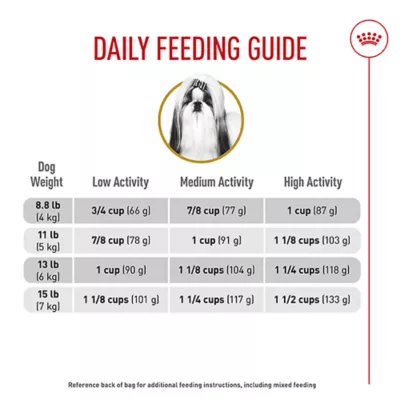
- Check the feeding guide on the package
- Weigh your dog regularly
- Change portions if weight changes too fast
Common Mistakes To Avoid
Feeding your dog adult food at the right time is important for their health. Many pet owners make mistakes that can harm their dog’s digestion and growth.
Knowing when to switch and how to do it properly helps your dog stay healthy and happy.
Switching Too Early
Changing your puppy to adult food too soon can cause problems. Puppies need more nutrients for growth than adult dogs.
Feeding adult food early can make your puppy miss important vitamins and minerals.
- Puppies usually switch after 12 months, but it depends on breed size.
- Small breeds may switch earlier; large breeds take longer.
- Ask your vet about the right time for your dog.
Abrupt Changes
Suddenly changing your dog’s food can upset their stomach. Dogs need time to adjust to new ingredients.
Switch slowly by mixing old and new food over 7 to 10 days to avoid diarrhea or vomiting.
- Start with 25% adult food and 75% puppy food.
- Gradually increase adult food every few days.
- Watch your dog for signs of discomfort.
Ignoring Individual Needs
Every dog is different. Some may need special diets or more time before switching to adult food.
Factors like breed, size, health, and activity affect when to feed adult food.
- Large breeds grow slower and need puppy food longer.
- Active dogs may need more calories than less active ones.
- Consult your vet for personalized advice.
Special Cases And Exceptions
Feeding dogs adult food depends on their specific needs. Special cases require careful consideration. Age, health, and life stage can affect diet.
Some dogs have unique dietary needs. These include senior dogs, those with health issues, and pregnant or nursing dogs.
Senior Dogs
Senior dogs need a balanced diet. Their metabolism and activity levels change with age. Adult food may not always meet their needs.
Consider foods rich in joint support and easy digestion. Consult a vet for specific dietary advice.
- Low-calorie food to prevent weight gain
- High fiber for better digestion
- Supplements for joint health
Dogs With Health Issues
Dogs with health issues need special diets. Conditions like diabetes or kidney disease can affect food choices. Always consult a vet for the best options.
Some health problems require specific nutrients. Adjusting their diet can improve health and quality of life.
- Low sodium for heart issues
- High protein for muscle maintenance
- Low phosphorus for kidney health
Pregnant Or Nursing Dogs
Pregnant or nursing dogs have increased nutritional needs. They require more calories and nutrients for their puppies’ development.
Choose food high in protein and fat. This supports both the mother and her growing puppies.
- High-calorie diet for energy
- Extra calcium for milk production
- Rich in vitamins and minerals
Credit: www.purina.com
Frequently Asked Questions
When Should I Switch My Dog To Adult Food?
Switch your dog to adult food once they reach one year old. Large breeds may need adult food later, around 18-24 months. This change supports their changing nutritional needs as growth slows and activity levels stabilize.
What Signs Show My Dog Needs Adult Food?
Signs include slowing growth, decreased puppy energy, and changing metabolism. Adult food helps maintain healthy weight and supports overall wellness for mature dogs. Consult your vet to ensure the timing is right for your dog’s breed and size.
Can Feeding Adult Food Too Early Harm Puppies?
Yes, feeding adult food too early can cause nutrient imbalance. Puppies need higher protein and fat for growth. Early switch may lead to developmental issues. Always transition based on age and vet recommendations to ensure optimal health.
How To Transition My Dog To Adult Food?
Gradually mix adult food with puppy food over 7-10 days. This helps avoid digestive upset and allows your dog to adjust. Monitor your dog’s health and appetite during transition for best results.
Conclusion
Feeding dogs adult food at the right time keeps them healthy and strong. Watch their age and size as key signs for switching food. Puppies need special nutrients, but adult dogs require balanced meals. Changing food too soon or too late can cause problems.
Always check with a vet if unsure about the timing. This helps your dog stay happy and active for years. Remember, good nutrition supports a long, healthy life. Simple care makes a big difference. Choose the right food, and your dog will thank you.

Emily Barker is the founder of ChillDogLife.com, a space dedicated to helping pup parents discover the best dog products, lifestyle tips, and cozy ideas for happier homes.
A lifelong dog lover, Emily combines her passion for pets with a knack for research to share trusted recommendations on everything from toys and furniture to health and everyday care.
Her goal is simple: to make life easier, stylish, and more joyful for dogs and the people who love them.




