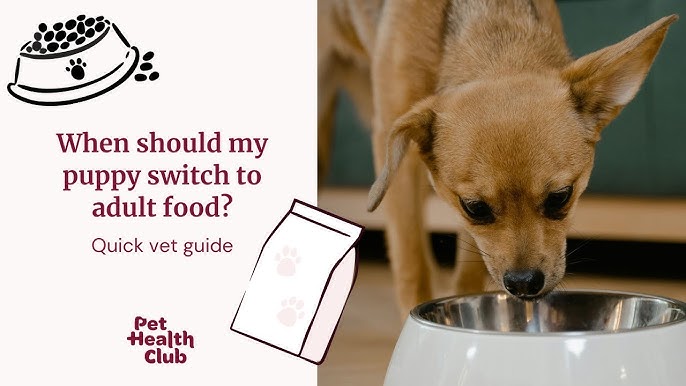
Have you ever wondered what happens if your puppy eats adult dog food? It might seem like a small mix-up, but feeding your puppy the wrong food can affect their health and growth.
You want the best for your furry friend, so understanding the impact of adult dog food on puppies is important. Keep reading to learn why your puppy’s diet matters and what you should do if they sneak a bite of adult food.
This knowledge could save you from costly vet visits and keep your puppy happy and healthy.
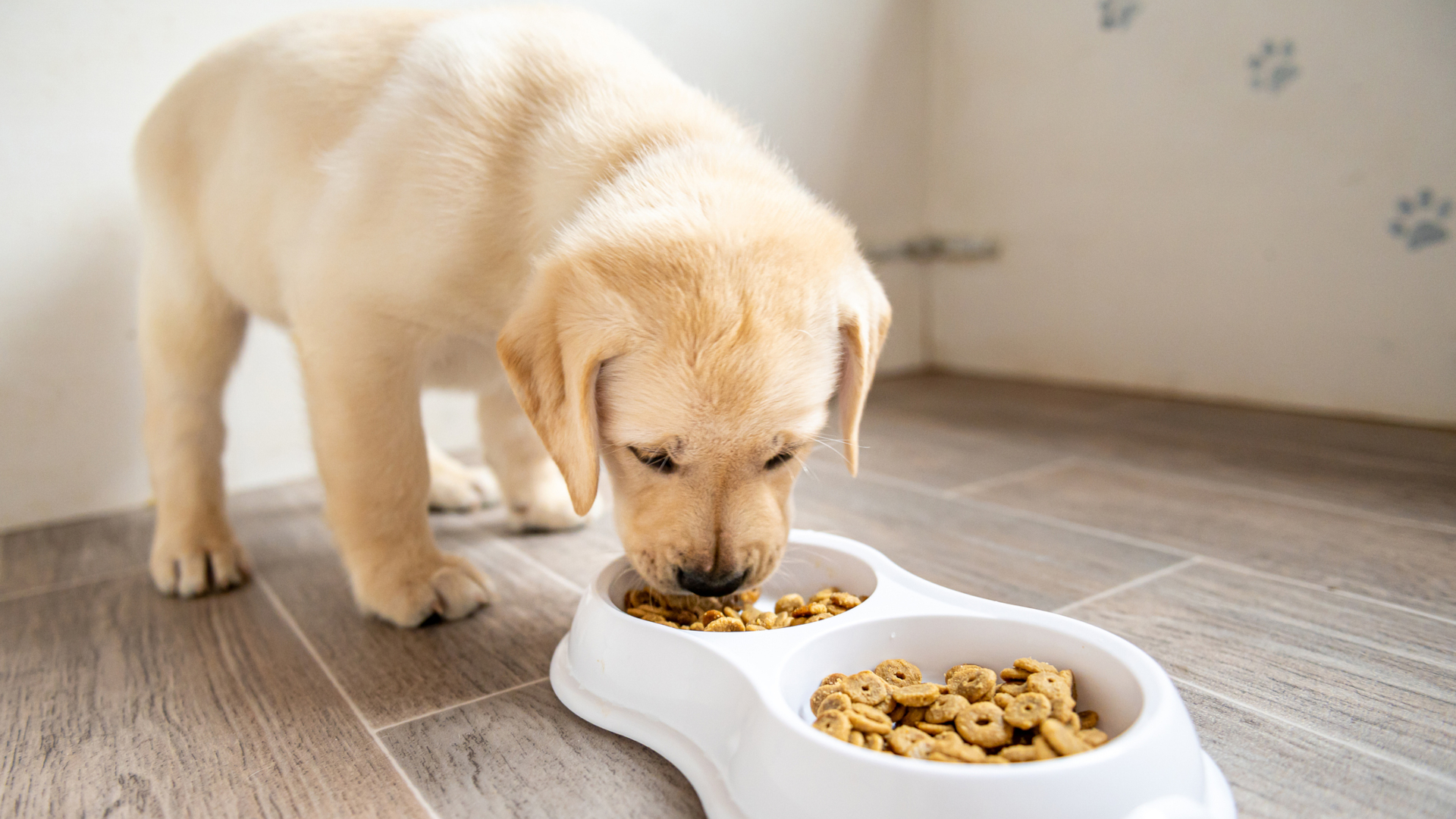
Credit: www.petsradar.com
Nutritional Needs Of Puppies
Puppies need the right food to grow strong and healthy. Their diet must support rapid growth and development.
Adult dog food does not meet all the needs of puppies. It can lack important nutrients that puppies require.
Key Nutrients For Growth
Puppies need more protein and fat than adult dogs. These nutrients help build muscles and provide energy.
- High-quality protein for muscle development
- Fat for energy and brain growth
- Calcium and phosphorus for strong bones
- DHA, an omega-3 fatty acid, for brain and eye health
- Vitamins and minerals to support the immune system
Differences From Adult Dog Diets
| Nutrient | Puppy Food | Adult Dog Food |
| Protein | Higher amount for growth | Moderate amount for maintenance |
| Fat | More fat for energy | Lower fat to avoid weight gain |
| Calcium | Higher levels for bone development | Lower levels to prevent health issues |
| Calories | More calories for active growth | Fewer calories for weight control |
Ingredients In Adult Dog Food
Adult dog food has different ingredients than puppy food. These ingredients affect a puppy’s growth and health.
Understanding the ingredients helps you see why adult dog food is not ideal for puppies.
Protein And Fat Levels
Adult dog food has lower protein and fat than puppy food. Puppies need extra protein and fat to grow strong muscles and energy.
- Protein in adult dog food usually ranges from 18% to 25%.
- Puppy food often has 22% to 32% protein.
- Fat content in adult food is about 10% to 15%.
- Puppies need 15% to 20% fat to support brain and body growth.
Vitamins And Minerals Content
| Vitamin or Mineral | Role | Content in Adult Food | Content Needed for Puppies |
| Calcium | Bone growth and strength | Lower | Higher |
| Phosphorus | Bone development | Lower | Higher |
| Vitamin D | Calcium absorption | Moderate | Higher |
| Vitamin E | Immune support | Sufficient | Higher |
Adult dog food may not have enough vitamins and minerals for puppies. These nutrients help puppies grow healthy bones and strong immune systems.
Risks Of Feeding Puppies Adult Food
Puppies need special food to grow healthy and strong. Adult dog food does not meet their needs. Feeding puppies adult food can cause health problems.
It is important to understand the risks of feeding puppies adult dog food. This guide explains the main concerns.
Digestive Issues
Puppies have sensitive stomachs. Adult dog food has different ingredients that may upset their digestion. This can lead to diarrhea, vomiting, and stomach pain.
- Adult food may be harder to digest for puppies.
- Wrong nutrient balance can cause loose stools.
- It can lead to dehydration if diarrhea lasts too long.
- Puppies may refuse food if it causes discomfort.
Nutritional Deficiencies
Adult dog food lacks some nutrients that puppies need to grow. Puppies need more protein, fat, and certain vitamins. Missing these can hurt their development.
| Nutrient | Needs in Puppies | Adult Food Level |
| Protein | High for muscle growth | Lower than puppy food |
| Fat | Higher for energy | Lower than puppy food |
| Calcium | Needed for bones | May be too low or high |
| Vitamins | More vitamins needed | Less vitamin content |
Long-term Health Effects
Feeding puppies adult food for a long time can cause lasting damage. They may grow weaker bones or have poor immune systems. It can also affect their weight and energy.
Long-term risks include:
- Bone deformities due to wrong calcium levels
- Slower growth and weak muscles
- Increased chance of illness
- Obesity or poor weight gain

Credit: www.purina.com
Signs Of Feeding Problems
Puppies need special food to grow healthy and strong. Adult dog food is not made for their needs. Feeding puppies adult food can cause problems.
Watch for signs that show your puppy may have feeding issues. Early detection helps you fix the problem fast.
Behavioral Changes
Puppies may act differently if they eat adult dog food. They can feel tired or lose interest in play. Some show signs of discomfort or irritability.
- Less energy or activity than usual
- Refusing food or eating less
- Increased whining or restlessness
- More frequent sleeping or hiding
- Unusual aggression or irritability
Physical Symptoms
Adult dog food can cause physical health problems in puppies. Look for changes in their body and digestion.
| Symptom | Description |
| Vomiting | Throwing up after meals |
| Diarrhea | Loose or watery stools |
| Weight Loss | Not gaining weight or losing weight |
| Dry Coat | Coat looks dull or rough |
| Dehydration | Dry gums or sunken eyes |
Safe Feeding Practices
Puppies need special nutrition to grow strong and healthy. Feeding them adult dog food can cause problems.
Adult dog food has fewer nutrients that puppies need. It may harm their growth and development.
Choosing Puppy Food
Puppy food has more protein, fat, and vitamins than adult food. It supports their energy and body changes.
Look for foods labeled for puppies. These meet the nutritional needs of growing dogs.
- Contains extra protein for muscle growth
- Has more fat for energy
- Includes calcium for strong bones
- Rich in vitamins for immunity
Transitioning Diets
Switching from puppy to adult food should happen slowly. Sudden changes can upset the puppy’s stomach.
Mix new food with old food over several days. Gradually increase the new food amount each day.
- Start with 25% new food and 75% old food
- Increase new food to 50% after two days
- Move to 75% new food after two more days
- Feed 100% new food by day seven
Credit: www.thinkjinx.com
Remedies For Mistakes
Sometimes puppies eat adult dog food. This might not be ideal for their growth. Let’s explore how to fix this.
Adjusting their diet can help. Knowing when to see a vet is also crucial.
Dietary Adjustments
Puppies need different nutrients than adult dogs. Switching back to puppy food is important.
- Identify the type of food your puppy ate.
- Gradually reintroduce puppy food.
- Monitor their reaction to the change.
When To Consult A Vet
Contact a vet if your puppy shows signs of discomfort. This can include vomiting or diarrhea.
| Symptom | Action |
| Vomiting | Call vet immediately |
| Diarrhea | Monitor and consult vet |
| Lethargy | Seek professional advice |
Frequently Asked Questions
Can Puppies Eat Adult Dog Food Safely?
Puppies can eat adult dog food, but it’s not ideal. Adult food lacks essential nutrients puppies need for growth. Feeding adult food long-term may cause nutritional deficiencies and affect development.
What Are The Risks Of Adult Food For Puppies?
Adult dog food often has lower protein and fat than puppy food. This can lead to poor growth, weak immunity, and digestive problems in puppies.
How To Transition Puppies From Adult To Puppy Food?
Transition gradually over 7-10 days by mixing increasing amounts of puppy food. This helps prevent stomach upset and ensures puppies get proper nutrition.
Can Adult Dog Food Cause Digestive Issues In Puppies?
Yes, adult dog food may cause diarrhea or constipation in puppies. Their sensitive digestive systems require specially formulated puppy food for optimal health.
Conclusion
Feeding puppies adult dog food can cause health problems. Puppies need nutrients that support fast growth and strong bones. Adult food lacks some vitamins and minerals for young dogs. Puppies may get sick or grow slowly with wrong food. Always choose puppy-specific food to help them stay healthy.
Watch your puppy’s weight and energy every day. Talk to your vet if you worry about their diet. Good nutrition builds a happy, strong dog for life. Keep your puppy’s food just right for best results.

Emily Barker is the founder of ChillDogLife.com, a space dedicated to helping pup parents discover the best dog products, lifestyle tips, and cozy ideas for happier homes.
A lifelong dog lover, Emily combines her passion for pets with a knack for research to share trusted recommendations on everything from toys and furniture to health and everyday care.
Her goal is simple: to make life easier, stylish, and more joyful for dogs and the people who love them.




