
Are you wondering if it’s okay to feed your adult dog puppy food? You might think that puppy food is just extra tasty or that it could be good for your dog’s health.
But before you reach for that bag, it’s important to understand what’s really inside and how it affects your dog’s body. Feeding the wrong food can lead to problems you didn’t expect. Keep reading to discover what happens when adult dogs eat puppy food—and learn how to make the best choice for your furry friend’s health and happiness.

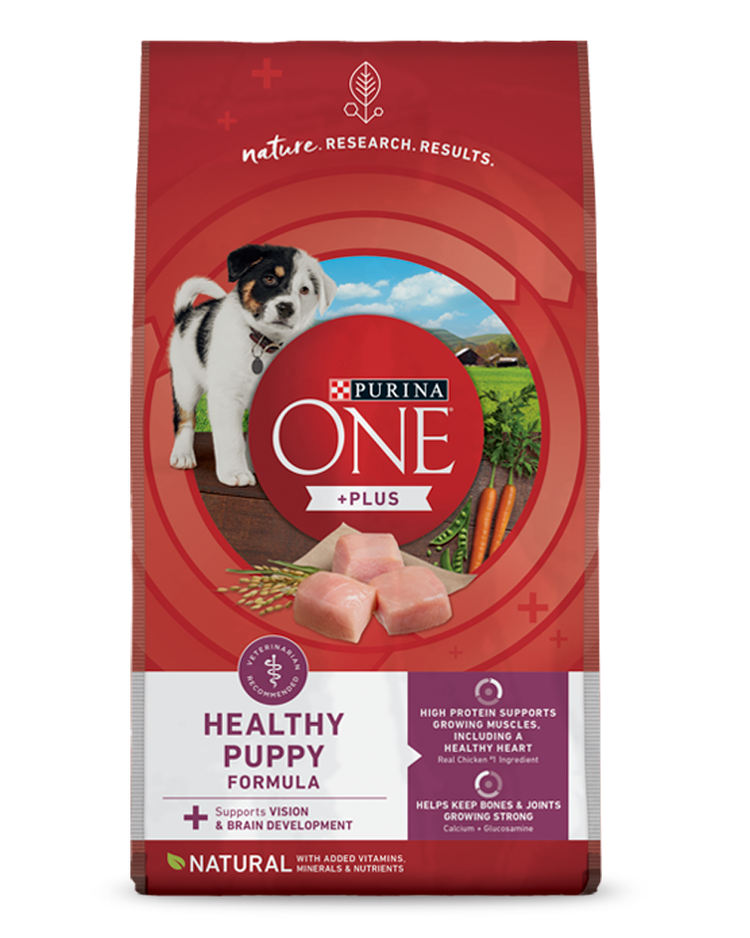
Credit: www.purina.com
Differences Between Puppy And Adult Dog Food
Puppy and adult dog foods have different purposes. Puppies need extra nutrients to grow strong and healthy. Adult dogs need food that helps keep them fit and active.
Knowing the differences helps you choose the right food for your dog’s age and needs.
Nutritional Requirements
Puppies need more protein and fat than adult dogs. These nutrients support their fast growth and energy needs. Adult dogs need balanced nutrition to maintain their weight and health.
- Puppies need higher protein for muscle development.
- Fats give puppies extra energy for play and growth.
- Adult dogs need fewer calories to avoid weight gain.
- Vitamins and minerals differ to support each life stage.
Calorie Content
Puppy food has more calories per serving. This helps puppies grow quickly. Adult dog food has fewer calories to prevent obesity. Feeding adult dogs puppy food can cause them to gain too much weight.
| Dog Age | Calories per Cup |
| Puppy | 400-500 |
| Adult | 300-400 |
Ingredient Variations
Puppy foods contain ingredients to support brain and bone growth. Adult dog foods focus on ingredients that maintain health and digestion.
- More DHA and EPA in puppy food for brain development.
- Higher calcium and phosphorus in puppy food for bones.
- Adult dog food has more fiber to aid digestion.
- Adult formulas include ingredients for joint health.
Credit: www.purina.com
Potential Benefits Of Feeding Puppy Food To Adult Dogs
Feeding puppy food to adult dogs can sometimes offer certain health benefits. Puppy food is designed to support growth and development with extra nutrients.
Adult dogs with higher energy needs might benefit from the richer nutrient profile found in puppy food. This is not for all dogs but can be helpful in specific cases.
Support For Active Or Growing Dogs
Adult dogs that are very active or recovering from illness may need more calories and nutrients. Puppy food provides higher energy and protein levels to help meet these needs.
- Higher protein content supports muscle repair and growth.
- Extra calories fuel active dogs during exercise or play.
- Added vitamins and minerals help with recovery and strength.
Enhanced Nutrient Intake
Puppy food contains more essential nutrients like calcium and DHA. These nutrients support strong bones and brain health, which can benefit some adult dogs.
| Nutrient | Role in Dog Health | Benefits for Adult Dogs |
| Protein | Builds and repairs muscles | Supports active lifestyles |
| Calcium | Strengthens bones and teeth | Maintains bone health |
| DHA (Omega-3) | Supports brain and eye development | Improves cognitive function |
Improved Coat And Skin Health
Puppy food often has higher levels of fats and oils. These help keep a dog’s coat shiny and skin healthy by providing important fatty acids.
- Omega-3 and Omega-6 fatty acids improve skin hydration.
- Vitamin E acts as an antioxidant to protect skin cells.
- Rich fats support a glossy, soft coat.
Risks And Drawbacks Of Puppy Food For Adult Dogs
Feeding puppy food to adult dogs might seem harmless. Puppy food has more calories and nutrients to support growth.
Adult dogs have different needs. Using puppy food can cause health problems over time.
Weight Gain And Obesity
Puppy food contains extra calories and fat. Adult dogs do not need this much energy daily.
Eating puppy food regularly can lead to weight gain. Obesity increases the risk of joint problems and heart issues.
- High calorie content causes excess weight
- Extra fat can build up quickly
- Overweight dogs have shorter lifespans
Nutrient Imbalance
Puppy food has more protein, fat, and certain vitamins. Adult dogs need balanced nutrients for maintenance.
Too many nutrients can stress organs like the liver and kidneys. This imbalance may cause long-term health issues.
- Excess protein strains kidneys
- Too much calcium affects bones
- Vitamins in high doses may be harmful
Digestive Issues
Puppy food has different fiber and fat levels. Adult dogs might find it harder to digest.
Feeding puppy food can cause stomach upset, diarrhea, or constipation. Digestive discomfort affects dog’s overall health.
- Higher fat may cause diarrhea
- Fiber differences upset digestion
- Sudden food changes increase risks
When Puppy Food Might Be Appropriate For Adults
Puppy food is made to support growth and high energy needs. Sometimes adult dogs may need extra nutrients.
Feeding puppy food to adults is not common. Certain conditions make it a better choice for some dogs.
Pregnant Or Nursing Dogs
Pregnant or nursing dogs need more calories and nutrients than usual. Puppy food has extra protein and fat.
This food helps support the mother and her puppies. It keeps her strong during this demanding time.
Recovering From Illness
Dogs that are sick or recovering need more nutrition to heal. Puppy food is rich and easy to digest.
It helps rebuild their strength faster. Your vet may suggest puppy food during recovery.
Highly Active Or Working Dogs
Dogs that work hard or exercise a lot burn more energy. Puppy food provides extra calories and nutrients.
This food helps keep their energy up and muscles strong. It supports their active lifestyle well.
How To Transition Between Puppy And Adult Food
Switching your dog from puppy food to adult food needs care. A smooth change helps your dog stay healthy.
This guide explains how to change dog food safely and watch for any problems.
Gradual Switching Process
Start mixing a small amount of adult food with puppy food. Slowly increase the adult food over days.
- Day 1-3: 25% adult food, 75% puppy food
- Day 4-6: 50% adult food, 50% puppy food
- Day 7-9: 75% adult food, 25% puppy food
- Day 10+: 100% adult food
This slow change helps your dog’s stomach adjust to new food without upset.
Monitoring Health And Behavior
Watch your dog’s eating habits and energy levels during the change. Look for signs of discomfort.
- Check for vomiting or diarrhea
- Note any loss of appetite
- Observe changes in energy or mood
- Look for skin or coat changes
If you see problems, slow down the transition or stop and consult a vet.
Consulting A Veterinarian
Your vet can give advice about your dog’s diet needs. They help choose the right food type and timing.
Bring your dog’s health history to the vet. This helps them make good food recommendations.
Alternative Options To Puppy Food For Adult Dogs
Feeding adult dogs puppy food is not ideal. Adult dogs have different nutritional needs. Here are some suitable options for feeding adult dogs.
These alternatives ensure your dog gets the right balance of nutrients. Each option focuses on specific health needs for adult dogs.
Senior Dog Formulas
Senior dog formulas are designed for older dogs. They contain nutrients that support joint health. These formulas also help with digestion and energy levels.
- Lower calories to prevent weight gain
- Added glucosamine for joint support
- Enhanced fiber for better digestion
Weight Management Diets
Weight management diets help dogs maintain a healthy weight. They are low in calories but high in nutrients. This diet is suitable for less active adult dogs.
These diets prevent obesity-related health issues. They focus on balanced protein and fat content.
Custom Nutrition Plans
Custom nutrition plans are tailored to your dog’s specific needs. A vet can help create a plan that considers age, breed, and health status.
| Benefit | Details |
| Tailored Nutrition | Meets individual health needs |
| Improved Health | Supports overall wellness |
| Flexibility | Adjusts as your dog ages |
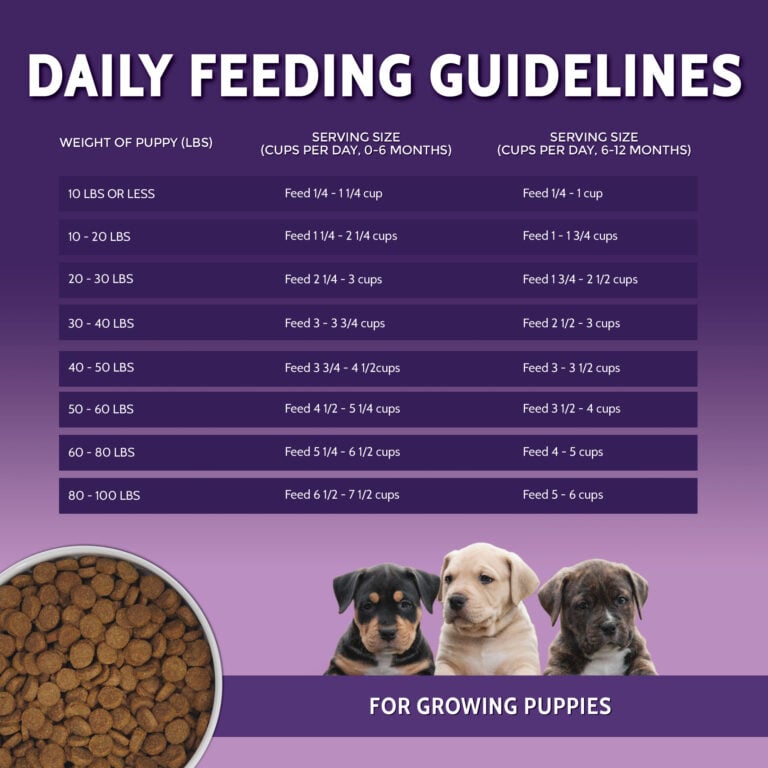
Credit: zignature.com
Frequently Asked Questions
Can Adult Dogs Eat Puppy Food Safely?
Adult dogs can eat puppy food occasionally, but it’s not ideal long-term. Puppy food has more calories and nutrients, which may cause weight gain or digestive issues in adults.
What Happens If Adult Dogs Eat Puppy Food Regularly?
Regularly feeding adult dogs puppy food can lead to obesity, digestive upset, and nutrient imbalances. Adult dogs need fewer calories and specific nutrients suited to their life stage.
Is Puppy Food Beneficial For Senior Dogs?
Puppy food is usually too rich for senior dogs. Seniors often require fewer calories and more joint-supporting nutrients, which puppy food lacks.
How To Transition Adult Dogs From Puppy To Adult Food?
Transition gradually over 7-10 days by mixing increasing amounts of adult food with puppy food. This helps prevent digestive upset and allows your dog to adjust smoothly.
Conclusion
Feeding adult dogs puppy food is not ideal for their health. Puppy food has extra nutrients meant for growing dogs. Adult dogs need a balanced diet made for their age. Too many calories in puppy food can cause weight gain.
Always choose food that fits your dog’s life stage. Talk to your vet before changing your dog’s diet. Keeping your dog healthy means feeding the right food. Small changes make a big difference in your dog’s life. Your dog deserves the best care and nutrition every day.

Emily Barker is the founder of ChillDogLife.com, a space dedicated to helping pup parents discover the best dog products, lifestyle tips, and cozy ideas for happier homes.
A lifelong dog lover, Emily combines her passion for pets with a knack for research to share trusted recommendations on everything from toys and furniture to health and everyday care.
Her goal is simple: to make life easier, stylish, and more joyful for dogs and the people who love them.




