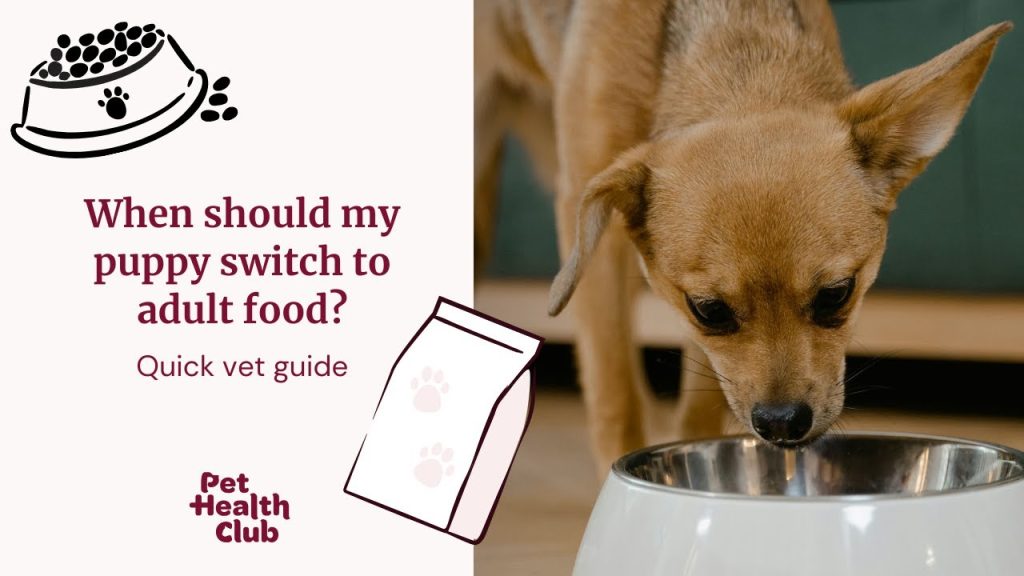
Are you wondering when your puppy is ready to switch to adult dog food? It’s a common question for every dog owner.
Feeding your dog the right food at the right time is key to their health and happiness. Give your furry friend adult food too early, and they might miss out on important nutrients. Wait too long, and they could end up eating less than they need.
You’ll discover the signs to look for and the best time to make that important change. Keep reading to make sure your dog’s diet supports their growth and keeps their tail wagging strong.
When To Switch To Adult Dog Food
Feeding your dog the right food is important for their health. Puppies need special nutrition for growth.
As they grow, their food should change to meet new needs. Knowing when to switch helps them stay healthy.
Signs Your Puppy Is Ready
Your puppy shows clear signs when ready to eat adult food. Watch for changes in behavior and growth.
These signs include slower growth and less need for extra calories. Your vet can help confirm if they are ready.
- Puppy has reached near adult size
- Growth rate slows down
- More energy for play, less for growth
- Teeth are fully grown
Breed And Size Considerations
Different breeds grow at different speeds. Size also affects when to switch to adult food.
Small breeds grow faster and need adult food sooner. Large breeds take longer to mature.
- Small breeds: switch around 9-12 months
- Medium breeds: switch near 12 months
- Large breeds: switch between 12-18 months
- Giant breeds: may need puppy food up to 18-24 months
Age Guidelines For Transition
Age is a good guide for switching food. Most dogs are ready between 9 and 24 months.
Use age as a starting point, not a strict rule. Watch your dog’s growth and health closely.
| Dog Size | Typical Age to Switch |
|---|---|
| Small Breeds | 9 to 12 months |
| Medium Breeds | 12 months |
| Large Breeds | 12 to 18 months |
| Giant Breeds | 18 to 24 months |
Choosing The Right Adult Dog Food
Feeding your dog adult food at the right time is important for their health. Adult dog food meets the needs of dogs that have finished growing. Choosing the right food helps keep your dog active and strong.
There are many options for adult dog food. Understanding what your dog needs will make it easier to pick the best food. This guide covers key points to help you choose well.
Nutritional Needs Of Adult Dogs
Adult dogs need a balanced diet with protein, fat, and carbohydrates. Protein helps maintain muscles. Fat provides energy. Carbohydrates support digestion. Vitamins and minerals keep the body working well.
- Protein for muscle health
- Fat for energy
- Carbohydrates for digestion
- Vitamins and minerals for overall health
Types Of Adult Dog Food
Adult dog food comes in dry kibble, canned wet food, and raw or freeze-dried options. Each type has pros and cons. Dry food is easy to store. Wet food has more moisture. Raw food is close to a natural diet.
| Type | Advantages | Considerations |
| Dry Kibble | Easy to store and feed | May have less moisture |
| Wet Food | Higher moisture content | Shorter shelf life after opening |
| Raw/Freeze-Dried | Natural ingredients | Requires careful handling |
Ingredients To Look For
Good adult dog food has quality ingredients. Meat or fish should be the first ingredient. Whole grains and vegetables add fiber and nutrients. Avoid foods with too many fillers or artificial additives.
- Real meat or fish as the main ingredient
- Whole grains like brown rice or oats
- Vegetables such as carrots or peas
- No artificial colors or flavors
- Limited fillers like corn or soy
How To Transition Your Dog’s Diet
Switching your dog from puppy food to adult food is important for their health. The change should be done carefully.
A smooth transition helps avoid stomach upset and keeps your dog happy. Let’s look at how to do it right.
Gradual Food Changes
Change your dog’s food slowly over 7 to 10 days. Mix small amounts of adult food with puppy food.
Increase the adult food and decrease the puppy food each day. This helps your dog’s stomach adjust.
- Day 1-3: 25% adult food, 75% puppy food
- Day 4-6: 50% adult food, 50% puppy food
- Day 7-9: 75% adult food, 25% puppy food
- Day 10: 100% adult food
Monitoring For Allergies Or Digestive Issues
Watch your dog closely during the diet change. Look for signs of allergies or stomach problems.
Common signs include vomiting, diarrhea, itching, or swelling. If these happen, contact your vet.
- Check for vomiting or diarrhea
- Look for itchy skin or redness
- Notice any swelling around the face or paws
- Keep a food diary to track changes
Tips For Picky Eaters
Some dogs may not like the new adult food. Try mixing it with warm water or broth to add flavor.
You can also offer smaller, frequent meals to encourage eating. Be patient and consistent during the change.
- Add warm water or low-sodium broth to the food
- Serve smaller meals several times a day
- Keep mealtime quiet and calm
- Avoid giving extra treats during transition

Credit: petheavenblogs.com
Special Cases For Feeding Adult Dog Food
Choosing the right time to switch your dog to adult food depends on many factors. Not all dogs change diets at the same age.
Some dogs need adult food earlier or later due to their breed, age, or health. Understanding these cases helps keep your dog healthy.
Large Vs Small Breed Differences
Large breed dogs grow slower than small breeds. They usually need puppy food longer to support their growth.
Small breeds mature faster and can switch to adult food sooner. Feeding large breeds adult food too early can cause problems.
- Large breeds switch around 12 to 18 months old
- Small breeds switch around 9 to 12 months old
- Adult food for large breeds has nutrients to support joints
- Small breed adult food is often more calorie-dense
Senior Dogs And Adult Food
Senior dogs may not need special senior food right away. Many can stay on adult food until health changes occur.
Adult food helps maintain energy and muscle. Watch your senior dog’s weight and activity to decide if diet changes are needed.
- Adult food suits many senior dogs
- Senior dog food has lower calories and more fiber
- Consult your vet if your dog loses weight or seems weak
Health Conditions Affecting Diet
Some health issues require special diets. Dogs with allergies or kidney problems may need adult food formulas made for them.
Your vet can recommend the right adult food if your dog has health concerns. Feeding the wrong food can make problems worse.
- Food allergies need hypoallergenic adult food
- Kidney or liver issues require low-protein or special diets
- Weight problems call for low-calorie adult food
- Always follow vet advice for health-related diets
Common Mistakes To Avoid
Switching your dog to adult food can be a crucial milestone in their development. However, many dog owners make mistakes that can lead to health issues or dissatisfaction with their dog’s diet.
Switching Too Early Or Too Late
Switching your dog to adult food too early can lead to nutritional deficiencies, while switching too late can cause digestive issues. Typically, dogs are ready for adult food between 12 to 18 months of age, depending on their breed and size.
| Breed | Switch to Adult Food |
|---|---|
| Small breeds (under 20 pounds) | 12-14 months |
| Medium breeds (20-50 pounds) | 14-16 months |
| Large breeds (50-80 pounds) | 16-18 months |
Ignoring Nutritional Labels
Nutritional labels provide essential information about the food’s ingredients, nutritional content, and manufacturing process. Ignoring these labels can lead to your dog consuming foods that are high in unhealthy ingredients or low in essential nutrients.
- Check the ingredient list for common allergens
- Look for foods with named protein sources (e.g., chicken, salmon)
- Choose foods with balanced fatty acid profiles
Overfeeding Adult Dog Food
Overfeeding your dog can lead to obesity, digestive issues, and other health problems. Monitor your dog’s weight and adjust their food intake accordingly.
Consult with your veterinarian to determine the ideal food intake for your dog based on their breed, size, age, and activity level.

Credit: us.eukanuba.com
Consulting Your Veterinarian
Knowing when your dog can eat adult food is very important. Your veterinarian can guide you with the best advice.
Each dog grows differently. A vet check helps you choose the right food at the right time.
When To Seek Professional Advice
Ask your vet before switching your puppy to adult food. The right time depends on breed and size.
Seek advice if your puppy shows signs of health problems or slow growth. Your vet will help you decide.
Questions To Ask Your Vet
Ask about the best age to start adult food. Also, ask what type of food fits your dog’s needs.
- Is my dog ready for adult food?
- What signs show my dog is ready?
- Which adult food do you recommend?
- How to switch food safely?
- Should I change feeding amounts?
Regular Health Checks
Regular vet visits keep track of your dog’s health. They help adjust food as your dog grows.
Health checks show if your dog gains weight well. They also spot any nutrition issues early.

Credit: jiminys.com
Frequently Asked Questions
When Is The Right Age To Switch To Adult Dog Food?
Most dogs transition to adult food between 12 to 18 months. Large breeds may take longer, up to 24 months. Consult your vet for breed-specific advice and ensure the food meets your dog’s nutritional needs.
How To Tell If My Dog Is Ready For Adult Food?
Look for signs like slowed growth and changed energy levels. Your vet can confirm readiness based on health and breed. Gradual transition helps avoid digestive issues.
Can Puppies Eat Adult Dog Food Safely?
Puppies should avoid adult food as it lacks essential nutrients for growth. Adult food is less calorie-dense and can affect development negatively. Always choose puppy-specific formulas until your vet advises a switch.
What Are The Risks Of Early Adult Food Transition?
Switching too soon may cause nutrient deficiencies and digestive problems. Puppies need higher protein and fat for growth. Early changes can lead to poor health and stunted development.
Conclusion
Choosing the right time for adult dog food is key. Most dogs switch at about one year old. Watch your dog’s size and energy to decide. Gradually change food to avoid stomach upset. Good nutrition helps your dog stay healthy and strong.
Talk to your vet if unsure about the switch. Feeding adult food too early can cause problems. Take your time and follow your dog’s needs. Your dog will thank you with a happy, healthy life.

Emily Barker is the founder of ChillDogLife.com, a space dedicated to helping pup parents discover the best dog products, lifestyle tips, and cozy ideas for happier homes.
A lifelong dog lover, Emily combines her passion for pets with a knack for research to share trusted recommendations on everything from toys and furniture to health and everyday care.
Her goal is simple: to make life easier, stylish, and more joyful for dogs and the people who love them.




