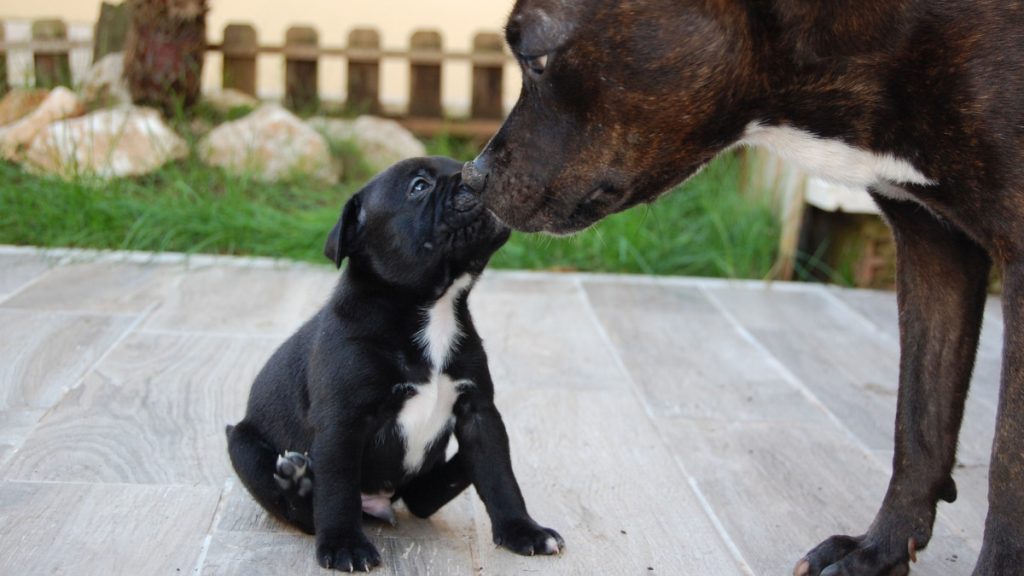
Are you thinking about breeding dogs but don’t know where to start? Breeding isn’t just about pairing two dogs and hoping for puppies.
It takes careful planning, knowledge, and responsibility to do it right. If you want healthy, happy puppies and to make a positive impact, you need to understand the key steps before you begin. This guide will walk you through everything you need to know to start breeding dogs confidently and responsibly.
Keep reading to unlock the secrets that every successful breeder wishes they knew from the start.
Credit: depthdogguide.com
Choosing The Right Breed
Breeding dogs is a big responsibility. Choosing the right breed helps you succeed. You need to think about traits and your life.
This guide will help you pick a breed that fits your goals and lifestyle well.
Assessing Breed Traits
Each dog breed has unique traits. These include size, energy, and health. Knowing these helps you care for your dogs properly.
- Size: Small, medium, or large dogs have different needs.
- Energy level: Some breeds need more exercise than others.
- Temperament: Look for friendly, protective, or calm traits.
- Health issues: Some breeds have common health problems.
- Coat type: Grooming needs vary by breed.
Matching Lifestyle And Breed
Your daily life affects which breed fits you best. Consider your home, work, and activity level before choosing.
| Your Lifestyle | Best Breed Traits |
| Active outdoors person | High energy, large or medium size |
| Small apartment living | Small size, low energy |
| Busy work schedule | Independent, low maintenance |
| Family with children | Gentle, friendly, patient |
Preparing For Breeding
Breeding dogs needs careful preparation. This helps ensure healthy puppies and strong parents.
Before breeding, check your dog’s health and genetics. This lowers risks during pregnancy.
Health Checks And Vaccinations
Health checks make sure your dog is fit for breeding. A vet will check for diseases and overall health.
Vaccinations protect the mother and puppies from common diseases. Keep vaccines up to date before breeding.
- Visit a vet for a full health exam
- Check for parasites and infections
- Update all vaccines, including rabies and distemper
- Test for common hereditary diseases
- Ensure good nutrition and weight
Genetic Testing Importance
Genetic testing finds inherited diseases in dogs. It helps avoid passing bad genes to puppies.
Tests show if your dog carries gene mutations. Use results to choose a healthy mate.
- Identify breed-specific genetic problems
- Prevent breeding two carriers of the same disease
- Improve the overall health of future litters
- Keep records of tested dogs for breeding decisions
Selecting Breeding Pairs
Choosing the right dogs for breeding is important for healthy puppies. Careful selection helps keep good traits in the breed.
Look at both the behavior and the body of each dog. These details affect the success of breeding.
Evaluating Temperament
Temperament means how a dog acts and feels. Good temperament is calm, friendly, and confident. Avoid dogs that are overly shy or aggressive.
- Choose dogs that are gentle with people and other animals.
- Look for dogs that handle new situations well.
- Avoid dogs that show fear or anger often.
- Pick dogs that can focus and follow commands.
Physical Compatibility
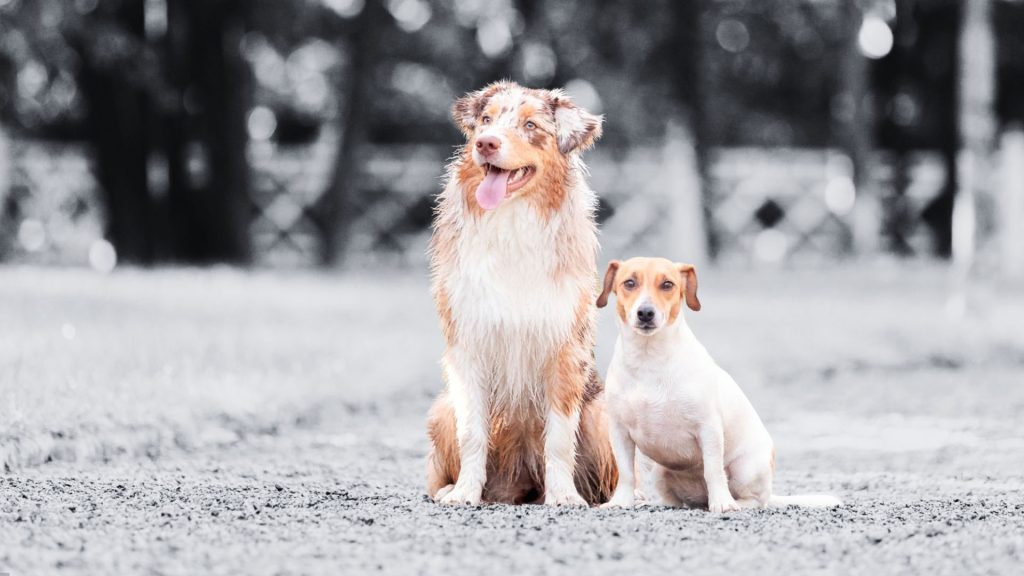
Physical compatibility means the dogs fit well together to produce healthy puppies. Size, shape, and health must match.
| Factor | Why It Matters |
| Size | Prevents birth problems and injuries |
| Body Shape | Ensures puppies have good structure |
| Health | Reduces risk of passing diseases |
| Age | Older dogs may have lower fertility |
Credit: www.akcchf.org
Breeding Process Basics
Breeding dogs requires care and knowledge. It is important to understand the basics before starting. This helps ensure healthy puppies and happy dogs.
This guide covers the key parts of the breeding process. Learn about timing the heat cycle and mating techniques for best results.
Timing The Heat Cycle
A female dog’s heat cycle is the best time to breed. It usually happens twice a year. Knowing the right days helps increase chances of pregnancy.
- Proestrus: The start of heat with swelling and bleeding (about 9 days)
- Estrus: The fertile period when the female accepts the male (5 to 9 days)
- Diestrus: The phase after estrus when the female is no longer fertile
- Anestrus: The resting period before the next cycle
To find the best breeding time, watch for signs like swollen vulva and changes in behavior. You may also check with a vet for hormone tests.
Mating Techniques
Successful mating needs patience and the right method. The dogs should meet in a calm place. Both must be healthy and ready.
| Technique | Description |
| Natural Mating | Male and female mate naturally under supervision. |
| Artificial Insemination | Veterinarian collects and inserts sperm into the female. |
| Hand Mating | Handler guides and holds dogs during mating to ensure success. |
Keep the female calm during mating. Let the dogs stay together for 15 to 30 minutes. This helps the natural tie to form, improving pregnancy chances.
Pregnancy And Whelping
Breeding dogs requires care during pregnancy and whelping. Knowing how to watch your dog and prepare the area helps a smooth process.
This guide covers key points on monitoring pregnancy and setting up a safe whelping area.
Monitoring Pregnancy
Watch your dog closely during pregnancy. Changes in behavior and body can show signs of health.
- Check her appetite daily and note any changes.
- Look for swelling or enlargement of the abdomen.
- Observe her energy levels and rest patterns.
- Visit the vet for ultrasounds and check-ups.
- Monitor body temperature to detect early labor signs.
Setting Up A Whelping Area
Create a quiet and clean space for your dog to give birth. The area should be warm and free of drafts.
| Item | Purpose | Details |
| Whelping Box | Contain puppies | Large enough for mother and pups, with low sides |
| Clean Towels | Dry puppies | Soft and absorbent for cleaning newborns |
| Heat Source | Keep puppies warm | Heating pad or lamp, set to safe temperature |
| Sanitizer | Keep area clean | Use mild disinfectant to avoid germs |

Credit: www.wisconsindesignerdoodles.com
Caring For Puppies
Raising puppies needs love and attention. It’s important to meet their needs.
Proper care helps puppies grow healthy and happy. Let’s explore some key areas.
Nutrition And Health
Puppies need a balanced diet. Choose food rich in nutrients for growth.
Regular vet visits ensure your puppy stays healthy. Vaccinations are important too.
- Feed small meals several times a day
- Ensure fresh water is always available
- Consult your vet for dietary advice
Socialization Tips
Socialization helps puppies feel comfortable around people and other animals.
Introduce your puppy to different environments. This builds their confidence.
- Invite friends to meet your puppy
- Take short walks in the neighborhood
- Attend puppy classes for structured socialization
Legal And Ethical Considerations
Breeding dogs is a serious responsibility. It requires knowledge of laws and care for animal welfare.
Following legal and ethical rules helps protect dogs and maintain good breeding standards.
Breeding Regulations
Many places have laws about dog breeding. These laws protect dogs and buyers.
You may need a license or registration to breed dogs legally. Check local rules before starting.
- Obtain necessary permits or licenses
- Follow animal welfare laws
- Keep records of breeding and health
- Meet requirements for facilities and care
- Comply with sales and advertising rules
Responsible Breeding Practices
Good breeders care about dogs’ health and behavior. They avoid harming animals or spreading diseases.
Breeders should plan carefully and only breed healthy dogs. They must also provide good homes for puppies.
- Test dogs for genetic diseases
- Breed only healthy, fit dogs
- Provide proper nutrition and veterinary care
- Socialize puppies from an early age
- Screen buyers to ensure good homes
- Avoid overbreeding or breeding too young
Common Challenges
Breeding dogs is not simple. Many challenges await new breeders. Understanding these helps prepare for the journey.
Two main areas often cause issues. Health and behavior are key for successful breeding.
Health Complications
Health problems can affect breeding. Dogs need regular check-ups. This ensures they are fit to breed.
- Genetic disorders can pass to puppies
- Infections can spread quickly
- Nutritional deficiencies affect growth
Behavioral Issues
Behavior affects breeding success. Dogs must be well-behaved. Training helps manage common issues.
Understanding dog behavior is crucial. Sometimes, a dog’s temperamentmay not suit breeding.
| Behavior | Impact on Breeding |
| Aggression | Can harm puppies |
| Fearfulness | Makes socialization hard |
| Excessive barking | Causes stress |
Frequently Asked Questions
How Do I Start Breeding Dogs Safely?
Start by researching breeds and genetics thoroughly. Choose healthy, well-tempered dogs with good lineage. Consult a vet for health checks. Prepare a clean, safe environment for breeding and raising puppies. Follow ethical breeding practices to ensure dogs’ welfare and quality offspring.
What Are The Basic Requirements For Dog Breeding?
You need healthy dogs, a suitable breeding area, and knowledge of genetics. Veterinary support is essential. Understand breed standards and legal regulations. Prepare for prenatal care, whelping, and puppy socialization. Commitment to responsible breeding ensures healthy puppies and happy owners.
How To Choose The Right Dog For Breeding?
Select dogs with excellent health, temperament, and breed standards. Review their pedigree for genetic diversity and absence of diseases. Consider their size, age, and reproductive history. A well-matched pair increases chances of healthy, well-tempered puppies and successful breeding outcomes.
What Costs Are Involved In Beginning Dog Breeding?
Initial costs include health checks, genetic testing, and vaccinations. You’ll need proper housing, food, and veterinary care for dogs and puppies. Budget for emergencies and marketing. Responsible breeding requires financial planning to cover all expenses and ensure quality care.
Conclusion
Breeding dogs needs care, time, and patience. Start by learning about dog health and genetics. Choose healthy dogs with good traits. Prepare a safe space for the puppies. Keep their needs a top priority every day. Remember, responsible breeding helps dogs and owners.
Stay committed and enjoy the journey ahead. You will grow with each step you take.

Emily Barker is the founder of ChillDogLife.com, a space dedicated to helping pup parents discover the best dog products, lifestyle tips, and cozy ideas for happier homes.
A lifelong dog lover, Emily combines her passion for pets with a knack for research to share trusted recommendations on everything from toys and furniture to health and everyday care.
Her goal is simple: to make life easier, stylish, and more joyful for dogs and the people who love them.




