
Are you wondering if it’s safe to feed your adult dog puppy food? It’s a question many dog owners ask, especially when they want the best for their furry friend.
You might think puppy food is packed with extra nutrients, so maybe it’s good for your dog, no matter their age. But is that really true? Before you make a decision, it’s important to understand how your dog’s needs change as they grow.
Keep reading, and you’ll discover the surprising facts about feeding adult dogs puppy food—and what you should do to keep your pet healthy and happy.
Credit: blog.justfoodfordogs.com
Differences Between Puppy And Adult Dog Food
Feeding your adult dog puppy food can cause confusion. Puppy and adult dog foods meet different needs. Understanding these differences helps you choose the right food.
Each life stage requires specific nutrients and energy levels. This guide explains how puppy and adult dog foods differ in key areas.
Nutritional Needs By Life Stage
Puppies need more protein and fat than adult dogs. This supports their fast growth and energy. Adult dogs need balanced nutrients to maintain health and weight.
- Puppies require extra calcium for bone development.
- Adult dogs need nutrients for joint health and metabolism.
- Vitamins and minerals amounts vary by age group.
Calorie Content And Growth Support
Puppy food has higher calories per serving. This helps puppies gain weight and build muscle. Adult dog food has fewer calories to prevent obesity.
| Food Type | Calorie Content | Purpose |
|---|---|---|
| Puppy Food | Higher | Supports rapid growth and energy needs |
| Adult Dog Food | Moderate | Maintains healthy weight and energy balance |
Ingredient Variations
Puppy food includes ingredients for growth and brain development. Adult food focuses on maintenance and long-term health.
- More DHA and EPA fatty acids in puppy food for brain and eye growth.
- Adult food has antioxidants to support the immune system.
- Fiber content is higher in adult food to aid digestion.
Potential Risks Of Feeding Adult Dogs Puppy Food
Feeding puppy food to adult dogs can seem harmless. Puppy food is rich in nutrients to support growth.
Adult dogs have different needs. Giving them puppy food may cause health problems over time.
Weight Gain And Obesity
Puppy food has more calories than adult dog food. Extra calories can lead to weight gain in adults.
Obesity can cause joint pain and heart problems. It lowers your dog’s quality of life.
- Higher fat and calorie content in puppy food
- Adult dogs need fewer calories daily
- Excess calories turn into fat
- Risk of obesity increases with overfeeding
Digestive Issues
Adult dogs have sensitive stomachs. Puppy food can cause upset stomach or diarrhea.
Too many nutrients may overwhelm their digestive system. This leads to discomfort or vomiting.
- Puppy food is richer and harder to digest
- Adult dogs may get diarrhea or gas
- Sudden diet changes increase digestive problems
- Consistent feeding of puppy food may worsen symptoms
Nutrient Imbalance
Puppy food contains more protein and minerals for growth. Adult dogs do not need this much.
Too much protein and calcium can harm adult dogs. It may affect their kidneys and bones.
- Excess calcium can cause bone problems
- Too much protein strains kidneys
- Adult dogs require balanced nutrients, not excess
- Long-term feeding may cause health issues
Possible Benefits Of Puppy Food For Adult Dogs
Some dog owners wonder if feeding adult dogs with puppy food is okay. Puppy food has more nutrients and calories to support growth. Adult dogs may benefit from these extra nutrients in certain cases.
This article looks at when puppy food might help adult dogs. It covers energy needs and health reasons.
High Energy Levels
Puppy food is rich in calories and protein. Adult dogs with high energy needs may do well on it. Active dogs that run, work, or play a lot need more energy.
Extra nutrients help keep muscles strong and maintain energy. Puppy food can support these active dogs better than regular adult food.
- More calories to fuel activity
- Higher protein for muscle repair
- Added fats for sustained energy
Recovery And Health Conditions
Adult dogs recovering from illness or surgery may need extra nutrition. Puppy food offers more vitamins and minerals. These help the body heal faster.
Dogs with certain health problems may also benefit. Puppy food’s rich formula can support immune health and tissue repair.
- Supports faster recovery
- Boosts immune system
- Provides essential nutrients for healing
When Puppy Food Might Be Appropriate For Adults
Puppy food is made to help young dogs grow strong. It has more calories and nutrients than adult dog food. Sometimes, adult dogs may benefit from this extra nutrition.
Feeding adult dogs puppy food is not common but can be helpful in certain cases. Let’s look at when it might be okay.
Senior Dogs With Special Needs
Older dogs sometimes need more nutrition to stay healthy. Puppy food can provide extra calories and protein. This helps if a senior dog is weak or losing weight.
- Supports muscle maintenance
- Provides energy for active older dogs
- Helps recover from illness or surgery
Underweight Or Malnourished Dogs
Dogs that are underweight or malnourished need more nutrients to regain health. Puppy food is richer and can help these dogs gain weight safely.
| Reason | Benefit of Puppy Food |
| Underweight | High calories support healthy weight gain |
| Malnourished | Extra vitamins and minerals improve health |
| Recovering from illness | Protein helps tissue repair |
Expert Recommendations On Dog Diets
Feeding the right food to your dog is important for their health. Adult dogs have different needs than puppies.
Some dog owners wonder if it’s okay to give puppy food to adult dogs. Let’s explore expert advice on this topic.
Consulting A Veterinarian
Veterinarians have the best knowledge about dog diets. They can guide you on what food is best for your adult dog.
It’s always a good idea to ask your vet before changing your dog’s food. They can help you avoid health problems.
- Vets know your dog’s health history
- They can suggest the right portion sizes
- Vets can spot allergies and dietary needs
Choosing The Right Food For Your Dog’s Age
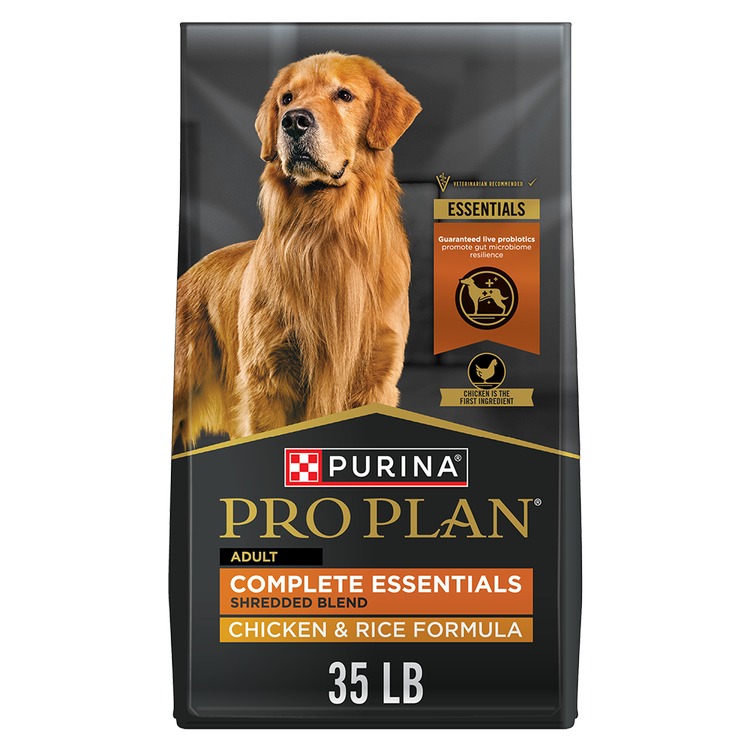
Adult dogs need food that matches their age and activity level. Puppy food has different nutrients that may not suit adults.
Choosing the right food helps keep your dog healthy and active. Always read the labels on dog food packages carefully.
| Age | Recommended Food Type |
| Puppy | Puppy Food |
| Adult | Adult Dog Food |
| Senior | Senior Dog Food |
Credit: www.purina.com
Tips For Transitioning Dog Food
Changing your dog’s food needs care. A sudden switch can upset their stomach.
Follow these tips to make the change smooth and safe for your adult dog.
Gradual Switching Process
Switch your dog’s food slowly over 7 to 10 days. Mix puppy food with adult food in increasing amounts.
- Start with 25% new food and 75% old food.
- After 3 days, change to 50% new and 50% old.
- Then use 75% new food and 25% old food.
- Finally, offer 100% new food.
Monitoring Your Dog’s Response
Watch your dog’s health and behavior during the switch. Look for signs of discomfort or allergies.
| What to Watch | Possible Signs | Action to Take |
|---|---|---|
| Stomach | Diarrhea, vomiting, gas | Slow the switch or consult a vet |
| Skin | Itching, redness, hair loss | Stop new food and check with vet |
| Energy | Lethargy or hyperactivity | Note changes and seek advice if needed |
Credit: www.petsradar.com
Frequently Asked Questions
Can Adult Dogs Eat Puppy Food Safely?
Adult dogs can eat puppy food occasionally, but it’s not ideal long-term. Puppy food has extra calories and nutrients meant for growth. Feeding it regularly may cause weight gain and digestive issues in adults. It’s best to use food formulated for your dog’s life stage.
What Happens If Adult Dogs Eat Only Puppy Food?
If adult dogs eat only puppy food, they might gain excess weight. Puppy food is richer in calories, protein, and fat than adult formulas. Over time, this can strain their organs and cause health problems. Balanced adult dog food supports their maintenance and energy needs better.
Is Puppy Food Better For Small Adult Dogs?
Puppy food is nutrient-dense but not necessarily better for small adult dogs. Small adults need balanced nutrition suited to their activity and metabolism. Feeding puppy food may cause unnecessary calorie intake and weight issues. Choose adult dog food designed for small breeds instead.
How To Transition An Adult Dog Off Puppy Food?
Transition gradually by mixing adult food with puppy food over 7-10 days. Increase adult food proportion daily while reducing puppy food. This helps avoid digestive upset and allows adjustment to new nutrients. Always monitor your dog’s health and consult a vet if unsure.
Conclusion
Feeding adult dogs puppy food is not ideal for long-term health. Puppy food has more calories and nutrients designed for growing dogs. Adult dogs need balanced food to maintain weight and energy. Too many calories can cause weight gain and health issues.
Always choose food made for your dog’s age and size. Consult your vet for the best diet plan. Proper nutrition keeps your dog happy and healthy. Remember, the right food supports a strong, active life. Choose wisely for your furry friend’s well-being.

Emily Barker is the founder of ChillDogLife.com, a space dedicated to helping pup parents discover the best dog products, lifestyle tips, and cozy ideas for happier homes.
A lifelong dog lover, Emily combines her passion for pets with a knack for research to share trusted recommendations on everything from toys and furniture to health and everyday care.
Her goal is simple: to make life easier, stylish, and more joyful for dogs and the people who love them.




