Are you wondering if it’s safe or even beneficial to feed your adult dog puppy food? You’re not alone.
Many dog owners ask this question because they want the best for their furry friends. But before you reach for that puppy formula, there are important facts you need to know. Feeding your adult dog the wrong food could affect their health in ways you might not expect.
Keep reading to find out what happens when an adult dog eats puppy food, and how to make the best choices for your pet’s diet.
Credit: blog.justfoodfordogs.com
Nutritional Differences
Feeding your adult dog puppy food can affect their nutrition. Puppy food and adult dog food are made differently. Each type meets different needs for dogs at various life stages.
Understanding the key differences helps you decide what is best for your dog’s health. The main areas to look at are calorie content, protein levels, and fat composition.
Calorie Content
Puppy food usually has more calories than adult dog food. Puppies need extra energy to grow and play. Adult dogs need fewer calories to stay healthy and avoid weight gain.
Feeding a high-calorie diet to an adult dog can cause weight problems. It is important to match calorie needs with your dog’s age and activity level.
Protein Levels
Puppy food contains higher protein levels than adult dog food. Protein helps puppies build strong muscles and supports their rapid growth. Adult dogs need less protein but still require it for maintenance.
- Puppy food protein: 22% to 32%
- Adult dog food protein: 18% to 25%
- Protein quality matters more than quantity
- Too much protein can stress adult dog kidneys
Fat Composition
Puppy food has more fat than adult dog food. Fat gives puppies energy and helps their brain develop. Adult dogs need less fat to keep a healthy weight.
| Type of Food | Fat Content (%) |
| Puppy Food | 8 to 20 |
| Adult Dog Food | 5 to 15 |
Benefits Of Puppy Food For Adults
Some adult dogs eat puppy food for extra nutrition. Puppy food has more calories and nutrients than adult dog food.
Feeding adult dogs puppy food can help with energy, skin health, and muscle strength. Let’s explore these benefits.
Energy Boost
Puppy food has more fat and calories. This extra energy helps active adult dogs stay lively.
- Higher fat content for more energy
- Extra calories to support active lifestyles
- Good for dogs with high exercise needs
Improved Coat And Skin
Puppy food contains more vitamins and fatty acids. These nutrients help keep your dog’s coat shiny and skin healthy.
| Nutrient | Benefit |
| Omega-3 Fatty Acids | Reduces dry skin and itching |
| Vitamin E | Supports healthy skin cells |
| Biotin | Promotes shiny fur |
Enhanced Muscle Maintenance
Puppy food has extra protein. This helps adult dogs keep strong muscles and recover from exercise.
Key reasons protein in puppy food helps muscles:
- Supports muscle repair after play or work
- Maintains lean muscle mass
- Provides essential amino acids adults need
Potential Downsides
Feeding adult dogs puppy food can cause problems. Puppy food is made for growing dogs. It has more calories and nutrients than adult dogs need. This can lead to health issues over time.
Understanding the potential downsides helps you make the best choice for your dog’s diet. Here are some risks to consider before feeding puppy food to an adult dog.
Weight Gain Risks
Puppy food contains more fat and calories. Adult dogs do not need this much energy. Feeding puppy food can cause your dog to gain too much weight. Overweight dogs face many health problems.
- Excess calories turn into fat
- Increased risk of obesity
- Joint stress from extra weight
- Higher chance of diabetes
- Heart disease risk grows
Nutrient Imbalance
Puppy food has nutrients in different amounts than adult food. Adult dogs need less calcium and protein. Too much of these can harm bones and kidneys. Feeding the wrong balance can cause health issues.
| Nutrient | Puppy Food Level | Adult Dog Need |
| Protein | High | Moderate |
| Calcium | High | Lower |
| Fat | High | Lower |
| Calories | High | Moderate |
Digestive Issues
Adult dogs may have trouble digesting puppy food. The extra rich ingredients can upset their stomach. This can cause loose stools, gas, or vomiting. Changing food slowly can help, but problems may still occur.
Signs your dog may have digestive issues from puppy food:
- Diarrhea lasting more than two days
- Frequent vomiting
- Loss of appetite
- Excessive gas or bloating
- Unusual lethargy
Credit: www.purina.com
When To Consider Puppy Food
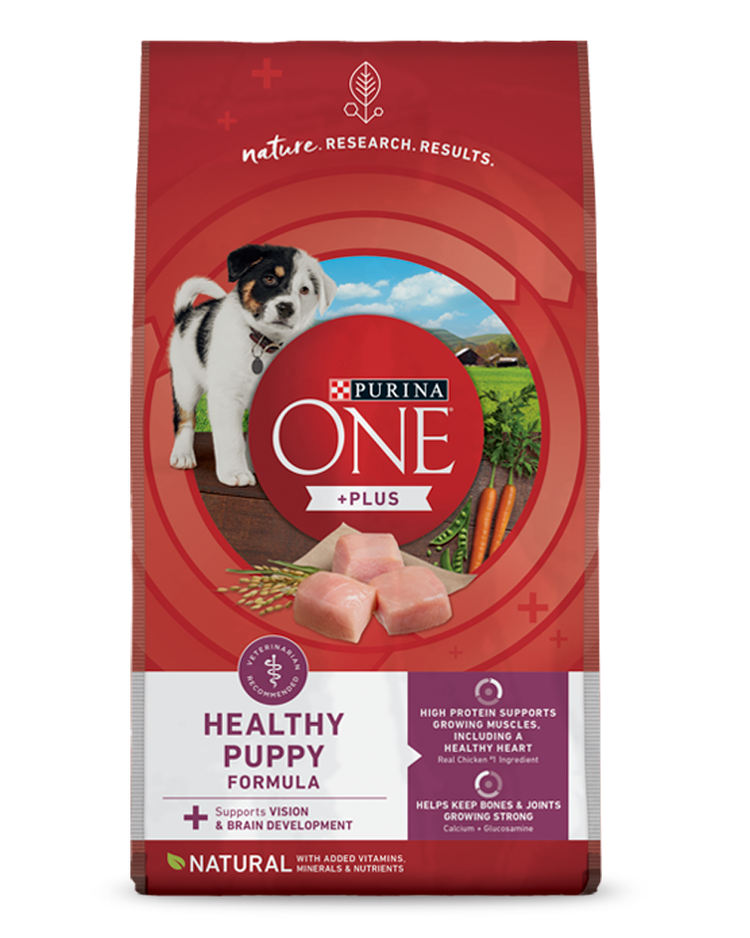
Puppy food is made for growing dogs. It has more calories and nutrients than adult dog food. Sometimes, adult dogs may need puppy food for special reasons.
Knowing when to feed your adult dog puppy food can help keep them healthy and strong. Below are some cases when puppy food might be a good choice.
Active Or Working Dogs
Dogs that work hard or are very active need more energy. Puppy food has extra calories and protein to support this. It helps them stay fit and recover fast after activity.
- Dogs that run, hunt, or do agility training
- Working dogs like police or service dogs
- Dogs with high daily exercise needs
Recovering From Illness
When dogs are sick, they may lose weight and strength. Puppy food can help them gain back weight. It also supports tissue repair and immune health because of its nutrients.
| Benefit | How Puppy Food Helps |
|---|---|
| Weight Gain | Higher calories support healthy weight gain |
| Muscle Repair | Extra protein aids muscle rebuilding |
| Immune Support | Vitamins and minerals strengthen immunity |
Underweight Adults
Adult dogs that are underweight may need more nutrition. Puppy food provides extra energy and nutrients to help them reach a healthy weight. It is important to feed the right amount to avoid overfeeding.
- Check with your vet before switching foods
- Feed measured portions to control calorie intake
- Watch weight and adjust feeding as needed
Alternatives To Puppy Food
Feeding an adult dog puppy food is not always the best choice. Puppy food has extra nutrients for growing dogs. Adult dogs need different types of nutrition.
There are many alternatives to puppy food that support your dog’s health as they age. These options help keep your dog strong and happy.
Adult Dog Formulas
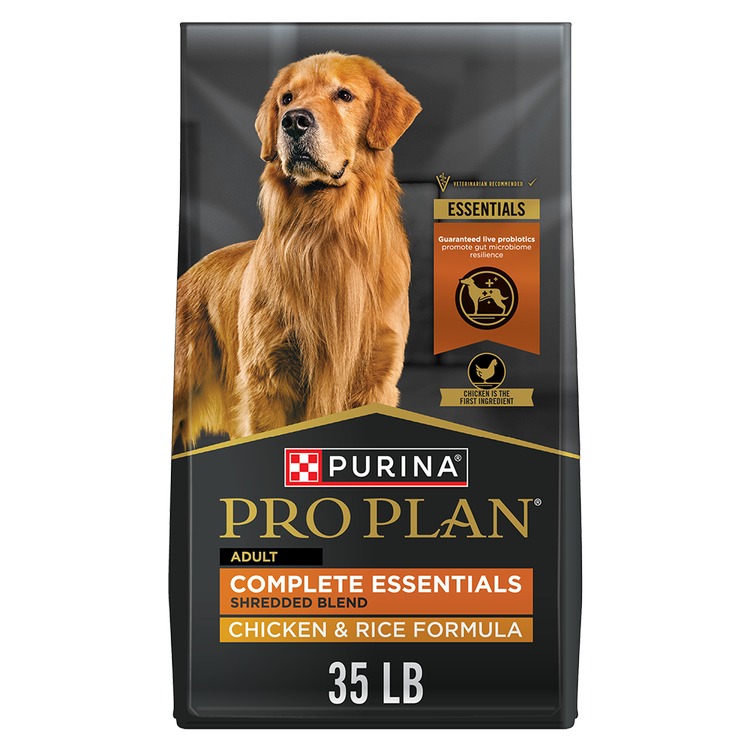
Adult dog formulas have the right balance of nutrients for grown dogs. They contain less fat and calories than puppy food. This helps keep your dog at a healthy weight.
These formulas support your dog’s energy and muscle health. They also include vitamins and minerals tailored for adult dogs.
- Lower fat and calorie content
- Balanced protein for muscle maintenance
- Added fiber for healthy digestion
- Essential vitamins and minerals
Senior Dog Diets
Senior dog diets are made for older dogs. They have fewer calories and more fiber. This helps with weight control and digestion.
These diets often include supplements for joint health. They support aging bones and reduce stiffness. Nutrient levels are adjusted for older dogs’ needs.
- Lower calories to prevent weight gain
- Higher fiber for better digestion
- Added joint support like glucosamine
- Vitamins to support aging health
Custom Nutrition Plans
Custom nutrition plans fit your dog’s unique needs. They consider age, weight, health, and activity. A vet or pet nutritionist can create these plans.
These plans can include homemade food, special diets, or supplements. They help your dog stay healthy and happy throughout life.
- Tailored nutrients for your dog’s health
- Can include fresh or cooked ingredients
- Supports specific health issues
- Made with professional guidance
Credit: www.purina.com
Tips For Transitioning Foods
Feeding your adult dog puppy food might seem like a good idea. Puppies need more nutrients than adult dogs. However, it’s important to transition their food carefully.
Changing your dog’s diet suddenly can upset their stomach. It’s best to introduce new foods gradually. Let’s explore some tips for making this transition smooth.
Gradual Change
Introduce the new food slowly over a week. Start by mixing a small amount of puppy food with their regular food.
Gradually increase the puppy food while decreasing the regular food. This helps your dog adjust to the new taste and texture.
- Days 1-2: 25% puppy food, 75% adult food
- Days 3-4: 50% puppy food, 50% adult food
- Days 5-6: 75% puppy food, 25% adult food
- Day 7: 100% puppy food
Monitoring Health
Watch your dog for any signs of discomfort. Look for changes in their stool, energy levels, or appetite.
If you notice any issues, slow down the transition. Pay close attention to your dog’s behavior during this time.
- Check stool for consistency
- Observe energy levels
- Monitor appetite changes
Consulting A Veterinarian
Before making any dietary changes, consult your veterinarian. They can provide guidance based on your dog’s health needs.
Your vet can suggest the right type and amount of food for your dog. They can also address any concerns you may have.
Frequently Asked Questions
Can Adult Dogs Eat Puppy Food Safely?
Adult dogs can eat puppy food occasionally, but it’s not ideal long-term. Puppy food has more calories and nutrients meant for growth. Feeding it regularly may cause weight gain and nutrient imbalance in adult dogs.
What Happens If Adult Dogs Eat Puppy Food Daily?
Daily feeding of puppy food to adult dogs can lead to obesity. Excess calories and rich nutrients may cause digestive upset. It also increases the risk of joint stress due to rapid weight gain.
Is Puppy Food Better For Senior Dogs?
Puppy food is not suitable for senior dogs. Older dogs need fewer calories and more fiber. Puppy food’s high fat and protein can strain senior dogs’ kidneys and digestion.
How To Transition Adult Dogs From Puppy Food?
Transition adult dogs gradually from puppy to adult food over 7-10 days. Mix increasing amounts of adult food with puppy food. This helps prevent digestive issues and ensures proper nutrition balance.
Conclusion
Feeding puppy food to adult dogs is not ideal for their health. Puppy food contains extra nutrients that adult dogs do not need. This can cause weight gain or digestive problems. Adult dogs need food made just for their age and size.
Always check with your vet before changing your dog’s diet. Choosing the right food helps your dog stay strong and happy. Remember, good nutrition supports a long and healthy life. Keep your dog’s needs in mind for the best care.

Emily Barker is the founder of ChillDogLife.com, a space dedicated to helping pup parents discover the best dog products, lifestyle tips, and cozy ideas for happier homes.
A lifelong dog lover, Emily combines her passion for pets with a knack for research to share trusted recommendations on everything from toys and furniture to health and everyday care.
Her goal is simple: to make life easier, stylish, and more joyful for dogs and the people who love them.




