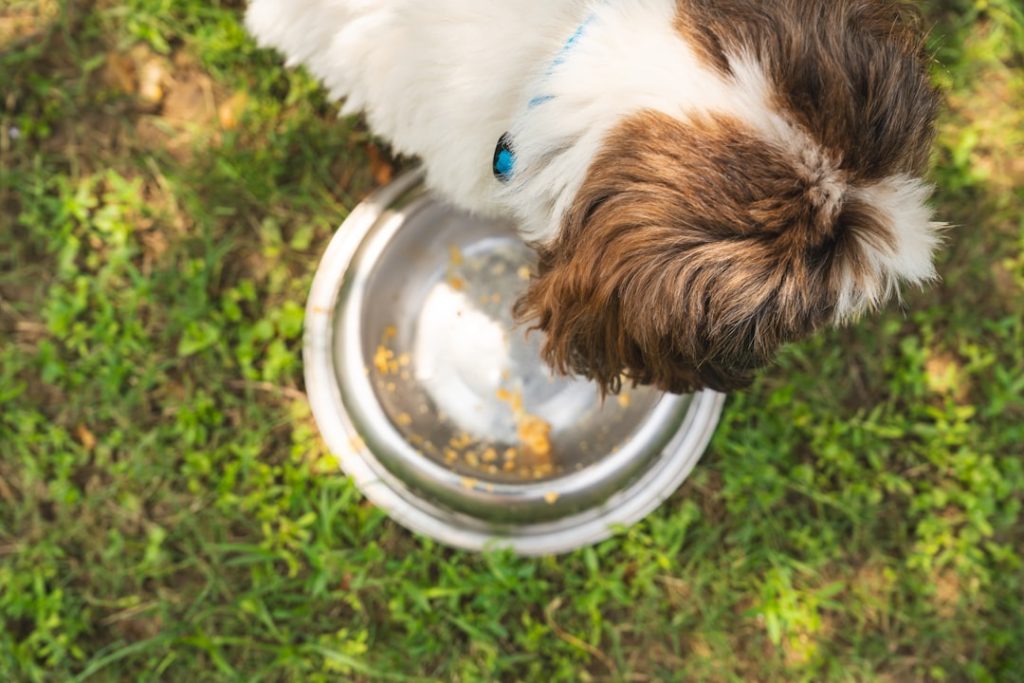
Have you ever caught your adult dog sneaking a bite of puppy food and wondered, “Is this bad for them?” It’s a common question many dog owners face. You want the best for your furry friend, and feeding them the right food is a big part of that.
But could puppy food harm your adult dog, or might it even have some benefits? Keep reading to find out what you need to know to keep your dog healthy and happy every day.
Credit: www.thinkjinx.com
Differences Between Puppy And Adult Dog Food
Puppies and adult dogs have different dietary needs. Feeding the wrong food can affect their health.
This article explains the differences between puppy and adult dog food. It helps you understand why each is important.
Nutritional Needs Of Puppies
Puppies grow fast and need extra nutrients. They require more protein and calories than adult dogs.
- Higher protein to support muscle growth
- Increased fat for energy
- More calcium and phosphorus for bone development
- Essential vitamins and minerals for immune health
Nutritional Needs Of Adult Dogs
Adult dogs need balanced food to maintain weight and health. They require fewer calories than puppies.
- Moderate protein for muscle maintenance
- Controlled fat to prevent weight gain
- Fiber for digestive health
- Vitamins and minerals to support overall wellness
Key Ingredient Variations
| Ingredient | Puppy Food | Adult Dog Food |
| Protein | Higher levels for growth | Moderate levels for maintenance |
| Fat | More fat for energy | Lower fat to control weight |
| Calcium | Increased for bone growth | Balanced to avoid excess |
| Calories | Higher calorie content | Fewer calories to prevent obesity |
Effects Of Puppy Food On Adult Dogs
Feeding puppy food to an adult dog can cause several health changes. Puppy food has more calories and nutrients meant for growing dogs. This may affect an adult dog’s body and digestion.
It is important to understand how puppy food impacts adult dogs. This helps owners make better feeding choices for their pets.
Potential Weight Gain Risks
Puppy food contains extra fats and proteins. Adult dogs do not need as many calories as puppies. Eating puppy food can lead to unwanted weight gain in adult dogs.
- Higher calorie intake can cause obesity.
- Extra fat may lead to unhealthy weight.
- Overweight dogs have more risk of joint problems.
- Weight gain can reduce a dog’s energy levels.
Impact On Digestive Health
Adult dogs may have trouble digesting puppy food. The rich ingredients might upset their stomachs. Some dogs can get diarrhea or vomiting from eating puppy food.
| Digestive Issue | Cause | Effect |
| Diarrhea | Too much fat | Loose stools and discomfort |
| Vomiting | Rich nutrients | Stomach upset |
| Gas | Sudden diet change | Flatulence and bloating |
Long-term Health Implications
Consistent feeding of puppy food to adult dogs may cause health problems over time. It can affect their heart, kidneys, and joints. The extra nutrients can stress organs not needing them.
Long-term risks include:
- Heart disease from excess calories
- Kidney strain from too much protein
- Joint stress due to weight gain
- Shorter lifespan if diet is not balanced
When Puppy Food Might Be Beneficial For Adults
Adult dogs usually eat food made just for them. Puppy food has more calories and nutrients. Sometimes, adult dogs can benefit from puppy food for a short time.
It is important to feed the right food for your dog’s health. Here are times when puppy food might help adult dogs.
Pregnant Or Nursing Dogs
Pregnant or nursing dogs need extra energy and nutrients. Puppy food has more protein and calories to support them. It helps with milk production and the growth of puppies.
Feeding puppy food during pregnancy or nursing can keep the mother healthy and strong.
Dogs Recovering From Illness
Sick dogs or dogs recovering from illness may need extra nutrition. Puppy food is rich in nutrients and easy to digest. It can help them regain weight and energy faster.
Always talk to your vet before changing your dog’s diet during recovery.
Highly Active Or Working Dogs
Active dogs and working dogs burn more calories. Puppy food provides the extra energy and nutrients they need. It supports muscle growth and stamina for their busy days.
Using puppy food for these dogs can help keep them healthy and strong.
Credit: www.houndsy.com
Signs Your Adult Dog Should Avoid Puppy Food
Feeding puppy food to an adult dog might seem harmless. Yet, it can cause health issues over time. Watching for signs helps keep your dog healthy.
This guide explains key signs that show if your adult dog should avoid puppy food. Look out for weight changes, behavior shifts, and advice from your vet.
Weight Changes To Watch
Puppy food has more calories and nutrients designed for growth. Adult dogs eating this may gain unwanted weight or become overweight. Sudden weight gain or loss can signal a diet problem.
- Rapid weight gain without increased activity
- Unexpected weight loss despite eating well
- Difficulty maintaining a healthy weight
Behavioral Indicators
Changes in your dog’s behavior may show diet issues. Eating puppy food can cause stomach upset or low energy. Watch for signs like:
- Increased thirst or urination
- Frequent vomiting or diarrhea
- Lethargy or less interest in play
- Changes in appetite or eating habits
Veterinary Recommendations
| Advice | Reason |
|---|---|
| Use age-appropriate food | Meets specific nutrient needs |
| Consult vet before diet changes | Prevents health problems |
| Regular weight and health checks | Detects issues early |
| Adjust diet based on activity level | Keeps dog healthy |
Your vet can help you choose the best food. They can spot signs that puppy food is not right for your adult dog. Follow their advice to keep your dog happy and healthy.
Tips For Transitioning Between Puppy And Adult Food
Switching your dog from puppy to adult food needs care. It keeps your dog healthy and happy.
This guide shares simple tips to help make the change easy for your dog.
Gradual Food Changes
Change your dog’s food slowly to avoid stomach upset. Mix more adult food each day.
- Start with 25% adult food and 75% puppy food.
- After three days, use 50% of each food type.
- Then, use 75% adult food and 25% puppy food.
- After a week, feed only adult food.
Monitoring Health During Transition
Watch your dog for signs of problems. Check their energy, digestion, and weight.
| Health Sign | What to Watch For | When to Contact Vet |
|---|---|---|
| Appetite | Eating less or not at all | If it lasts more than 2 days |
| Stool | Loose stools or diarrhea | If diarrhea lasts over 24 hours |
| Energy | Very tired or weak | If unusual weakness appears |
Choosing The Right Food Brand
Pick a trusted brand that fits your dog’s needs. Look for good nutrition and quality ingredients.
Here are tips to choose the best dog food brand:
- Check for AAFCO approval on the package.
- Read ingredient lists carefully.
- Choose food made for your dog’s size and breed.
- Ask your vet for brand recommendations.
Credit: www.becopets.com
Frequently Asked Questions
Is Puppy Food Safe For Adult Dogs Occasionally?
Yes, adult dogs can eat puppy food occasionally without harm. However, it is not balanced for their needs long-term and may cause weight gain.
What Happens If Adult Dogs Eat Puppy Food Regularly?
Regularly eating puppy food can lead to obesity and digestive issues in adult dogs. Puppy food has extra calories and nutrients meant for growth.
Can Adult Dogs Digest Puppy Food Properly?
Adult dogs can digest puppy food, but the extra fat and protein may strain their digestion. It’s best to feed age-appropriate food.
Should I Switch My Adult Dog From Puppy To Adult Food?
Yes, switching to adult dog food is important as it meets their maintenance needs. Consult your vet for the right timing and product.
Conclusion
Adult dogs eating puppy food once in a while is usually safe. Puppy food has extra nutrients for growth, which adults may not need daily. Too much can cause weight gain or upset stomachs. Watch your dog’s health and energy levels closely.
For regular feeding, choose food made for adult dogs. Speak to your vet for advice tailored to your dog’s needs. Good nutrition keeps dogs happy and healthy. Simple care makes a big difference.

Emily Barker is the founder of ChillDogLife.com, a space dedicated to helping pup parents discover the best dog products, lifestyle tips, and cozy ideas for happier homes.
A lifelong dog lover, Emily combines her passion for pets with a knack for research to share trusted recommendations on everything from toys and furniture to health and everyday care.
Her goal is simple: to make life easier, stylish, and more joyful for dogs and the people who love them.




